Save Your Dog’s Life: How to Stop Dangerous Car Chasing Immediately
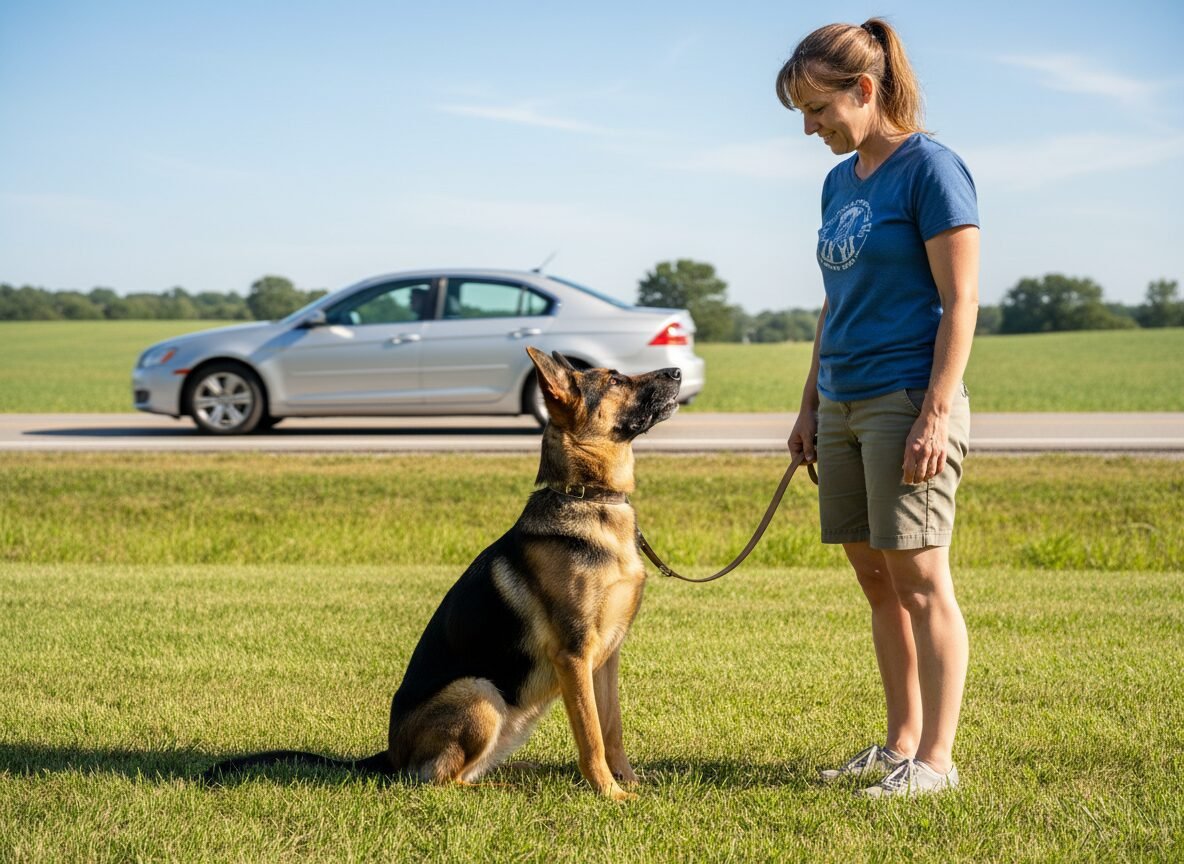
The sight of your dog bolting after a moving car is a heart-stopping moment that no pet owner should ever have to experience. This dangerous impulse, known as car chasing, is not a sign of a ‘bad dog’ but rather a deeply ingrained instinct that can have tragic consequences. It’s a complex behavior rooted in prey drive, herding instincts, or even territorial guarding. Understanding the ‘why’ behind the chase is the first step, but taking immediate, decisive action is critical to ensuring your dog’s safety. This comprehensive guide will provide you with the professional knowledge and a step-by-step training plan to manage and ultimately extinguish this life-threatening habit. By committing to this process, you are not just teaching a new behavior; you are actively saving your dog’s life.
Understanding the Instinct: Why Dogs Chase Cars
Understanding the Instinct: Why Dogs Chase Cars
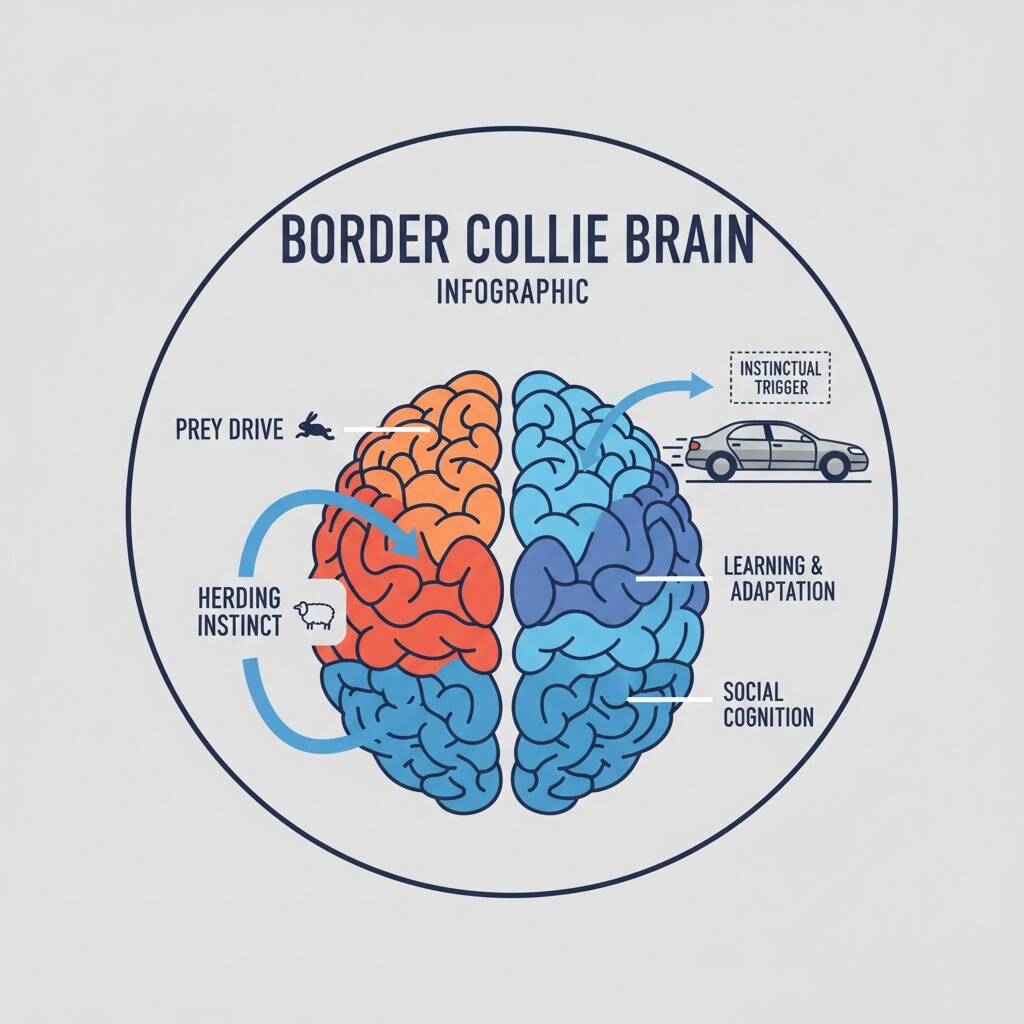
To effectively stop car chasing, we must first understand its origins. This behavior is rarely born from aggression but from powerful, innate drives that have been part of canine DNA for thousands of years. When a dog sees a large, loud object moving quickly across its field of vision, several instincts can be triggered.
The Predatory Drive
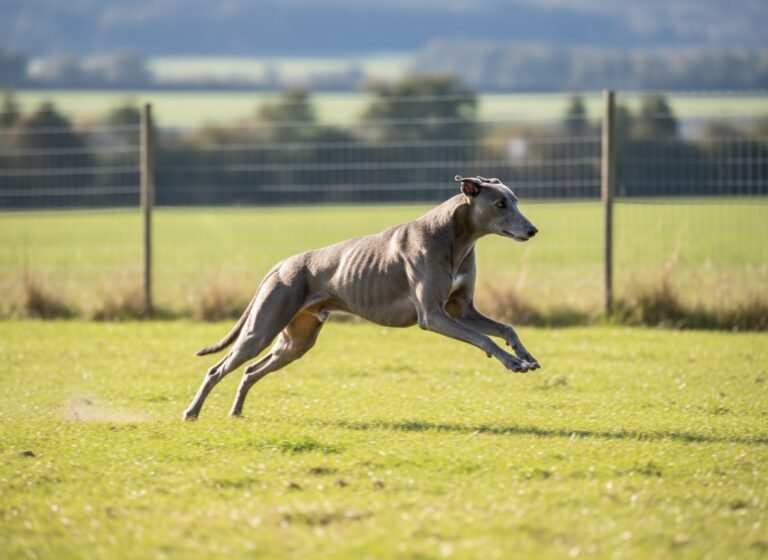
The most common culprit is the prey drive. This is the instinctual sequence of behaviors used to hunt and capture prey. For many dogs, the fast movement of a car mimics that of a fleeing animal, triggering a powerful, almost automatic response to chase. Breeds developed for hunting and herding, such as terriers, sighthounds, and collies, often have a particularly high prey drive. The sequence is often: see, stalk, chase, grab-bite, kill-bite. The car’s movement activates the ‘chase’ portion of this sequence, and the dog acts on pure impulse, often deaf to your calls.
Herding Instincts
For herding breeds like Border Collies, Australian Shepherds, and Corgis, a moving car can be perceived as a large sheep or cow that needs to be controlled and directed. Their instinct is to ’round up’ the moving object, circling it and nipping at its ‘heels’ (the tires). They aren’t trying to harm the car; they are trying to do the job they were bred for.
Territorial Defense
Some dogs perceive a passing car as an intruder in their territory. The dog’s home, yard, and even the familiar route of a daily walk can be considered its domain. The loud, fast-moving vehicle is seen as a threat that must be chased away. This often involves aggressive barking and lunging as the dog attempts to defend its space.
Boredom and Under-stimulation
A lack of physical exercise and mental stimulation can lead to a host of behavioral problems, including car chasing. A bored dog will create its own ‘fun,’ and chasing a noisy, fast-moving object can be an incredibly rewarding and stimulating activity. It provides a rush of adrenaline and a clear objective, making it a highly self-reinforcing behavior.
Expert Insight: It is crucial to recognize that car chasing is a self-rewarding behavior. The chase itself provides a surge of adrenaline and endorphins, which makes the dog feel good. This is why simply punishing the dog is ineffective and can even make the problem worse. The key is to teach an alternative, more rewarding behavior.
Essential Tools and Management for Immediate Safety
Essential Tools and Management for Immediate Safety
While you implement a long-term training plan, your absolute first priority is immediate management to prevent your dog from practicing this dangerous behavior. Every time your dog gets to chase a car, the habit becomes more deeply ingrained. Preventing rehearsal is non-negotiable.
Environmental Management
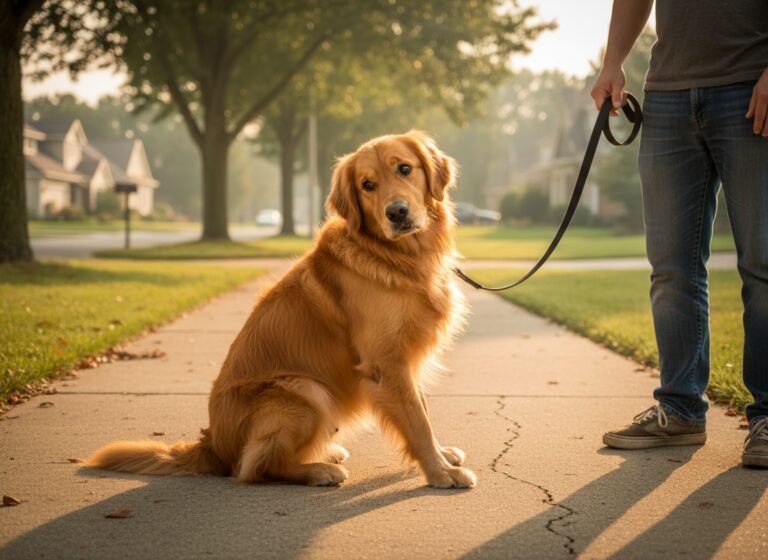
Your dog should never be left unsupervised in an unfenced area. Even in a fenced yard, you must ensure the fence is secure, sufficiently high, and has no gaps the dog could squeeze through. Check gates and latches regularly. When outdoors, your dog must be on a leash at all times, without exception, until training is reliably complete.
The Right Equipment
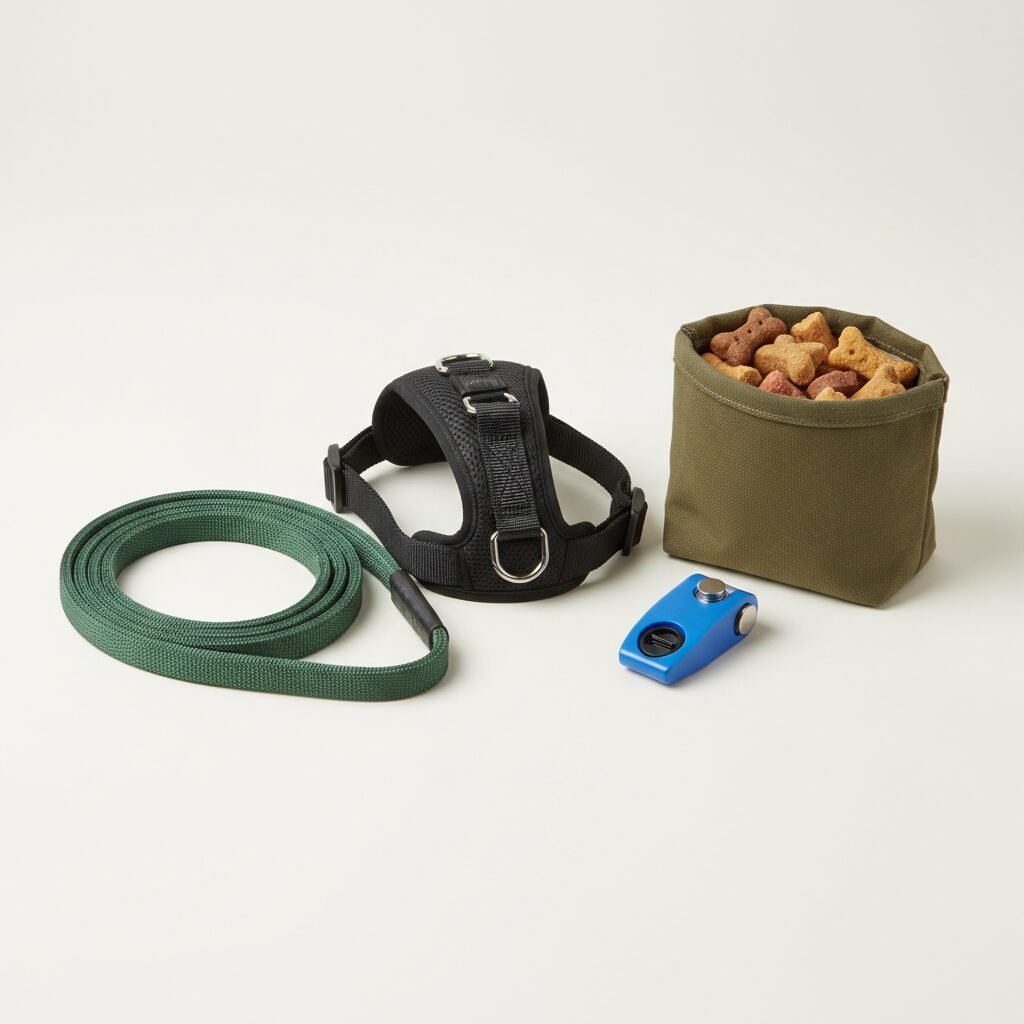
Choosing the correct tools is vital for safety and effective training. Here is a list of recommended equipment:
- Sturdy, Fixed-Length Leash: A 6-foot leather or nylon leash provides the best control. Absolutely avoid retractable leashes. They do not offer adequate control to stop a dog from lunging into the street and can cause serious injury.
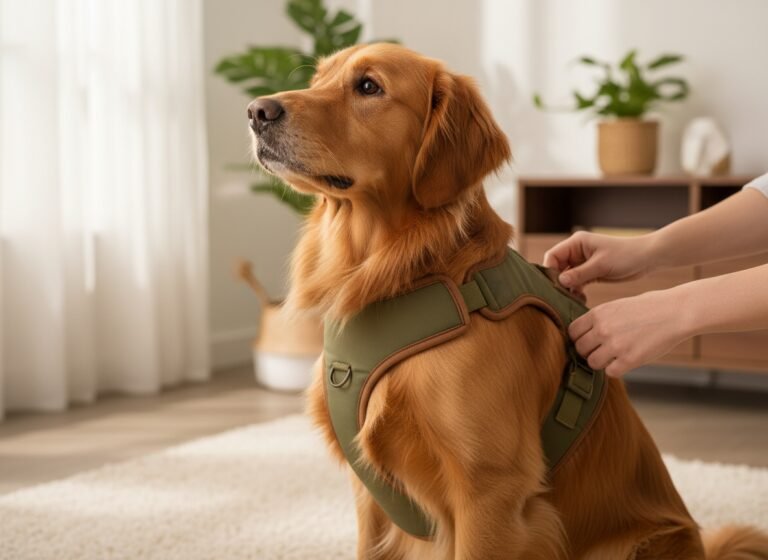
- Well-Fitted Harness: A front-clip or dual-clip body harness can provide better control over a lunging dog by redirecting their momentum without putting pressure on their throat, unlike a standard collar.
- High-Value Treats: These are not your dog’s everyday kibble. Think small pieces of cooked chicken, cheese, hot dogs, or commercial training treats that your dog finds irresistible. The reward must be more compelling than the urge to chase.
- Treat Pouch: A waist-worn treat pouch allows for quick, easy access to rewards, which is essential for timing your reinforcement correctly.
| Equipment | Purpose | Why It’s Critical |
|---|---|---|
| 6-Foot Fixed Leash | Provides secure control and prevents lunging into danger. | Retractable leashes can extend into traffic, offering a false sense of security. |
| Front-Clip Harness | Redirects forward momentum and discourages pulling. | Reduces pressure on the trachea and gives the handler better leverage. |
| High-Value Treats | Acts as a powerful motivator and reward. | The reward must outweigh the self-reinforcing thrill of the chase. |
The Foundational Commands: Building Blocks for Impulse Control
The Foundational Commands: Building Blocks for Impulse Control
Before you can address the car chasing directly, your dog needs a solid foundation of obedience skills. These commands are the tools you will use to communicate with your dog and redirect their focus in high-distraction environments. Practice these skills daily in a quiet location, like your living room or backyard, before attempting them near traffic.
‘Watch Me’ or ‘Look’
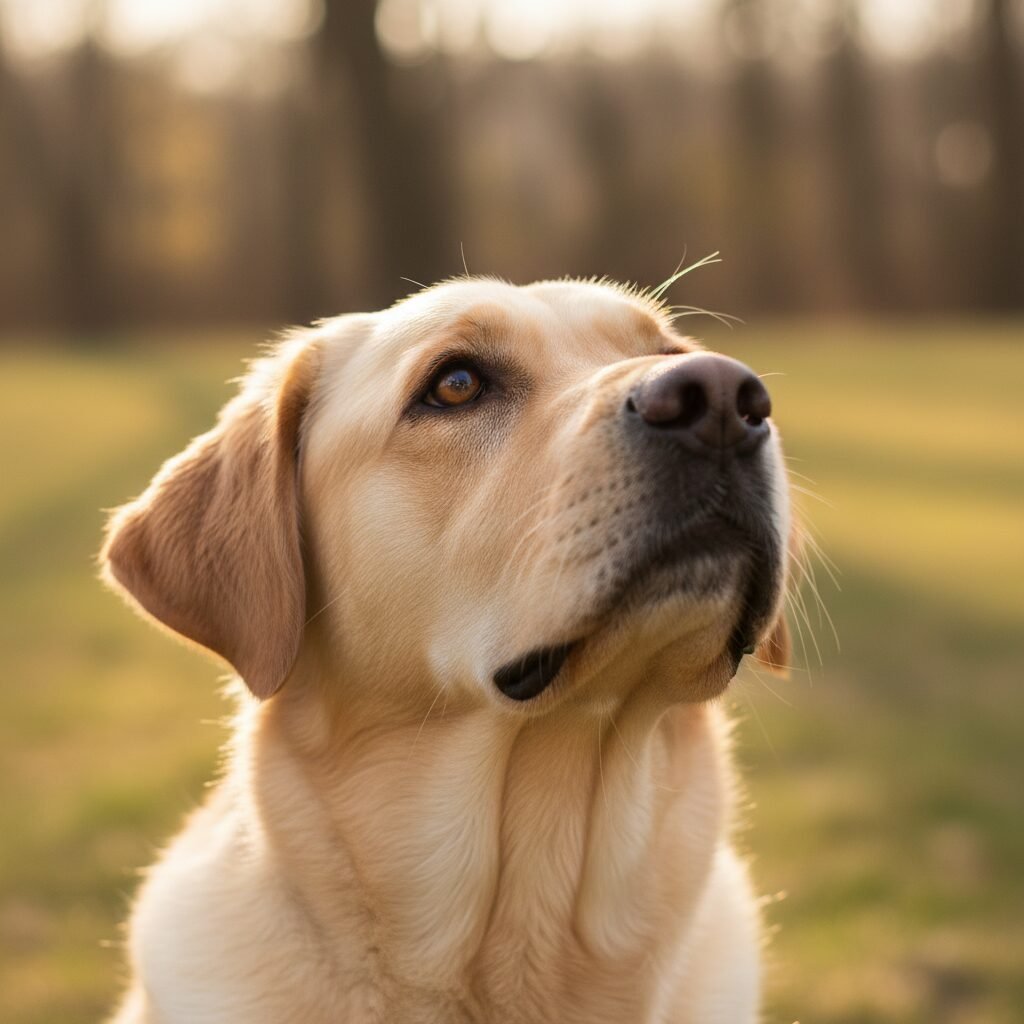
This command teaches your dog to make eye contact with you on cue. It is the cornerstone of redirecting your dog’s attention away from a trigger like a car. Hold a high-value treat near your dog’s nose, then slowly bring it up to your eyes. The moment your dog’s eyes meet yours, say ‘Yes!’ or click, and give them the treat. Practice until your dog looks at you immediately when you give the cue.
‘Leave It’
A rock-solid ‘Leave It’ command is non-negotiable for safety. It means ‘disengage from that object immediately.’ Start with a low-value item on the floor. Cover it with your hand. When your dog sniffs or paws at your hand, say nothing. The moment they pull back, even slightly, praise them and reward them with a high-value treat from your other hand. Gradually progress to uncovered items and higher-value temptations, always rewarding disengagement.
A Reliable Recall (‘Come’)
Your dog’s life may one day depend on their recall. Make the ‘Come’ command the best word your dog has ever heard. Never use it to punish your dog. Practice in a safe, enclosed area. Use an excited tone of voice and reward your dog lavishly with treats, praise, and toys when they come to you. Keep sessions short and fun to build a strong positive association.
‘Sit’ and ‘Stay’
A strong ‘Sit-Stay’ teaches impulse control. It requires your dog to remain in a stationary position until released. This is an incompatible behavior with chasing; a dog cannot sit and chase at the same time. Start with very short durations and gradually increase the time and distance you are from your dog. This teaches them that good things happen when they remain calm and in position.
The Step-by-Step Training Protocol to Stop Car Chasing
The Step-by-Step Training Protocol to Stop Car Chasing
This process uses two powerful training principles: Desensitization (gradually exposing the dog to the trigger at a level that does not produce the unwanted response) and Counter-Conditioning (changing the dog’s emotional response to the trigger from excitement/anxiety to calm anticipation of a reward). This must be done slowly and patiently.
- Determine the Threshold: Find the distance at which your dog can see a car but not react (no lunging, barking, or fixating). This might be 100 yards away, or even further. This is your starting point. Ending a session with your dog ‘over threshold’ (reacting negatively) is counterproductive.
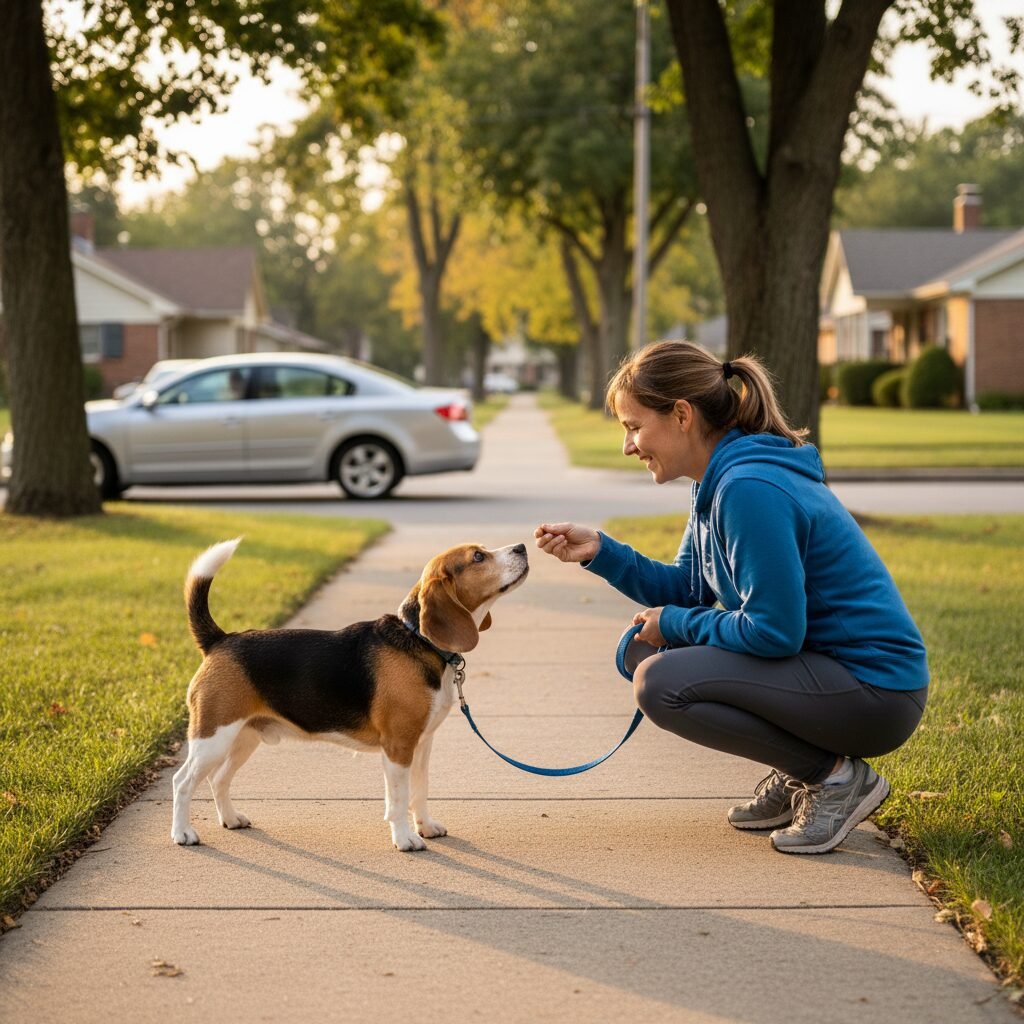
- Mark and Reward Calmness (Look at That Game): Position yourself at this safe distance. The moment your dog notices a car, say ‘Yes!’ or click your clicker and immediately give them a high-value treat. The goal is for the dog to look at the car, then immediately look back at you, expecting a reward. Car = Treat.
- Introduce the ‘Watch Me’ Cue: As your dog gets better at the Look at That game, start using your ‘Watch Me’ cue as a car approaches. Ask for their attention before they have a chance to fixate on the car. Reward them generously for holding eye contact with you as the car passes.
- Gradually Decrease the Distance: This is the most critical part. Over many sessions, slowly decrease the distance to the road. If at any point your dog starts to react, you have moved too fast. Simply increase the distance again to a point where they can be successful and work from there. This process could take weeks or even months.
- Vary the Environment: Once your dog is reliable on a quiet street, begin practicing in slightly busier environments. Change the location, time of day, and type of traffic (trucks, buses, motorcycles). Each new variable is a new training challenge, so you may need to increase your distance from the road temporarily when introducing a new element.
Professional Tip: Keep training sessions short and positive, around 5-10 minutes each. End on a successful repetition. This builds your dog’s confidence and keeps them engaged in the training process rather than feeling overwhelmed or stressed.
Troubleshooting Common Problems and Preventing Regression
Troubleshooting Common Problems and Preventing Regression
Even with a perfect plan, you may encounter setbacks. Understanding how to handle them is key to long-term success.
What If My Dog Lunges or Barks?
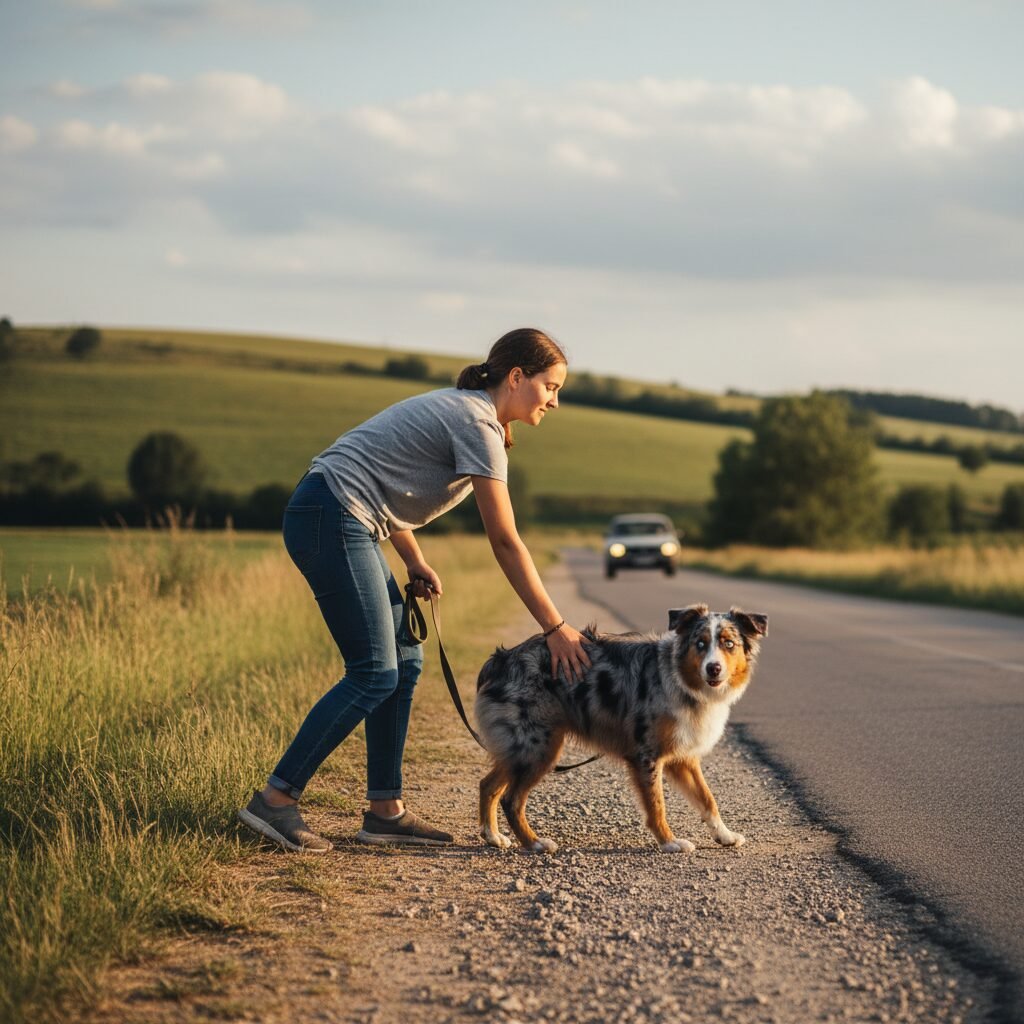
If your dog reacts, you are too close to the trigger. Do not yank the leash or scold the dog. This only adds anxiety and frustration to the situation. Instead, calmly and quickly increase the distance. Use a cheerful voice and a ‘Let’s Go!’ cue to turn your dog around and move away from the road until they can relax. Your next session should start at a greater distance where they were previously successful.
My Dog Isn’t Motivated by Treats
While rare, some dogs are not highly food-motivated, especially when aroused. First, ensure you are using truly high-value treats that are reserved only for this training. If food still isn’t working, consider what your dog truly loves. Is it a specific squeaky toy? A game of tug? You can reward the dog with a quick toss of a ball or a short game of tug for disengaging from the car. The reward must be immediate and powerful.
Preventing Training Regression
Training is not a one-time fix; it’s a lifelong commitment. The neural pathways that drive car chasing will always be there. You must continue to manage the environment and reinforce the desired calm behavior.
- Consistency is Key: Every person who walks the dog must use the same methods and cues.
- Continued Practice: Even after your dog seems ‘cured,’ continue to have short, positive training sessions near roads to keep the skills sharp.
- Manage Energy Levels: Ensure your dog receives adequate physical exercise and mental enrichment daily. A tired, mentally fulfilled dog is far less likely to engage in problem behaviors like car chasing.
If you continue to struggle or feel the behavior is too dangerous to manage on your own, do not hesitate to seek help from a certified professional dog trainer or a veterinary behaviorist. They can provide a customized plan and hands-on guidance for your specific situation.
Conclusion
Stopping a dog from chasing cars is a serious undertaking that requires patience, consistency, and a deep understanding of your dog’s instincts. It is a journey of rebuilding focus and teaching impulse control in the face of a powerful, self-rewarding urge. By focusing on management to ensure immediate safety and implementing a positive, step-by-step training plan, you can change your dog’s emotional response to traffic. You can teach them that remaining calm and focusing on you is far more rewarding than the thrill of the chase. This training will not only protect your dog from a potentially fatal accident, but it will also strengthen the bond of trust and communication you share, ensuring a safer and happier life together.