
Is She Pregnant Or Faking It? Signs Of Phantom Pregnancy

As a devoted pet owner, you are keenly attuned to your female dog’s physical and behavioral shifts. When she begins showing signs commonly associated with pregnancy—such as nesting, mothering toys, and even developing milk—it’s natural to assume puppies are on the way. However, if she hasn’t been mated, you may be witnessing a surprisingly common and often perplexing condition: phantom pregnancy. Known clinically as pseudocyesis or false pregnancy, this phenomenon can be convincing for both the dog and her owner. It is not a psychological abnormality but a physiological response to normal hormonal fluctuations. This guide provides an authoritative overview of phantom pregnancy, equipping you with the knowledge to recognize the symptoms, understand the underlying causes, and provide the appropriate care for your canine companion.
Recognizing the Signs: Physical and Behavioral Symptoms of Pseudocyesis

Distinguishing Physical Manifestations
The physical signs of a phantom pregnancy are driven by the hormone prolactin and can be remarkably similar to those of a true gestation. It’s crucial for owners to observe these changes closely. The most common physical symptoms include:
- Mammary Gland Enlargement: The teats and mammary glands may swell and become more prominent, just as they would in preparation for nursing puppies.
- Lactation: Many dogs will produce a watery, serous fluid or even actual milk from their nipples. This is one of the most convincing and common signs.
- Abdominal Swelling: Some dogs may experience slight abdominal distention or bloating, which can be mistaken for a growing litter.
- Vaginal Discharge: A mucoid, clear, or slightly brownish discharge may be present, though this is less common.
- Lethargy and Decreased Appetite: Your dog might seem more tired than usual and show a reduced interest in food, similar to the early stages of a real pregnancy.
Identifying Behavioral Changes
Alongside the physical symptoms, the behavioral shifts are often what first alert an owner that something is amiss. These behaviors are instinctual and driven by the dog’s hormonal state, making her believe she is preparing for motherhood.
- Nesting: One of the hallmark signs is nesting. A dog may start digging in her bed, blankets, or even corners of the house, attempting to create a safe and comfortable den for her ‘puppies’.
- Mothering Inanimate Objects: It is very common for a dog experiencing a phantom pregnancy to adopt toys, slippers, or other small objects as her puppies. She may carry them around gently, lick them clean, and become protective or anxious if they are removed.
- Increased Affection or Clinginess: Your dog might seek more comfort and reassurance from you, following you around the house and soliciting more physical contact.
- Restlessness and Anxiety: Conversely, some dogs may become agitated, restless, or anxious. They might whine or seem unsettled, unsure of what is happening to their bodies.
- Occasional Aggression: In some cases, a dog may become guarded over her nest or her ‘puppies’ (toys), showing uncharacteristic aggression towards people or other pets who approach.
Expert Tip: Document all observed signs and their start date. This timeline is invaluable information for your veterinarian when differentiating between a phantom pregnancy, a true pregnancy, or other underlying medical conditions.
The Science Behind the ‘Fake’ Pregnancy: Causes and Hormonal Triggers
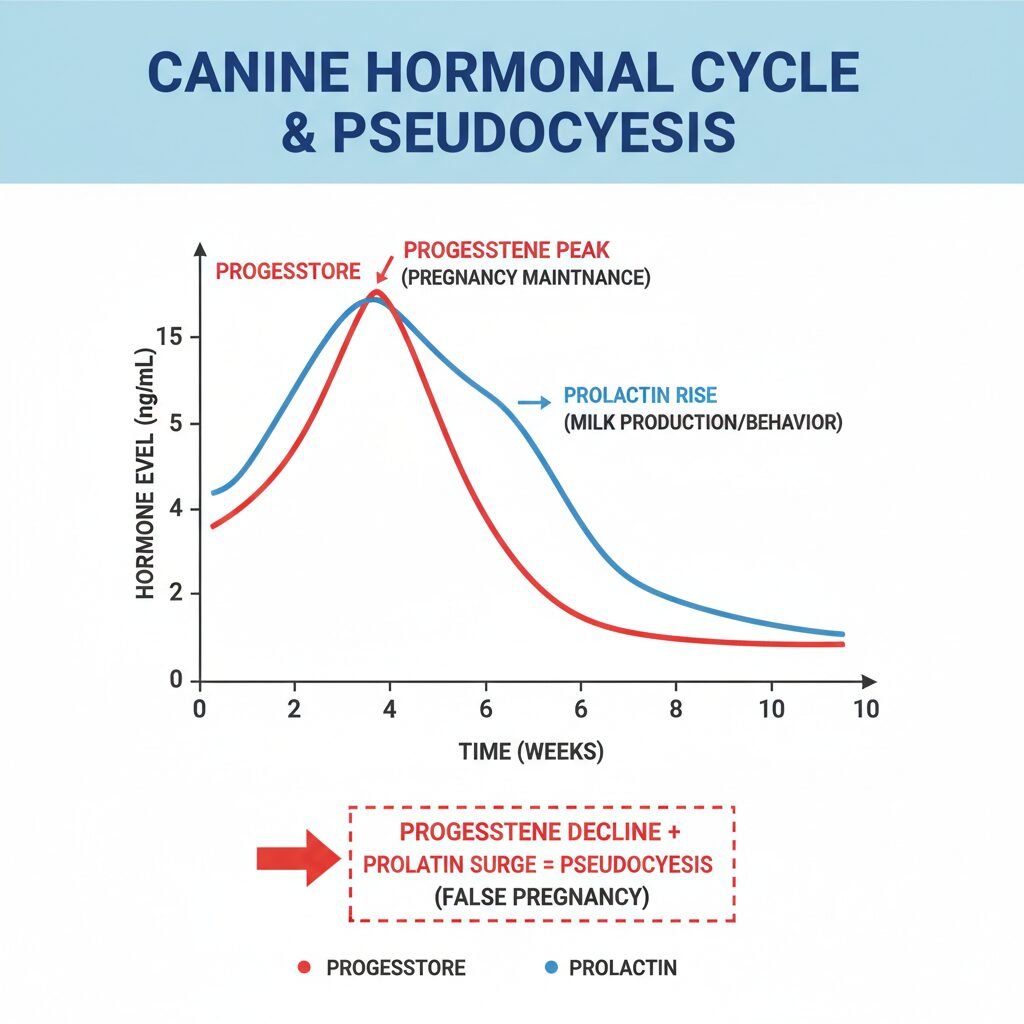
Phantom pregnancy is not a behavioral issue but a normal, albeit sometimes inconvenient, part of the female dog’s reproductive cycle. Understanding the hormonal cascade that triggers these symptoms can demystify the condition and reassure owners that their dog is not ‘faking it’ intentionally.
The canine reproductive cycle, or estrous cycle, is divided into four stages: proestrus, estrus (the ‘heat’ period when she is receptive to mating), diestrus, and anestrus. The key to phantom pregnancy lies in the diestrus phase.
After ovulation occurs during estrus, every female dog—whether she is pregnant or not—enters the diestrus phase. During this time, her ovaries produce high levels of the hormone progesterone for approximately 60-70 days, the same length as a typical canine pregnancy. Progesterone’s primary role is to prepare and maintain the uterus for a potential pregnancy.
As the diestrus phase ends, progesterone levels naturally decline rapidly. This sharp drop in progesterone triggers a surge in another hormone: prolactin. Prolactin is the primary hormone responsible for milk production and maternal behaviors. In a truly pregnant dog, this prolactin surge initiates lactation and nesting instincts just before she gives birth.
In a non-pregnant dog, this same hormonal sequence occurs. The steep progesterone drop and subsequent prolactin spike effectively ‘trick’ her body and brain into thinking she is about to whelp. This hormonal signal is so powerful that it produces the full suite of physical and behavioral symptoms associated with late-stage pregnancy and motherhood. Essentially, from a hormonal perspective, every intact female dog experiences a ‘pregnancy’ after her heat cycle; the only difference is whether or not there are fetuses in the uterus.
Phantom Pregnancy vs. True Pregnancy: Key Differentiators
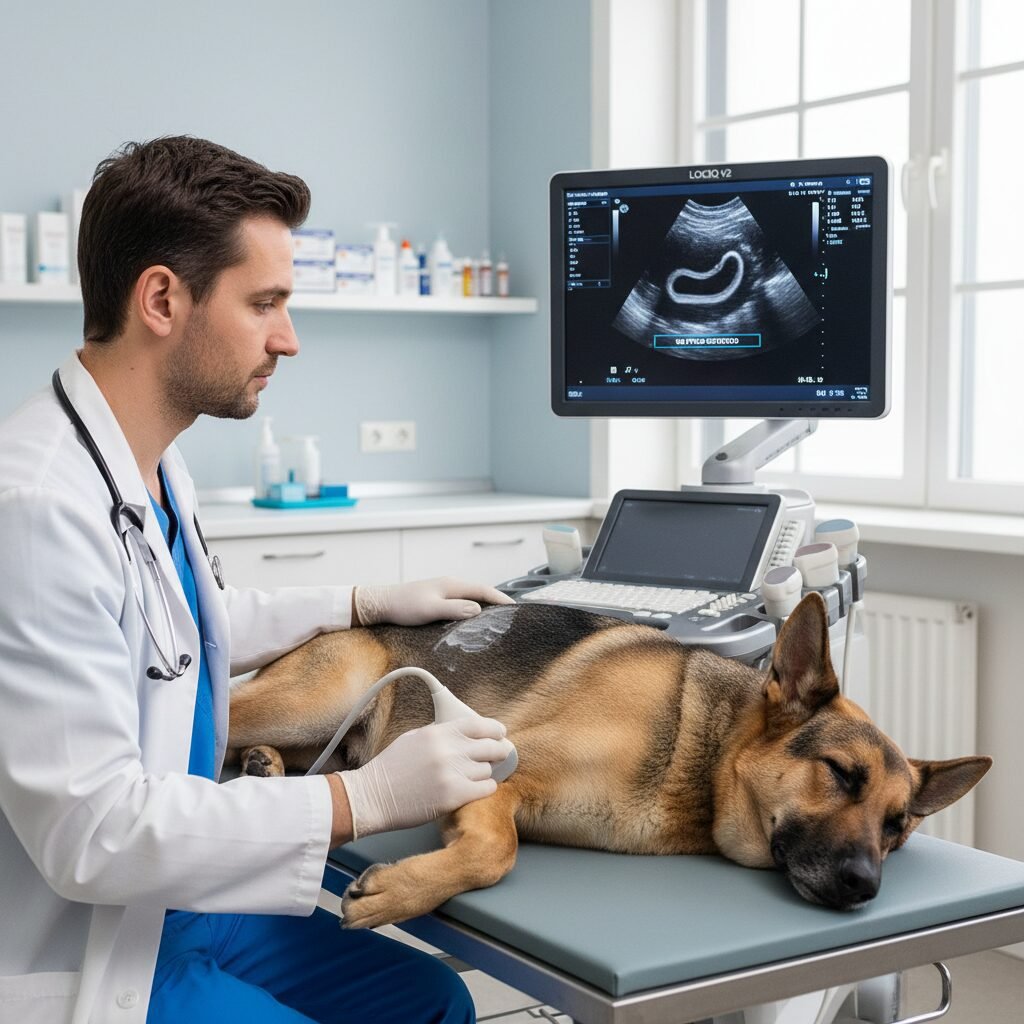
For owners of unspayed female dogs, especially those with any possibility of having been mated, distinguishing between a phantom and a true pregnancy is paramount. While many signs overlap, a veterinarian can provide a definitive diagnosis. Below is a comparative look at the key factors.
| Symptom / Diagnostic Method | Phantom Pregnancy (Pseudocyesis) | True Pregnancy |
|---|---|---|
| Timing of Onset | Symptoms typically appear 6-12 weeks after the last heat cycle (estrus). | Symptoms generally begin to appear around 3-4 weeks post-mating, becoming more obvious later. |
| Presence of Fetuses | No fetuses are present. The uterus is empty. | Developing fetuses are present within the uterus. |
| Veterinary Ultrasound | An ultrasound will show an empty uterus with no signs of developing puppies or fetal heartbeats. | An ultrasound can detect fetal sacs as early as 25 days post-breeding, with heartbeats visible. |
| Relaxin Blood Test | The test will be negative. Relaxin is only produced by the placenta of developing fetuses. | A positive result can confirm pregnancy from around 22-27 days post-breeding. |
| Abdominal Palpation | A veterinarian will not be able to feel any distinct fetal lumps or uterine swelling consistent with puppies. | An experienced veterinarian may be able to palpate individual fetal swellings between days 28-35. |
| X-ray (Radiograph) | Radiographs will show no fetal skeletons. | Fetal skeletons become visible on X-ray around day 45 of gestation and are the most reliable way to count puppies. |
| Resolution of Symptoms | Symptoms typically resolve on their own within 2-4 weeks as hormone levels normalize. | Symptoms culminate in whelping (giving birth) around 63 days post-ovulation. |
Ultimately, the only way to be certain is through veterinary diagnostics. If there is any chance your dog could be pregnant, a veterinary consultation is not just recommended—it is essential for the health and safety of the mother and potential puppies.
Management and Care at Home: Supporting Your Dog

In most cases, a phantom pregnancy is a self-limiting condition that will resolve within a few weeks without medical intervention. The primary goal of home care is to minimize the dog’s distress and discourage the maternal behaviors until her hormones rebalance.
Strategies to Discourage Maternal Instincts
- Remove ‘Babies’: Gently and discreetly remove the toys or objects she has adopted. Do this when she is distracted, such as during a walk or mealtime, to avoid causing her anxiety or triggering protective aggression. Hiding them out of sight is crucial.
- Discourage Nesting: While you should not punish her, try to gently discourage nesting behaviors. If she starts digging in her bed, interrupt the behavior by calling her to you, offering a different activity, or taking her outside.
- Increase Distraction: Engage her mind and body with other activities. Increase the length or frequency of walks, play fetch, or work on training exercises. Mental and physical stimulation can help redirect her focus away from her maternal instincts.
Managing Physical Symptoms
- Do Not Milk the Glands: It is critical that you do not milk or express the mammary glands. While it may seem helpful, stimulation of any kind—including the dog licking them herself—will only encourage more milk production and prolong the symptoms.
- Use an E-Collar or T-shirt: To prevent self-licking and stimulation of the mammary glands, you may need to have your dog wear an Elizabethan collar (E-collar) or a snug-fitting t-shirt. This is especially important for preventing skin irritation and the potential for mastitis (an infection of the mammary glands).
- Cold/Warm Compresses: If the mammary glands appear swollen and uncomfortable, you can apply cool or warm compresses for 10-15 minutes a few times a day to help reduce discomfort. Consult your vet before doing this.
When Professional Veterinary Intervention is Necessary

While most phantom pregnancies resolve on their own, there are situations where a visit to the veterinarian is essential. Professional guidance ensures your dog’s comfort and rules out more serious underlying conditions.
When to Schedule a Veterinary Appointment
- To Rule Out True Pregnancy: As discussed, if there is any possibility your dog was mated, a vet visit for an ultrasound or blood test is non-negotiable for a definitive diagnosis.
- Severe or Prolonged Symptoms: If the behavioral changes are extreme (e.g., significant aggression, debilitating anxiety, complete loss of appetite) or if the physical and behavioral symptoms last longer than four weeks, medical intervention may be needed.
- Signs of Mastitis: Mastitis is a painful bacterial infection of the mammary glands. Seek immediate veterinary attention if you notice the glands are hot, hard, painful to the touch, or if the discharge from the nipples is discolored (yellow, green, or bloody) or has a foul odor.
- To Rule Out Pyometra: Pyometra is a life-threatening uterine infection that can also occur during the diestrus phase and may present with vague signs like lethargy and vaginal discharge. Your veterinarian needs to rule this out, as it is a surgical emergency.
Potential Veterinary Treatments
If symptoms are severe or persistent, your veterinarian may recommend medical treatment to help resolve the phantom pregnancy more quickly. This typically involves medications that inhibit the production of prolactin, the hormone driving the symptoms. Drugs like cabergoline or bromocriptine are effective but can have side effects, so they are prescribed based on a thorough examination and discussion of risks versus benefits.
Long-Term Prevention
The only permanent way to prevent future phantom pregnancies is through spaying (ovariohysterectomy). Spaying removes the ovaries, the source of the hormonal fluctuations that trigger the condition. If you do not plan on breeding your dog, spaying is the most effective long-term solution and also eliminates the risk of pyometra and mammary cancer.
Conclusion
Phantom pregnancy in dogs is a fascinating yet often stressful condition for pet owners to navigate. It is a testament to the powerful influence of hormones on a dog’s body and behavior. By understanding that pseudocyesis is a normal physiological process, not a deliberate act of ‘faking it,’ you can approach the situation with empathy and patience. The key to management is careful observation, gentle discouragement of maternal behaviors, and preventing mammary stimulation. Most importantly, always consult your veterinarian to confirm the diagnosis, rule out a true pregnancy or other serious health issues like pyometra, and discuss the best course of action. For long-term prevention, spaying remains the most definitive and health-conscious choice for non-breeding dogs, ensuring their well-being for years to come.