Sensory Issues? Why Your Dog Hates Wet Grass on Their Paws
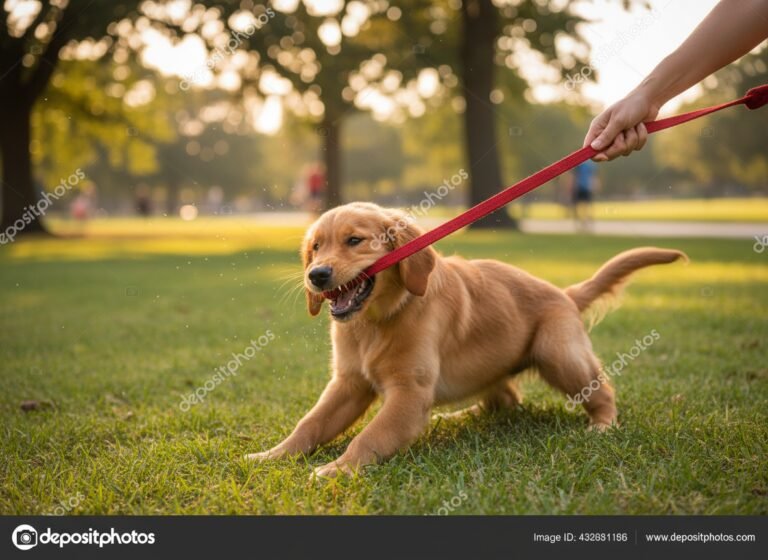
As a pet owner, you are likely attuned to your dog’s unique quirks and behaviors. Yet, few things are as perplexing as a dog who steadfastly refuses to step onto wet grass. What might seem like a simple diva-like antic is often a complex communication of discomfort. This refusal—the planting of paws, the pulling back on the leash, the look of genuine distress—is a puzzle that can frustrate owners, especially during morning potty breaks after a rain shower. Is it a mere preference, or is something more significant at play?
This behavior is more than just an inconvenience; it is a window into your dog’s sensory world and physical well-being. The aversion to wet grass can stem from a wide spectrum of causes, ranging from the intricate sensitivity of their paws to learned behavioral patterns, and in some cases, to undisclosed medical issues causing pain. Understanding the root cause is the first critical step toward finding a compassionate and effective solution.
In this comprehensive guide, we will delve into the anatomy of your dog’s paws, explore the behavioral and sensory reasons behind their reluctance, identify potential medical red flags, and provide actionable management and training techniques. Our goal is to empower you with the knowledge to move from frustration to understanding, strengthening the bond you share with your canine companion.
The Intricate World of a Dog’s Paws
The Intricate World of a Dog’s Paws
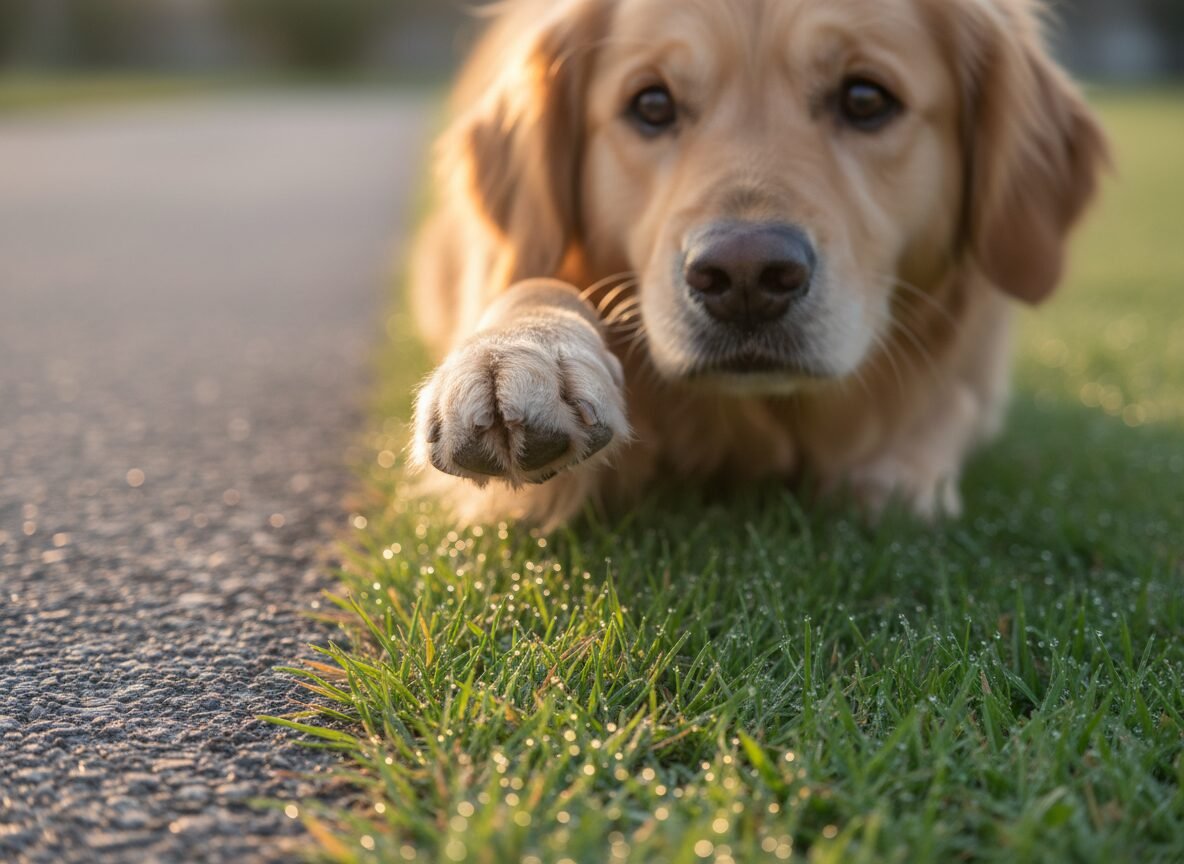
To understand why a dog might reject the feeling of wet grass, we must first appreciate the remarkable complexity of their paws. Far from being simple foot coverings, paw pads are sophisticated structures engineered for traction, shock absorption, and sensory input. They are a dog’s primary interface with the world, packed with nerve endings that make them incredibly sensitive to texture, pressure, and temperature.
Anatomy of Sensation
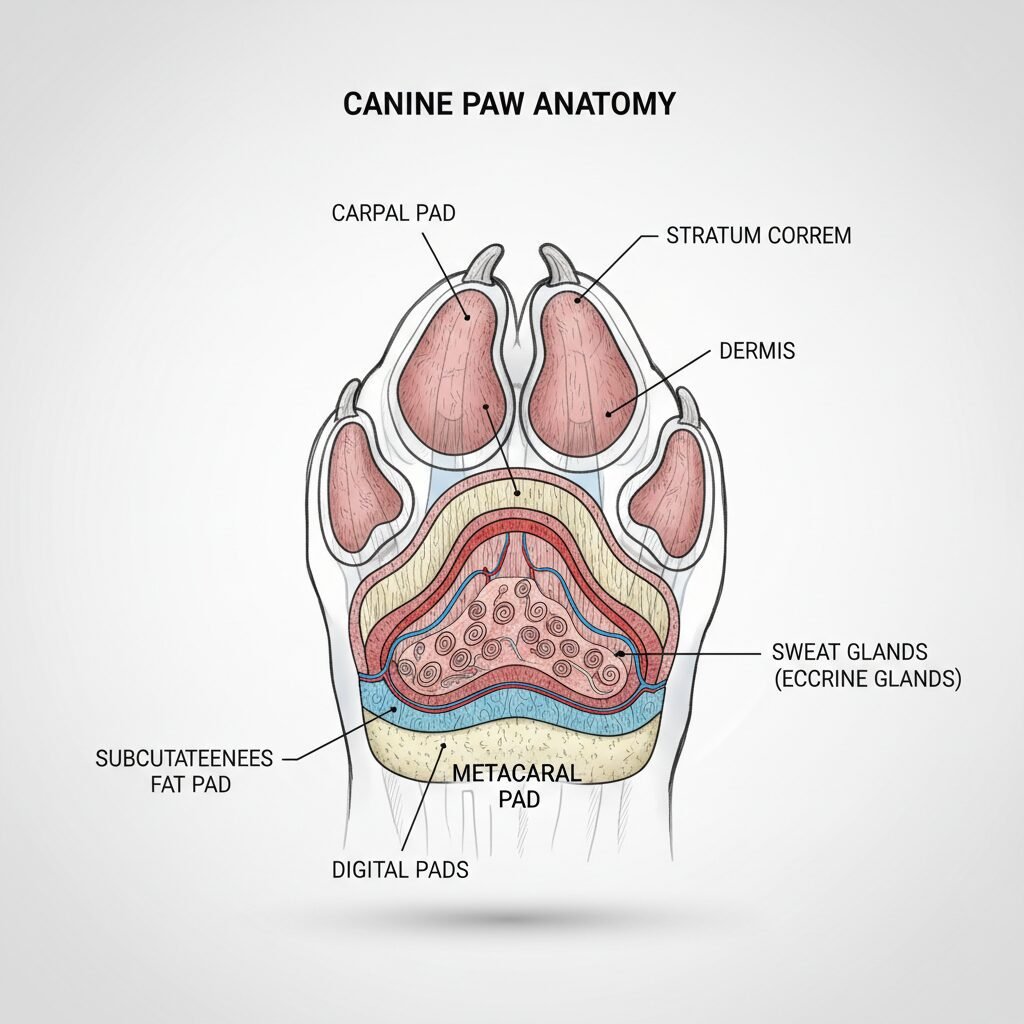
A dog’s paw is composed of several pads: the large metacarpal (front) or metatarsal (rear) pad, and the smaller digital pads at the end of each toe. These pads are made of a thick, pigmented skin covering a layer of adipose (fatty) tissue, which acts as a cushion.
- Epidermis: The outermost layer is tough and designed to withstand rough terrain. However, it is also rich in nerve receptors, making it highly receptive to sensory information.
- Adipose Tissue: The fatty tissue underneath provides insulation from extreme temperatures—both hot and cold. This is why a dog can often tolerate snow better than we might expect, but it doesn’t make them immune to discomfort from cold, damp surfaces.
- Sweat Glands: Dogs have eccrine sweat glands in their paw pads. While they play a minor role in cooling, they do introduce moisture, which can affect how external moisture is perceived. This also means their paws can leave behind a scent trail, a crucial part of canine communication.
This intricate network of nerves makes the paws an essential tool for gathering information. A dog can feel the slightest vibration in the ground and discern subtle changes in texture. When this highly sensitive area encounters the unique combination of cold, moisture, and the tickling sensation of grass blades, it can be an overwhelming or unpleasant experience for some individuals.
The sensitivity that allows a dog to navigate challenging terrain is the same sensitivity that can make the feeling of cold, wet grass an uncomfortable or even distressing sensory experience.
Behavioral vs. Sensory: Unpacking the Aversion
Behavioral vs. Sensory: Unpacking the Aversion
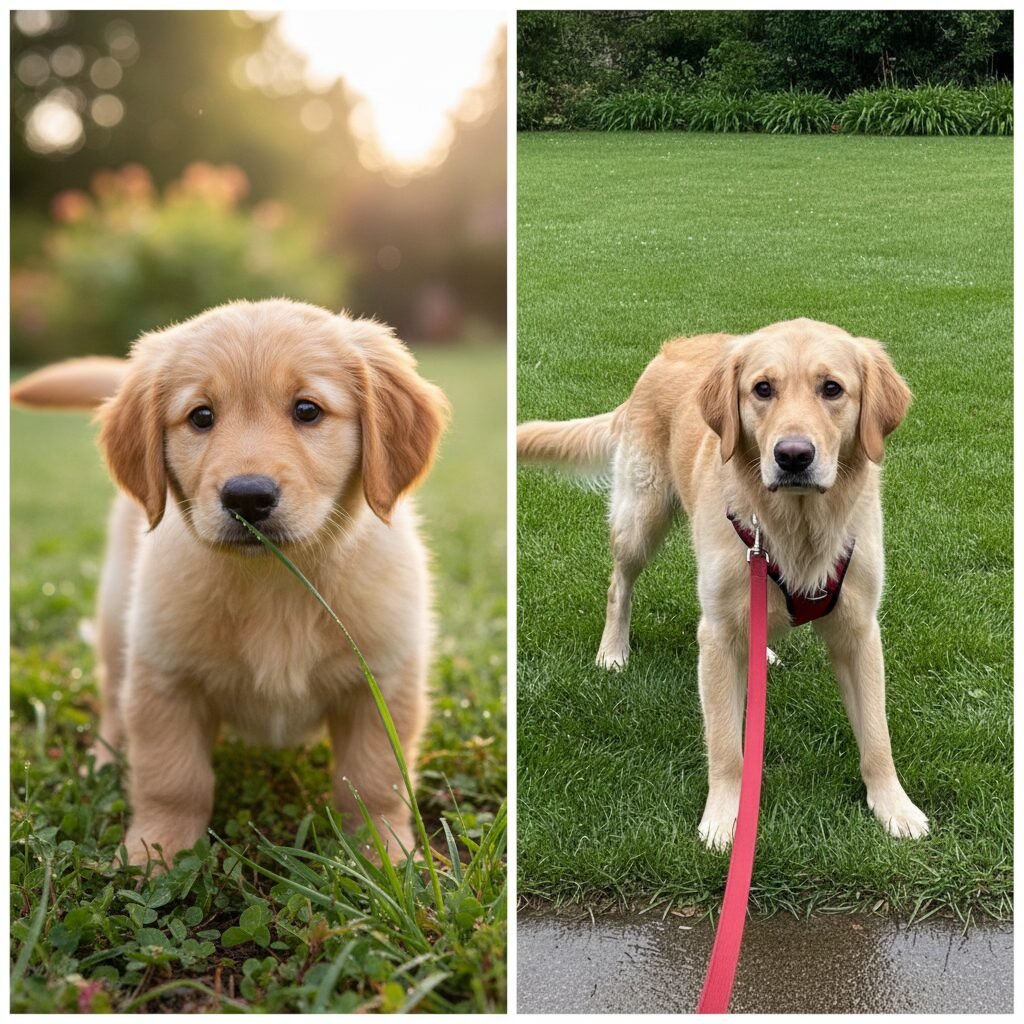
A dog’s refusal to walk on wet grass rarely stems from a single cause. It is typically a blend of their innate sensory processing, personality, and life experiences. Distinguishing between a learned behavior, a personality trait, and a genuine sensory issue is key to addressing it effectively.
Learned Negative Associations
Dogs are highly associative learners. A single negative event connected with wet grass can create a lasting aversion. Consider these possibilities:
- A Frightening Experience: A loud clap of thunder, a startling noise from a neighbor’s yard, or even the scary sound of a sprinkler system activating while your dog was on the lawn can create a powerful negative association. The dog learns that wet grass equals fear.
- A Painful Slip: Wet grass can be slippery. A dog that has previously slipped, fallen, and perhaps injured itself may become fearful of repeating the experience.
- Unpleasant Scents: A dog’s sense of smell is thousands of times more powerful than a human’s. Fertilizers, pesticides, or the scent of other animals that are more prominent on a wet lawn could be offensive to your dog.
Grooming Preferences and Lack of Exposure
Just like people, some dogs are more fastidious than others. Many dogs dislike the feeling of being wet or dirty, and the sensation of mud squishing between their toes is simply unpleasant for them. This can be more common in long-haired breeds where mud and moisture can lead to uncomfortable matting.
Furthermore, a lack of early socialization to different surfaces can play a significant role. A puppy raised primarily indoors or only on concrete surfaces may not have been exposed to wet grass during their critical socialization period (3 to 16 weeks of age). As an adult, this unfamiliar texture can be perceived as strange and potentially unsafe.
True Sensory Sensitivity
For some dogs, the issue is less about a specific event and more about how their nervous system processes the sensation. This is akin to a human who cannot stand the feeling of a wool sweater or the sound of nails on a chalkboard. The combination of cold temperature, the moisture, and the individual blades of grass touching the sensitive skin between their toes can create a sensory overload. This isn’t a choice or a ‘bad behavior’; it is a genuine, involuntary reaction to an overwhelming stimulus. These dogs may also show sensitivities to other textures or sounds in their environment.
When It’s More Than a Quirk: Underlying Medical Concerns
When It’s More Than a Quirk: Underlying Medical Concerns
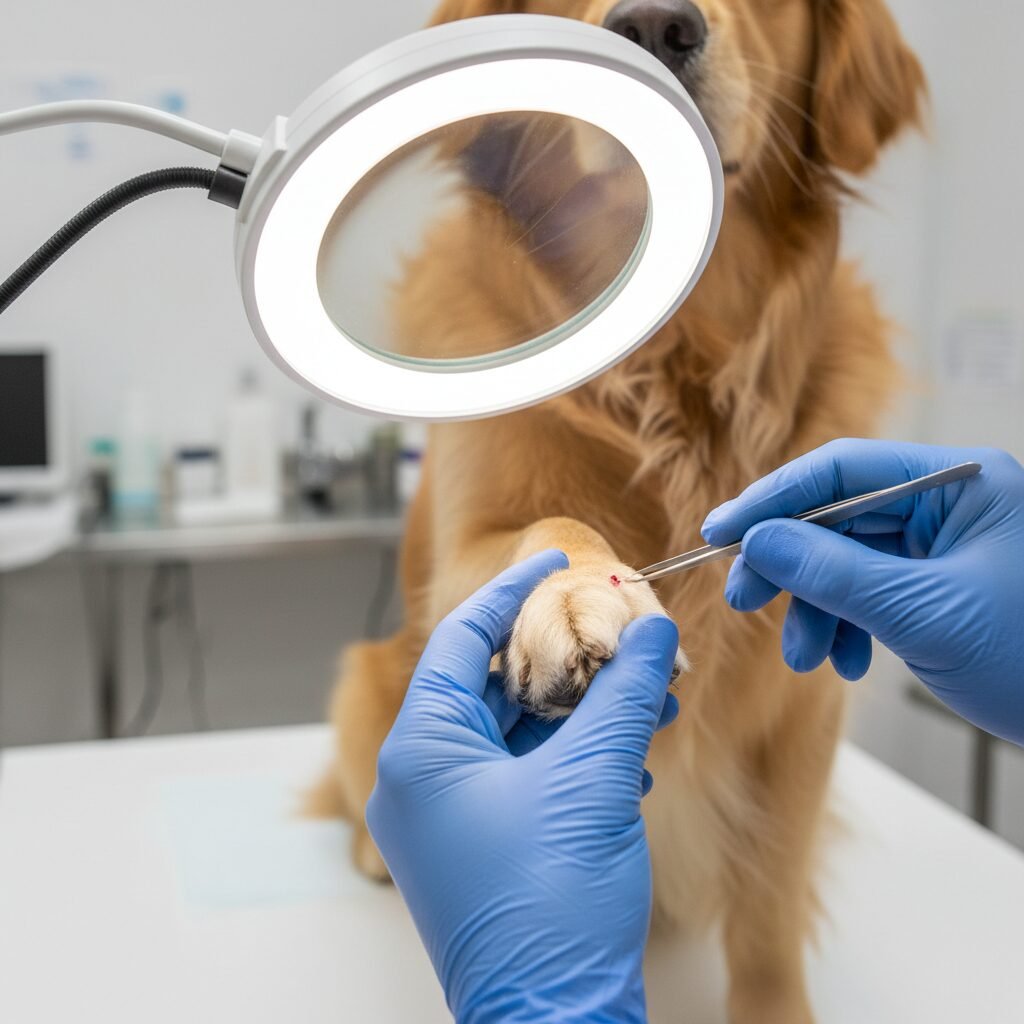
Before beginning any behavioral modification, it is imperative to rule out underlying medical conditions. A sudden change in behavior, such as a new refusal to walk on a previously acceptable surface, is a significant red flag that warrants a veterinary consultation. Pain is a powerful motivator, and your dog may be associating wet grass with discomfort.
Common Medical Culprits
- Paw Injuries: The most obvious cause is an injury to the paw itself. A small cut, a puncture from a thorn, a cracked pad, or a broken nail can be intensely painful when exposed to the cold and dampness of wet grass. Foreign bodies like burrs or grass seeds can also become lodged between the toes.
- Interdigital Dermatitis or Cysts: Inflammation and infections in the delicate skin between the toes are common. Conditions like bacterial or yeast infections can make the area raw and sensitive. Moisture can exacerbate the irritation, causing a stinging or burning sensation.
- Allergies: Many dogs suffer from environmental allergies (atopy). Contact with specific grasses, pollens, molds, or lawn chemicals can trigger an allergic reaction, leading to intense itching, redness, and inflammation of the paws. The dog quickly learns that walking on the source of their discomfort (the grass) is a bad idea.
- Arthritis and Joint Pain: For senior dogs or those with orthopedic conditions like hip dysplasia, cold and damp weather can cause joints to become stiff and painful. Walking on a soft, uneven surface like a lawn can be more challenging than a flat, hard surface, and the cold from the wet ground can worsen their aches.
When to See a Veterinarian
If you observe any of the following signs in addition to the grass aversion, schedule a veterinary appointment immediately:
- Limping or favoring one paw
- Excessive licking or chewing of the paws
- Redness, swelling, or discharge between the toes or on the pads
- A sudden onset of the behavior, especially in an older dog
- Reluctance to walk on other surfaces as well
A thorough veterinary examination is the most critical first step. Attempting to train a dog that is in pain will not only be ineffective but can also damage your dog’s trust and worsen their condition.
Practical Solutions: Building Confidence on Damp Ground
Practical Solutions: Building Confidence on Damp Ground
Once medical issues have been ruled out by a veterinarian, you can begin to address the behavioral or sensory aspects of the aversion. The goal is to change your dog’s emotional response from fear or discomfort to neutrality or even positivity. This requires patience, consistency, and a focus on positive reinforcement.
Desensitization and Counter-Conditioning (DSCC)
DSCC is a powerful, humane training technique used to change a dog’s associations with a specific trigger. The process is gradual and should never involve forcing the dog into a situation that scares them.
- Start Indoors: Begin by getting your dog comfortable with wet paws in a safe environment. Place a towel on the floor, dampen it slightly with a spray bottle, and encourage your dog to step on it. Reward any interaction—sniffing, touching, or stepping on it—with high-value treats and praise.
- Move to the Threshold: Once comfortable with the damp towel, place it just outside the door on a dry surface like a patio or sidewalk. Repeat the process.
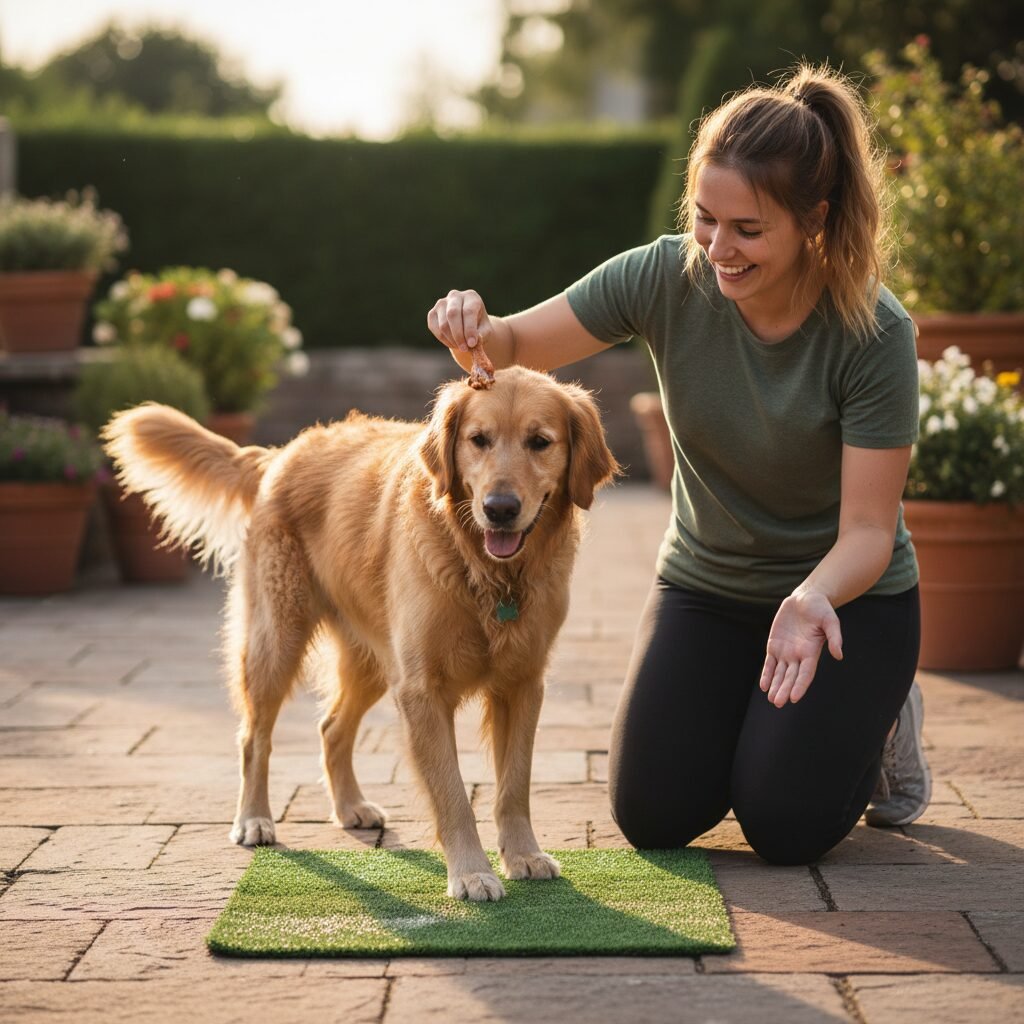
- Introduce a Small Patch: Bring a small piece of sod or use a small artificial grass mat. Dampen it and place it on the dry surface near the door. Reward your dog for looking at it, sniffing it, and eventually stepping on it.
- Increase the Challenge: Gradually increase the size of the wet grass patch or move the training sessions to the very edge of the lawn. Keep sessions short (1-2 minutes) and always end on a positive note. If your dog shows signs of stress (lip licking, yawning, turning away), you have moved too fast. Go back to the previous step where they were successful.
Management and Alternative Options
While you are working on training, you need practical ways to manage potty breaks. Forcing a confrontation will only set your training back.
- Create a Safe Zone: Designate a small, alternative potty area. This could be a patch of gravel, sand, or mulch in a sheltered area of your yard. Many dogs find these textures more agreeable when wet.
- Use a Covered Area: If you have a covered patio or deck, this can be a temporary potty spot during heavy rain.
- The Towel Trick: For some dogs, simply laying down a large towel or a piece of astroturf on a small section of wet grass is enough to make them feel secure.
Protective Gear: A Barrier of Comfort
Paw protection can be an excellent tool, both for management and as part of the training process. They create a physical barrier that can make the sensation of wet grass tolerable.
| Protective Gear | Pros | Cons |
|---|---|---|
| Dog Booties | Offer full protection from moisture, cold, allergens, and sharp objects. Reusable and durable. | Many dogs require a gradual introduction to get used to wearing them. Can be difficult to find a perfect fit. |
| Paw Wax | Creates a semi-permeable barrier that protects from irritants and cold. Easier for dogs to accept than booties as it feels more natural. | Less effective against heavy moisture. Needs to be reapplied before each walk and cleaned off afterward. |
Conclusion
Your dog’s aversion to wet grass is not a sign of defiance, but a valid piece of communication that deserves your attention and empathy. As we have explored, the reasons can be as simple as a textural preference or as complex as a painful medical condition. By systematically observing your dog’s behavior, consulting with your veterinarian to rule out physical ailments, and implementing patient, positive reinforcement techniques, you can transform a daily point of conflict into an opportunity for trust-building.
Remember that progress may not be linear. There will be good days and bad days, especially when dealing with deeply ingrained fears or sensitivities. The key is to remain a patient advocate for your dog’s comfort. Whether the solution lies in a new potty area, a pair of dog booties, or a gradual desensitization program, your willingness to understand and accommodate their needs is what truly matters. By addressing the root of the problem, you not only solve the immediate issue of potty breaks but also reinforce the fundamental message to your dog: that you are their safe harbor, in rain or shine.