Is Your Dog Terrified of Glass Doors? The Simple Trick That Fixes It Fast
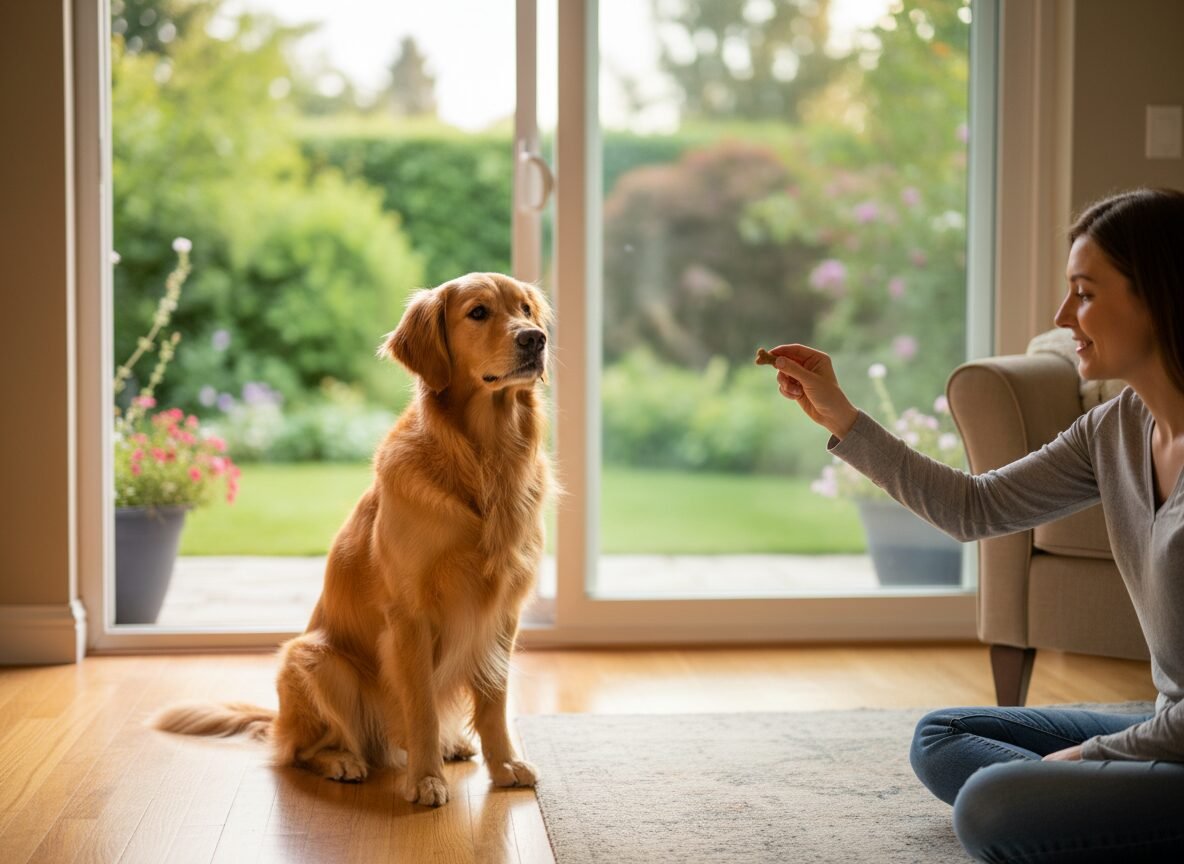
It can be both baffling and distressing to watch your canine companion, who fearlessly chases squirrels and greets strangers with enthusiasm, suddenly freeze in terror at the sight of a simple glass door. This seemingly irrational fear is more common than many pet owners realize and stems from a variety of complex canine perceptions. As a canine specialist, I have guided countless owners through this exact issue, and the good news is that it is highly correctable with patience and the right approach. Your dog isn’t being stubborn or silly; they are experiencing genuine anxiety based on how they interpret the world.
The transparency, reflections, and sounds associated with glass doors can be deeply unsettling for a dog’s senses. They may not understand the concept of a solid, invisible barrier, leading to confusion and fear, especially if they have had a startling experience, such as running into the glass in the past. This article will serve as your comprehensive guide to resolving this fear. We will first delve into the psychology behind why your dog is terrified, providing you with the crucial understanding needed to approach the problem with empathy. Following that, we will outline a simple, yet profoundly effective, step-by-step trick rooted in the principles of desensitization and counter-conditioning. This is not about forcing your dog to confront their fear, but about methodically changing their emotional response from one of terror to one of calm confidence. By following this professional advice, you can restore peace to your home and help your dog navigate their environment without anxiety.
Understanding the Root Cause: Why Glass Doors Spook Your Dog
Understanding the Root Cause: Why Glass Doors Spook Your Dog
Before we can implement a solution, it is imperative to understand the problem from your dog’s perspective. A dog’s perception of the world is vastly different from our own, and glass doors present a unique sensory challenge. Identifying the likely cause of the fear will enable you to tailor your training for maximum effectiveness.
The Invisible Barrier Problem
The most common reason for this fear is the very nature of glass, it’s a solid object that is nearly invisible. Dogs, especially puppies, often learn about their physical world through trial and error. A painful or surprising collision with a glass door can create a lasting negative association. This single event is often enough to instill a deep-seated fear, where the dog no longer trusts its own perception of the space around the door. They see a clear path but have learned that an invisible, punishing force exists there.
Disturbing Reflections and Movements
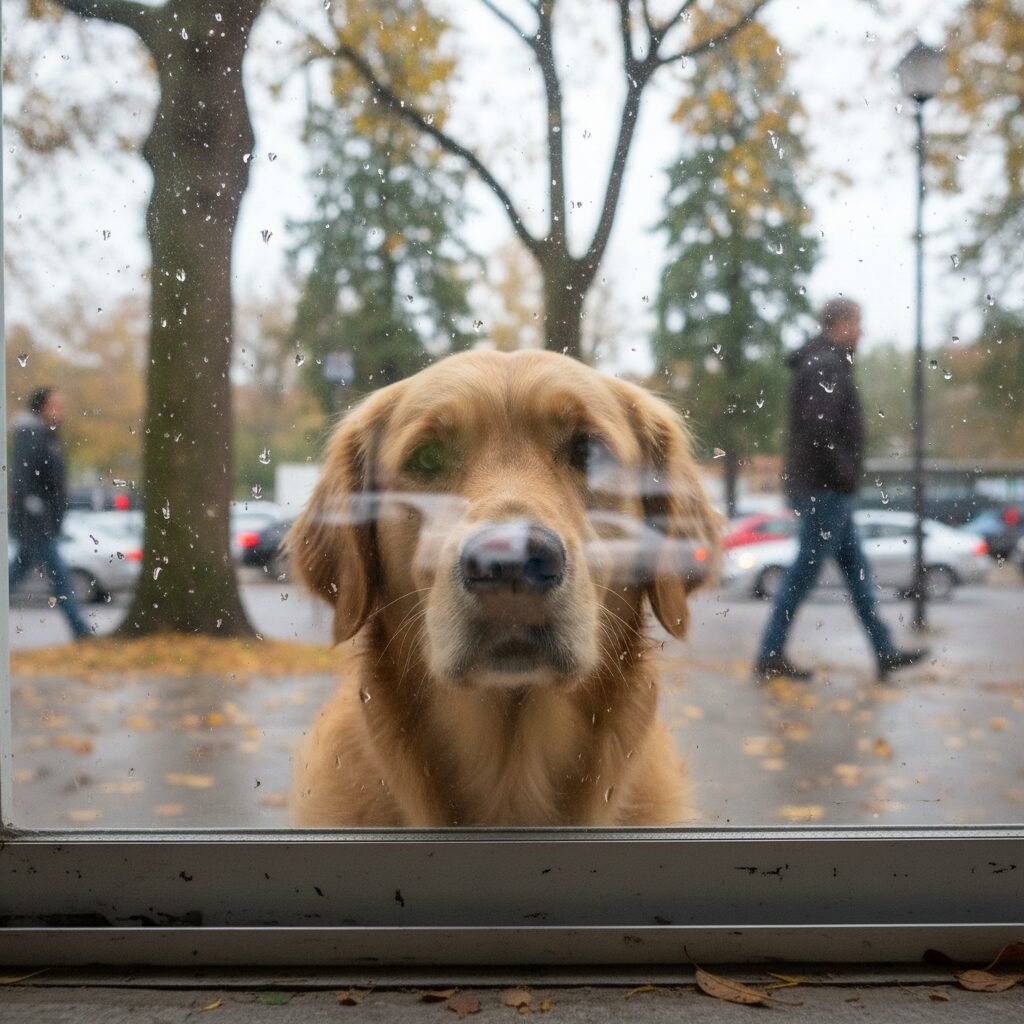
Glass surfaces are highly reflective. To a dog, the reflection of themselves, other pets, or people in the home can be perceived as a strange, silent dog or person approaching them. This can trigger territorial or fearful responses. The sudden appearance of this ‘other dog’ that mimics their every move without scent or sound can be incredibly unnerving. Furthermore, reflections of movement from inside or outside the house—such as flashing lights, swaying trees, or passing cars—can seem to appear out of nowhere, startling your dog and reinforcing the idea that the glass door area is unpredictable and unsafe.
Unsettling Sounds
Glass doors, particularly large sliding ones, are not silent. The sound of the door sliding in its track, the rattle from wind, or the sharp tap of rain against the pane can be triggers for anxiety. These sounds may be too high-pitched or jarring for a dog’s sensitive hearing. If a loud, startling noise occurred while your dog was near the door (like a clap of thunder or a dropped pan), they can easily associate that terrifying sound with the door itself, a phenomenon known as single-event learning.
Static Shock Sensation
In dry climates or during winter months, walking near large glass panels can sometimes generate a small static shock. A dog, with its sensitive nose and paws, may get a tiny, surprising zap when approaching the door. While harmless, this unpleasant sensation is completely inexplicable to them and can quickly create a fear of getting close to the source.
Expert Tip: Observe your dog’s body language carefully when they are near the door. Are they looking at their reflection? Are they reacting to a specific sound? Pinpointing the trigger is the first step toward building a targeted and effective training plan.
Preparation and Tools for a Successful Training Session
Preparation and Tools for a Successful Training Session
Effective behavior modification relies on careful preparation. Rushing into a training session without the right tools and environment can be counterproductive, potentially reinforcing your dog’s fear. The goal is to create a controlled, positive, and predictable setting where your dog can learn new, pleasant associations with the glass door.
Essential Training Tools
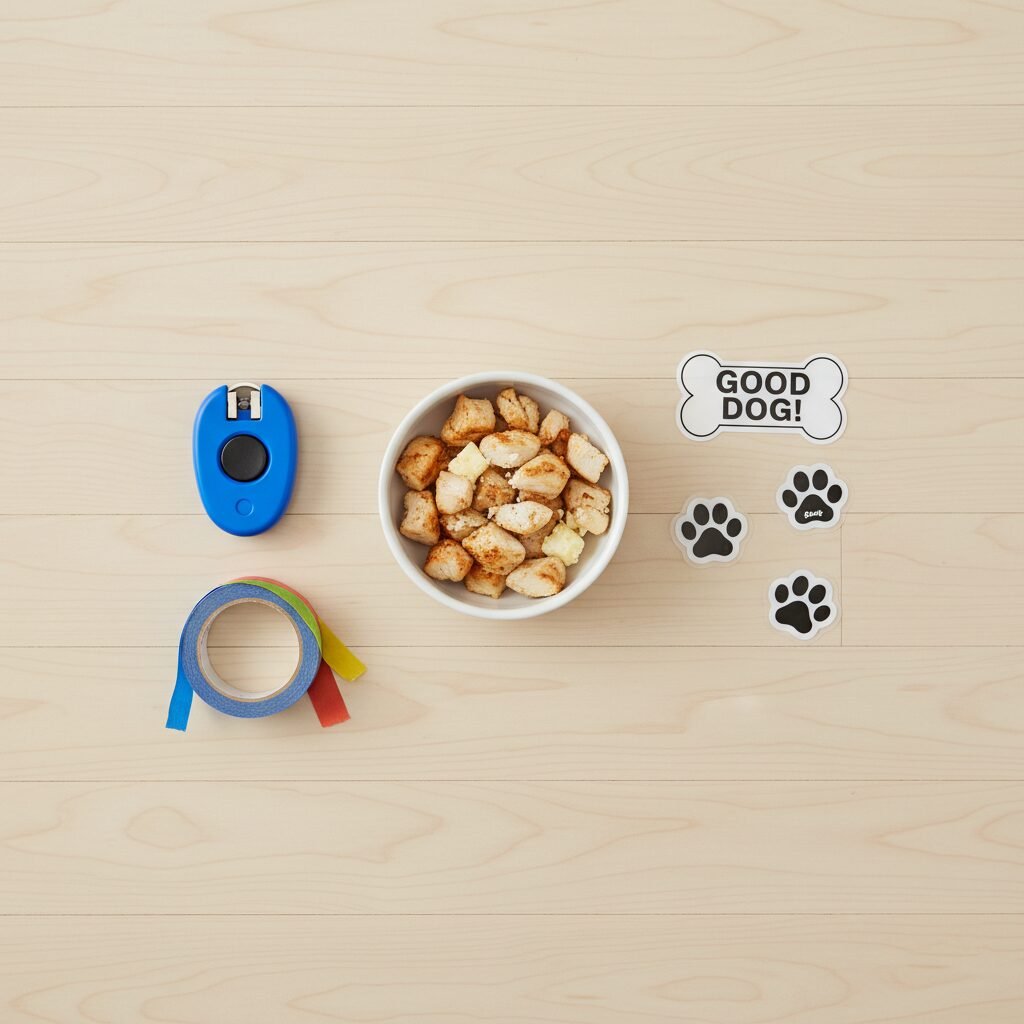
Gather these items before you begin. Having them ready will allow the sessions to flow smoothly without interruption.
- High-Value Treats: These are not your dog’s everyday kibble. High-value treats are exceptionally motivating and delicious morsels your dog rarely gets. Think small pieces of cooked chicken, cheese, freeze-dried liver, or commercial soft training treats. The treat must be desirable enough to outweigh your dog’s anxiety.
- Window Decals or Tape: A key part of the initial process is making the invisible barrier visible. Static-cling window decals, frosted window film, or even simple painter’s tape can be applied to the glass at your dog’s eye level. This provides a clear visual cue that something is there, which can immediately reduce anxiety.
- Clicker (Optional but Recommended): A clicker is a powerful tool for marking the exact moment your dog performs the desired behavior. The ‘click’ provides clear, instantaneous feedback, which is then followed by a treat. If you are not familiar with clicker training, you can use a consistent verbal marker like a sharp “Yes!”.
- A Comfortable Mat or Bed: Place a familiar and comfortable dog bed or mat at a distance from the door where your dog feels completely safe. This will serve as their ‘home base’ during training sessions.
Creating the Right Environment
The training environment is just as important as the tools you use. Follow these steps to set the stage for success:
- Choose a Quiet Time: Conduct training when the house is calm and there are minimal distractions. Avoid times when family members are coming and going, or when there is a lot of activity outside the glass door.
- Ensure Your Dog is Receptive: Do not attempt a training session when your dog is overly tired, hyperactive, or has just eaten a full meal. A session before mealtime when they are slightly hungry can increase food motivation.
- Manage the Door: For the initial sessions, ensure the door is stationary. If it’s a sliding door, make sure it is fully closed and will not be opened during the training period. The goal is to first address the fear of the static glass panel before introducing the complexity of its movement and sound.
The Simple Trick: A Step-by-Step Desensitization Plan
The Simple Trick: A Step-by-Step Desensitization Plan
This method is built on two core principles of modern animal behavior science: desensitization (gradually exposing the dog to the scary thing at a level that doesn’t produce fear) and counter-conditioning (changing the dog’s fearful emotional response to a happy, positive one). The trick is to progress at your dog’s pace, never forcing them past their comfort zone. Patience is paramount.
Step 1: Make the Barrier Visible
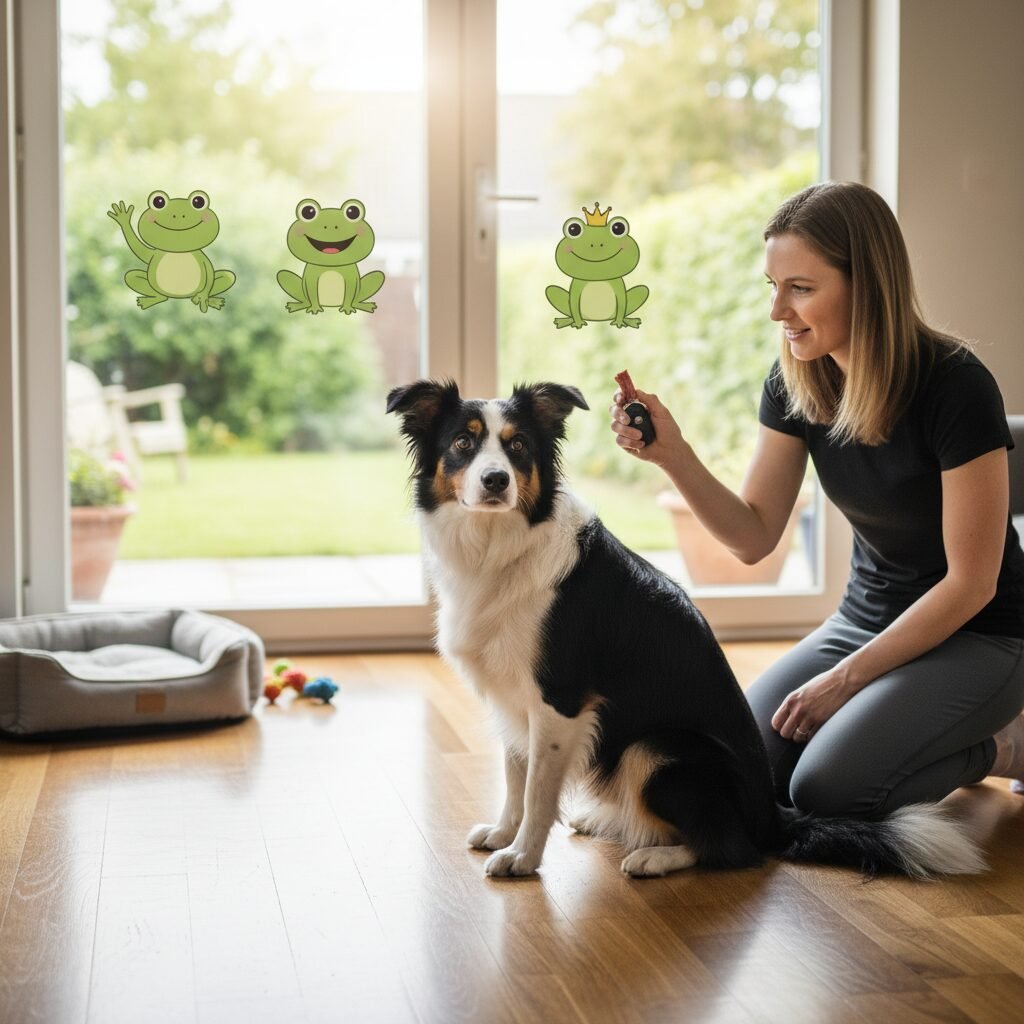
Before you begin any training, apply your window decals or painter’s tape to the glass door at your dog’s eye level. Space them out across the door. This simple act immediately helps your dog understand that there is a solid surface there, which can reduce the core anxiety about the invisible barrier.
Step 2: Establish the ‘Safe Zone’
Place your dog’s bed or mat at a distance from the door where they show zero signs of anxiety (no lip licking, yawning, or tense posture). This might be 20 feet away or even in an adjacent room with a sightline to the door. This is your starting point. Spend a few minutes rewarding your dog with treats just for being calm on their mat.
Step 3: The ‘Look at That’ Game
Sit with your dog in the safe zone. The moment your dog happens to glance in the direction of the glass door, click (or say “Yes!”) and immediately give them a high-value treat. Do not ask them to look; wait for them to do it on their own. The goal is to teach them: Looking at that door makes amazing things happen! Repeat this 5-10 times, then end the session on a positive note.
Step 4: Gradually Decrease the Distance
Over several sessions and days, once your dog is comfortably and eagerly looking at the door from the starting distance, move the mat one or two feet closer. Repeat Step 3 from this new distance. If at any point your dog shows signs of stress, you have moved too fast. Simply move the mat back to the last successful distance and work there a bit longer before trying to advance again.
Crucial Rule: Always work ‘sub-threshold,’ meaning at a level of intensity (in this case, proximity) where your dog is not exhibiting fear. Fear inhibits learning.
Step 5: Rewarding Interaction
Once you can get within a few feet of the door without your dog showing anxiety, you can change the game. Toss a treat on the floor near the door. If your dog is brave enough to get it, praise them enthusiastically. Start with tosses that are very easy for them to reach and gradually toss them closer and closer to the door itself. Eventually, you can place a treat right at the base of the door.
Step 6: Introducing Sound and Movement (Advanced)
Only attempt this step when your dog is completely comfortable being near the closed, static door.
- Start by touching the door handle lightly. Click and treat.
- Jiggle the handle slightly. Click and treat.
- Slide the door open just one inch, making a tiny sound. Click and treat.
- Gradually increase how far you open the door, always clicking and treating for any calm behavior.
This breaks down the scary process of the door opening into tiny, manageable, and highly rewarding steps.
Troubleshooting Common Issues and Avoiding Mistakes
Troubleshooting Common Issues and Avoiding Mistakes
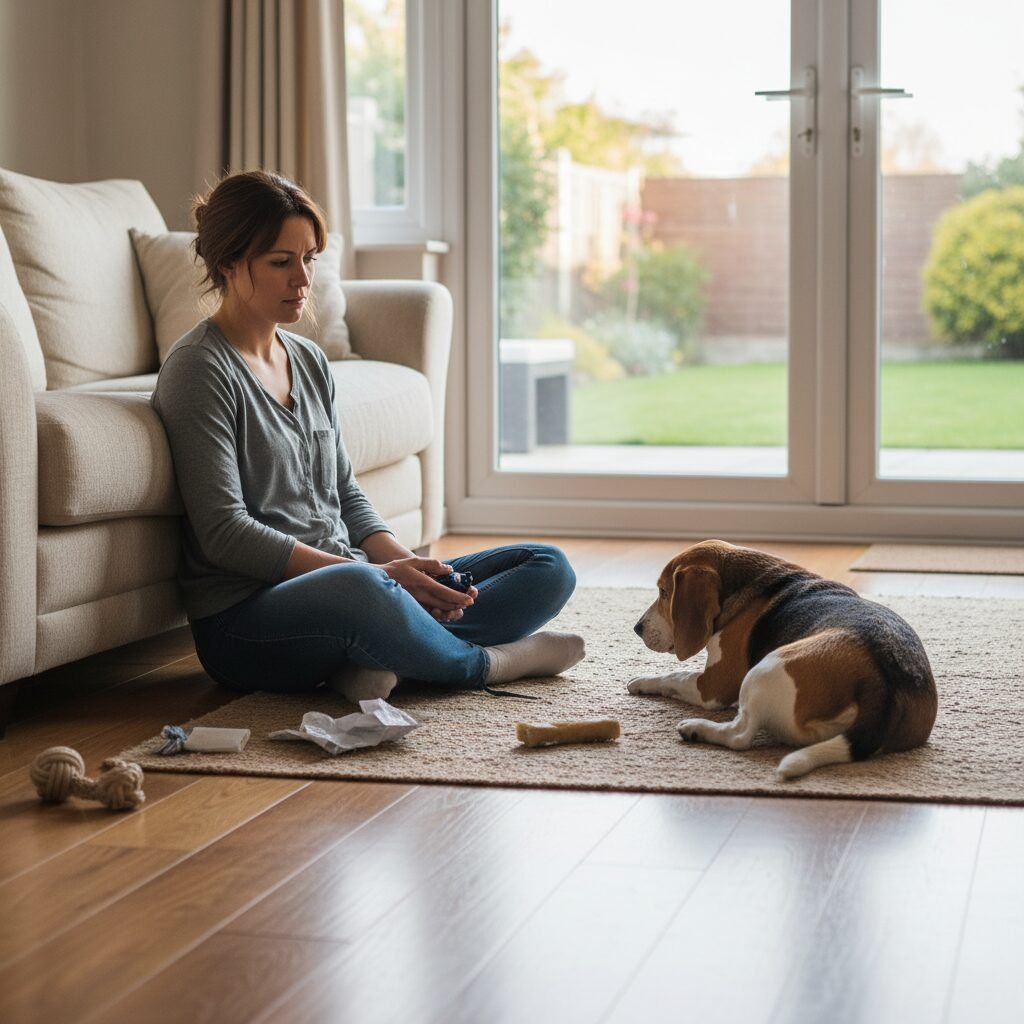
Even with the best plan, you may encounter setbacks. Understanding common mistakes and knowing how to troubleshoot them is key to long-term success. The journey to building your dog’s confidence is rarely a straight line; be prepared for ups and downs.
Common Training Mistakes to Avoid
Steering clear of these pitfalls will prevent you from accidentally reinforcing your dog’s fear.
- Going Too Fast: This is the single most common mistake. Owners get excited by initial progress and push the dog too far, too soon. This can result in a significant regression. If your dog gets scared, you’ve moved too fast. Go back to the previous step where they were successful and work there longer.
- Using Reassurance Incorrectly: While it’s natural to want to comfort your dog with petting and phrases like “It’s okay,” this can be interpreted as praise for being scared. Instead of coddling, project calm confidence. Your calm demeanor tells your dog there is nothing to fear.
- Forcing the Interaction: Never drag, push, or lure your dog towards the door against their will. This is called ‘flooding’ and it is an outdated and cruel technique that will only intensify the phobia and damage the trust your dog has in you. All interactions must be your dog’s choice.
- Having Marathon Sessions: Keep training sessions short and sweet—no more than 5-10 minutes, once or twice a day. Ending on a positive, successful repetition is far more effective than pushing a tired or stressed dog to their limit.
What to Do If Your Dog Regresses
Regression is a normal part of behavior modification. A loud noise, a bird flying into the glass, or an unknown trigger can cause a setback. Don’t panic. If your dog suddenly becomes fearful again, simply take a break from training for a day or two. When you resume, start from a much earlier step in the process—perhaps even from the very beginning—where they feel 100% safe. You will likely progress back through the steps much more quickly the second time, but it’s crucial to rebuild that foundation of safety.
When the Fear is Extreme: Static vs. Motion
Some dogs are perfectly fine with the glass itself but are terrified by the sound and motion of a sliding door. In this case, you can focus your training exclusively on Step 6 of our plan. Record the sound of the door opening and play it back at a very low volume while feeding your dog a special meal. Gradually increase the volume over many days. This desensitizes them to the trigger sound in a controlled manner before you even begin to move the actual door.
Long-Term Management and When to Consult a Professional
Long-Term Management and When to Consult a Professional
Successfully helping your dog overcome their fear of glass doors is a significant accomplishment. However, maintaining that confidence and knowing when a problem requires professional intervention are crucial for your dog’s ongoing well-being.
Maintaining a Positive Association
Once your dog is comfortable, don’t stop reinforcing their confidence. Periodically, walk over to the glass door and scatter a few treats on the floor. Open and close the door and then offer a favorite toy for a game of tug. The goal is to integrate the glass door into everyday positive experiences, not just during formal training sessions. Continue to use visual cues like decals, especially on very bright or clean-glass days, to prevent future accidental collisions.
When to Seek Professional Help
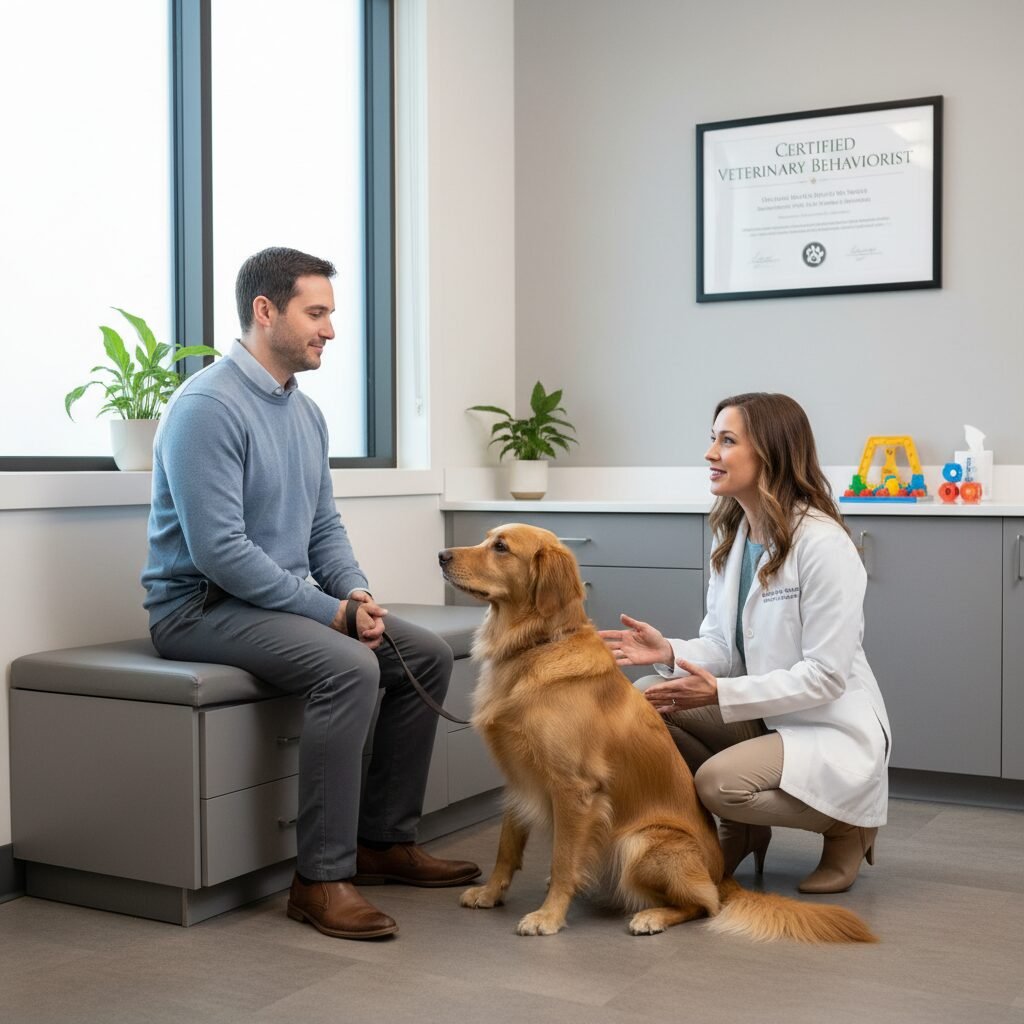
While the methods described in this article are highly effective for most cases of mild to moderate fear, some situations warrant the guidance of a certified professional. You should consider seeking help if:
- There is No Progress: If you have been consistently following the steps for several weeks with no discernible improvement.
- The Fear is Severe: If your dog’s fear involves extreme panic, such as frantic scrambling, uncontrollable trembling, loss of bladder/bowel control, or aggression when prompted to go near the door.
- The Fear is Generalized: If the fear of the glass door is spreading to other objects or areas of the house, such as windows, mirrors, or even shiny floors. This could indicate a more pervasive anxiety disorder.
Look for a Certified Applied Animal Behaviorist (CAAB), a board-certified veterinary behaviorist (DACVB), or a Certified Professional Dog Trainer (CPDT-KA/KSA) with specific experience in anxiety and phobias. These professionals can create a customized behavior modification plan and, in the case of a veterinary behaviorist, may prescribe anti-anxiety medication to facilitate training and improve your dog’s quality of life.
Conclusion
Helping your dog overcome a fear of glass doors is a journey of patience, empathy, and consistent positive reinforcement. By understanding the world from their perspective—a world of confusing reflections, invisible barriers, and startling sounds—you can appreciate that their fear is very real. The step-by-step desensitization and counter-conditioning plan detailed here is a powerful and humane method to systematically change your dog’s emotional response. Remember to always work at your dog’s pace, keep sessions short and positive, and never use force or punishment. Every small step forward is a victory that builds a stronger, more trusting bond between you and your canine companion. With these tools, you can transform the glass door from an object of terror into just another boring part of the house, opening up your dog’s world with confidence.