Power Breeds 101: Essential Training Tips for Strong-Willed Dogs
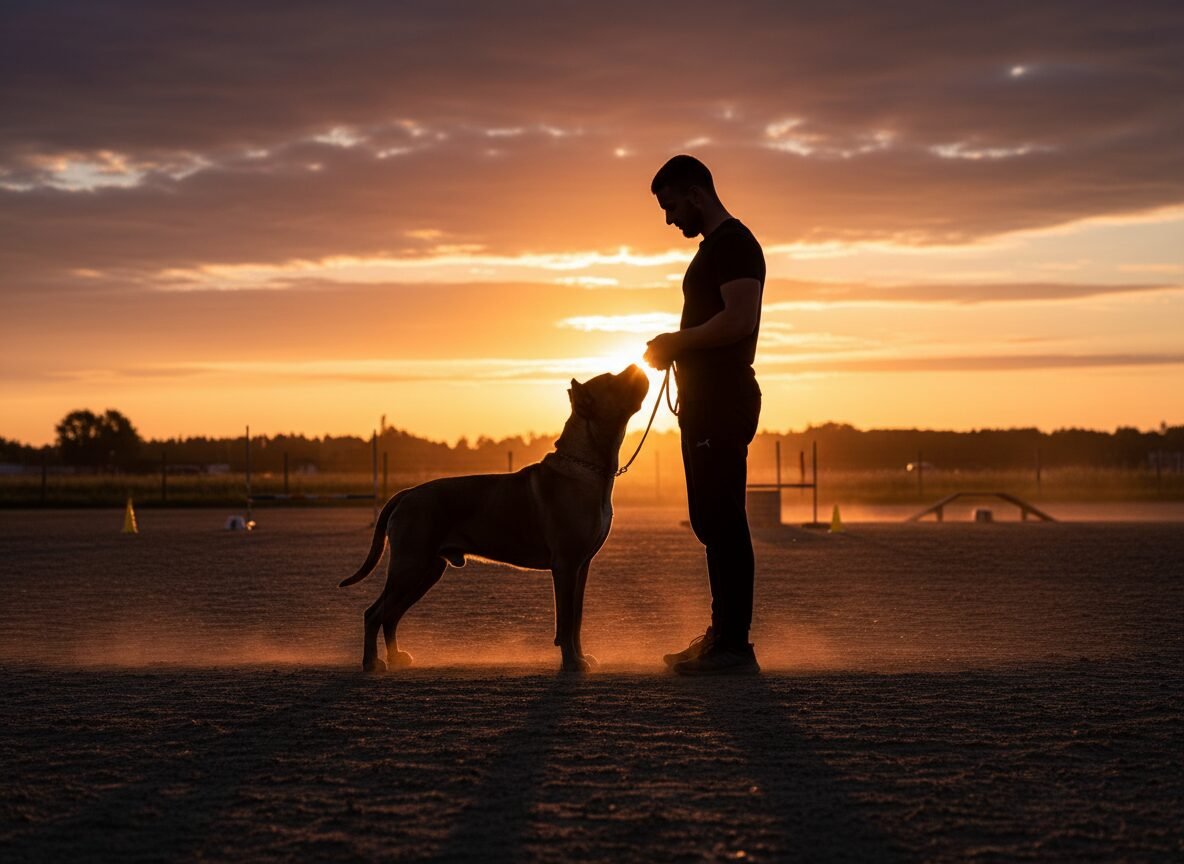
Owning a power breed—a term encompassing strong, intelligent, and driven dogs like Rottweilers, German Shepherds, and Mastiffs—is a uniquely rewarding experience. These magnificent animals are defined not by aggression, but by their physical strength, unwavering loyalty, and formidable intelligence. However, their strong will and inherent capabilities demand an equally strong commitment from their owners. Without proper guidance, their powerful instincts can lead to challenging behaviors. This comprehensive guide is designed for the dedicated owner who seeks to understand the power breed mindset and build a partnership based on trust, respect, and effective communication. We will explore the foundational principles of training, master essential commands, and address common behavioral hurdles, providing you with the knowledge to cultivate a well-mannered, confident, and cherished canine companion.
The Foundation: Understanding the Power Breed Mindset

The Foundation: Understanding the Power Breed Mindset
Before a single command is taught, it is crucial to understand the cognitive and emotional framework of a power breed. These dogs were often bred for specific, demanding jobs—guarding, herding, or protection. This legacy endows them with high intelligence, a strong desire to work, and an independent nature. They are not simply stubborn; they are problem-solvers who need a reason to comply. A successful training relationship begins with fulfilling their core needs and establishing yourself as a credible, consistent leader.
Key Psychological Drivers:
- Need for a ‘Job’: A bored power breed is often a destructive or anxious one. Their minds require stimulation. This ‘job’ doesn’t have to be complex; it can be structured obedience sessions, puzzle toys, or canine sports like scent work or agility. The key is to engage their brain and give them a sense of purpose.
- Desire for Clear Leadership: These dogs thrive under clear, confident, and benevolent leadership. They are not seeking a domineering ‘alpha,’ but rather a calm, predictable guide who sets firm boundaries and provides security. Your consistency is their comfort. If rules change daily, they will become confused and may decide to make their own rules.
- Sensitivity Beneath the Strength: Despite their formidable appearance, many power breeds are incredibly sensitive to their owner’s emotional state. Harsh corrections, yelling, or punishment-based methods can erode trust and create anxiety, which may manifest as reactivity or aggression. A calm demeanor and positive reinforcement are non-negotiable.
Expert Tip: Think of yourself as a ‘benevolent leader’ or a ‘project manager’ rather than a ‘boss.’ Your role is to set the project goals (good behavior), provide the necessary resources (training, exercise, enrichment), and guide your intelligent ’employee’ (your dog) to success with positive motivation.
Building this foundation is about managing their environment and your interactions. Ensure they receive adequate physical exercise to burn off excess energy, but do not neglect mental exercise. A 15-minute training session can be more tiring and satisfying for a power breed than a 30-minute walk. By meeting these fundamental needs, you create a dog that is receptive, focused, and ready to learn.
Essential Tools and Positive Reinforcement Techniques
Essential Tools and Positive Reinforcement Techniques
Equipping yourself with the right tools and understanding the core principles of modern, science-based training are paramount. The goal is to make training a positive and collaborative experience, encouraging your dog to want to work with you.
Choosing the Right Equipment:
The right equipment ensures safety, comfort, and effective communication. Avoid aversive tools like prong or choke collars, which rely on pain and can damage your dog’s trust and physical well-being.
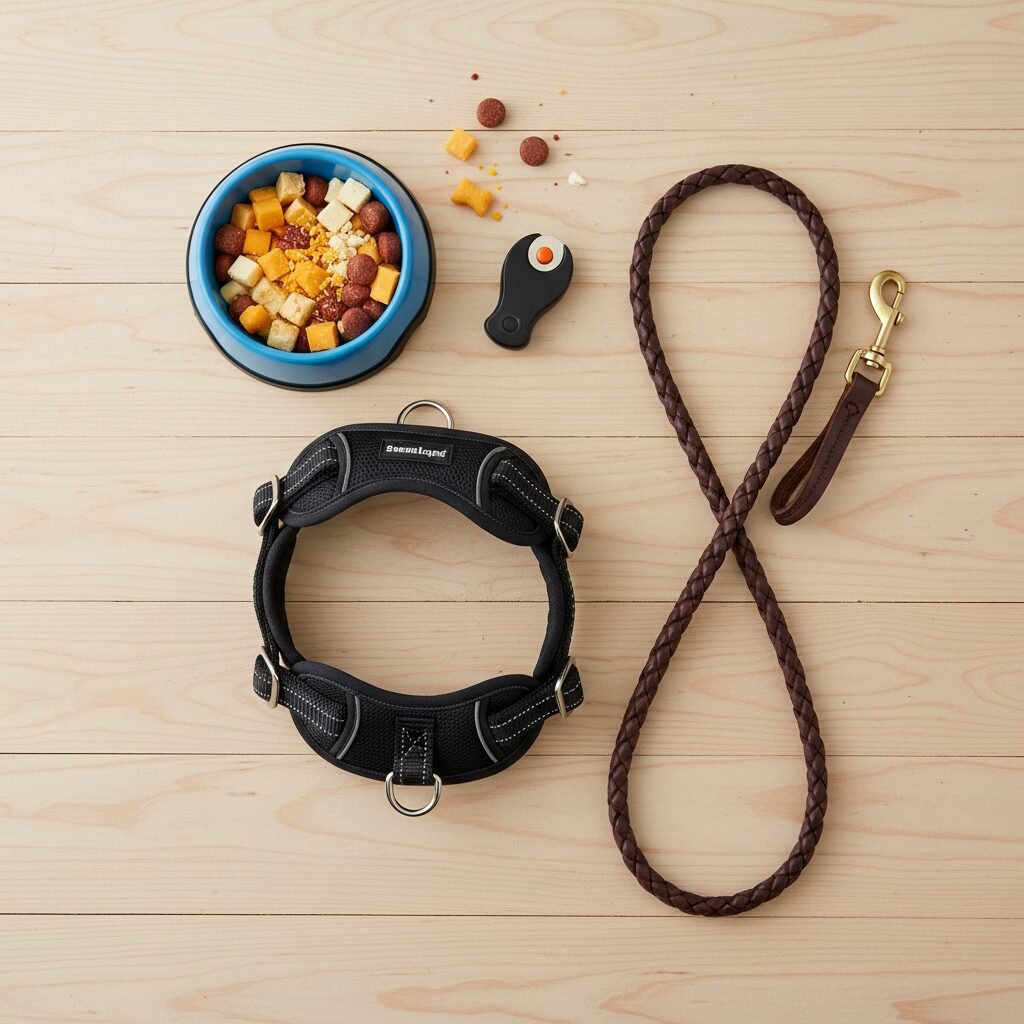
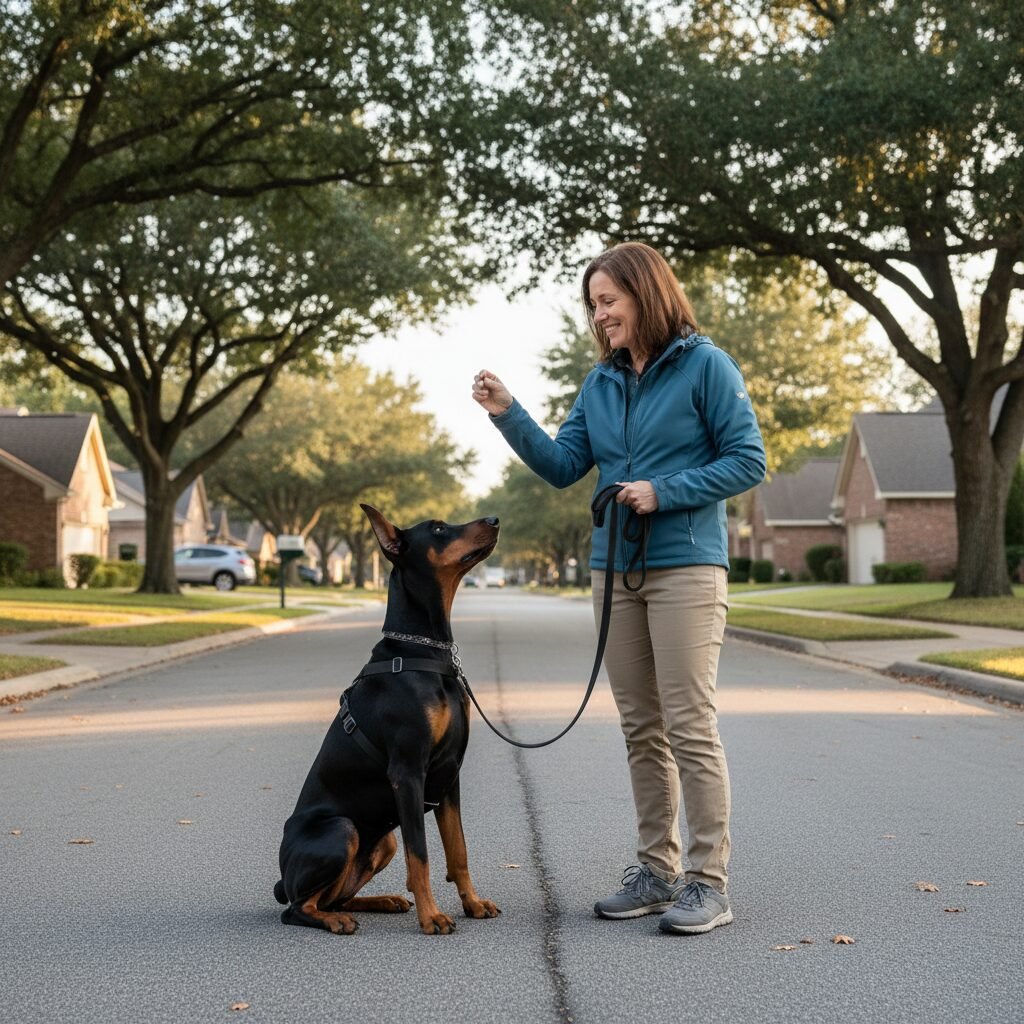
- Harnesses: A well-fitting front-clip or dual-clip harness is ideal. It provides better control by redirecting the dog’s momentum without putting pressure on their sensitive neck and trachea. This is especially important for preventing leash-pulling.
- Leashes: A standard 6-foot leash made of leather or biothane offers a secure grip and excellent control. Avoid retractable leashes, as they teach dogs to pull and offer little to no control in emergency situations.
- High-Value Rewards: For strong-willed dogs, a piece of their regular kibble may not be motivating enough. Discover what your dog truly loves. This could be small pieces of cooked chicken, cheese, or specific training treats. The reward must be more enticing than the environmental distractions.
The Power of Positive Reinforcement:
Positive reinforcement training is a method where you add something the dog wants (a treat, praise, a toy) to increase the likelihood of a behavior being repeated. It’s a powerful and humane approach that builds a strong, positive association with training.
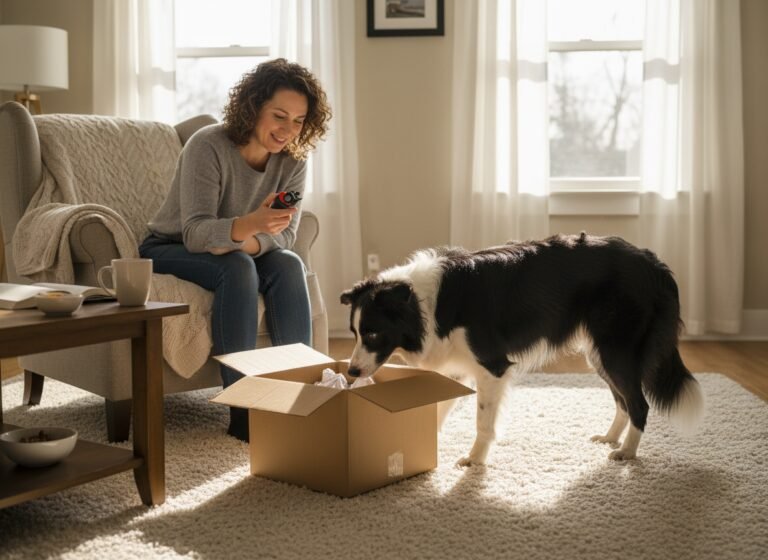
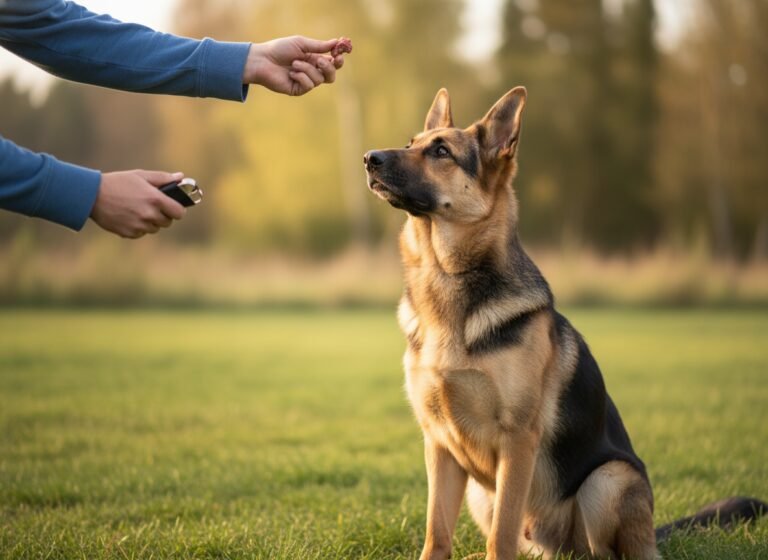
- Marker Training (Clicker or Verbal): A marker, like a click from a clicker or a verbal cue like “Yes!”, is used to pinpoint the exact moment the dog performs the correct behavior. The marker is immediately followed by a reward. This creates a clear line of communication, telling your dog, “That exact action is what earned you this reward.”
- Luring and Shaping: Luring involves using a treat to guide your dog into a desired position (e.g., holding a treat over their head to encourage a sit). Shaping involves breaking down a complex behavior into smaller steps and rewarding each successive approximation until the final behavior is achieved.
- Keep Sessions Short and Fun: Power breeds can have a low tolerance for repetitive drills. Keep your training sessions short (5-10 minutes), engaging, and end on a positive note with a successful repetition. Multiple short sessions throughout the day are far more effective than one long, grueling one.
Remember, training is a conversation. Positive reinforcement ensures this conversation is cooperative and joyful, not confrontational. You are rewarding the choices you want, making your dog an active participant in their own learning.
Mastering the ‘Big Three’: Impulse Control Commands
Mastering the ‘Big Three’: Impulse Control Commands
For any large, powerful dog, impulse control is not a luxury—it is a necessity for safety and management. Mastering commands like a solid ‘Stay,’ a reliable ‘Leave It,’ and an immediate ‘Recall’ can prevent dangerous situations and are the hallmarks of a well-trained canine.
1. The Rock-Solid ‘Stay’
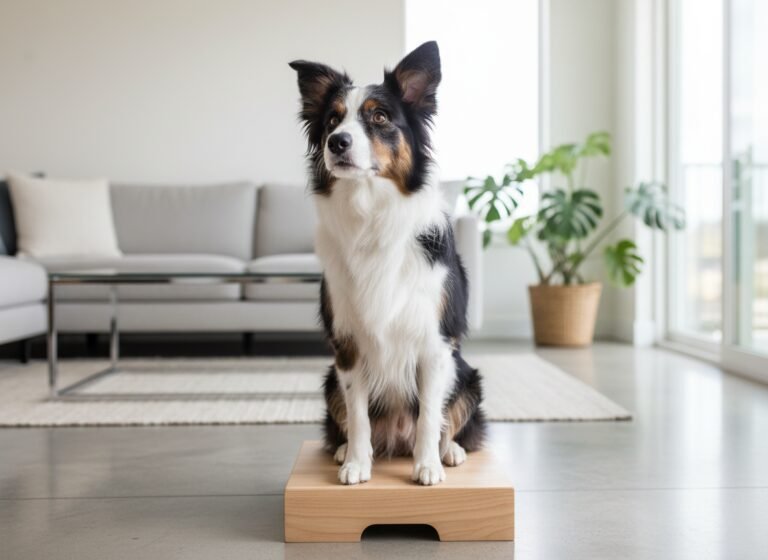
A ‘Stay’ teaches your dog to hold a position until released. This is crucial for situations like greeting guests at the door or preventing them from bolting out of an open car.
- Start Simple: Ask your dog to ‘Sit.’ Say ‘Stay’ with a clear hand signal (like a flat palm facing them). Take one small step back. If they stay, immediately step back to them, mark (‘Yes!’), and reward.
- Introduce the 3 D’s: Gradually increase the difficulty by adding one ‘D’ at a time: Duration (increase the time they hold the stay), Distance (increase how far you move away), and Distraction (add mild distractions, like a toy rolling by).
- The Release Cue: Always use a release word like ‘Okay!’ or ‘Free!’ to let them know the exercise is over. This teaches them that they must wait for your permission to move.
2. The Life-Saving ‘Leave It’
‘Leave It’ teaches your dog to ignore a dropped item, which could be anything from dropped food to something hazardous on the street.
- Two-Fist Method: Place a low-value treat in one fist and show it to your dog. Let them sniff and lick. The moment they turn their head away, even slightly, mark (‘Yes!’) and reward them with a high-value treat from your other hand.
- On the Floor: Once they understand the concept, place the low-value treat on the floor and cover it with your hand. When they ignore it, mark and reward. Gradually lift your hand, covering the treat again if they lunge for it.
- Real-World Practice: Eventually, practice on walks with pre-placed (but safe) items, always rewarding heavily for their successful choice to ignore the item and look to you instead.
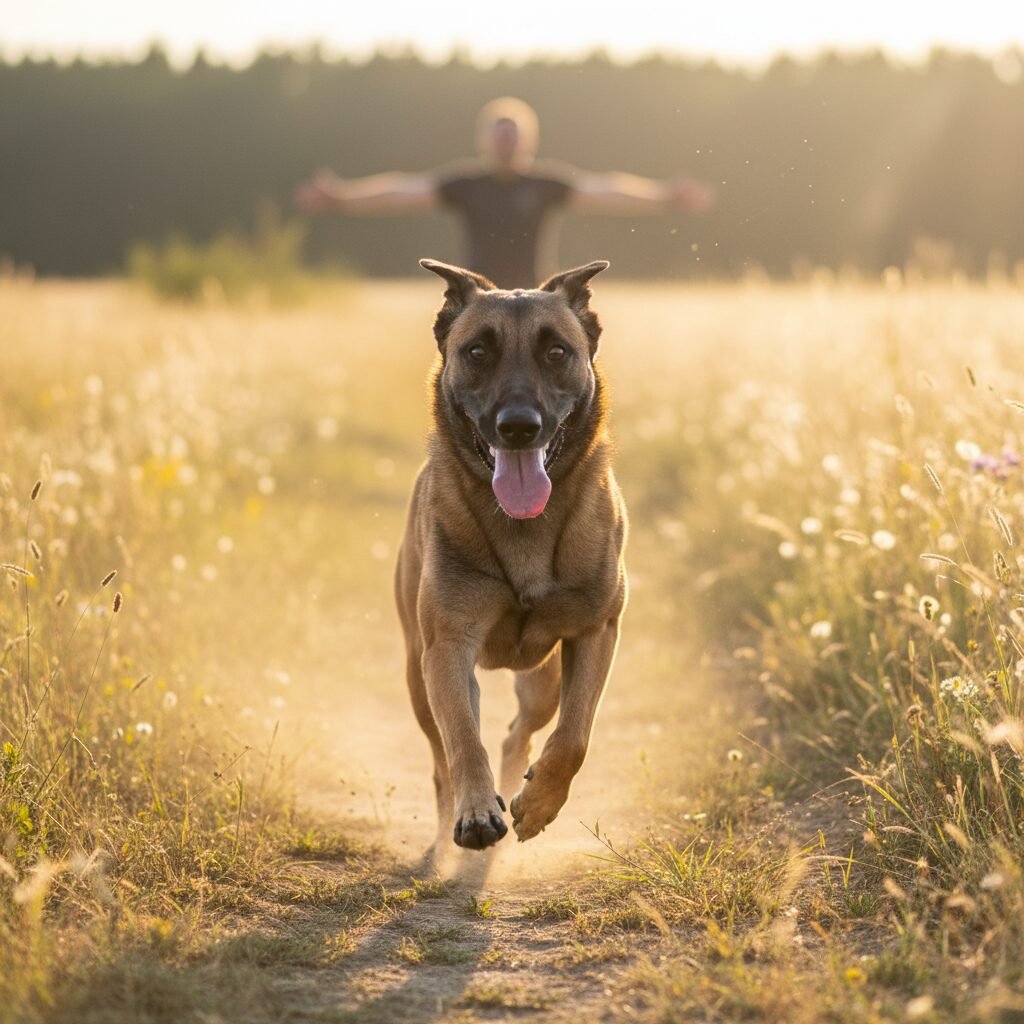
3. The Unfailing ‘Recall’ (Come)
A reliable recall is arguably the most important command you can teach. It must be associated with overwhelmingly positive outcomes.
- Never Punish: Never call your dog to you for something negative, like a nail trim or to be put in their crate for a timeout. This will poison the cue.
- Make it a Party: When your dog comes to you, reward them enthusiastically with high-value treats, praise, and play. Be the most exciting thing in the environment.
- Practice on a Long Line: In a safe, open area, use a 20-30 foot long line. Call them in an excited tone. If they hesitate, give a gentle reel-in with the line. When they arrive, throw a celebration. This prevents them from learning to ignore the cue.
Socialization: Creating a Confident Canine Citizen
Socialization: Creating a Confident Canine Citizen
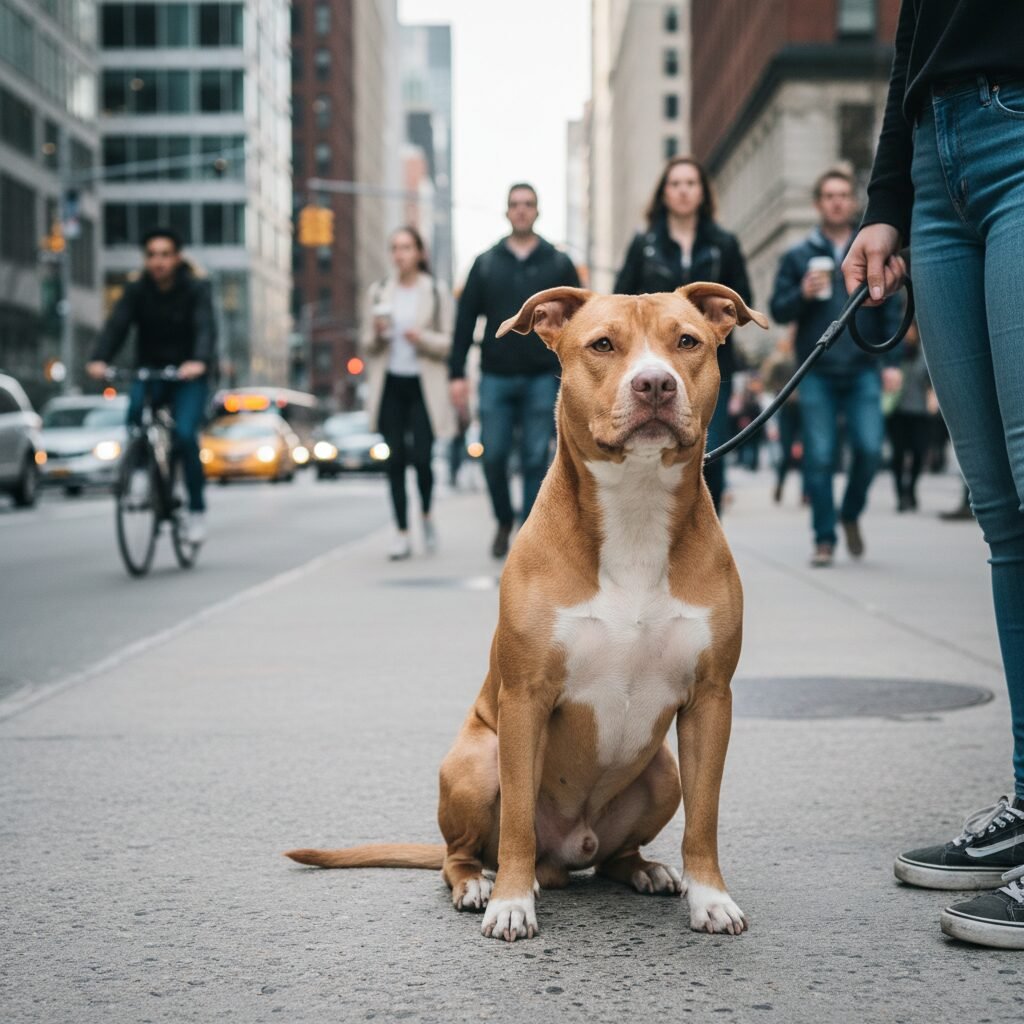
Socialization is one of the most misunderstood aspects of dog ownership, especially for power breeds. It is not about forcing your dog into chaotic play at a dog park. True socialization is the process of creating positive, neutral experiences with a wide variety of new sights, sounds, smells, and situations, thereby building a dog that is confident and resilient, not fearful or reactive.
The Critical Socialization Window
The most crucial period for socialization is between 3 and 16 weeks of age. However, for rescue dogs or older dogs, the process is ongoing. The goal is to build positive associations and teach them that the world is a safe place.
Structured Socialization vs. Uncontrolled Exposure
The key is quality over quantity. A single negative experience can have a more lasting impact than ten positive ones. Avoid overwhelming situations.
- Controlled Environments: Start in calm environments. Sit on a park bench far from the action and reward your dog for calmly observing people, other dogs, cyclists, and strollers from a distance. This is called ‘desensitization and counter-conditioning.’
- Meeting New People: Teach your dog a polite greeting behavior, like sitting to be petted. Instruct new people on how to interact calmly with your dog, avoiding reaching over their head. Ensure interactions are short and positive.
- Canine Interactions: Dog-to-dog interactions should be carefully managed. Choose calm, well-behaved adult dogs for one-on-one ‘playdates.’ Dog parks can be overwhelming and are often where bad habits are learned. Focus on structured, neutral co-existence, like parallel walking with another dog.
Crucial Insight: The goal of socialization is not for your dog to love everything and everyone. The goal is for your dog to be neutral and indifferent to new stimuli, looking to you for guidance rather than reacting out of fear or over-excitement.
Building Environmental Confidence
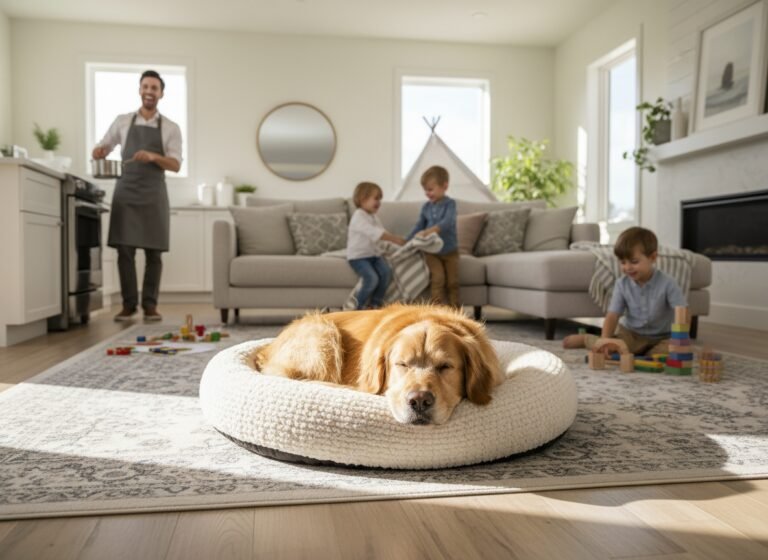
Expose your dog to different surfaces (grass, pavement, gravel), sounds (vacuum cleaner, traffic), and objects (hats, umbrellas, backpacks) in a controlled and positive way. Pair these new experiences with high-value treats to build a positive conditioned emotional response. A confident dog is a stable and predictable dog, which is the ultimate goal for any power breed owner.
Troubleshooting Common Behavioral Challenges
Troubleshooting Common Behavioral Challenges
Even with diligent training, strong-willed dogs can present specific challenges. Addressing these issues requires patience, consistency, and a clear understanding of the behavior’s root cause.
Challenge 1: Leash Pulling
Leash pulling is often a result of excitement and the dog’s natural pace being faster than ours. A front-clip harness is an excellent management tool, but training is the long-term solution.
- Be a ‘Tree’: The moment the leash tightens, stop moving. Stand still and silent. Only resume walking when the dog introduces slack into the leash, even for a second. This teaches them that pulling gets them nowhere.
- Reward the ‘Check-In’: When your dog is walking on a loose leash, frequently reward them for being in the correct position or for looking back at you. This reinforces that being near you is a rewarding place to be.
Challenge 2: Stubbornness or ‘Ignoring’ Cues
What appears as stubbornness is often a sign of something else: the dog is distracted, confused, or unmotivated.
- Assess the Environment: Are you asking for a ‘sit’ in a high-distraction area before they’ve mastered it in a quiet one? Go back to basics in a less distracting environment.
- Increase Your Value: Are your rewards good enough? If a squirrel is more interesting than your kibble, you need to use a higher-value reward to capture their attention.
- Check for Clarity: Is your verbal cue and hand signal consistent and clear? Sometimes, the dog genuinely doesn’t understand what you’re asking.
Challenge 3: Resource Guarding
Resource guarding (protecting food, toys, or space) can be a serious issue. It stems from insecurity and the fear of losing a valuable item. Professional help from a certified behaviorist is recommended for severe cases.
- Trade-Up Game: While your dog is chewing on a toy, approach with a very high-value treat (like a piece of steak). Offer them the treat. When they drop the toy to take the treat, say ‘Drop it,’ let them have the treat, and give the toy back. This teaches them that your approach means they get something better, not that they lose their prized possession.
- Prevention: From puppyhood, hand-feed your dog occasionally and walk by their bowl while dropping in extra-tasty treats to build a positive association with your presence around their food.
Conclusion
Training a power breed is a journey of mutual learning and respect. It requires more than just teaching commands; it demands that we provide structure, leadership, and a deep understanding of their innate needs. The principles of positive reinforcement, consistent leadership, and structured socialization are the pillars upon which a successful partnership is built. The effort invested in training your strong-willed companion will be returned tenfold in the form of a loyal, stable, and deeply bonded family member. Embrace the process, celebrate the small victories, and cherish the incredible privilege of sharing your life with such a capable and magnificent animal. A well-trained power breed is not just a pet; they are a testament to responsible ownership and the powerful connection between humans and dogs.