Why Professional Dog Trainers Are Switching to Biothane Leashes
In the world of professional dog training, equipment is not merely an accessory; it is a critical tool for communication, safety, and effectiveness. For decades, leather and nylon have dominated the market as the standard materials for leashes, collars, and harnesses. However, a significant shift is underway. An increasing number of seasoned trainers, behaviorists, and canine professionals are moving away from tradition and embracing a modern alternative: Biothane. This trend is not driven by aesthetics alone but by a host of practical, performance-based advantages that directly impact the quality of training and the daily lives of both trainers and dogs. This article will provide an in-depth analysis of why Biothane is rapidly becoming the material of choice for professionals who demand the absolute best from their gear, exploring its unique properties, comparing it directly to traditional materials, and outlining the tangible benefits it offers in real-world training scenarios.
What Exactly is Biothane? The Science Behind the Superior Material
What Exactly is Biothane? The Science Behind the Superior Material
Before delving into why Biothane has captured the attention of the professional dog training community, it is essential to understand what it is. Biothane is not a brand of leash but rather the trade name for a specific type of PVC-coated polyester webbing. Developed and manufactured in the USA by Biothane Coated Webbing Corp, it was originally designed for the equestrian market, where equipment must withstand extreme conditions, constant use, and exposure to the elements without failing. Its success in that demanding field highlighted its potential for the canine world.
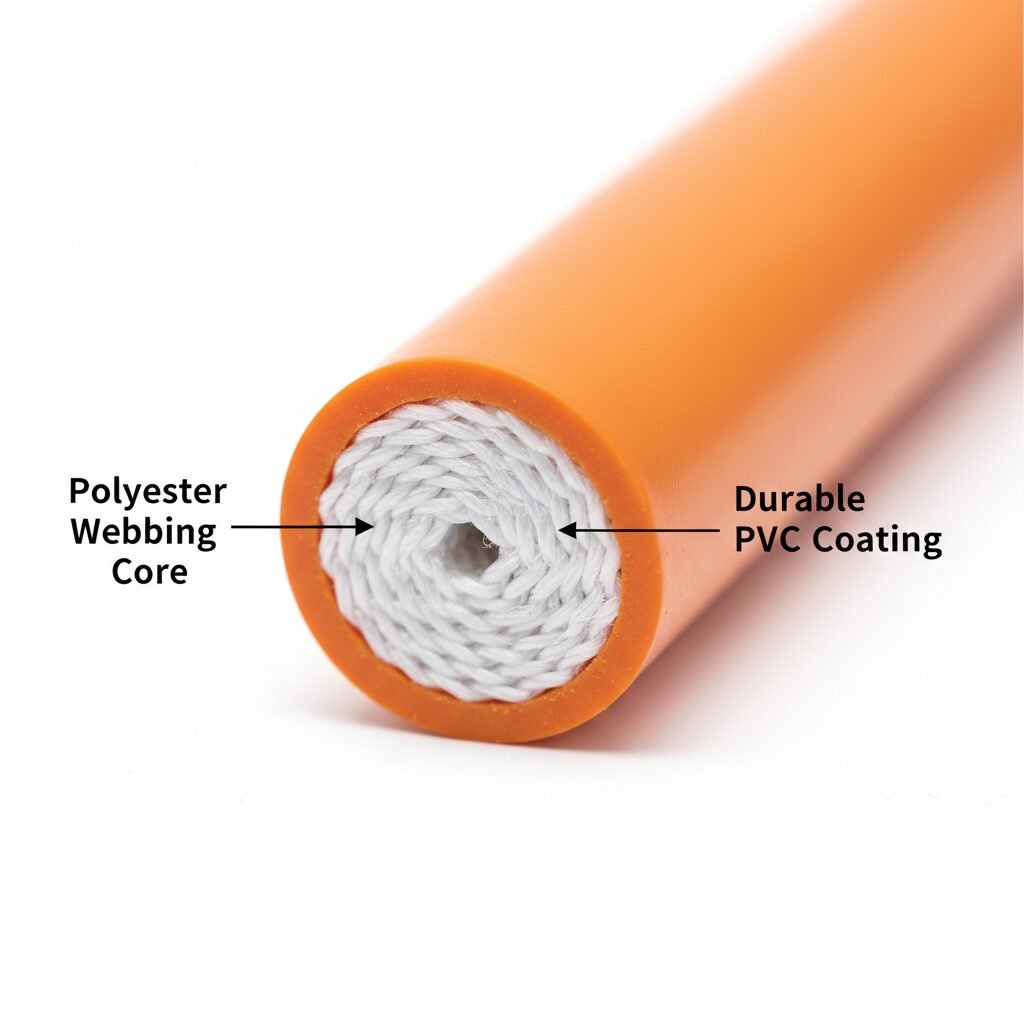
The construction of Biothane is its key to success. It consists of two primary components:
- The Core: At its center is a high-strength polyester webbing. This inner layer provides exceptional tensile strength, preventing the leash from stretching, warping, or snapping under pressure. The strength of the webbing determines the overall break strength of the final product, which for standard 3/4-inch Biothane can be as high as 750 pounds.
- The Coating: The polyester core is encapsulated in a durable, flexible Polyvinyl Chloride (PVC) coating. This outer layer is what gives Biothane its signature characteristics. It is waterproof, UV resistant, and creates a protective barrier that seals the inner webbing from moisture, dirt, and abrasion.
This composite structure results in a material that feels remarkably similar to well-conditioned leather but without any of the associated drawbacks. It is often referred to as ‘vegan leather’ due to its texture and flexibility. The PVC coating can be produced in a vast array of vibrant, fade-resistant colors, and its surface can be embossed with various textures, from a smooth, glossy finish to a more matte, grippy one. This combination of a robust internal structure and a resilient, impermeable exterior is the foundation upon which all of Biothane’s practical advantages are built.
Expert Insight: The genius of Biothane lies in its engineered simplicity. It takes the strength of webbing and combines it with the protective qualities of a polymer coating, creating a material that solves the most common failure points of both leather and nylon leashes.
Biothane vs. Traditional Leash Materials: A Head-to-Head Comparison
Biothane vs. Traditional Leash Materials: A Head-to-Head Comparison
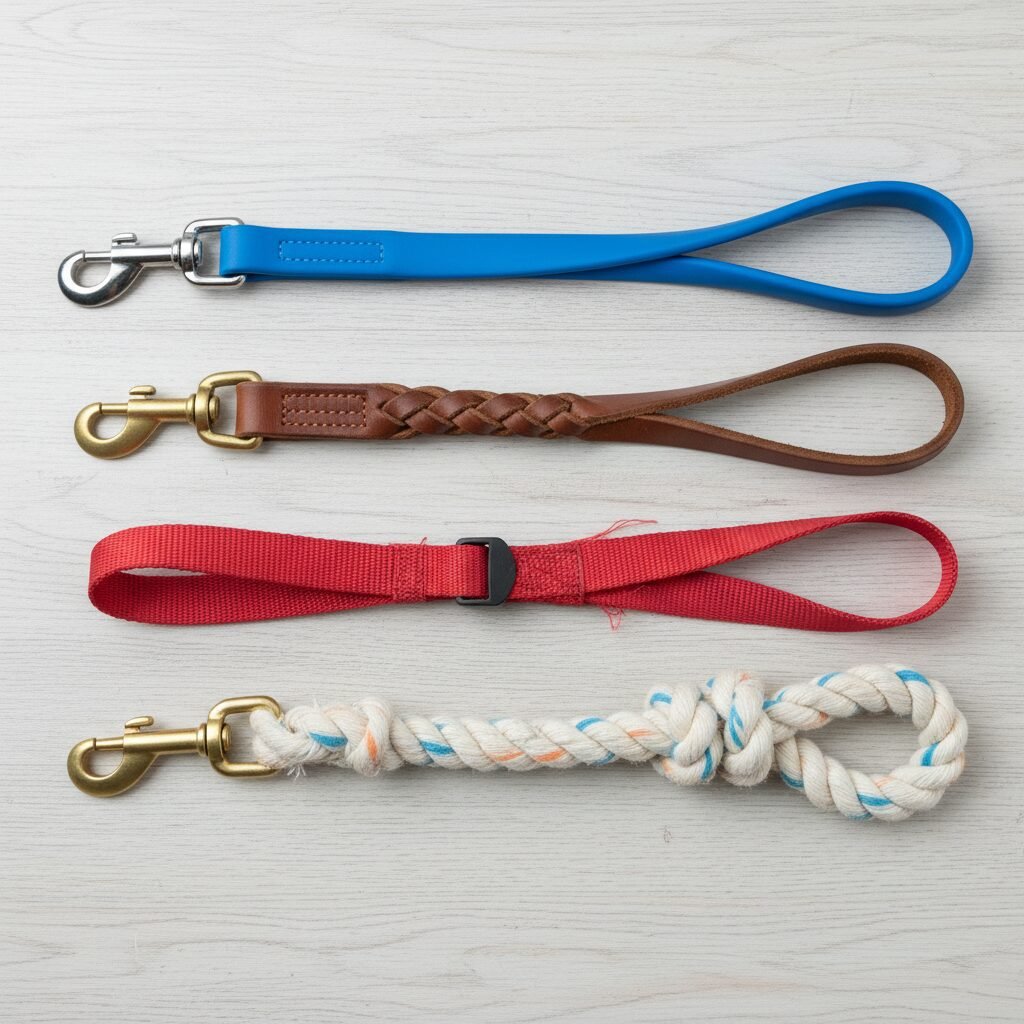
To truly appreciate why professionals are making the switch, a direct comparison with established materials is necessary. Leather has long been prized for its classic look and feel, while nylon is valued for its low cost and wide availability. However, when subjected to the rigors of daily professional use, their weaknesses become apparent. Biothane consistently outperforms them across several critical metrics.
Below is a comprehensive table comparing Biothane to leather and nylon, the two most common leash materials used by dog owners and trainers.
| Feature | Biothane | Leather | Nylon |
|---|---|---|---|
| Water Resistance | Completely waterproof. Does not absorb water, get heavy, or stretch when wet. | Absorbent. Requires conditioning to maintain water resistance. Can become stiff, brittle, or rot if repeatedly soaked and dried improperly. | Highly absorbent. Becomes heavy, limp, and stretches when wet, taking a long time to dry. |
| Durability & Strength | Extremely high tensile strength. Highly resistant to abrasion, cuts, and tearing. Does not fray. | Strong when new and well-maintained, but can weaken, crack, or break over time, especially with exposure to moisture and UV light. | Prone to fraying and can be chewed through relatively easily. Webbing can weaken over time with exposure to sun and moisture. |
| Hygiene & Cleaning | Non-porous surface. Wipes clean with a damp cloth. Can be fully disinfected. Does not harbor bacteria, mold, or odors. | Porous. Absorbs dirt, oils, and bacteria. Difficult to clean thoroughly and can develop a permanent odor. Requires special cleaners. | Porous and difficult to clean. Traps dirt, dander, and moisture, creating a breeding ground for bacteria and mildew. Retains odors. |
| Grip & Handling | Maintains a consistent, secure grip whether wet or dry. Does not slip through hands. Flexible in cold weather. | Excellent grip when dry and broken in. Can become very slippery when wet. Requires a ‘break-in’ period to become soft. | Can be abrasive on hands (‘leash burn’). Becomes extremely slippery and difficult to handle when wet. |
| Maintenance | Virtually maintenance-free. Requires only occasional wiping down. | Requires regular cleaning and conditioning with oils or waxes to prevent drying out and cracking. | Requires frequent washing and thorough drying to prevent mildew and odor buildup. |
| Consistency | Uniform strength, flexibility, and feel from the day it’s purchased. Does not change over time. | Quality and feel can vary. Changes texture and flexibility with age and use (which can be both a pro and a con). | Loses structure and becomes limp with use and washing. Colors can fade significantly. |
As the comparison demonstrates, Biothane systematically addresses the primary weaknesses of both leather and nylon. For a professional trainer who may work with multiple dogs in various weather conditions every single day, the benefits of a waterproof, odor-proof, and maintenance-free leash are not just conveniences—they are significant improvements to workflow, hygiene, and equipment reliability.
The Unmatched Durability for Demanding Training Scenarios
The Unmatched Durability for Demanding Training Scenarios
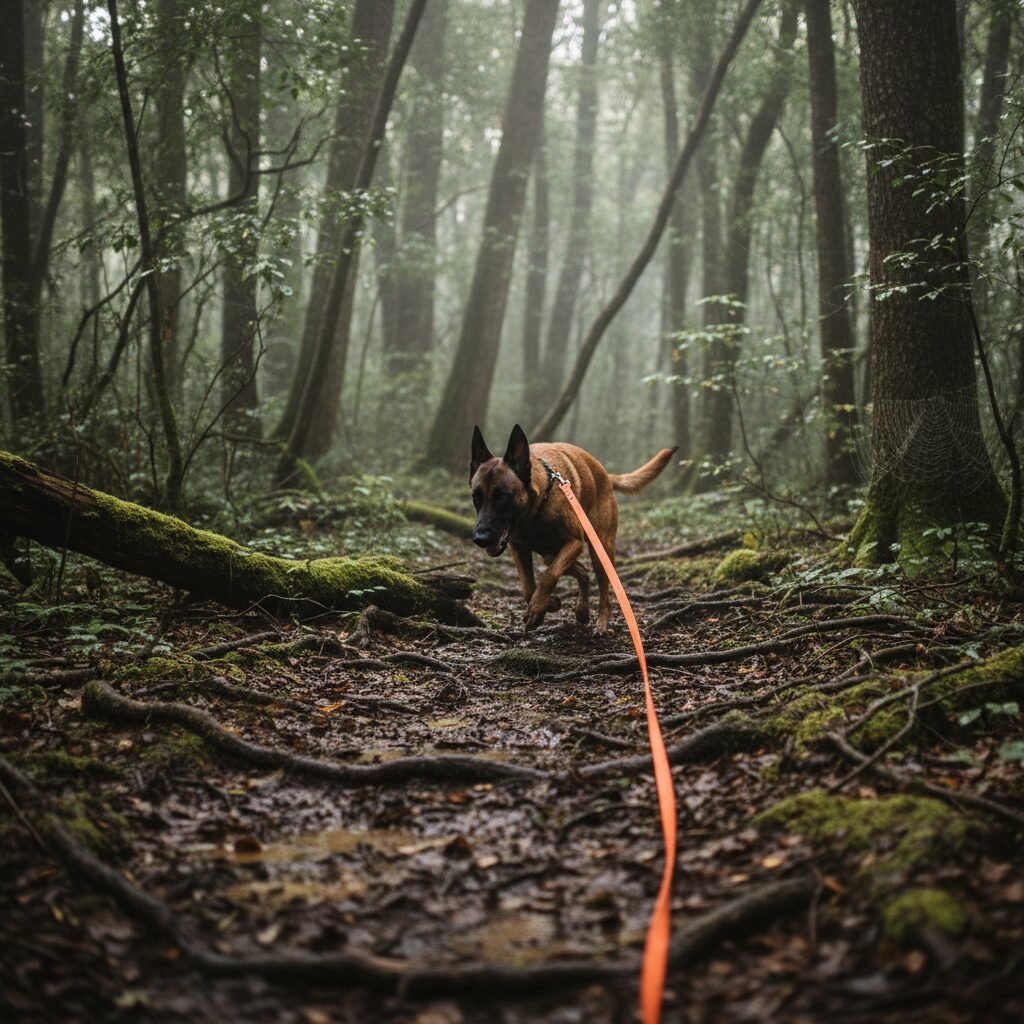
Professional dog training is not limited to pristine, indoor environments. It happens in muddy fields, during rainy city walks, at the beach, and in dense underbrush. This is where Biothane’s exceptional durability truly shines, providing trainers with confidence that their most critical piece of safety equipment will not fail.
Abrasion and Tear Resistance
Trainers often use long lines for recall training, tracking, and scent work. A traditional nylon or rope long line dragged across gravel, asphalt, or through thorny bushes will quickly become frayed and weakened. Leather, while tougher than nylon, can be permanently scarred and gouged. Biothane’s tough PVC coating acts like armor, resisting abrasion and sliding over rough surfaces with minimal wear. This resilience is crucial when working with powerful dogs or in environments where the leash is constantly in contact with the ground.
All-Weather Performance
A key advantage is Biothane’s complete indifference to weather. Consider these common scenarios:
- Rain and Snow: A leather leash becomes saturated, heavy, and slippery in the rain. A nylon leash becomes a soggy, heavy mess that takes hours to dry. A Biothane leash, by contrast, sheds water completely. It does not gain weight, its grip remains secure, and after the session, a quick wipe with a towel is all that’s needed to make it look brand new. It also remains flexible and won’t become stiff or brittle in freezing temperatures.
- Mud and Sand: After a training session in a muddy field or at a sandy beach, cleaning a woven nylon leash is a chore that often requires a washing machine. Leather can be permanently stained and damaged by grit. Biothane can be rinsed clean under a tap or wiped with a wet cloth, and it’s ready for the next client in minutes.
Consistency Under Load
Unlike leather that can stretch over time or nylon that stretches when wet, Biothane maintains its length and structural integrity under load. This consistency is vital for precise leash communication. A trainer needs to know that a subtle cue given through the leash is transmitted accurately to the dog, without being absorbed by a stretching or sagging material. This reliability ensures that training remains clear, fair, and effective, regardless of the external conditions.
Hygiene and Maintenance: A Game-Changer for Professionals
Hygiene and Maintenance: A Game-Changer for Professionals
For a pet owner with one or two dogs, leash maintenance might be an occasional task. For a professional trainer, veterinarian, or dog walker who handles dozens of different dogs each week, hygiene is a paramount concern. The ability to quickly and effectively clean and sanitize equipment is non-negotiable for preventing the spread of germs, parasites, and skin conditions between animals.
The Non-Porous Advantage
The core issue with fabric leashes (nylon, cotton, rope) and even natural ones (leather) is their porous nature. They act like sponges, absorbing moisture, dirt, saliva, urine, and oils. This creates an ideal breeding ground for bacteria, mold, and mildew, leading to the infamous ‘stinky leash’ syndrome. Not only is this unpleasant, but it is also a potential health hazard.
Biothane’s PVC coating is completely non-porous. Nothing penetrates its surface. This means:
- No Odor Retention: Because moisture and bacteria cannot soak into the material, Biothane leashes simply do not develop odors. They can be dropped in a puddle or dragged through muck, and after a simple rinse, they are as fresh as new.
- Effortless Cleaning: A dirty Biothane leash can be restored to pristine condition in seconds. A wipe with a damp cloth, a rinse under the faucet, or for more serious messes, a quick scrub with mild soap and water is all it takes. There is no need for lengthy drying times.
- Effective Sanitization: In a professional setting, the ability to sanitize equipment is crucial. Biothane can be safely and effectively cleaned with veterinary-grade disinfectants without damaging the material. This is impossible with leather, which would be destroyed by harsh chemicals, and difficult with nylon, which may not be fully penetrated by the sanitizing agent.
A Trainer’s Perspective: ‘I used to have a ‘leash rotation’—a bin of dirty nylon leashes waiting to be washed and a handful of clean ones ready to go. It was a constant cycle. Since switching to Biothane, I have one set of leashes. After a client, I spray it with disinfectant, wipe it down, and it’s immediately ready for the next dog. It has saved me hours of work and gives my clients peace of mind.’
This ‘wipe-and-go’ functionality is a massive quality-of-life improvement for anyone working with dogs professionally. It streamlines operations, elevates the standard of hygiene, and ensures that equipment is always in top condition, presenting a professional image to clients.
Enhanced Grip and Handling for Clearer Communication
Enhanced Grip and Handling for Clearer Communication
A leash is the primary line of communication between a handler and a dog. The feel of the leash in the hand—its grip, flexibility, and weight—directly influences the handler’s ability to provide clear, subtle, and timely cues. Professionals are switching to Biothane not just for its durability, but for its superior handling characteristics that enhance this crucial connection.
Consistent Grip in All Conditions
One of the most significant safety risks with nylon leashes is their tendency to become incredibly slippery when wet. A sudden lunge from a powerful dog can easily cause a wet nylon leash to slide through a handler’s grasp. Leather performs better but can also lose its tacky feel when soaked. Biothane, particularly in its ‘Super Grip’ or beta-series variations, maintains a consistent and secure feel whether it is dry, wet, or caked in mud. This reliability gives the handler confidence and control, especially in unpredictable situations or inclement weather. Furthermore, it doesn’t cause the friction burns that are common with nylon leashes when a dog pulls suddenly.
The Ideal Balance of Flexibility and Structure
New leather leashes are often stiff and require a significant ‘break-in’ period to become supple and comfortable in the hand. Conversely, nylon leashes can be too limp, especially after a few washes, leading to a ‘floppy’ feeling that makes it difficult to manage slack or give precise cues. Biothane strikes an excellent balance. It is flexible enough to be comfortable and easy to handle from the very first use, yet it has enough structure and body to resist tangling and knotting, a common frustration with long lines. This structure ensures that the handler’s movements are transmitted down the leash to the dog without being lost in a flimsy, unstructured material.
Lightweight Feel
Despite its incredible strength, Biothane is relatively lightweight. This is particularly beneficial when using long lines for tracking or recall training. A heavy, waterlogged rope or nylon line can create significant drag, impeding the dog’s movement and providing a constant, unintended physical cue. A Biothane long line glides more easily over terrain and remains light, ensuring that the only pressure the dog feels is the intentional communication from the handler. This leads to a more positive and less confusing training experience for the dog.
Is a Biothane Leash Right for the Everyday Pet Owner?
Is a Biothane Leash Right for the Everyday Pet Owner?
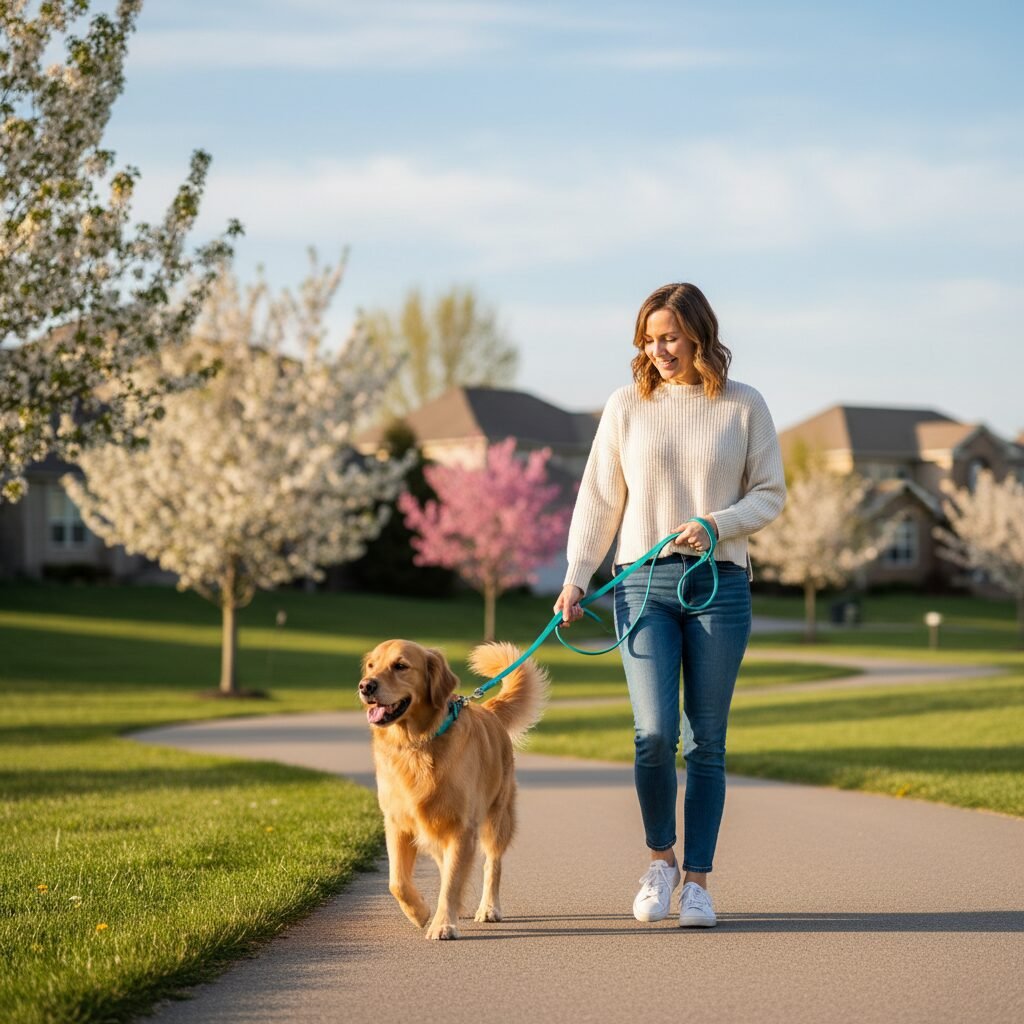
While the advantages for professional trainers are clear, the question remains: is Biothane a worthwhile investment for the average pet owner? For the vast majority of dog owners, the answer is a resounding yes. The same qualities that make it ideal for professionals translate directly into a superior, safer, and more convenient experience for daily use.
Benefits for the Pet Owner
- Longevity and Value: While the initial cost of a quality Biothane leash may be slightly higher than a standard nylon leash from a big-box store, its lifespan is exponentially longer. It will not fray, fade, or weaken over time. A single Biothane leash can easily outlast five or more nylon leashes, making it a more economical choice in the long run.
- Ease of Care: For owners who love taking their dogs on adventures to the beach, on muddy trails, or swimming, Biothane is the ultimate low-maintenance solution. No more stinky, perpetually damp leashes hanging in the entryway. A quick rinse and wipe is all that is needed to keep it clean and odor-free.
- Safety and Reliability: The consistent grip and waterproof nature provide an added layer of safety during daily walks, especially in rainy or snowy climates. The peace of mind that comes from knowing your leash won’t slip out of your hand or snap under pressure is invaluable.
Potential Considerations
While overwhelmingly positive, there are a couple of minor points to consider. Some users find the feel of standard Biothane to be slightly less supple than a perfectly broken-in, high-end leather leash. However, many manufacturers now offer ‘Beta Series’ Biothane, which has a softer, more matte finish that very closely mimics the feel of leather without any of the maintenance. Additionally, while highly chew-resistant, no leash material is completely chew-proof. As with any leash, dogs should not be left unsupervised with their Biothane gear.
Ultimately, the reasons professionals are switching are the same reasons every dog owner should consider it. The move to Biothane represents a shift towards investing in high-performance, long-lasting, and hygienic equipment that enhances the safety and enjoyment of time spent with our canine companions.
Conclusion
The migration of professional dog trainers towards Biothane leashes is a clear indicator of a fundamental upgrade in canine equipment technology. It is a decision rooted not in fleeting trends, but in a demand for unparalleled performance, reliability, and hygiene. Biothane systematically solves the most persistent problems associated with traditional materials—it does not absorb water, it refuses to harbor odors, it withstands immense force and abrasion, and it can be cleaned and sanitized in an instant. For professionals, these benefits translate into greater efficiency, enhanced safety, and a higher standard of care for the animals they work with. For the discerning pet owner, these same advantages offer a long-term investment in a leash that is safer, cleaner, and more durable than any alternative on the market. The verdict is in: Biothane is no longer just an alternative; for those who demand the best, it is the new standard.