
Is Your Dog Safe? The Shocking Truth About Most Car Harnesses
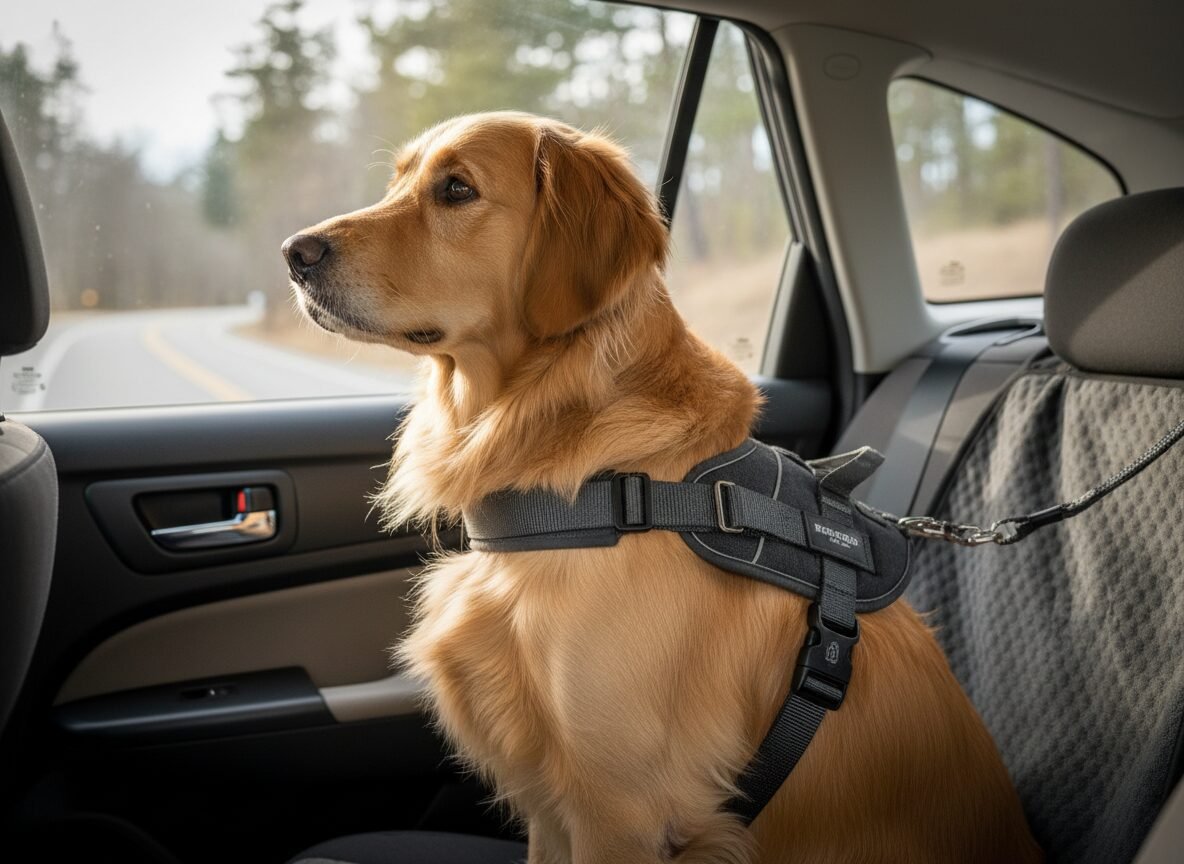
As a devoted pet owner, you likely consider your dog a member of the family. You ensure they have the best food, regular vet check-ups, and plenty of love. When it comes to travel, you take precautions, buckling them into a car harness to keep them secure. But what if that harness, the very tool you trust to protect them, is providing a false sense of security? The shocking truth is that the vast majority of canine car harnesses on the market have never been rigorously tested for crash performance. In an accident, they can break, tear, or fail catastrophically, leading to devastating consequences.
This guide is not meant to scare you, but to empower you with knowledge. As a canine specialist, I have seen the tragic outcomes of inadequate safety equipment. We will delve into the science of vehicle safety for pets, uncover what ‘crash-tested’ truly means, and provide you with a clear, authoritative framework for selecting a harness that offers genuine, life-saving protection. Your dog’s safety is not a matter of convenience; it is a critical responsibility. Let’s ensure every journey you take together is a safe one.
The Illusion of Safety: Why Most Car Harnesses Fail
Many pet owners purchase a car harness believing any restraint is better than no restraint. While this is true to an extent—it can prevent distracted driving—it creates a dangerous illusion of safety in the event of a collision. The forces generated in even a low-speed crash are immense. A 60-pound dog in a 30 mph crash can become a projectile with approximately 2,700 pounds of force. Most standard harnesses are simply not engineered to withstand such stress.
Common Points of Failure in Untested Harnesses
Untested products often fail in predictable yet tragic ways. Understanding these weaknesses is the first step in recognizing a truly inferior and dangerous product.
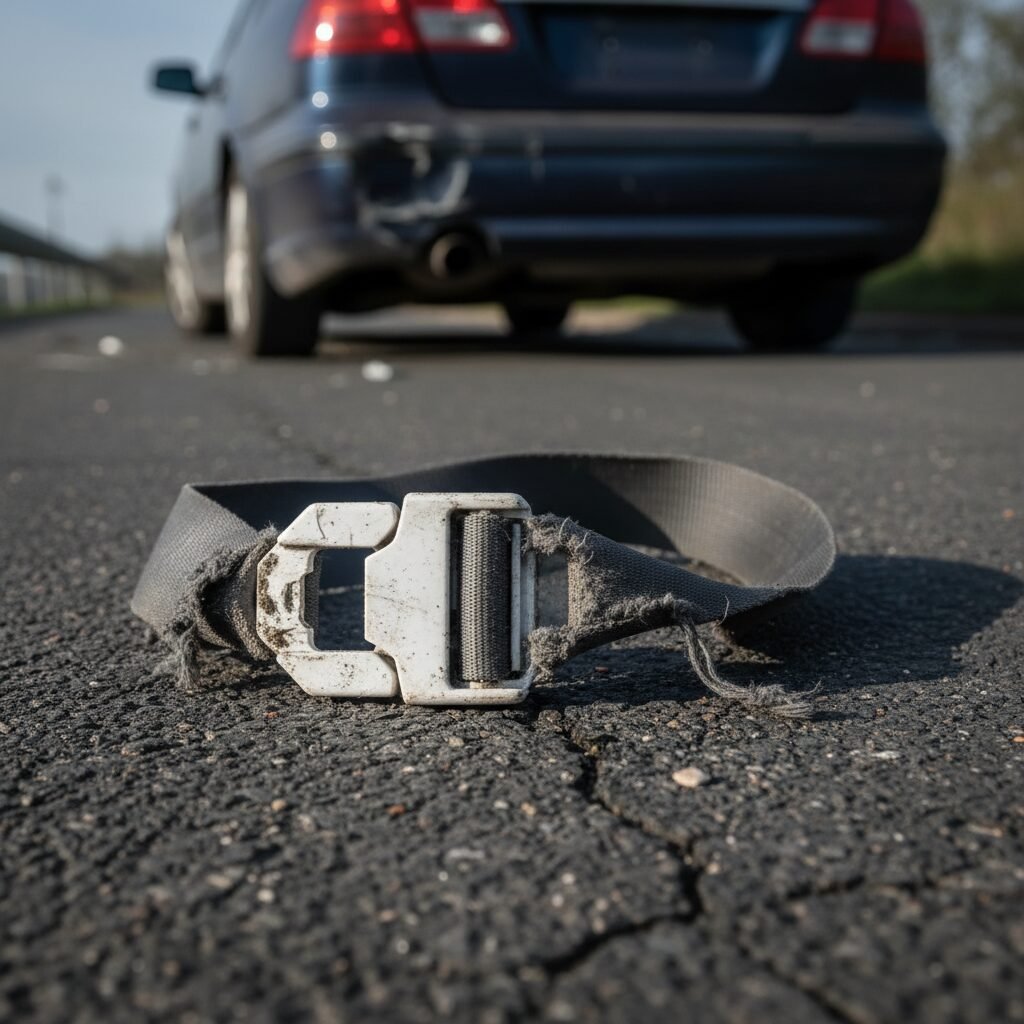
- Plastic Buckles: The most common failure point. Standard plastic clips, like those on a backpack, are designed for convenience, not for impact force. They can shatter on impact, releasing the dog instantly.
- Weak Webbing and Stitching: The fabric and thread used in fashion harnesses or simple walking harnesses are not rated for high-tensile strength. In a crash, the webbing can stretch and tear, or the stitching can unravel completely.
- Inadequate Hardware: Metal D-rings and adjustment sliders may appear strong, but if they are made from cheap, cast metal (like zinc alloy), they can bend or break under the extreme load of a collision.
- Poor Design and Fit: Many harnesses are not designed to distribute crash forces safely across a dog’s body. A poor fit can cause the harness to apply pressure to the wrong areas, such as the throat or abdomen, potentially causing severe internal injuries even if the harness itself doesn’t break.
An untested harness is a gamble with your dog’s life. It may prevent them from jumping into the front seat, but it offers virtually no protection against the violent forces of a motor vehicle accident.
The lack of mandatory government safety standards for pet travel products means the market is flooded with items that prioritize aesthetics and low cost over genuine safety. Manufacturers can make claims like ‘safety tested’ or ‘strong and secure’ without any independent verification, leaving the consumer to navigate a confusing and potentially dangerous landscape.
The Gold Standard: Understanding ‘Crash-Tested’ Certification
In the absence of federal regulation, independent organizations have stepped in to establish performance standards for pet travel products. The most prominent and respected of these is the Center for Pet Safety (CPS). A non-profit research and advocacy organization, the CPS conducts rigorous, independent crash tests on harnesses, carriers, and crates to determine their effectiveness.
When a product is advertised as ‘CPS Certified,’ it signifies that it has passed these stringent tests. This is the gold standard pet owners should look for.
What Does the CPS Testing Process Involve?
The CPS protocol is modeled after the Federal Motor Vehicle Safety Standards for child restraint systems. The process is scientific and methodical:
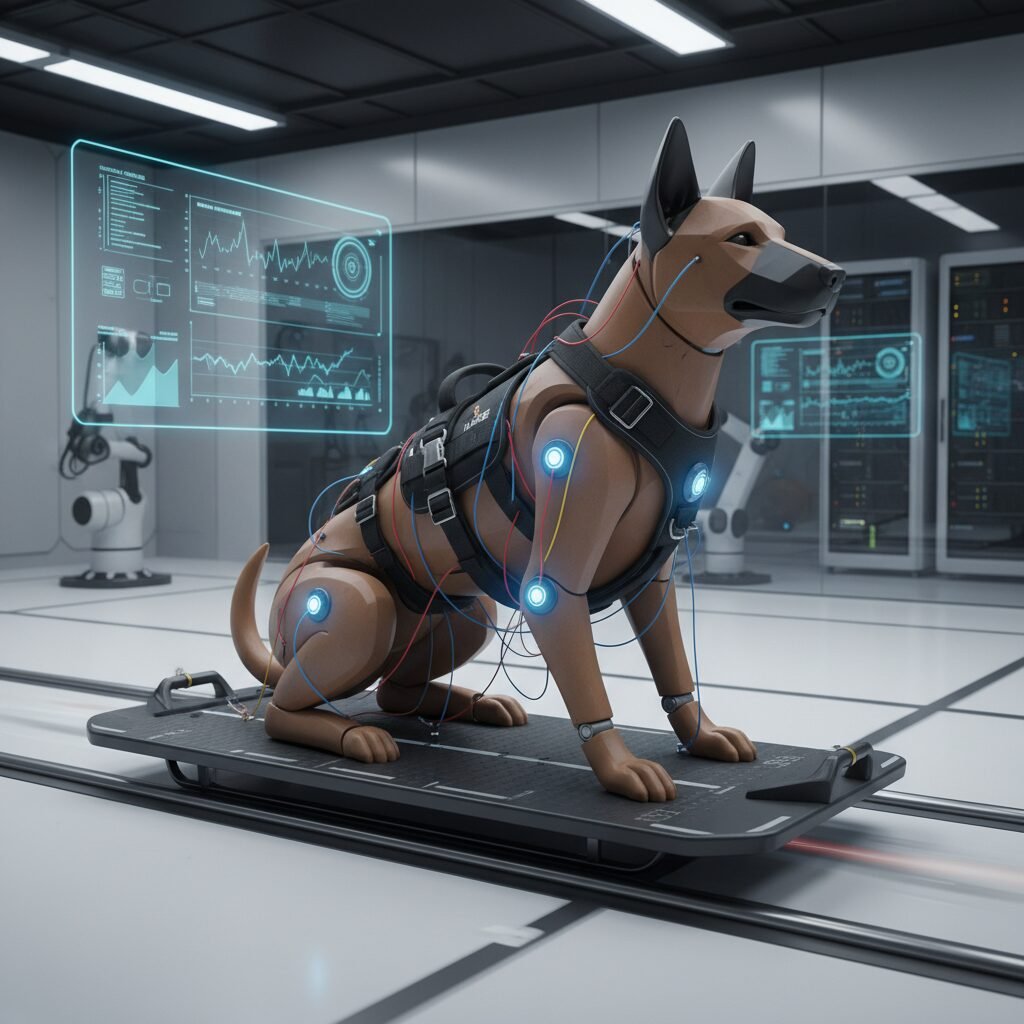
- Standardized Crash Test Dogs: The CPS uses specially designed, weighted, and instrumented crash test dummy dogs of various sizes to ensure consistent and repeatable results.
- Real-World Crash Simulation: The tests are conducted at an accredited testing laboratory that also tests child safety seats. They simulate real-world crash conditions, measuring the forces and excursion (how far the pet moves) during the event.
- Performance Metrics: A harness only passes if it successfully keeps the dummy on the seat, prevents it from launching forward, and shows no signs of hardware or webbing failure. The goal is both containment and the prevention of injury to the pet and human occupants.
It is crucial to differentiate between manufacturers’ claims and third-party certification. A manufacturer might state their product is ‘crash-tested,’ but this could mean they conducted their own internal, non-standardized test. Always look for the official CPS Certified seal.
| Safety Claim | Meaning | Reliability Level |
|---|---|---|
| CPS Certified | Independently tested and passed rigorous standards set by the Center for Pet Safety. | Very High – The gold standard. |
| Crash-Tested (Manufacturer Claim) | The manufacturer conducted some form of testing. The standards, methods, and results are often not public or standardized. | Variable to Low – Requires further research by the consumer. |
| Automotive-Grade / Strength-Rated | Marketing terms implying strength but without standardized crash testing to back them up. | Very Low – Not a reliable indicator of crash safety. |
| No Safety Claim | The product is likely intended only for basic restraint or as a walking harness. | None – Assume it provides no crash protection. |
Anatomy of a Truly Safe Harness: Key Features to Look For
Once you commit to purchasing a certified harness, you still need to know how to evaluate its construction. A genuinely safe harness is an integrated system where every component is engineered for strength and durability. When you have a certified product in your hands, you will notice a significant difference in its quality and construction compared to a standard harness.
Essential Components of a Crash-Worthy Harness:
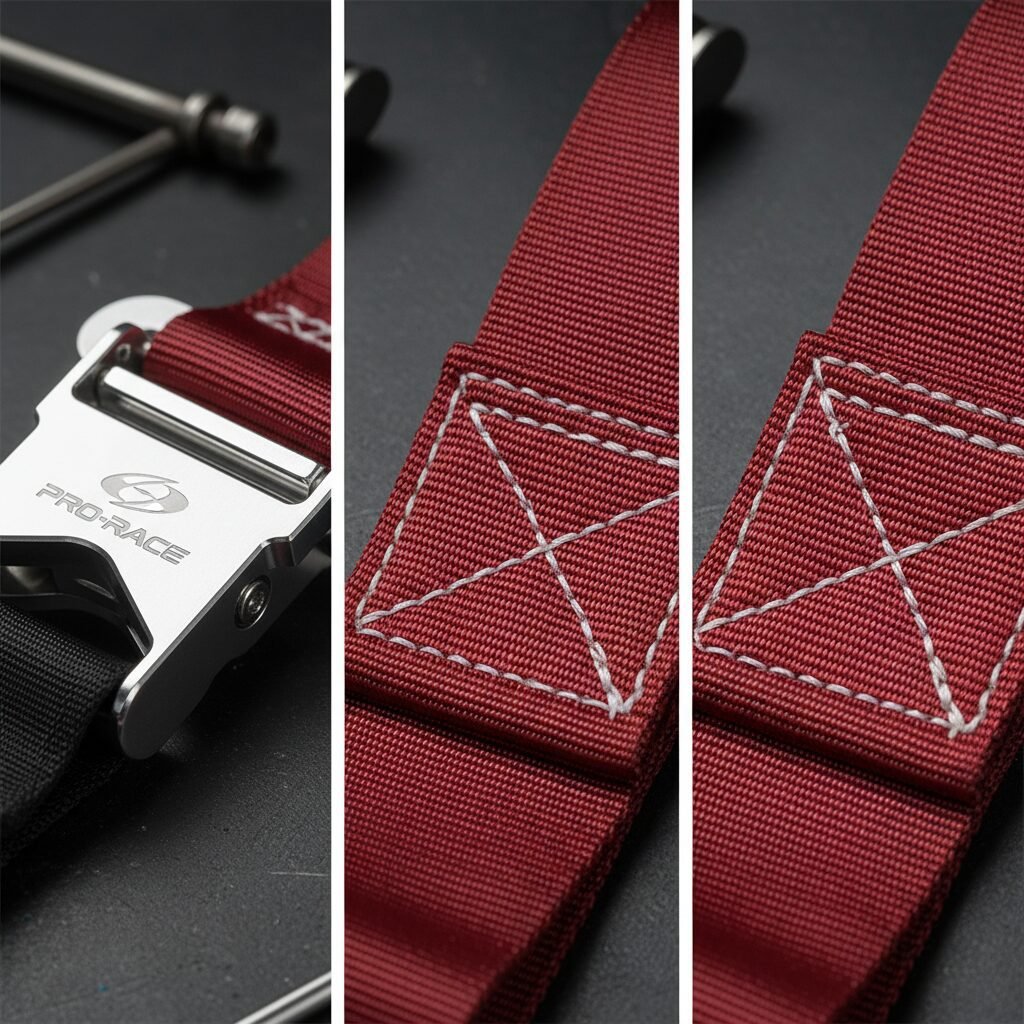
- All-Metal Hardware: Look for harnesses where all load-bearing components—buckles, adjustment sliders, and connection points—are made from solid, forged, or welded steel. Avoid plastic buckles and cheap, cast metal (often zinc or aluminum) that can shatter or deform under pressure.
- High-Tensile Strength Webbing: The harness material should be thick, durable nylon or polyester webbing, similar to what is used for human seatbelts. It should feel robust and substantial, not thin or flimsy.
- Reinforced Stitching: Examine the stitching at all connection points. A safe harness will use heavy-duty, industrial-grade thread with reinforced patterns (like box or X-stitching) to ensure seams do not rip apart under extreme force.
- Broad, Padded Chest Plate: The harness should feature a wide, padded chest plate. This is critical for distributing the immense forces of a crash across the strongest parts of the dog’s body (the chest and sternum), minimizing the risk of focused, crushing injuries. A thin strap can act like a rope, causing severe internal damage.
- Secure Vehicle Integration: The harness must connect to the vehicle’s seatbelt system directly. The safest designs utilize a tether that loops directly through the locked seatbelt in the back seat, creating a secure anchor point. Avoid harnesses that clip into the seatbelt buckle itself, as these clips are not strength-rated and can fail.
Expert Tip: Think of a car harness not as an accessory, but as critical safety equipment, like a child’s car seat. Scrutinize its construction with the same level of seriousness. The difference in quality between a $20 harness and a $100 CPS-certified harness is not just in the price—it’s in the engineering, materials, and life-saving capability.
Proper Fit and Use: Maximizing Your Harness’s Effectiveness
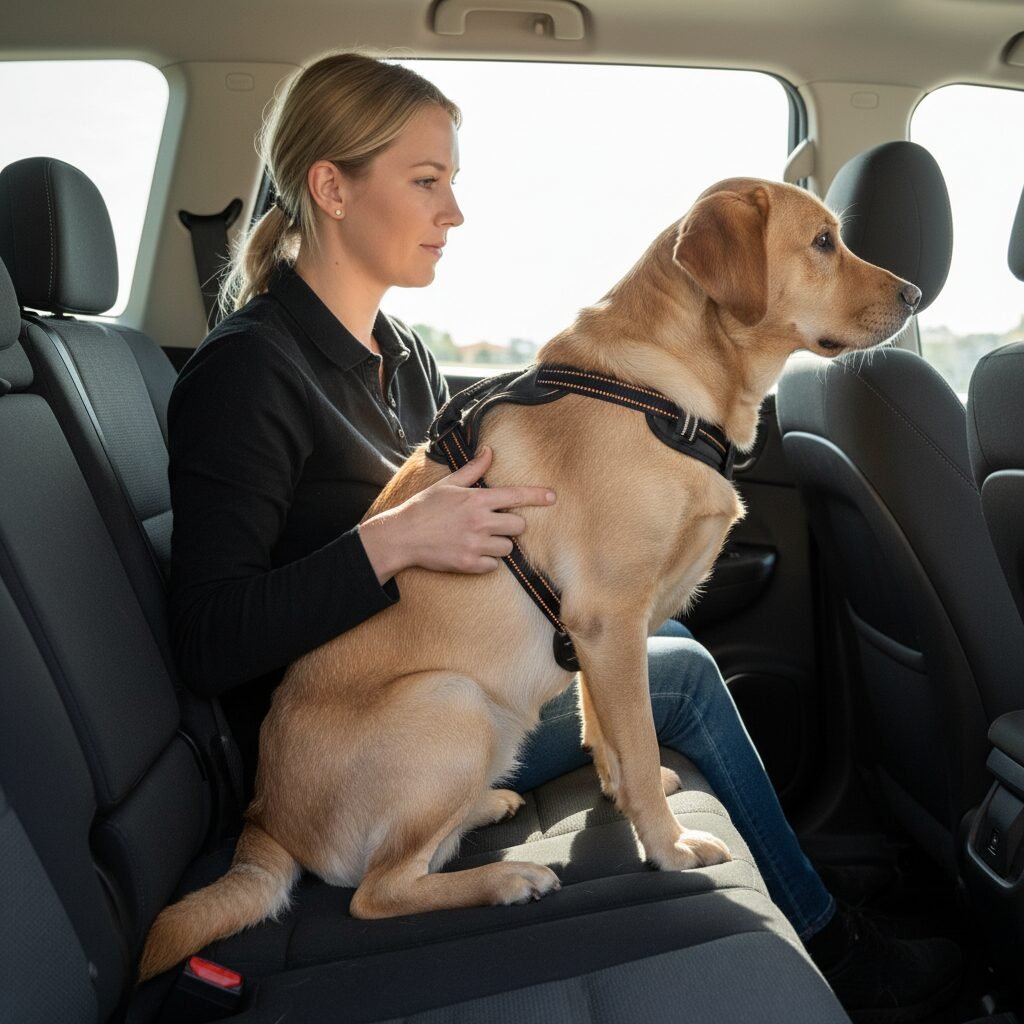
Purchasing a top-rated, crash-tested harness is only half the battle. Improper fit and incorrect use can render even the best equipment ineffective, or worse, dangerous. A harness that is too loose can allow for excessive movement and potential injury, while one that is too tight can be uncomfortable and restrict breathing. Following a precise procedure for fitting and securing your dog is non-negotiable.
A Step-by-Step Guide to a Secure Fit
- Accurate Measurement: Before purchasing, use a soft tailor’s tape to measure your dog according to the manufacturer’s specific guidelines. Most require a measurement of the chest girth at its widest point, just behind the front legs. Do not guess or estimate based on breed alone.
- Initial Fitting: When you receive the harness, put it on your dog in a calm, quiet environment. Loosen all the straps before you begin. Follow the instructions to place it over your dog’s head and clip it shut.
- The Two-Finger Rule: Adjust all straps for a snug, secure fit. You should be able to fit no more than two fingers snugly between the harness and your dog’s body at any point. The harness should not shift or rotate excessively when you gently pull on it.
- Check for Chafing: Ensure no straps are digging into your dog’s skin, particularly in the sensitive areas behind the front legs. The chest plate should sit squarely on the dog’s breastbone.
- Vehicle Integration: Always place your dog in the back seat. The front seat is dangerous due to the risk of airbag deployment, which can be fatal to a dog. Thread the vehicle’s seatbelt through the designated loop or tether on the harness, then click the seatbelt into its buckle. Ensure the seatbelt is locked (on most modern cars, you can do this by pulling the belt all the way out and then letting it retract).
- Tether Length: Adjust the tether length so your dog can comfortably sit or lie down, but cannot move around excessively, reach the front seat, or risk falling into the footwell.
Making the harness a positive experience is key. Use treats and praise during the fitting process and for the first few car rides. This will help your dog associate their safety harness with positive outcomes, making them more cooperative for future journeys.
Beyond the Harness: A Holistic Approach to Canine Car Safety
While a certified harness is the cornerstone of safe travel, a truly comprehensive safety plan involves a few additional considerations. Securing your dog is paramount, but creating a safe environment within the vehicle is just as important. This holistic approach minimizes risks and ensures every aspect of the journey is managed with your pet’s well-being in mind.
Additional Safety Protocols for Traveling with Your Dog
- Disable Passenger Airbags: Never place a dog in the front passenger seat if the airbag is active. The force of a deploying airbag is designed for an adult human and can cause severe or fatal injury to a dog. The back seat is always the safest location.
- Avoid Open Windows: It may be an iconic image, but allowing a dog to hang its head out of a moving vehicle’s window is extremely dangerous. They are at high risk of eye, ear, or head injuries from flying debris. They could also be tempted to jump or fall from the vehicle. Crack the window a few inches for airflow, but not enough for them to stick their head out.
- Secure Loose Objects: In a crash or even a sudden stop, loose objects in the car—water bottles, toys, groceries—become dangerous projectiles. Secure all items in the trunk or with cargo nets to prevent them from striking your pet.
- Consider Crash-Tested Crates: For some dogs, particularly those with anxiety or who are more destructive, a crash-tested crate may be a better option. These crates are also independently tested by the CPS and must be securely strapped down in the cargo area of the vehicle. They provide a self-contained safety cell for your pet.
- Never Leave a Dog Unattended in a Car: This cannot be overstated. A car’s interior temperature can rise to lethal levels in a matter of minutes, even on a seemingly mild day. Never leave your dog alone in a vehicle, not even for a moment.
By combining a top-quality restraint system with these safe travel habits, you create multiple layers of protection for your dog, ensuring their safety is not left to chance.
Conclusion
The journey to ensuring your dog’s safety in a vehicle begins with a crucial realization: not all safety products are created equal. The ‘shocking truth’ about most car harnesses is their fundamental inability to protect your pet when it matters most. By moving beyond marketing claims and seeking out the verifiable, independent certification of an organization like the Center for Pet Safety, you transform from a hopeful pet owner into an informed and empowered advocate for your dog’s life.
Investing in a high-quality, crash-tested harness is not an expense; it is an essential piece of safety equipment. It is a tangible expression of the love and responsibility we have for our canine family members. Take the time to research, measure for the perfect fit, and use the equipment correctly on every single trip. By doing so, you can buckle up with the quiet confidence that you have done everything in your power to protect your loyal companion, ensuring many more safe and happy adventures together.