Why Your Dog Hates Their Food Bowl and How Plate Feeding Changed Everything
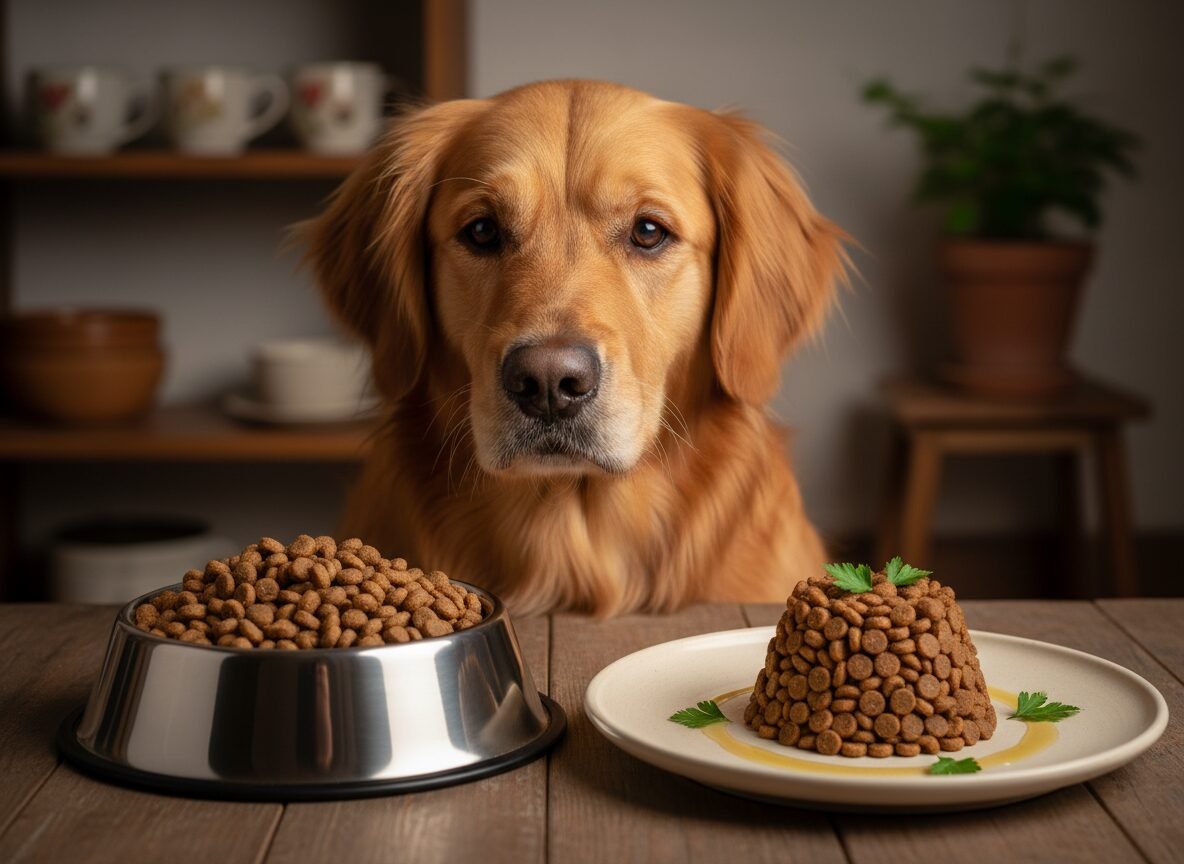
You’ve meticulously researched the best food, measured the perfect portion, and presented it with care. Yet, your dog approaches their bowl with hesitation, sniffs suspiciously, and either walks away or, more perplexingly, takes a mouthful of kibble only to drop it and eat it off the floor a few feet away. This frustrating scenario is more common than many pet owners realize and often leaves them wondering if their dog is sick, suddenly picky, or just plain strange. The truth is, the problem may not be the food at all—it might be the bowl itself. This phenomenon, often referred to as bowl aversion, stems from a variety of sensory, psychological, and physical factors. In this comprehensive guide, we will delve into the complex reasons why your dog might hate their food bowl and introduce a simple yet transformative solution: plate feeding. Prepare to change not just your dog’s dish, but their entire relationship with mealtime.
Decoding Your Dog’s Bowl Aversion: The Sensory Overload
A dog’s experience of the world is fundamentally different from our own, dominated by an incredibly powerful sense of smell and acute hearing. A standard food bowl, seemingly innocuous to us, can be a source of significant sensory discomfort for a canine. Understanding these issues is the first step toward resolving mealtime battles.
The Problem with Noise and Reflections
For many dogs, the clanging of their identification tags against a metal bowl can be startling. What is a minor jingle to us can be a loud, jarring noise right next to their sensitive ears every time they take a bite. This can create a negative association where the dog learns that eating from the bowl leads to an unpleasant sound. Similarly, the reflective surface of a shiny stainless steel bowl can be unnerving. Some dogs may be spooked by their own reflection, perceiving it as another animal approaching their food, which can trigger resource-guarding instincts or general anxiety.
Whisker Fatigue: A Real and Uncomfortable Condition
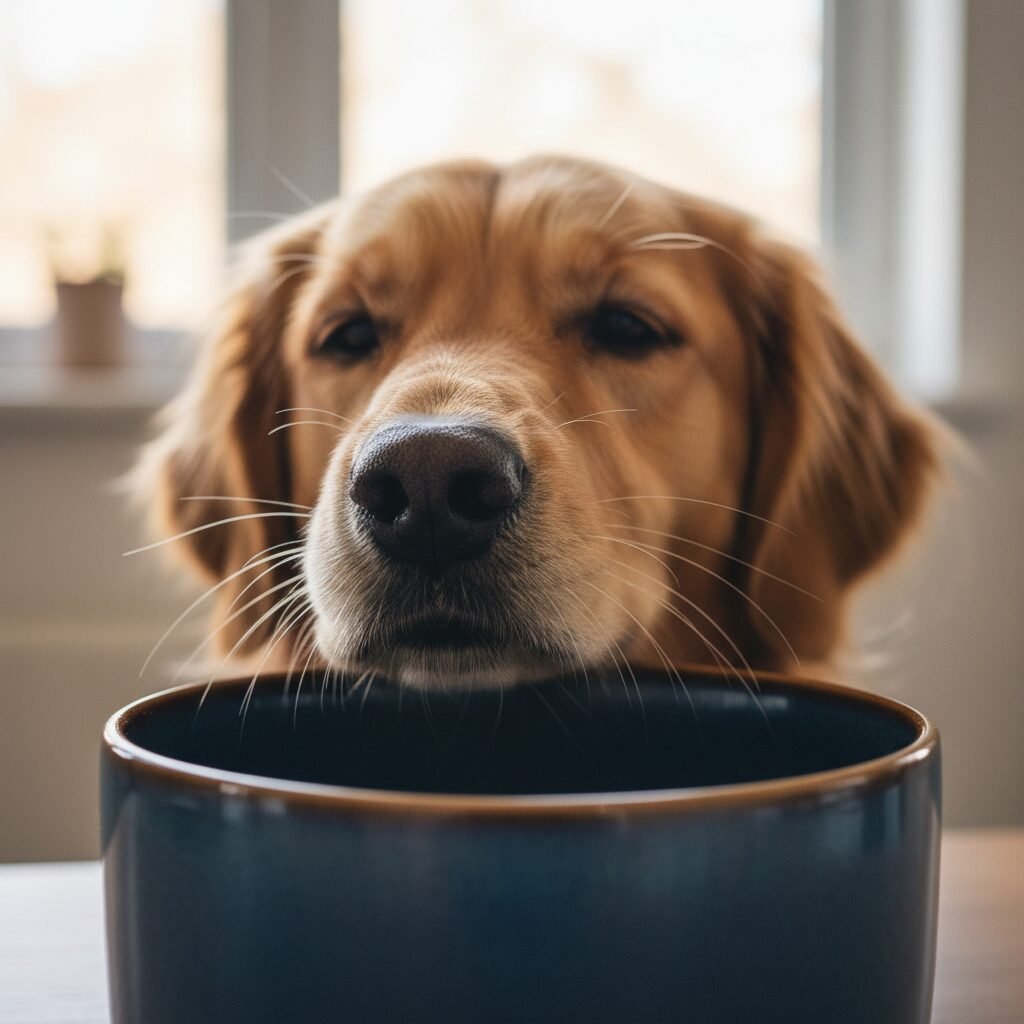
One of the most under-recognized causes of bowl aversion is whisker fatigue. A dog’s whiskers (or vibrissae) are not just hairs; they are complex sensory tools that transmit detailed information about their surroundings to the brain. When a dog tries to eat from a deep, narrow bowl, their sensitive whiskers are constantly brushed against the sides. This overstimulation can be uncomfortable, stressful, and even painful, leading the dog to avoid the sensation altogether. They may try to eat only from the very center of the bowl or resort to spilling the food onto the floor to eat it from a flat surface.
Expert Tip: Observe your dog’s body language around the bowl. Do they seem hesitant? Do they stretch their neck to reach the food without letting their face go deep into the bowl? These are classic signs of sensory discomfort.
Material and Cleanliness Concerns
The material of the bowl itself can be a major issue. Plastic bowls, especially as they age, can develop microscopic scratches that harbor bacteria and retain the odor of old food and cleaning products, even after washing. A dog’s powerful nose can easily detect these lingering smells, which may be unappetizing. Some dogs can also develop allergies or skin sensitivities to certain plastics, leading to a condition known as plastic dish acne. Even the soap you use to clean the bowl can leave a residue that offends your dog’s sense of smell and taste.
The Psychology of a Plate: Why It Works
Switching from a bowl to a plate might seem like a minor adjustment, but it fundamentally changes the dining experience from the dog’s perspective. It directly addresses the sensory and psychological barriers that a traditional bowl can create, fostering a more positive and comfortable mealtime environment.
Alleviating Sensory Stress
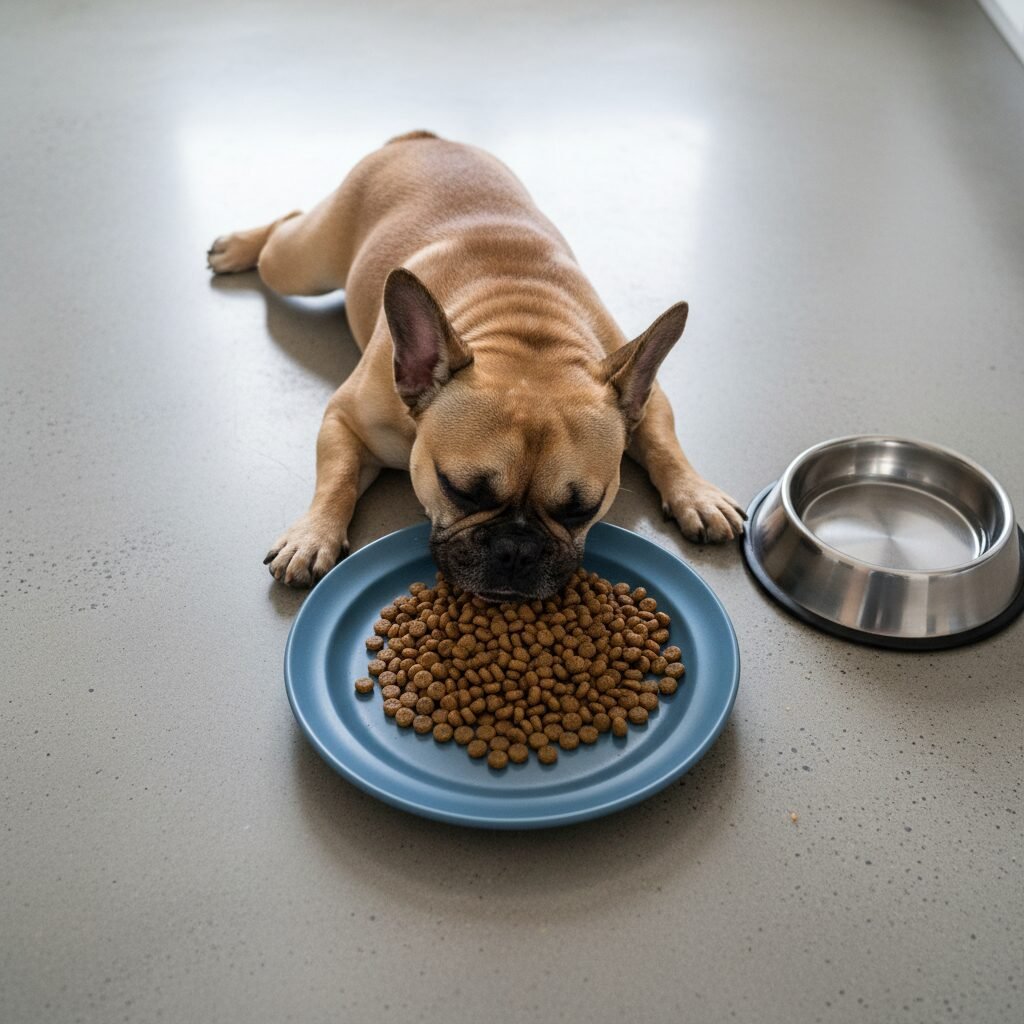
A flat or low-rimmed plate immediately eliminates the primary cause of whisker fatigue. The open, flat surface allows the dog to access their food without their sensitive whiskers constantly rubbing against the sides. This single change can provide immense relief and remove a major source of mealtime anxiety. Furthermore, a non-reflective ceramic or stoneware plate removes the visual disturbance of a reflection, allowing the dog to eat in peace without the perceived threat of another animal. The absence of a deep cavity also means there is no echo chamber for the sound of tags clinking, further reducing auditory stress.
Promoting a Natural Eating Posture
In the wild, canines are foragers, eating off the ground from relatively flat surfaces. A plate better mimics this natural way of eating. It allows for a wider field of vision, so the dog doesn’t have to put its head into a confined space. This can be particularly important for anxious dogs or those in multi-pet households, as it allows them to remain more aware of their surroundings, reducing the feeling of vulnerability that can come with eating from a deep bowl.
Improved Accessibility and Enjoyment
For brachycephalic (flat-faced) breeds like Pugs, Bulldogs, and French Bulldogs, deep bowls can present a physical challenge, making it difficult for them to breathe and eat simultaneously. A plate makes the food much more accessible. It’s also beneficial for older dogs who may have arthritis or neck pain, as they don’t have to reach as far down. By spreading the food out on a plate, you also engage their sense of sight and smell more effectively, which can make the meal more appealing and encourage a more enthusiastic eating response.
When It’s Not the Bowl: Ruling Out Underlying Health Issues
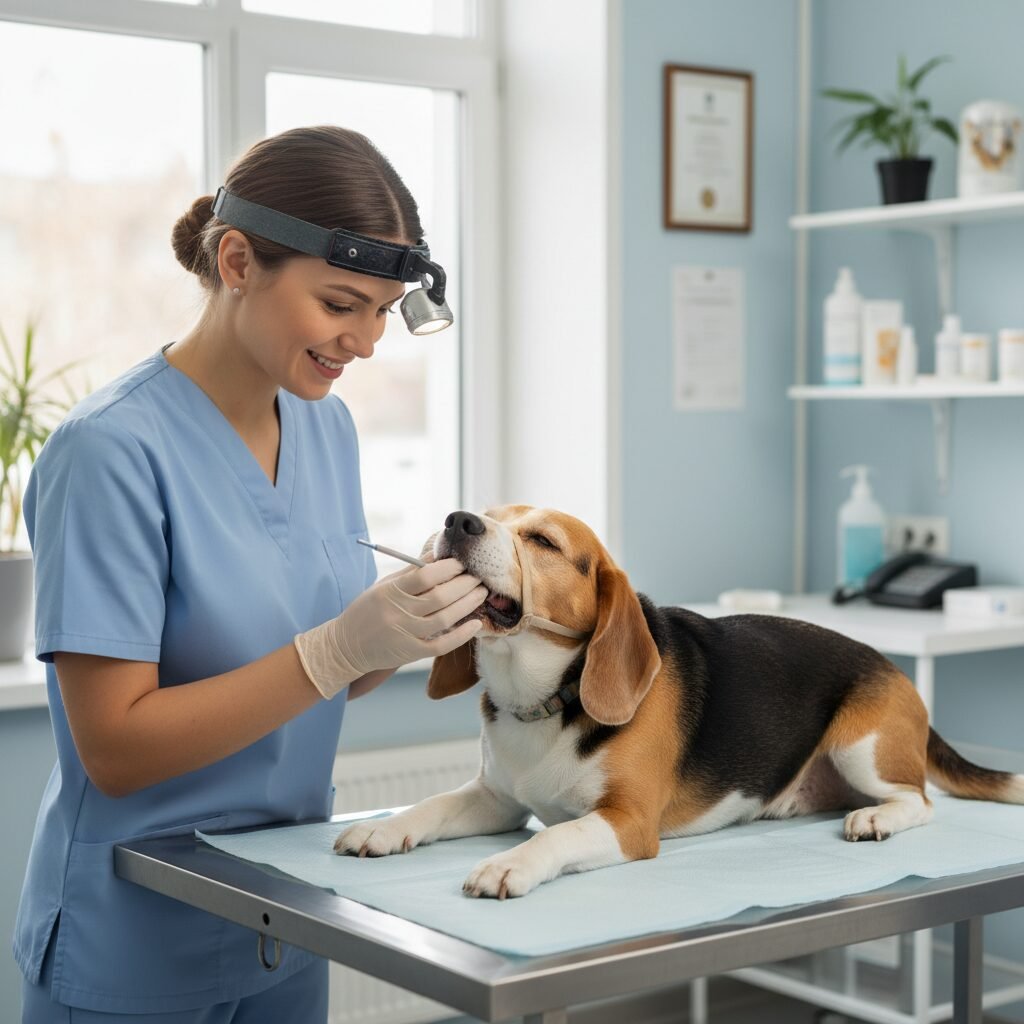
While bowl aversion is a common behavioral issue, it is absolutely critical to rule out any underlying medical conditions before making changes to your feeding routine. A sudden change in eating habits is often one of the first signs of a health problem, and attributing it solely to the bowl without a proper veterinary check-up can be a dangerous oversight.
Dental and Oral Pain
One of the most frequent medical reasons for a dog to avoid their food bowl is dental pain. Conditions like a broken tooth, an abscess, gum disease (periodontitis), or an oral tumor can make the act of chewing intensely painful. A dog experiencing such pain may be hungry and approach their food, but shy away at the last second when they anticipate the discomfort. They might be more willing to eat soft food than hard kibble, or they may drop food from their mouths while trying to chew.
Gastrointestinal and Systemic Illness
Nausea is a powerful appetite suppressant. If your dog is feeling sick due to gastrointestinal upset, pancreatitis, kidney disease, or another systemic illness, they will lose their appetite. This lack of interest in food can be easily mistaken for pickiness or an issue with the bowl. If the change in eating habits is accompanied by other symptoms like vomiting, diarrhea, lethargy, or increased thirst, a visit to the veterinarian is imperative.
Musculoskeletal Pain
Pain in the neck, back, or joints can make bending down to a food bowl on the floor an arduous task. This is especially common in senior dogs with arthritis or dogs with spinal issues like Intervertebral Disc Disease (IVDD). They might eat if you raise the bowl or hand-feed them, which could lead you to believe the bowl itself is the problem, when in reality it’s the posture required to reach it.
When to See a Vet Immediately: If your dog’s refusal to eat lasts more than 24 hours or is accompanied by any of the following symptoms, seek veterinary care: lethargy, vomiting, diarrhea, weakness, pale gums, or signs of pain (whimpering, reluctance to move).
A thorough examination by your veterinarian can identify or rule out these medical causes. Only once your dog has a clean bill of health should you begin to explore behavioral solutions like plate feeding.
Making the Switch: A Practical Guide to Plate Feeding
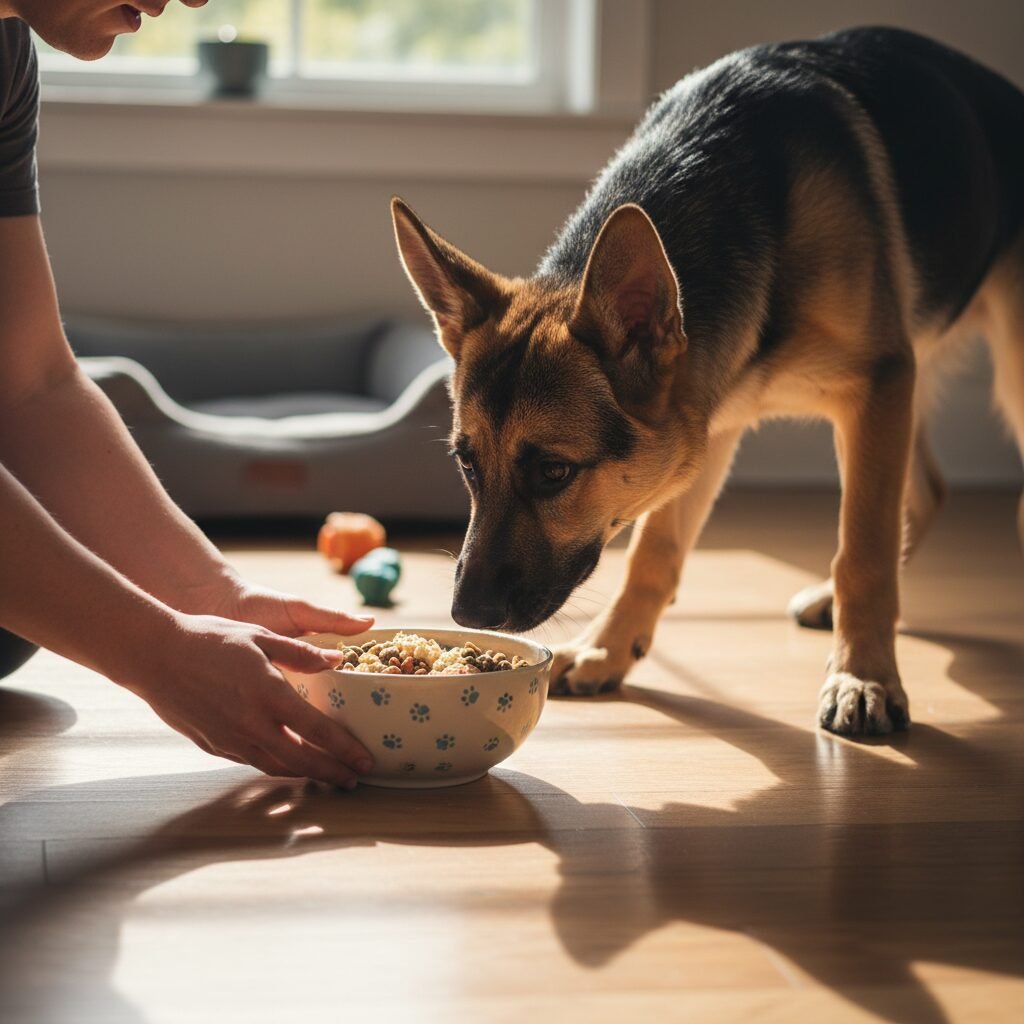
Once you’ve determined the issue is behavioral and not medical, transitioning to plate feeding is a straightforward process. However, a little planning can ensure the switch is smooth and successful for both you and your dog.
Choosing the Right Plate
Not all plates are created equal. The ideal plate for your dog should be:
- Heavy and Sturdy: Choose ceramic, stoneware, or a heavy-duty, food-grade plastic plate that won’t slide around easily. A lightweight plate can move as your dog eats, which can be just as frustrating as the bowl.
- Non-Slip: Look for a plate with a rubber base or place it on a non-slip mat to keep it stationary.
- The Right Size: The plate should be large enough to hold a full meal with plenty of space around the edges, allowing the food to be spread out.
- Safe and Non-Toxic: Ensure the plate is lead-free and food-safe. Human-grade dinner plates work perfectly well. Avoid chipped or cracked plates, as these can harbor bacteria.
The Transition Process: Step-by-Step
While many dogs will take to a plate immediately, a gradual introduction can help more cautious pets adjust.
- Initial Introduction: Place the new, empty plate on the floor for your dog to sniff and investigate. Drop a few high-value treats onto it to create a positive association.
- First Meal: For the first meal, try placing the new plate next to their old bowl. Put a small amount of food in the old bowl and the majority of the meal on the new plate. This gives them a choice but encourages them to try the plate.
- Full Switch: Once your dog is comfortably eating from the plate, you can remove the old bowl entirely. Serve all meals on the plate moving forward.
- Establish a Routine: Feed your dog on the plate in the same location and at the same times as you did with the bowl to maintain a consistent routine.
Maintaining Hygiene
Just like with a bowl, hygiene is paramount. Wash the plate thoroughly with hot, soapy water after every meal to prevent the buildup of bacteria. Plates are often easier to clean than deep bowls, as there are no hard-to-reach corners. Most ceramic and stoneware plates are also dishwasher-safe, simplifying the cleaning process.
Beyond the Plate: Other Solutions and Enrichment Feeders
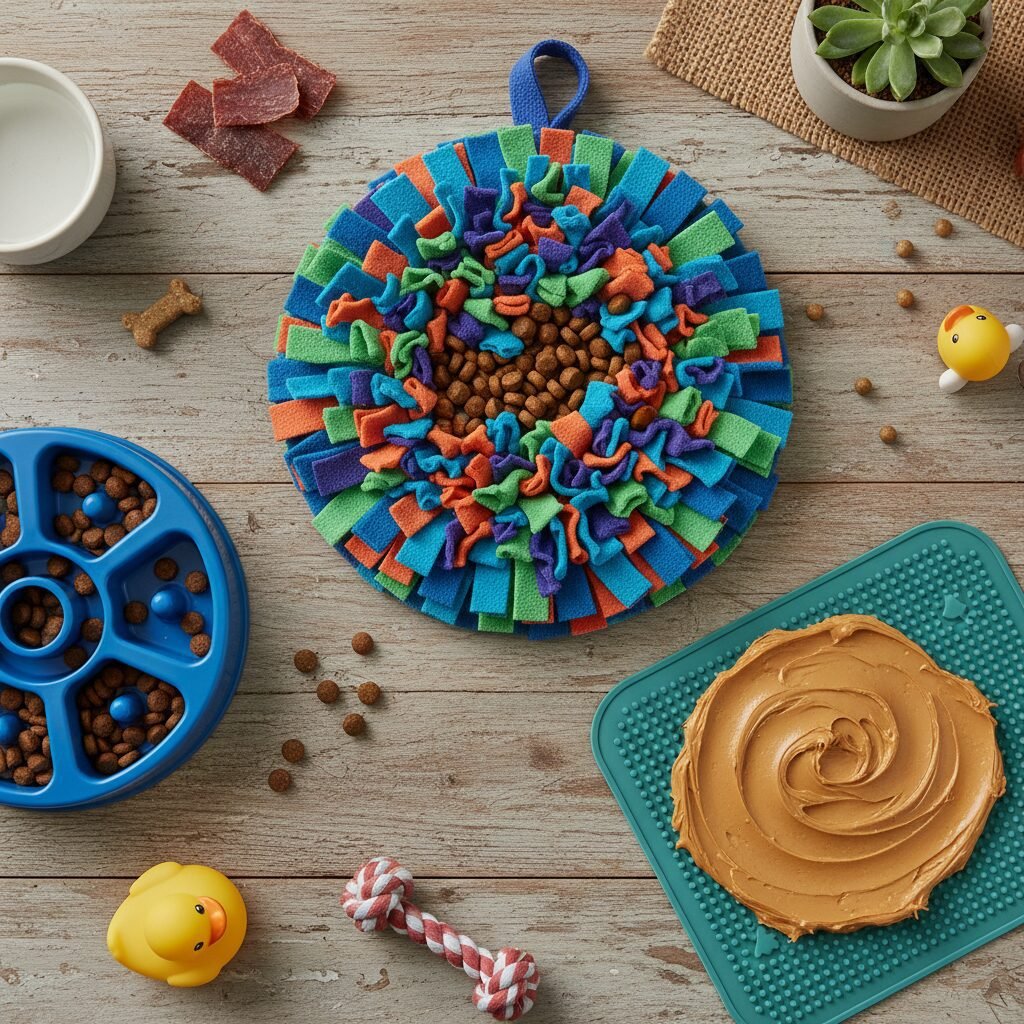
Plate feeding is a fantastic solution for bowl aversion, but it’s also a gateway to exploring other feeding methods that can provide mental stimulation and enrichment. If your dog responds well to the plate, they may also enjoy other alternatives that turn mealtime into a fun and engaging activity.
Snuffle Mats
A snuffle mat is a fabric mat with many fleece strips tied to it, designed to hide dry kibble. It encourages your dog to use their powerful nose to forage for their food, mimicking their natural instincts. This not only slows down fast eaters but also provides a great deal of mental enrichment, which can help reduce anxiety and boredom. It’s an excellent option for high-energy dogs who need a constructive outlet.
Puzzle Feeders and Food Toys
Puzzle feeders are toys that require the dog to solve a simple problem—like sliding a panel, lifting a cone, or rolling a ball—to dispense their food. These come in a huge variety of shapes, sizes, and difficulty levels. They are a superb way to make meals last longer and to challenge your dog’s brain. For dogs that are food-motivated, using a puzzle feeder can be a highlight of their day.
| Feeder Type | Best For | Primary Benefit |
|---|---|---|
| Plate Feeding | Dogs with whisker fatigue, anxiety, or brachycephalic breeds. | Reduces sensory stress and improves accessibility. |
| Snuffle Mat | Dogs who love to sniff; fast eaters. | Encourages natural foraging instincts and provides mental stimulation. |
| Puzzle Feeder | Intelligent, high-energy, or bored dogs. | Challenges the mind and slows down eating. |
| Lick Mats | Anxious dogs; use with wet food or spreads. | Promotes calming behavior through licking; good for distraction. |
Lick Mats
A Lick Mat is a flat mat, often made of silicone, with textured surfaces. You can spread wet food, yogurt, or peanut butter onto it. The act of licking is inherently calming for dogs, as it releases endorphins. Lick mats are wonderful tools for reducing stress during situations like thunderstorms or grooming. They also slow down eating and can help improve oral hygiene by scraping the tongue.
By diversifying how you feed your dog, you do more than just solve a problem like bowl aversion. You enrich their daily life, build their confidence, and strengthen the bond you share. Mealtime can become more than just a necessity; it can be a joyful and stimulating part of their day.
Conclusion
The frustration of watching your dog refuse to eat from their bowl can be disheartening, but the solution is often simpler than you might think. By looking at the world from your dog’s sensory perspective, we can see that a food bowl is not always a neutral object. It can be a source of loud noises, strange reflections, and physical discomfort like whisker fatigue. Plate feeding offers a direct and effective remedy, addressing these issues by providing a calm, comfortable, and more natural dining experience. However, it remains crucial to first consult your veterinarian to rule out any underlying health problems that could be affecting your dog’s appetite. Once your dog has a clean bill of health, embracing a change as simple as switching to a plate, or exploring enrichment feeders like snuffle mats and puzzles, can completely transform mealtime from a source of stress into a moment of happy engagement. Pay attention to your dog’s subtle cues—they are always communicating with you. A small change on your part can make a world of difference in their daily comfort and happiness.