
If Your Dog Presses Their Head Against the Wall, Go to the Vet Immediately
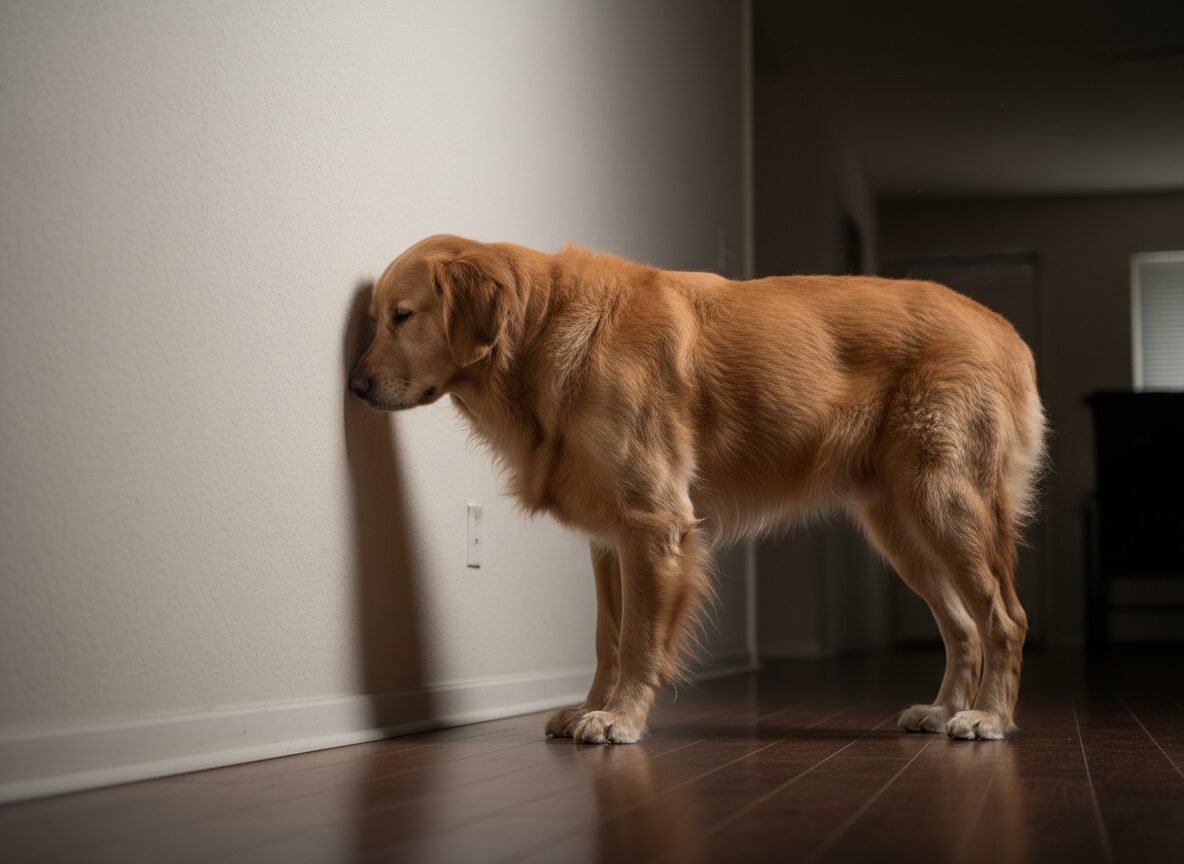
As a pet owner, you become intimately familiar with your dog’s unique personality, quirks, and behaviors. You know the difference between a playful bark and a warning growl, the specific tail wag for excitement versus contentment. However, some behaviors fall far outside the realm of normal quirks and serve as alarming red flags for severe medical issues. Head pressing is one such behavior. It may look strange or even harmless at first glance, but it is a compulsive act that almost always indicates significant underlying disease.
This is not the same as your dog affectionately bumping its head against you for attention or resting its head on a surface while sleeping. True head pressing is the compulsive act of pressing the head against a wall, a corner, the floor, or another firm object for no apparent reason, often for extended periods. It is a clear sign of damage or dysfunction within the nervous system. Recognizing this behavior and understanding its gravity is the first, most critical step you can take. This guide will provide an in-depth, authoritative overview of head pressing, its potential causes, the diagnostic process you can expect at the veterinary clinic, and why immediate action is not just recommended—it is imperative.
Understanding Head Pressing: More Than Just an Odd Habit
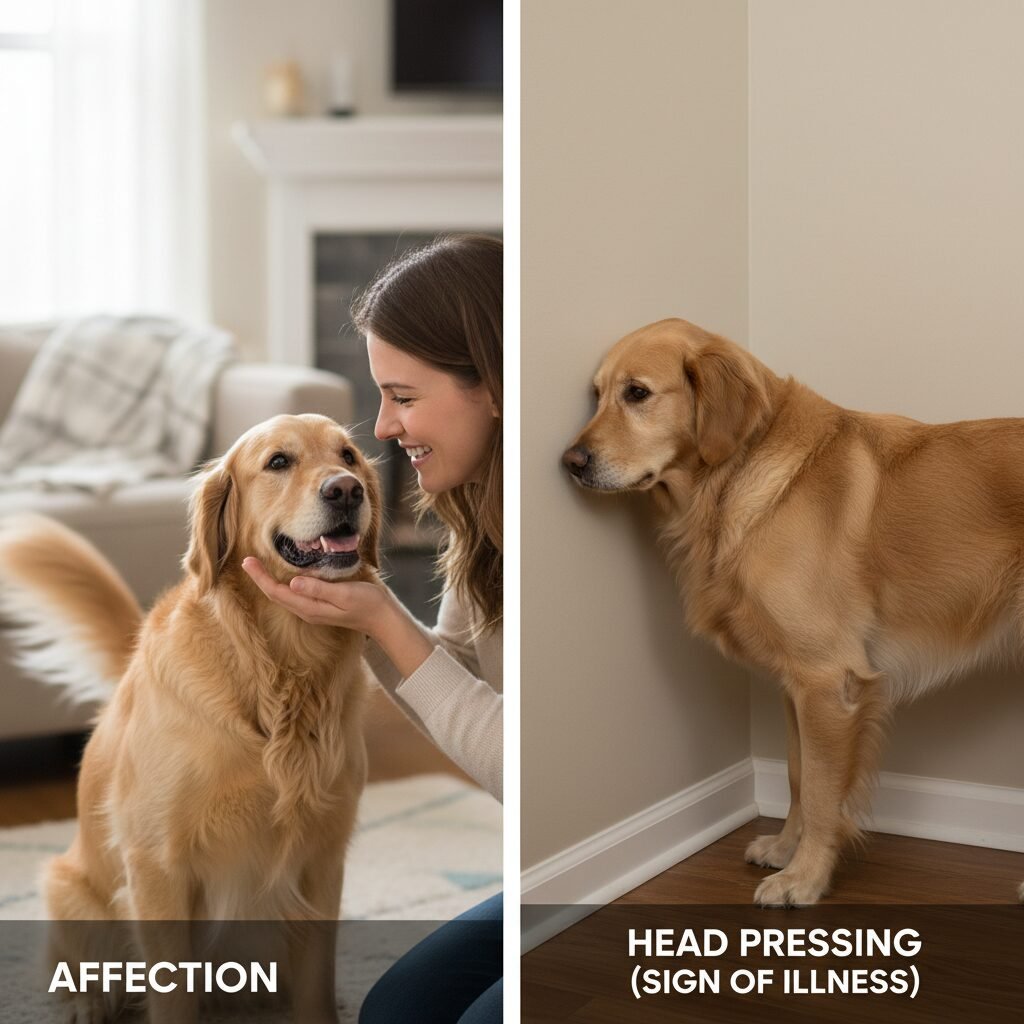
To effectively respond to head pressing, one must first be able to accurately identify it and distinguish it from other, more benign behaviors. Many owners might initially dismiss it, thinking their dog is simply being stubborn, trying to get comfortable, or exhibiting a new, strange habit. This misunderstanding can lead to dangerous delays in seeking veterinary care.
Defining the Behavior
Head pressing is characterized by the following actions:
- Compulsive Pressing: The dog will stand close to a vertical surface and press the crown of its head against it. This is a sustained, intentional-looking act, not a brief touch.
- Stationary Stance: Often, the dog will remain in this position, motionless, for several minutes at a time. They may seem ‘stuck’ or unresponsive.
- Indiscriminate Surfaces: This behavior is not limited to walls. A dog may press its head against corners, furniture, doors, or even the floor.
It is crucial to differentiate this from common, affectionate gestures. A dog that nudges you with its head (a behavior sometimes called ‘bunting’) is communicating or seeking interaction. A dog that rests its head on your lap or a pillow is simply getting comfortable. Head pressing lacks this context of comfort or communication; it is a sign of internal distress and confusion.
Expert Tip: Observe the context. If the behavior is sustained, appears involuntary, and is directed at a hard, inanimate object without any clear purpose, you are likely witnessing head pressing. Note the duration and frequency to report to your veterinarian.
The Serious Medical Conditions Behind Head Pressing
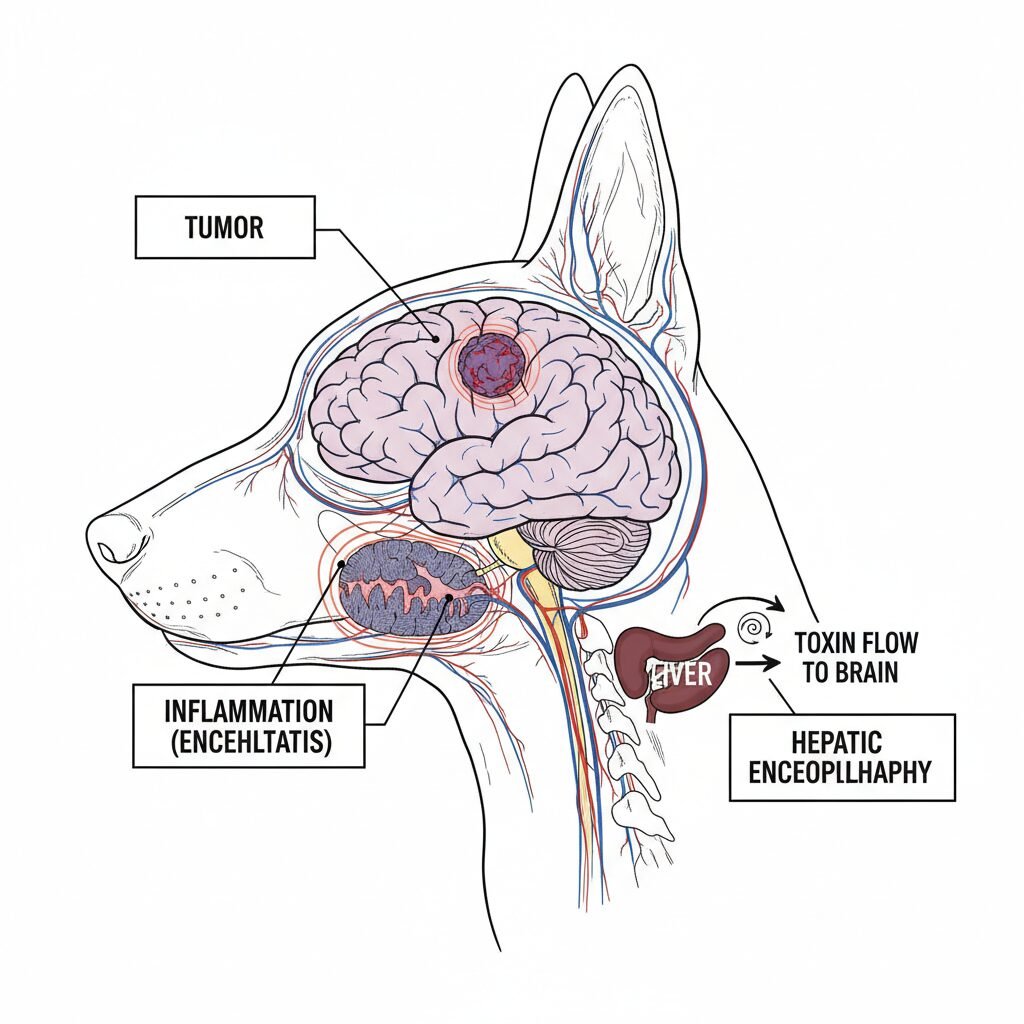
Head pressing is a clinical sign, not a disease in itself. It points to a problem within the central nervous system, specifically the forebrain and thalamus, which are responsible for a wide range of functions. The pressure sensation may be an attempt by the dog to alleviate pain or discomfort caused by a neurological condition. The list of potential underlying causes is extensive and includes several life-threatening conditions.
Primary Causes
- Prosencephalon Disease: This is a broad term for any disease affecting the forebrain. The forebrain controls conscious thought, behavior, and sensory information. A tumor, inflammation, or injury in this area is a common cause of head pressing.
- Metabolic Disorders: The brain requires a delicate balance of nutrients and chemicals to function. Conditions that disrupt this balance can lead to neurological signs. A primary example is hepatic encephalopathy, a condition where a damaged liver can no longer remove toxins from the blood, leading to a toxic buildup that affects the brain. Other metabolic causes include severe electrolyte imbalances (hyponatremia or hypernatremia) or dangerously low blood sugar (hypoglycemia).
- Brain Tumors: Both primary tumors (originating in the brain) and metastatic tumors (spreading to the brain from elsewhere) can create pressure and damage brain tissue, leading to symptoms like head pressing and seizures.
- Toxic Poisoning: Ingestion of neurotoxins can cause severe brain swelling and damage. Lead poisoning is a classic example, but other toxins like ethylene glycol (antifreeze) or certain pesticides can also be responsible.
- Inflammatory and Infectious Diseases: Infections can cause inflammation of the brain (encephalitis), the membranes surrounding it (meningitis), or both (meningoencephalitis). These can be caused by viruses (like rabies or canine distemper), bacteria, fungi, or protozoa.
- Head Trauma: A significant injury to the head can cause swelling, bleeding, or direct damage to the brain tissue, resulting in a range of neurological signs, including head pressing.
- Stroke (Cerebrovascular Accident): Just like in humans, a dog can suffer from a stroke when the blood supply to a part of the brain is disrupted, leading to tissue death.
Companion Symptoms: What Else to Look For

Head pressing is a dramatic symptom, but it rarely appears in isolation. Observing and reporting any other concurrent signs is invaluable for your veterinarian, as the full clinical picture helps narrow down the potential diagnoses. If you see your dog head pressing, take a moment to assess them for other abnormalities.
Look for these associated neurological and behavioral signs:
- Pacing or Circling: The dog may walk in circles, always in the same direction, or pace restlessly back and forth. This often indicates a lesion or problem on one side of the brain.
- Seizures: Seizures can range from grand mal (full-body convulsions) to focal (subtle twitching or ‘fly-biting’ behavior). Head pressing can occur before, after, or independently of seizure activity.
- Vision Problems: The dog may seem blind, bump into objects, or have a vacant stare. You might notice their pupils are dilated or non-responsive to light.
- Changes in Behavior: A normally calm dog may become irritable, or an active dog may become lethargic and unresponsive. Any drastic shift from their baseline personality is a significant concern.
- Gait Abnormalities (Ataxia): The dog may appear drunk or wobbly, with an uncoordinated walk. They might drag their paws or have difficulty placing their feet correctly.
- Facial Nerve Deficits: Look for a droop on one side of the face, a lowered ear, or the inability to blink one eye.
- Vocalization: Unexplained whining, crying, or howling can indicate pain or confusion.
What to Expect at the Veterinary Clinic: The Diagnostic Journey
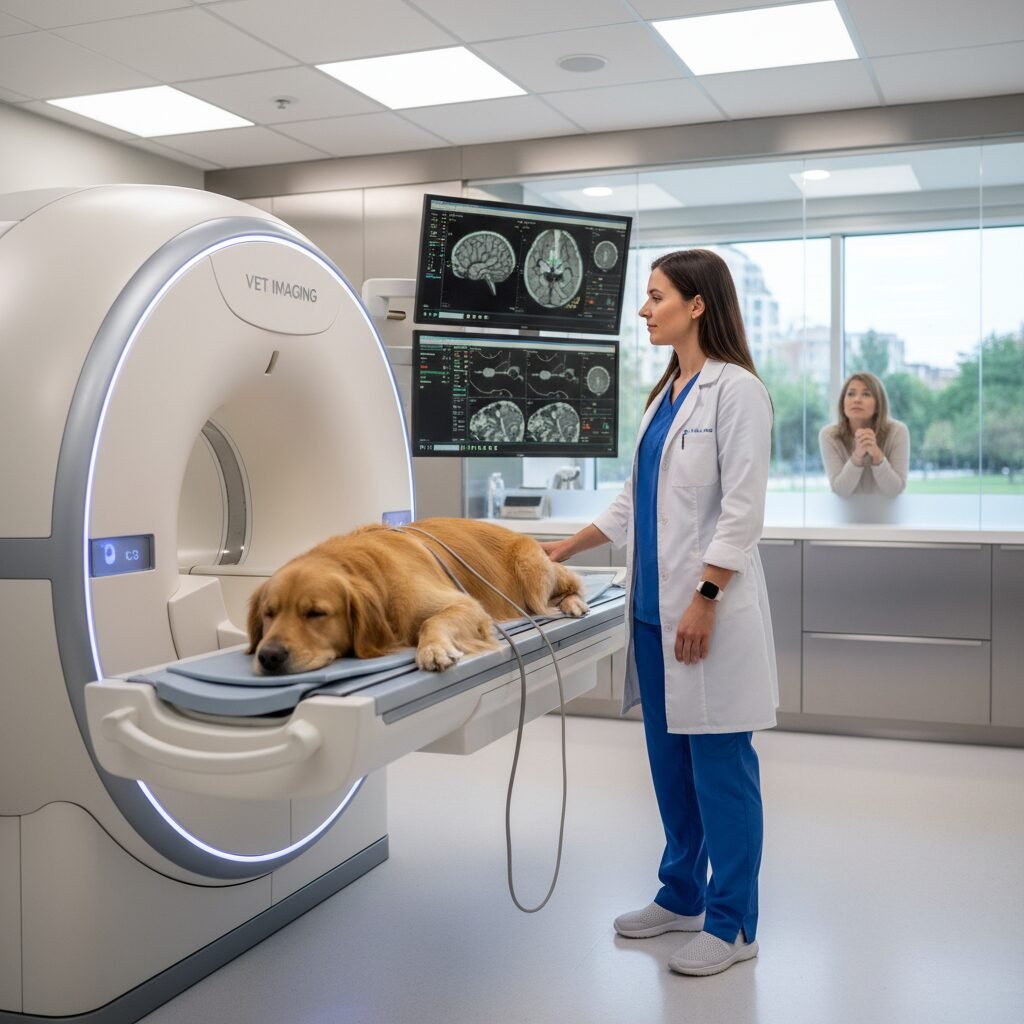
When you witness head pressing, your first and only action should be to contact a veterinarian immediately. This is a true medical emergency, and you should ideally go to an emergency veterinary hospital that is equipped for critical cases.
Immediate Steps for the Owner
- Call Ahead: Inform the veterinary clinic that you are on your way with a dog exhibiting head pressing. This allows them to prepare for your arrival.
- Ensure Safe Transport: Your dog is likely disoriented and possibly in pain. Keep them secure in a crate or with a harness during transport to prevent injury to themselves or you.
- Provide a Detailed History: Be prepared to tell the veterinarian when the behavior started, any other symptoms you’ve noticed, and any potential exposure to toxins or recent injuries.
The Veterinary Evaluation
Upon arrival, the veterinary team will act quickly to stabilize your pet and begin the diagnostic process. This typically involves a multi-step approach:
| Diagnostic Step | Purpose |
|---|---|
| Physical & Neurological Exam | The veterinarian will assess reflexes, cranial nerves, vision, gait, and mental awareness to localize the problem within the nervous system. |
| Comprehensive Blood Work | A Complete Blood Count (CBC) and chemistry panel will check for signs of infection, inflammation, and metabolic problems like liver disease or electrolyte abnormalities. |
| Urinalysis | This test provides further information on kidney function and can help diagnose metabolic conditions. |
| Blood Pressure Measurement | High blood pressure (hypertension) can lead to neurological events like strokes. |
| Advanced Imaging (MRI/CT) | An MRI or CT scan is often necessary to get a direct look at the brain. These tools are the gold standard for diagnosing tumors, strokes, swelling, and structural abnormalities. |
| Cerebrospinal Fluid (CSF) Tap | If inflammation or infection is suspected, a sample of the fluid surrounding the brain and spinal cord is collected and analyzed for abnormal cells or infectious agents. |
This thorough workup is essential because the treatment and prognosis are entirely dependent on an accurate diagnosis.
Navigating Treatment Options and Prognosis

Once a diagnosis is made, your veterinarian will develop a treatment plan tailored to the specific underlying cause. The goal of immediate treatment is often to stabilize the patient by controlling seizures, reducing brain swelling, and providing supportive care.
Targeted Treatments
- Infections: Bacterial infections are treated with aggressive antibiotic therapy. Fungal or protozoal diseases require specific long-term medications.
- Inflammation: Autoimmune or inflammatory conditions are typically managed with corticosteroids or other immunosuppressive drugs to reduce swelling and calm the immune response.
- Metabolic Disease: For hepatic encephalopathy, treatment involves a special diet, antibiotics to reduce toxin-producing bacteria in the gut, and medications like lactulose to help remove ammonia from the body.
- Toxins: Treatment involves removing the source of the toxin, administering an antidote if one exists, and providing intensive supportive care (such as IV fluids and anti-seizure medication) while the body processes the poison.
- Brain Tumors: The options depend on the tumor type and location. They may include surgery, radiation therapy, chemotherapy, or palliative care focused on managing symptoms and maintaining quality of life.
Understanding the Prognosis
The prognosis for a dog exhibiting head pressing varies dramatically based on the cause. For some conditions, like a successfully treated metabolic issue or certain types of infections, the prognosis can be good if caught early. However, for more severe conditions like aggressive brain tumors or extensive brain trauma, the prognosis may be guarded to poor. Early and aggressive intervention provides the best possible chance for a positive outcome. The key takeaway is that waiting to seek help significantly worsens the prognosis for nearly every potential cause.
Conclusion
The sight of your dog pressing its head against a wall is deeply unsettling, and for good reason. It is one of the most unambiguous signals a dog can give that something is gravely wrong within its body, specifically its central nervous system. It is not a cry for attention or a behavioral issue to be trained away; it is a medical emergency of the highest order. Your role as a responsible and loving pet owner is to recognize the gravity of this sign and act without hesitation. Do not search for home remedies or adopt a ‘wait and see’ approach. Your immediate response—calling your veterinarian and seeking emergency care—is your dog’s most powerful defense against the serious conditions that cause this behavior. By understanding the potential causes and the importance of a swift diagnostic process, you equip yourself to be the best possible advocate for your companion’s health and well-being.