Escape Artist: Childproofing Your Home Against Smart Dogs
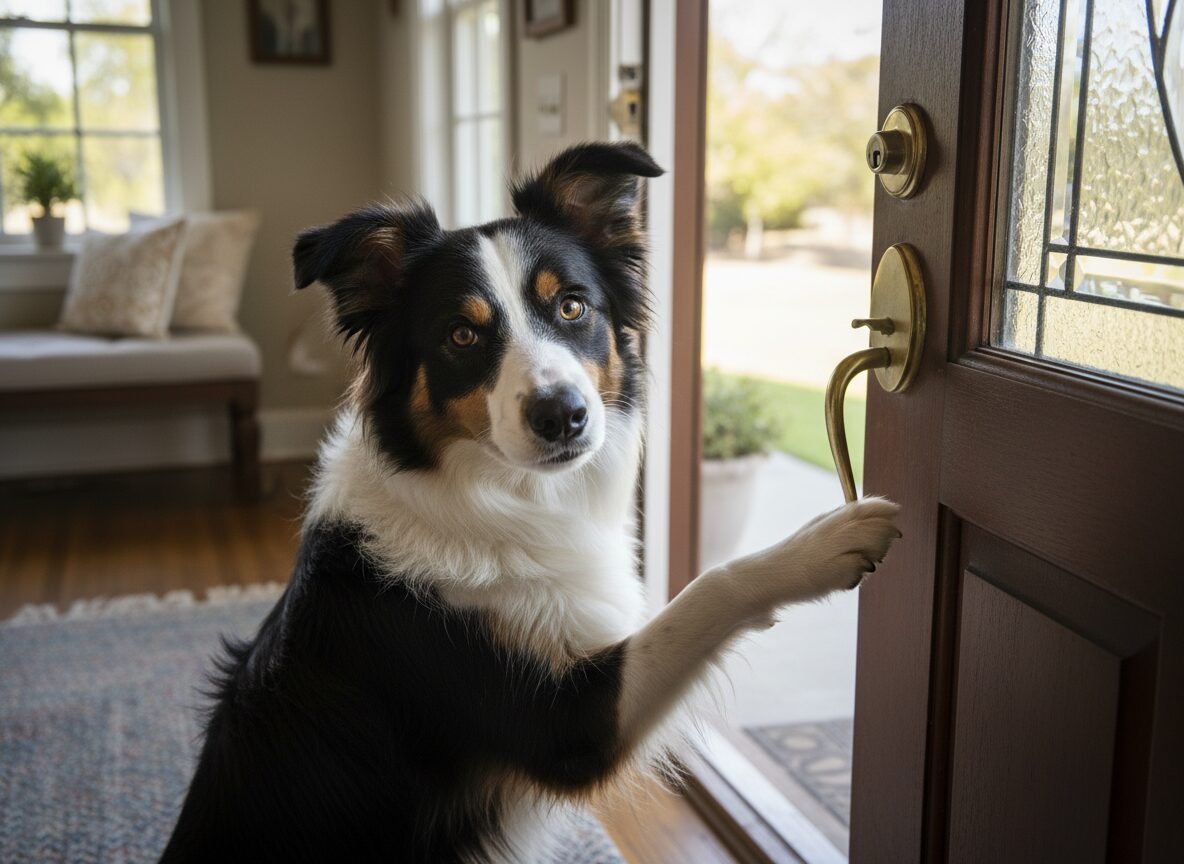
Owning an intelligent dog is a double-edged sword. While their quick learning and problem-solving abilities are a source of immense pride, these same traits can manifest in astonishing feats of escapology. The ‘Houdini Hound’ who can open doors, unlatch gates, or scale fences is a common challenge for owners of breeds like Huskies, Border Collies, and German Shepherds. It’s crucial to understand that this behavior is not born from malice or a lack of love; it’s a complex interplay of instinct, intelligence, boredom, and anxiety. Viewing your home through the eyes of a determined canine is the first step toward creating a secure environment. This guide provides a comprehensive, multi-layered strategy, moving beyond simple fixes to address the physical environment and the psychological drivers behind your dog’s desire to roam. We will explore how to conduct a thorough security audit, implement robust management tools, and employ targeted training techniques to keep your brilliant companion safely by your side.
Understanding the ‘Why’: The Psychology Behind Canine Escapes
Before you can effectively fortify your home, you must understand your dog’s motivation. An escape is rarely a random act; it is the culmination of a desire or need that is not being met. By identifying the root cause, you can tailor your approach for maximum effectiveness.
Common Motivators for Escape Artists:
- Boredom and Lack of Stimulation: This is arguably the most common culprit, especially for high-energy, intelligent breeds. A dog without a ‘job’—be it physical exercise or mental puzzles—will invent one. Exploring the world beyond the fence is an incredibly stimulating adventure.
- Separation Anxiety: For some dogs, the departure of their owner triggers intense panic. The escape is not about seeking adventure but about a desperate attempt to reunite with their human family. These dogs often exhibit other signs of anxiety, such as destructive behavior or vocalization when left alone.
- Fear and Phobias: Loud noises like thunderstorms, fireworks, or construction can send a terrified dog into fight-or-flight mode. Their primary instinct is to flee the source of the fear, which can lead them to break through windows, doors, or fences in a state of pure panic.
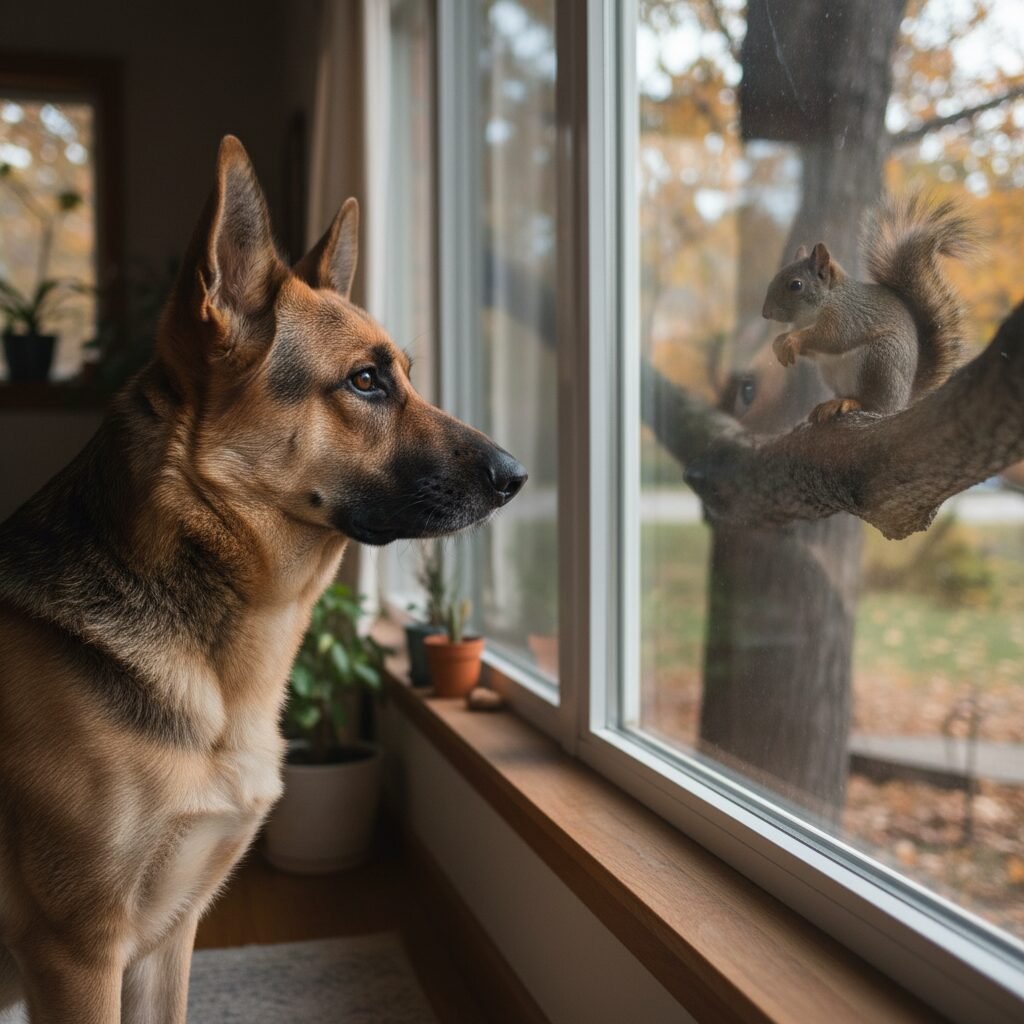
- Prey Drive: The sight or scent of a squirrel, cat, or other small animal can trigger a powerful, innate prey drive. In that moment, the dog’s focus narrows, and the drive to chase can easily override their training and memory of boundaries.
- Mating Instincts: An intact male dog can smell a female in heat from miles away, creating an almost irresistible urge to escape and seek her out. Similarly, an intact female may try to roam to find a mate. Spaying or neutering is a critical first step in curbing this specific motivation.
Expert Tip: Keep a journal of your dog’s escapes. Note the time of day, weather conditions, and what was happening just before the event. This data can reveal patterns that point directly to the underlying cause of the behavior.
The Great Escape Audit: Securing Your Home and Yard
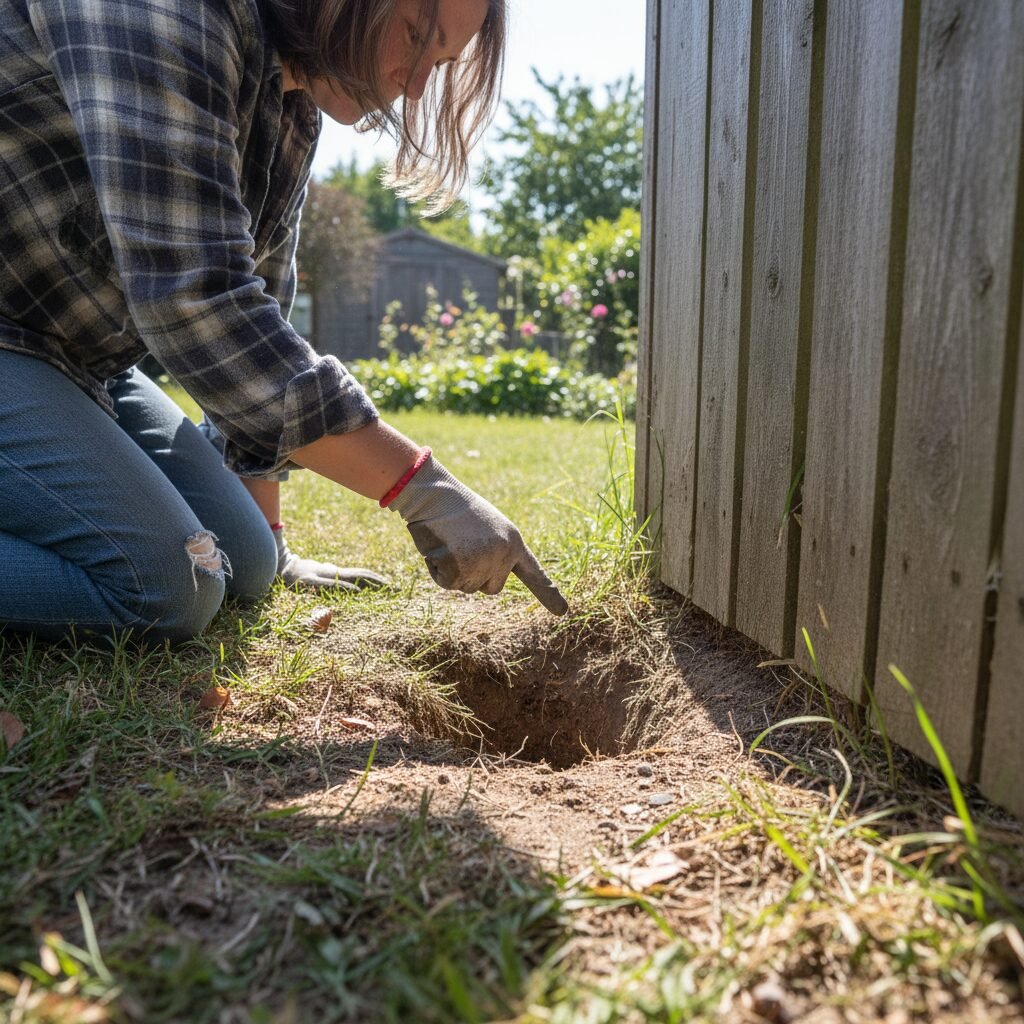
A systematic inspection of your property is the foundation of preventing escapes. You must think like your dog, looking for any weakness or opportunity. Get on your hands and knees to see the world from their perspective. This audit should be performed regularly, as weather and time can create new vulnerabilities.
Perimeter and Entry Point Checklist:
- Fencing and Gates: Walk the entire length of your fence line. Look for loose boards, rusted areas, or gaps. For diggers, the base of the fence is critical. For jumpers, the height and top of the fence are the weak points. Gates are often the most vulnerable spot; check the latch mechanism and the gap between the gate and the post.
- Doors: Do all exterior doors, including sliding glass doors and screen doors, latch securely every time they are closed? Many dogs have learned to operate lever-style handles. Consider if a deadbolt is consistently used.
- Windows: Check all ground-floor windows. Are the screens secure? Can a determined dog push them out? Could a low, open window provide an easy exit?
- Garage Doors: If your dog has access to the garage, ensure the main vehicle door is kept closed and that any side doors are as secure as your home’s main entryways.
| Vulnerability | Immediate Solution | Long-Term Upgrade |
|---|---|---|
| Digging under fence | Place large rocks or concrete blocks along the fence base. | Install an L-footer (wire mesh buried and extending inward). |
| Jumping/Climbing fence | Remove objects near the fence that can be used as a launchpad. | Increase fence height or install coyote rollers on top. |
| Lever-style door handles | Turn the handle so it points upwards, making it harder to push down. | Install round doorknobs or childproof lever locks. |
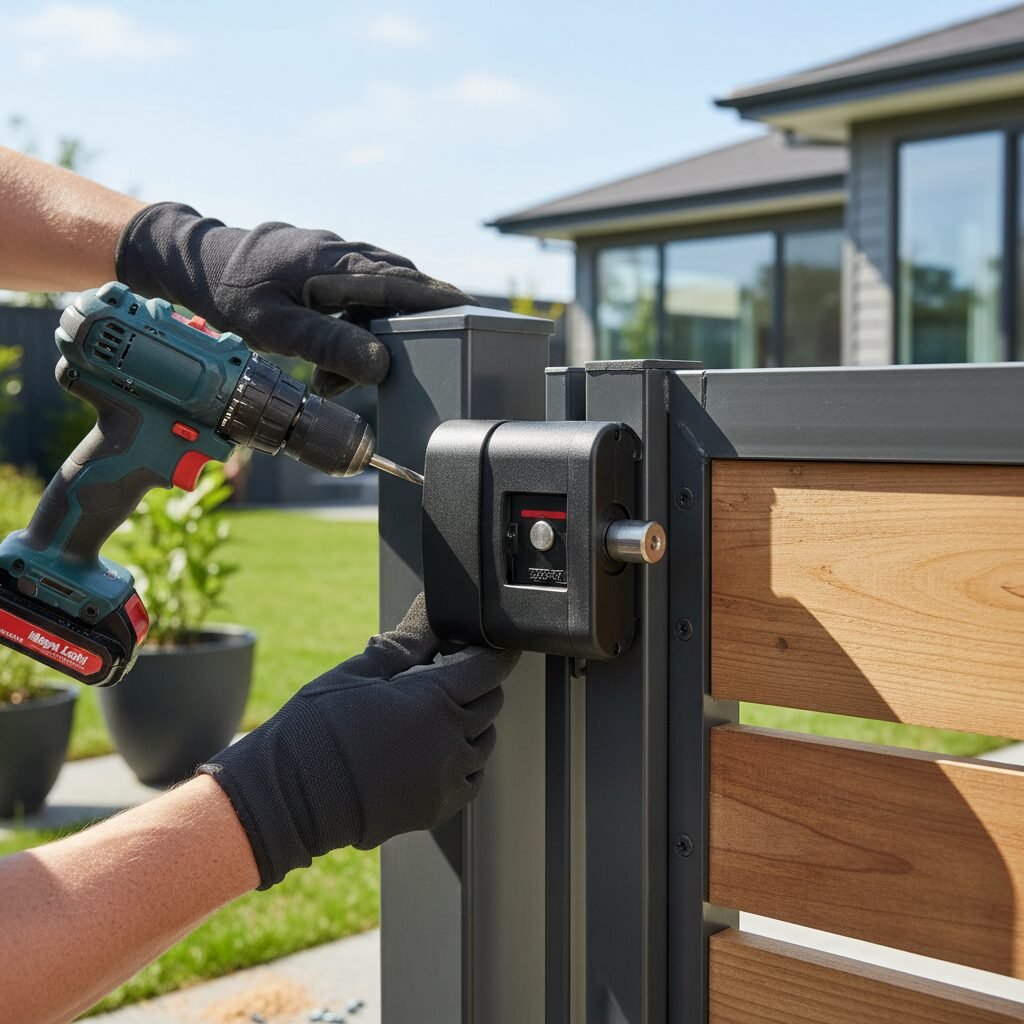
| Weak gate latch | Secure with a secondary clip, such as a carabiner or padlock. | Install a magna-latch or a latch that requires lifting and pulling. |
Fortifying Your Fortress: Essential Gear and Modifications
Once you have identified the weak points, it’s time to reinforce them with the right tools and technology. Investing in high-quality hardware is not an expense; it’s insurance for your pet’s safety. Modern technology also offers new layers of protection and peace of mind.
Hardware and Physical Barriers:
- Locks and Latches: For door-opening dogs, replace lever handles with round knobs. If that isn’t possible, use childproof covers that require pinching to operate. For gates, consider self-closing hinges and a ‘magna-latch’ style magnetic lock that is difficult for a dog to manipulate. A simple, sturdy padlock or carabiner clip offers an excellent and affordable secondary layer of security.
- Fence Enhancements: For climbers and jumpers, ‘coyote rollers’—aluminum rollers installed at the top of a fence—are an incredibly effective deterrent as they spin when an animal tries to gain purchase. For diggers, burying chicken wire or hardware cloth 1-2 feet deep along the fence line (in an L-shape pointing into the yard) can stop even the most determined excavator.
- Window Security: Install locks that only allow windows to open a few inches, not wide enough for a dog to squeeze through. For screen-destroyers, invest in heavy-duty pet-resistant screening material, which is seven times stronger than standard fiberglass mesh.
Technological Solutions:
- GPS Trackers: A GPS tracking collar is an essential safety net. While the goal is to prevent escapes, a tracker can be life-saving if one occurs. It allows you to pinpoint your dog’s location in real-time from your smartphone.
- Door and Gate Alarms: Simple contact sensor alarms, similar to those used in home security systems, can be placed on doors and gates. They will chime or send an alert to your phone whenever the entry point is opened, giving you immediate notification of a potential breach.
Reshaping the Mind: Training and Enrichment to Curb Escapism
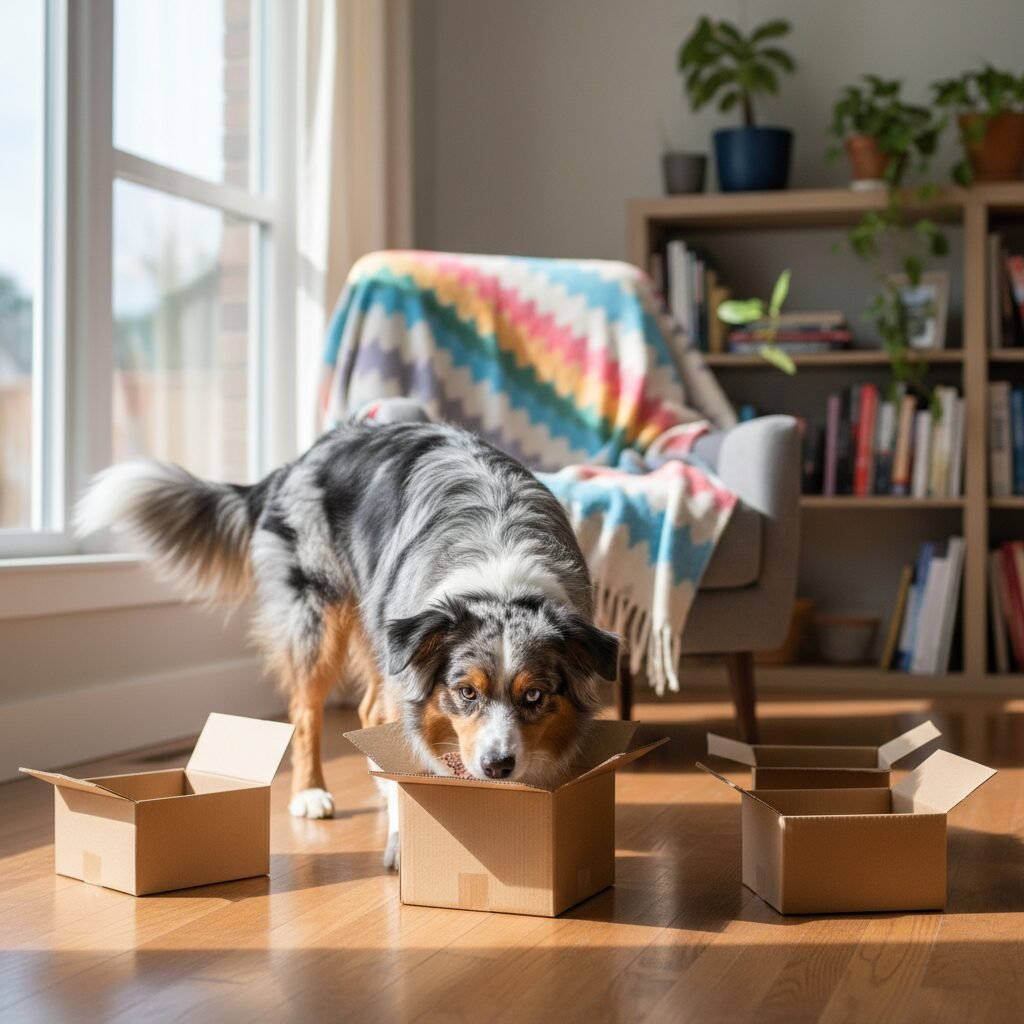
Physical barriers are only half the battle. The most sustainable solution involves addressing the root cause of the behavior through training and enrichment. A mentally and physically fulfilled dog is far less likely to seek adventure elsewhere. The goal is to make staying home more rewarding than escaping.
Enrichment as a Primary Tool:
Enrichment is the act of providing an animal with stimulating activities that satisfy their natural instincts. For a smart dog, this is not optional—it’s a necessity.
- Puzzle Toys: Instead of feeding your dog from a bowl, use puzzle feeders and food-dispensing toys. This forces them to think, problem-solve, and ‘work’ for their food, which can significantly reduce boredom and anxiety.
- Scent Work: A dog’s nose is its most powerful tool. Simple games like hiding treats around the house or yard for them to find engages their brain in a deeply satisfying way.
- Adequate Exercise: Ensure your dog is getting enough breed-appropriate physical exercise. A tired dog is a content dog. This means more than just a leisurely walk; it could be a game of fetch, a run, or a hike.
Crucial Training Protocols:
- Boundary Training: Teach your dog to respect thresholds. The command ‘Wait’ should be practiced at every open door—front door, back door, even the car door. The dog should not be allowed to cross the threshold until you give a specific release cue. This builds powerful impulse control.
- A Bombproof Recall: A reliable ‘Come’ command is the ultimate safety net. Practice recall frequently, starting in low-distraction environments and gradually increasing the difficulty. Make coming back to you the best thing that can possibly happen, using high-value rewards like special treats or a favorite toy.
- Managing Separation Anxiety: If anxiety is the cause, management and training must focus on building your dog’s confidence when alone. This is a complex issue that often requires a desensitization protocol, crate training, and sometimes the guidance of a professional trainer or veterinary behaviorist.
Professional Insight: The ‘Nothing In Life Is Free’ (NILIF) program can be transformative. It’s a simple philosophy where the dog must perform a simple command (like ‘Sit’) before receiving anything they want—food, toys, petting, or going outside. This gently reinforces your leadership and teaches the dog polite impulse control.
Emergency Plan: What to Do When an Escape Occurs

Despite your best efforts, an escape may still happen. Panicking is a natural reaction, but having a clear, pre-planned strategy will dramatically increase your chances of a swift and safe recovery. Time is of the essence.
Immediate Action Steps:
- Do Not Chase: Your first instinct will be to run after your dog. Resist it. Chasing can trigger a ‘game’ for your dog or cause a frightened dog to run further and faster, potentially into traffic. Instead, call their name in an upbeat tone and run in the opposite direction, toward your home. This can often entice them to chase you back.
- Grab High-Value Items: Get the smelliest, most delicious treats you have (hot dogs, cheese) or their favorite squeaky toy. The sound and smell can cut through their excitement or fear.
- Deploy Your GPS: If your dog has a GPS tracker, activate it immediately to get their current location and direction of travel.
- Notify Your Network: Contact local animal control, shelters, and veterinary clinics. Post immediately on local lost pet social media pages with a clear, recent photo and the location where your dog was last seen.
- Search Strategically: If the dog is not immediately visible, drive or walk slowly around your neighborhood, calling their name. Stop frequently and listen. Leave a familiar item, like their bed or your worn clothing, on your porch along with a bowl of water. The scent can help guide them home.
After your dog is safely recovered, it is critical to perform a post-escape analysis. Determine exactly how they got out and immediately implement a fix for that vulnerability. The escape itself can be a powerful reinforcer for the behavior, making it more likely to happen again if the opportunity remains.
Conclusion
Securing your home against a clever escape artist is a continuous process of management, training, and understanding. It requires a three-pronged approach: fortifying the physical environment, fulfilling your dog’s mental and physical needs, and establishing clear boundaries through consistent training. By addressing the ‘why’ behind the escape, you move from a reactive to a proactive mindset. Remember that every lock you install, every puzzle toy you provide, and every training session you conduct is an investment in your dog’s safety and your peace of mind. While the intelligence of an escape artist can be frustrating, it is also a testament to their incredible spirit. By channeling that intelligence into positive activities and creating a secure, enriching environment, you can build an unbreakable bond and ensure your brilliant companion remains a safe and happy member of your family for years to come.