Dog “Pancakes” on Walks? How to Get Them Moving Again
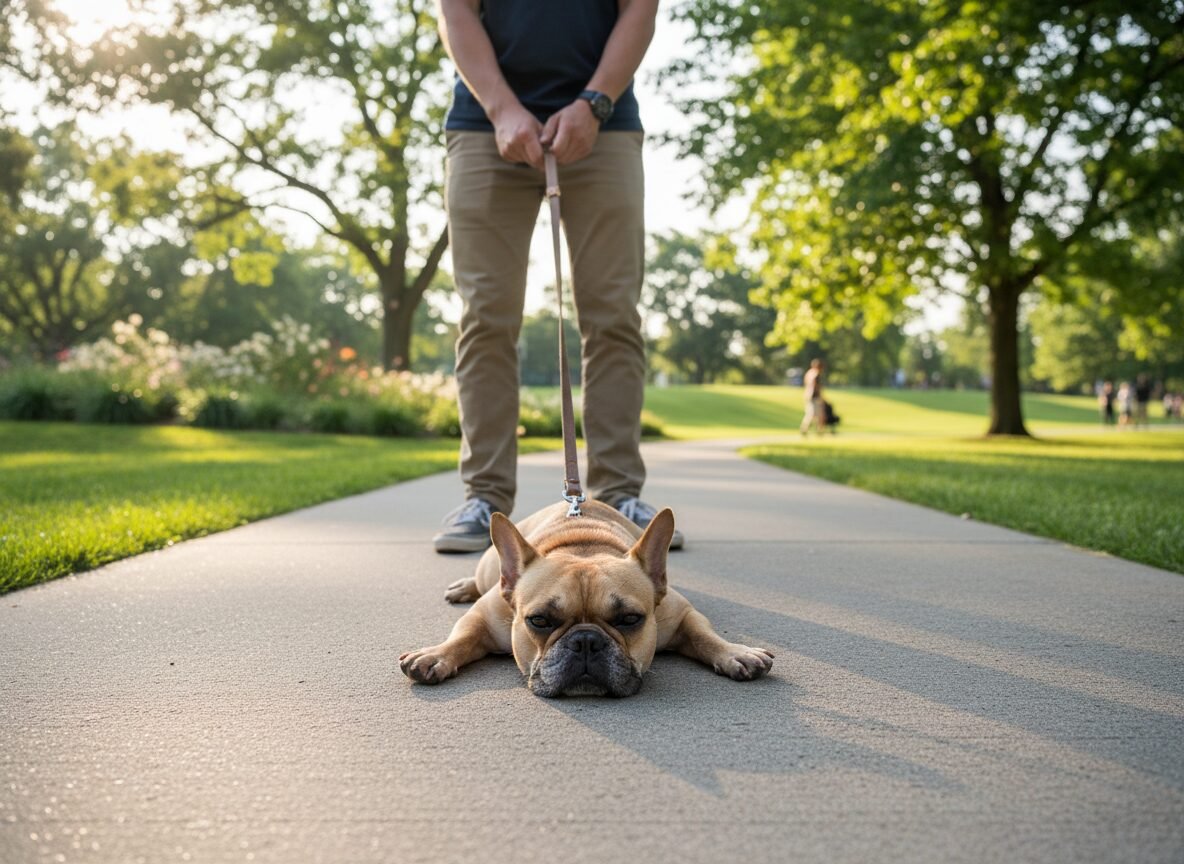
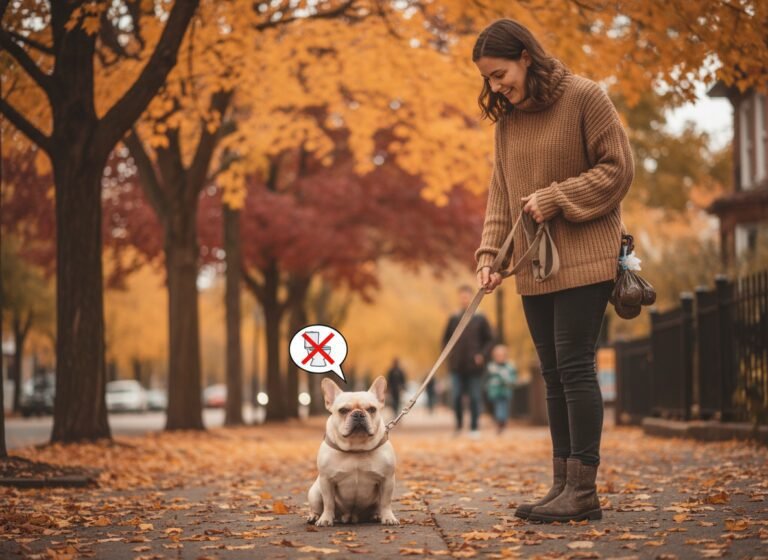
The daily walk is meant to be a cherished ritual for both dog and owner—a time for bonding, exercise, and exploration. But for many, this idyllic picture is shattered by a single, baffling behavior: the ‘pancake.’ One moment you’re strolling along, the next your dog has abruptly dropped to the ground, legs splayed, refusing to move another inch. This sudden stop-and-flop can be incredibly frustrating, turning a pleasant outing into a public test of patience. You may feel embarrassed, confused, or even angry, but it’s crucial to understand that this is rarely an act of simple defiance.
This behavior, affectionately or frustratingly known as pancaking, is a form of communication. Your dog is trying to tell you something important, and learning to interpret their message is the first step toward resolving the issue. It could be a signal of fear, physical discomfort, over-stimulation, or a cleverly learned tactic to control the situation. Simply pulling on the leash is not only ineffective but can also damage your relationship with your dog and worsen the underlying problem.
This definitive guide will serve as your roadmap. We will delve into the complex psychology and physiology behind the pancaking phenomenon, equip you with a proactive toolkit to set your walks up for success, and provide a clear, step-by-step training plan based on positive reinforcement. By understanding the ‘why’ and mastering the ‘how,’ you can transform your walking woes into wins, rebuilding a joyful and cooperative partnership with your canine companion.
Understanding the ‘Pancake’: Why Your Dog Suddenly Stops and Flops
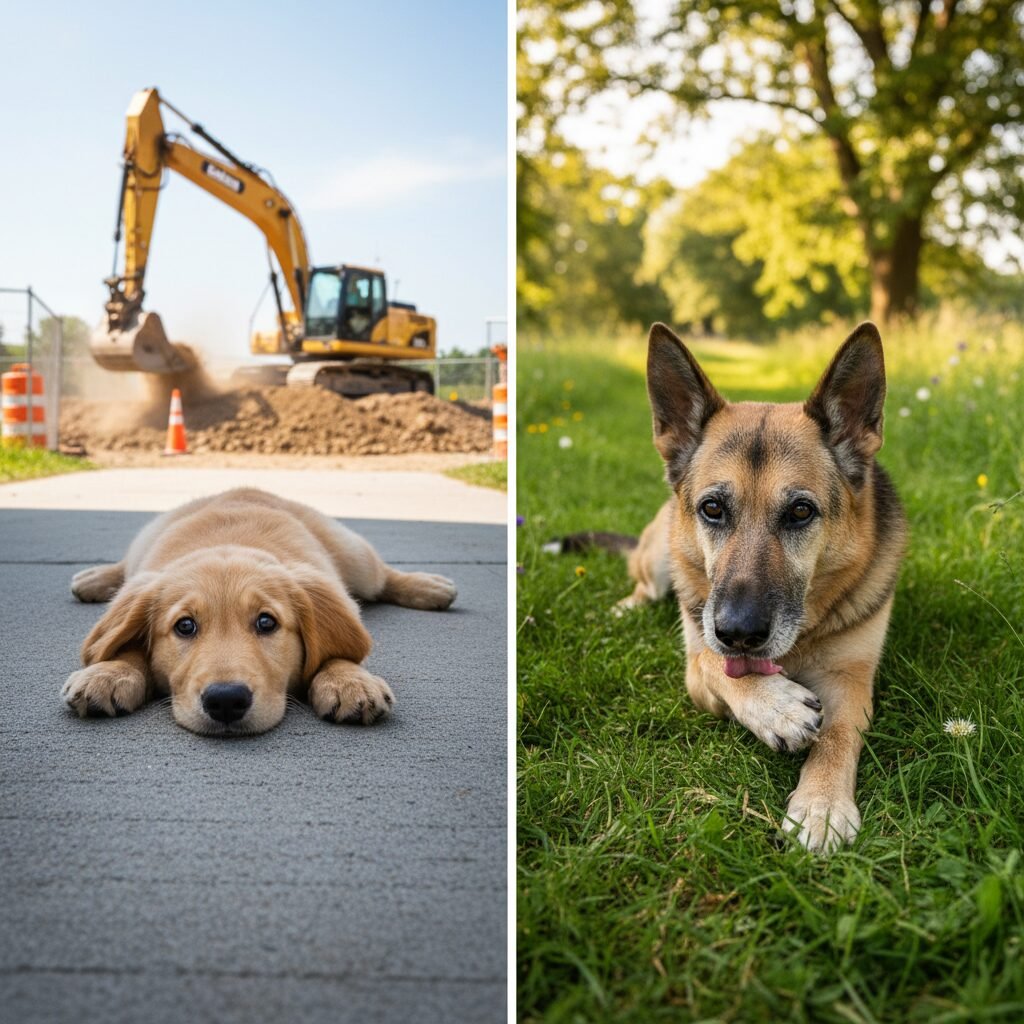
Before you can address the behavior, you must first become a detective. Pancaking is a symptom, not the disease itself. Identifying the root cause is critical for choosing the correct intervention. Dogs, lacking verbal language, use their bodies to communicate a wide range of feelings and needs. A dog lying down on a walk is sending a clear, albeit frustrating, signal. Let’s explore the most common culprits.
Fear, Anxiety, and Stress
The world can be an overwhelming place for a dog. What seems benign to us—a garbage truck rumbling past, a child on a scooter, flapping holiday decorations—can be terrifying for a canine. When a dog feels threatened or anxious, their fight-or-flight response kicks in. For some, a third option emerges: freeze. Pancaking can be an extreme freeze response, an attempt to become small and invisible or to simply shut down in the face of overwhelming stimuli. This is especially common in puppies who are still learning about the world or in rescue dogs with unknown histories.
Physical Discomfort or Pain
One of the most overlooked causes of pancaking is physical discomfort. If the behavior is new or has appeared suddenly, a medical check-up is paramount. Consider these possibilities:
- Paw Issues: Hot pavement, icy sidewalks, sharp gravel, or a thorn stuck in a paw pad can make walking painful.
- Joint Pain: Undiagnosed arthritis, hip dysplasia, or a soft tissue injury can cause significant pain, especially during sustained exercise like a walk. This is a primary concern for senior dogs or breeds prone to orthopedic issues.
- Equipment Discomfort: A poorly fitting harness that chafes, a collar that puts pressure on the trachea (like a choke or prong collar), or a head halter that isn’t properly conditioned can all cause a dog to protest by stopping.
- Exhaustion or Overheating: Especially in brachycephalic (flat-faced) breeds, young puppies, or senior dogs, a walk might simply be too long or too strenuous. On warm days, overheating is a serious risk, and lying on cool grass or pavement is a natural way for a dog to try and lower their body temperature.
Learned Behavior
Dogs are brilliant learners, and they quickly repeat behaviors that get them what they want. If your dog pancakes and you respond by coaxing them with a stream of delicious treats, ending the walk and carrying them home, or engaging in a fun game of tug-o-leash, they may learn that pancaking is a fantastic way to get attention or a desired outcome. They have effectively trained you. The behavior, which may have started for another reason (like mild fatigue), becomes a reliable tool in their communication arsenal.
A Battle of Wills or a Desire for Control
While often mislabeled as ‘stubbornness,’ this is more about a dog wanting agency. Perhaps your dog wants to go to the park, but you’re heading in the opposite direction. Pancaking becomes a non-violent protest. They are expressing a strong preference, and they’ve discovered that stopping movement entirely is an effective way to make their point. They aren’t trying to dominate you; they are simply trying to have a say in an activity they are a key participant in.
The Proactive Toolkit: Setting Your Walks Up for Success
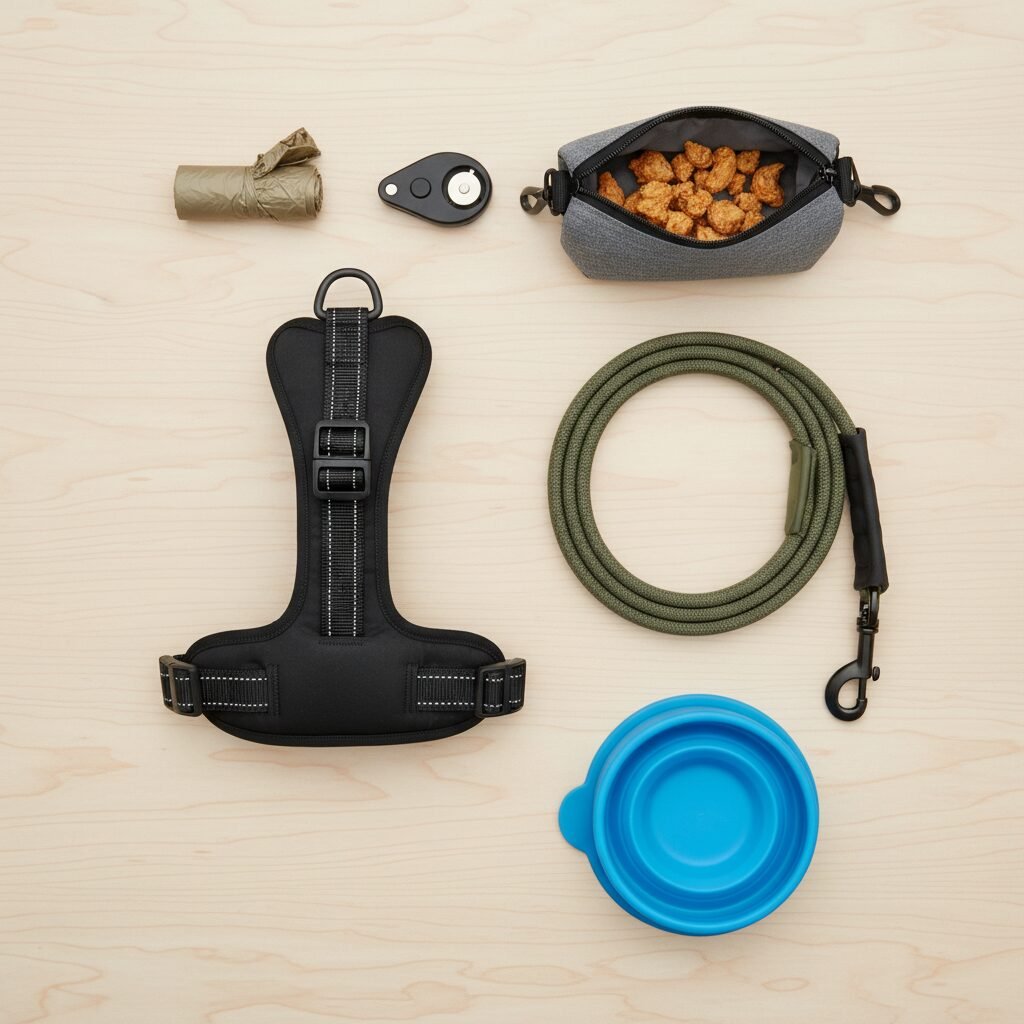
The best way to solve pancaking is to prevent it from happening in the first place. A successful walk begins long before you clip on the leash. By being proactive and preparing correctly, you can address many of the root causes and create a positive association with walking.
Conduct an Equipment Audit
The gear you use can make or break a walk. It’s time to assess if your equipment is helping or hindering your progress. The goal is comfort and safe control, not correction through pain.
- The Harness: A well-fitting Y-shaped front-clip harness is often the gold standard. It takes pressure off the dog’s neck and throat, preventing gagging or injury, and provides better control by redirecting their forward momentum when they pull. Avoid harnesses that restrict shoulder movement or that need to be excessively tight to function.
- The Leash: A standard 6-foot leash made of leather or biothane offers a secure grip and clear communication. Avoid retractable leashes, which teach dogs to pull and offer very little control in emergency situations.
- The Treat Pouch: A dedicated treat pouch is non-negotiable. Fumbling in your pockets is inefficient. You need immediate access to rewards to mark and reinforce good behavior the second it happens.
Prepare Your ‘High-Value’ Currency
Not all treats are created equal. The dry biscuit your dog gets for free at home won’t be enough to compete with the distractions of the outside world. You need to identify what your dog considers a five-star reward. These are treats reserved only for training on walks. Examples include:
- Small pieces of boiled chicken or turkey
- Cubed cheese or string cheese
- Commercial soft, smelly training treats
- Freeze-dried liver or salmon
Expert Tip: The value of a reward is determined by the dog. Experiment to find what your dog goes wild for, and make that your special ‘walking currency.’
Plan the Environment
Don’t throw your dog into the deep end. If they are pancaking due to fear or over-stimulation, setting them up for failure by walking them on a busy street during rush hour will only solidify the behavior. Instead, control the environment:
- Timing: Walk during quieter times of the day, like early morning or later in the evening.
- Location: Start in low-distraction areas. This might mean your own backyard, a quiet dead-end street, or even an empty parking lot on a Sunday.
- Duration: Keep initial walks incredibly short. A successful 5-minute walk around the block is far better than a 30-minute battle of wills. The goal is to end on a high note, before the pancaking occurs.
Step-by-Step Guide: How to Respond When the Pancake Happens
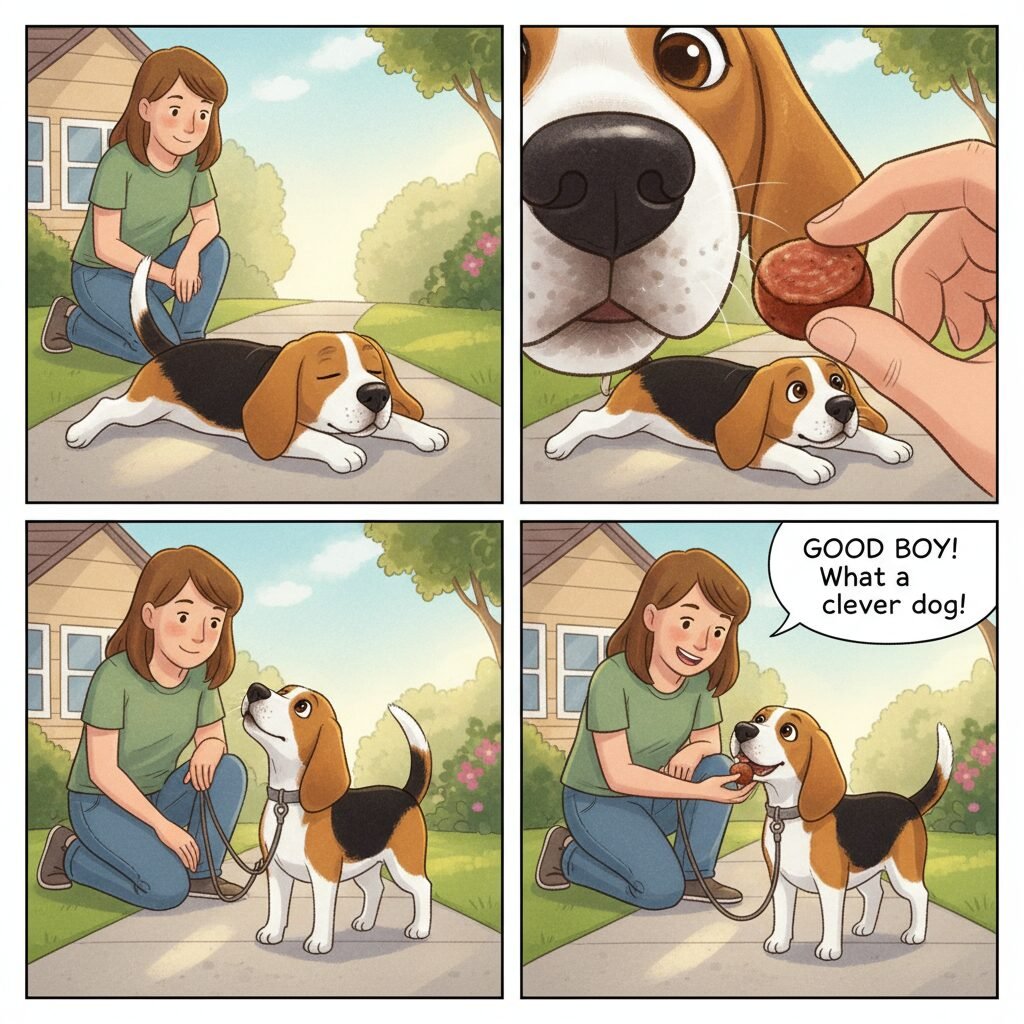
Despite your best preparations, the pancake might still happen. Your reaction in this exact moment is what will determine whether the behavior fades away or becomes a permanent fixture of your walks. The key is to remain a calm, confident leader, not a frustrated adversary. Never pull, drag, or scold your dog.
- Pause and Assess (The 10-Second Rule): The instant your dog pancakes, stop all forward motion. Take a deep breath. Do not pull or apply tension to the leash. Use the next 10 seconds to become a detective. Is there a clear trigger in the environment? A loud noise? Another dog? Check your dog’s paws for debris. Are they panting excessively? Your calm assessment prevents a panicked reaction.
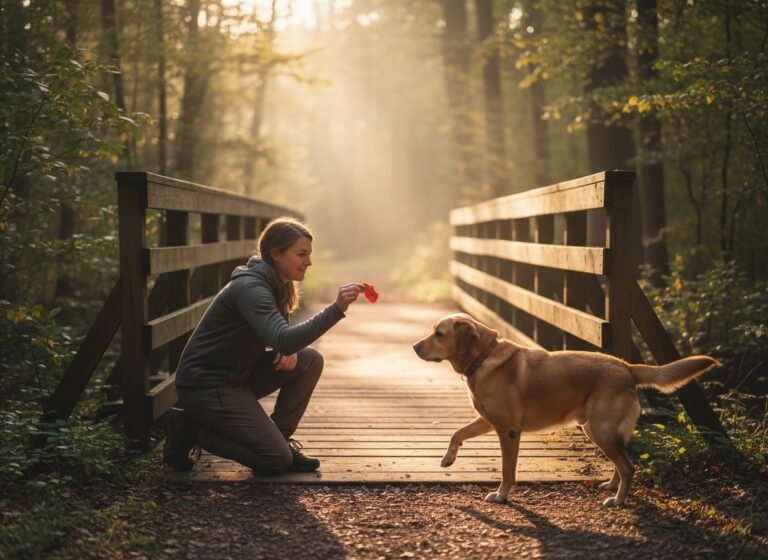
- Engage and Lure (The ‘Get Up’ Game): Kneel down to your dog’s level. Show them one of your high-value treats. Let them sniff it, then place it directly in front of their nose. In a happy, upbeat tone, use a simple cue like, “Let’s go!”. Slowly move the treat away from their nose in the direction you want to walk. The goal is to have them stretch their neck and, ideally, stand up to follow the lure.
- Mark and Reward the Slightest Effort: This is the most critical step. The very second your dog’s belly lifts off the ground, or they make any move to stand up, mark the behavior with an enthusiastic “Yes!” and immediately give them the treat. You are not rewarding the pancaking; you are rewarding the decision to get up from the pancake. If they take even one step, give them another treat.
- Change the Picture: Once they are standing, do not immediately try to continue in the same direction. This can put them right back into the mindset that caused the pancake. Instead, change the dynamic. Toss a treat on the ground a few feet ahead of them. Ask for a simple behavior they know, like ‘touch’ (hand to nose). Or, turn 180 degrees and walk a few feet in the opposite direction with lots of praise and excitement before turning back around. This ‘resets’ their brain.
- End on a High Note: After you have successfully gotten them moving again, walk for another 20-30 seconds and then, if possible, end the walk. By finishing on this successful note, you are leaving them with a positive memory: “I got up, I got a reward, and then the walk ended happily.” This builds their confidence for the next outing and prevents them from getting fatigued or overwhelmed to the point of pancaking again.
Advanced Techniques and Troubleshooting Common Issues
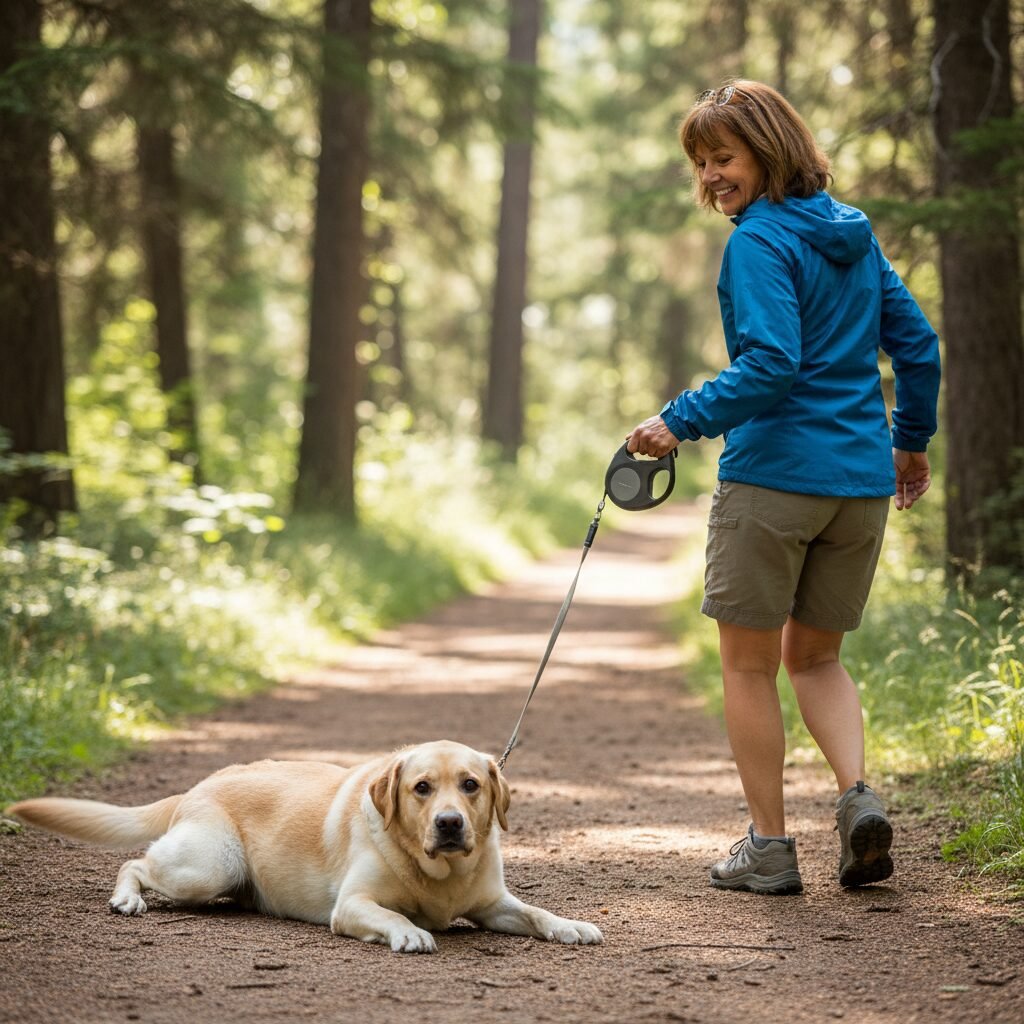
Sometimes, the basic lure-and-reward technique needs some extra support, especially if the pancaking has become a deeply ingrained habit. Here are some advanced strategies and solutions for common roadblocks.
When the Food Lure Fails
If your dog is too stressed or over-stimulated, they may refuse even the most delicious treat. This is known as being ‘over threshold.’ In this case, trying to force the issue with food is pointless. Your options are:
- The Toy Lure: For a toy-motivated dog, a special, high-value toy (like a squeaky ball or a small tug toy) that only comes out on walks can be more enticing than food.
- The Strategic Retreat: Calmly turn and start walking back the way you came, toward home. Often, a dog that was protesting the direction will happily get up to avoid being left behind or to go in the direction they secretly wanted. This still gives them a sense of control and resolves the standoff without conflict.
- Patient Waiting: If you are in a safe location and not in a hurry, simply stand still and wait. Do not talk to the dog, do not pull the leash. Become as boring as possible. Often, once the ‘show’ is over and they are not getting a reaction, the dog will get up on their own out of boredom. When they do, calmly resume the walk.
Building ‘Forward-Focus’ Momentum
For dogs who pancake habitually, you need to proactively teach them that moving forward with you is a highly rewarding game. This is done away from the problem spot.
Practice ‘walk-and-treat’ drills in your yard or a quiet area. Take one step, say “Yes!” and drop a treat right by your foot for your dog. Repeat this, gradually increasing to two steps, then three. This teaches the dog to pay close attention to you and that staying near you and moving forward brings a constant stream of rewards. It turns a walk from a march into an engaging, interactive experience.
Common Mistakes to Avoid at All Costs
Your reactions can either help or harm the training process. Avoid these common pitfalls:
| Mistake | Why It’s Harmful |
|---|---|
| Yanking or Dragging | This creates a negative association with the leash, the walk, and you. It can cause physical injury and will increase fear and anxiety, making the problem worse. |
| Scolding or Yelling | If the dog is pancaking out of fear, you are confirming that the situation is indeed scary. If it’s for attention, you are providing a big dose of it. It’s a lose-lose scenario. |
| Bribing in Advance | Showing the treat before the dog pancakes teaches them to stop in order to get you to produce the goodies. The reward must come after the desired behavior (getting up). |
When to Consult a Professional: Ruling Out Medical and Severe Behavioral Issues
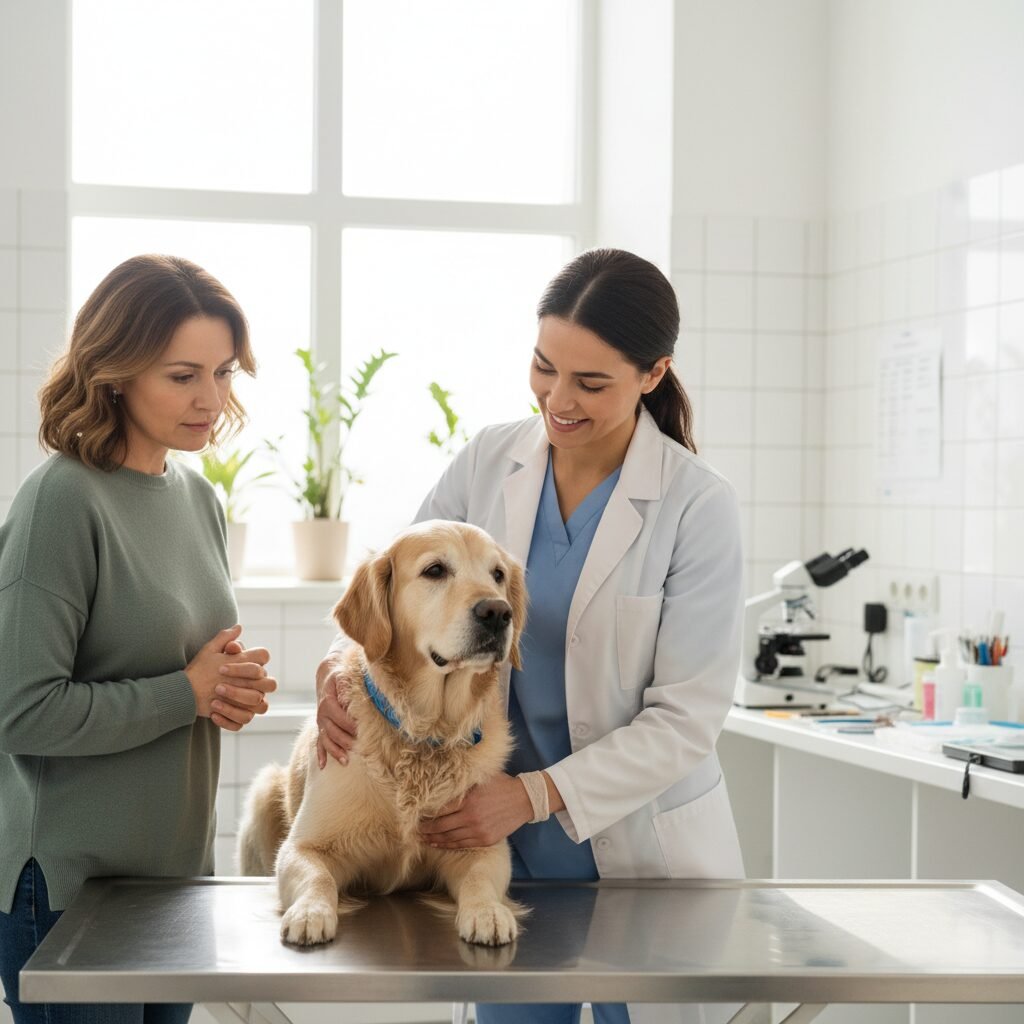
While most cases of pancaking can be managed with consistent training, patience, and environmental management, there are times when professional help is essential. Ignoring potential underlying issues can be detrimental to your dog’s health and well-being.
Medical Red Flags Warranting a Vet Visit
If your dog’s pancaking is a new behavior, especially if it started suddenly, a thorough veterinary examination should be your first priority to rule out pain or illness. Schedule an appointment with your veterinarian if you notice any of the following:
- Sudden Onset: A dog who has always loved walks suddenly starts pancaking.
- Age-Related Changes: The behavior appears in a senior dog who may be developing arthritis or other age-related conditions.
- Signs of Pain: Limping, stiffness when getting up, yelping when touched, hesitation to jump or use stairs, or excessive licking of a particular joint or area.
- Lethargy or Illness: The pancaking is accompanied by a general lack of energy, loss of appetite, changes in breathing, or other signs of sickness.
Important Takeaway: Never assume a behavioral problem is purely behavioral until all potential medical causes have been professionally ruled out. Pain is a powerful motivator for behavior change in dogs.
When to Call a Certified Trainer or Behaviorist
If your veterinarian has given your dog a clean bill of health, but the pancaking persists or is accompanied by more serious behavioral issues, it’s time to seek professional guidance. A certified professional can provide a customized training plan and help you identify subtle triggers you may be missing.
Consider hiring a professional if:
- Fear is the Root Cause: The pancaking is clearly linked to specific triggers (other dogs, people, vehicles) and is part of a larger pattern of fear or anxiety.
- Aggression is Present: The dog growls, snarls, or snaps when you try to encourage them to move. This is a critical sign that you need professional help to avoid injury and resolve the underlying issue safely.
- You’re Not Making Progress: You have been consistently applying positive reinforcement techniques for several weeks with little to no improvement. A professional can offer a fresh perspective and new strategies.
Look for credentials such as CPDT-KA (Certified Professional Dog Trainer – Knowledge Assessed), KPA-CTP (Karen Pryor Academy Certified Training Partner), or a DACVB (Diplomate of the American College of Veterinary Behaviorists) for complex cases.
Conclusion
The ‘pancake’ on a walk is more than just a quirky or frustrating habit—it’s your dog’s way of communicating a need, a fear, or a feeling of discomfort. By shifting your perspective from one of frustration to one of curiosity, you’ve already taken the most important step. Remember that the solution rarely lies in force, but rather in understanding, patience, and smart, consistent training. Your goal is not to ‘win’ a battle of wills, but to rebuild a partnership based on trust and positive experiences.
By assessing the root cause, preparing for success with the right tools and mindset, and responding calmly and constructively in the moment, you can teach your dog that walking with you is a safe, rewarding, and enjoyable activity. Every short, successful walk is a deposit in your relationship bank. Be patient with your dog, and be patient with yourself. With time and the right approach, you can leave the pancaking behind and get back to enjoying the simple pleasure of a peaceful stroll with your best friend.