Cone of Shame Alternatives: Why Inflatable Collars Are Better
Every responsible pet owner understands the necessity of preventing a dog from licking, biting, or scratching at a wound, incision, or hot spot. For decades, the standard solution has been the rigid, cumbersome Elizabethan collar, often dubbed the ‘cone of shame.’ While effective, this device frequently transforms a recovering pet into a disoriented, stressed, and unhappy animal. It obstructs their vision, makes navigating the home a clumsy ordeal, and complicates simple joys like eating and drinking. Fortunately, veterinary product innovation has provided a superior solution. This comprehensive guide will explore the leading alternative—the inflatable recovery collar—and detail why it represents a significant advancement in compassionate and effective post-procedure care for our canine companions.
The Inherent Flaws of the Traditional Elizabethan Collar
The Inherent Flaws of the Traditional Elizabethan Collar
The traditional plastic cone is a medical tool born of necessity, but its design has remained largely unchanged, failing to account for the animal’s psychological and physical comfort. Understanding its drawbacks is the first step toward appreciating the value of modern alternatives.
Physical and Navigational Challenges
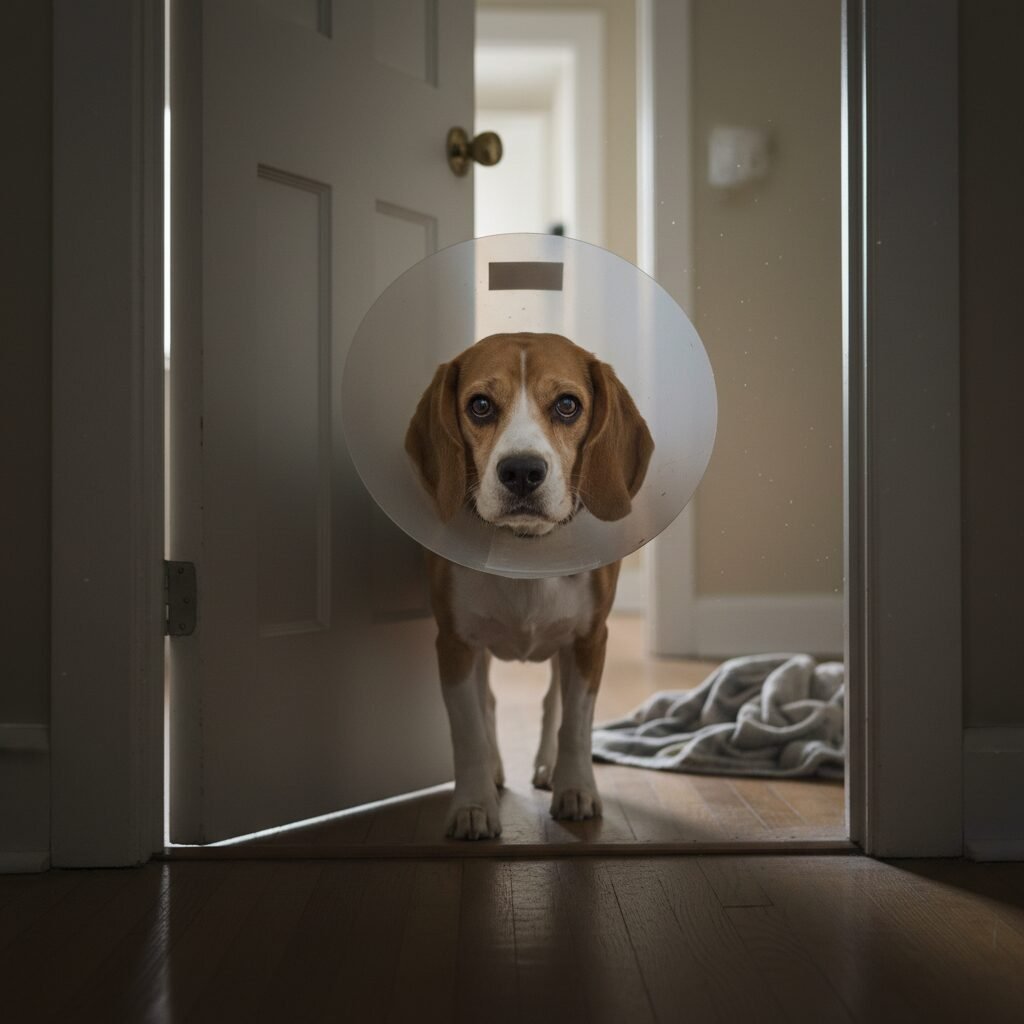
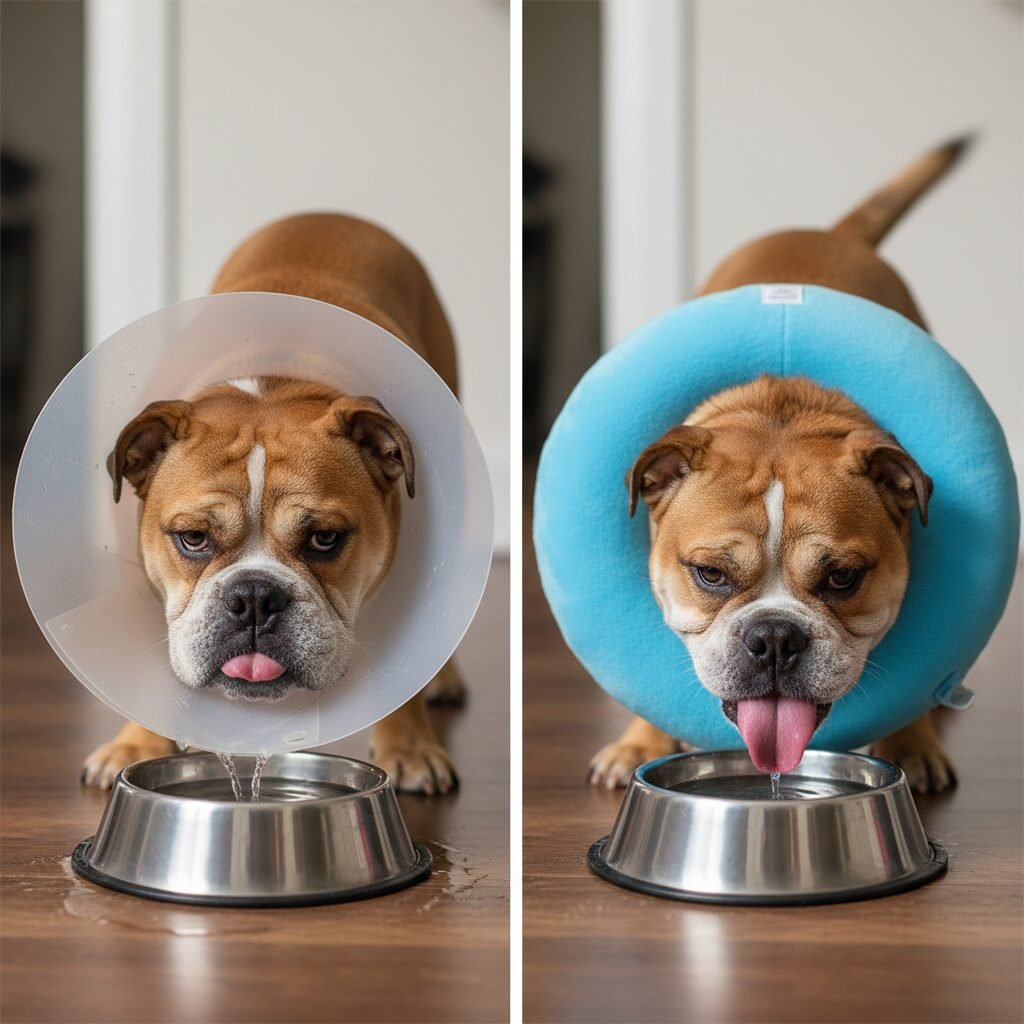
The wide, rigid design of a plastic cone extends far beyond a dog’s peripheral vision. This sensory deprivation can be incredibly disorienting and stressful. Dogs rely on their wide field of view to navigate their environment, and its sudden obstruction can lead to anxiety. Furthermore, the cone’s diameter makes simple movements difficult. Owners often report their dogs bumping into walls, getting stuck in doorways, and struggling to reach their food and water bowls. This constant struggle can impede the very rest and relaxation that is crucial for a speedy recovery.
Psychological and Behavioral Impact
The combination of disorientation, restricted movement, and amplified sounds (the cone can act like a megaphone, distorting ambient noises) often results in significant behavioral changes. A normally calm dog may become agitated, depressed, or anxious. Some dogs may refuse to move, eat, or drink while wearing the cone. This stress is not just an emotional issue; elevated stress levels can produce cortisol, a hormone that has been shown to slow the healing process. Therefore, the very tool designed to aid recovery can sometimes become a hindrance to it.
Expert Insight: A pet’s mental state is intrinsically linked to its physical recovery. Minimizing stress and anxiety should be a primary goal in any post-operative care plan.
The Inflatable Collar: A Modern Solution for Comfortable Recovery
The Inflatable Collar: A Modern Solution for Comfortable Recovery
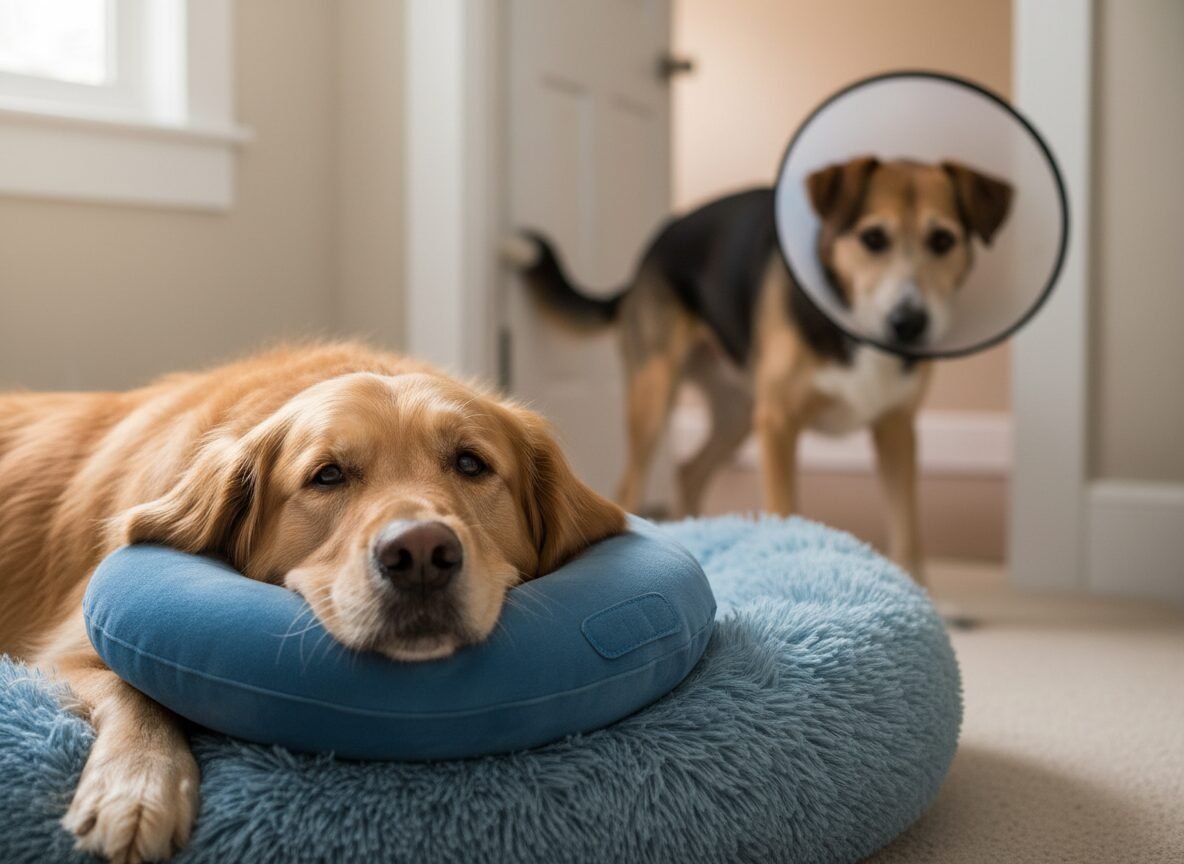
The inflatable recovery collar is designed to address nearly every shortcoming of the traditional cone. Shaped like a travel pillow or inner tube, it fits snugly around the dog’s neck. It functions not by creating a physical barrier around the entire head, but by restricting the neck’s range of motion, making it impossible for the dog to turn its head far enough to reach wounds on its torso, hindquarters, legs, or tail.
How It Works
Made from a durable, puncture-resistant material, the inflatable collar has an inner air bladder that is inflated to a firm, but not rigid, consistency. Most models feature an outer cover made of soft, machine-washable fabric for added comfort and hygiene. It is secured around the neck with a hook-and-loop strap and often includes loops to thread the dog’s own collar through, ensuring it stays securely in place. By acting as a cushioned bumper, it effectively prevents the dog from reaching most parts of its body without interfering with its daily life.
Direct Comparison: Inflatable Collar vs. Traditional Cone
To fully appreciate the benefits, a direct comparison is essential. The following table highlights the key differences pet owners should consider when choosing a recovery aid.
| Feature | Traditional Plastic Cone | Inflatable Collar |
|---|---|---|
| Vision | Severely restricted peripheral and downward vision. | Completely unobstructed vision. |
| Mobility | Clumsy; frequently bumps into furniture and walls. | Excellent; allows for easy navigation of the home. |
| Eating & Drinking | Difficult; cone often gets in the way of bowls. | Easy and unobstructed access to food and water. |
| Comfort | Rigid plastic edges can chafe the neck; uncomfortable for sleeping. | Soft, cushioned design allows for comfortable rest. |
| Pet Stress Level | High; often causes anxiety, depression, and disorientation. | Low; most dogs adapt quickly with minimal stress. |
| Owner Convenience | Bulky and difficult to store; can scratch furniture and walls. | Can be deflated for easy storage; soft material is furniture-friendly. |
Proper Sizing and Acclimation for Maximum Effectiveness
Proper Sizing and Acclimation for Maximum Effectiveness
An inflatable collar is only effective if it is sized and used correctly. An improperly fitted collar can be easily removed by a determined dog or may fail to prevent access to the surgical site. Following a systematic approach to fitting and introduction is critical for success.
Step-by-Step Sizing Guide
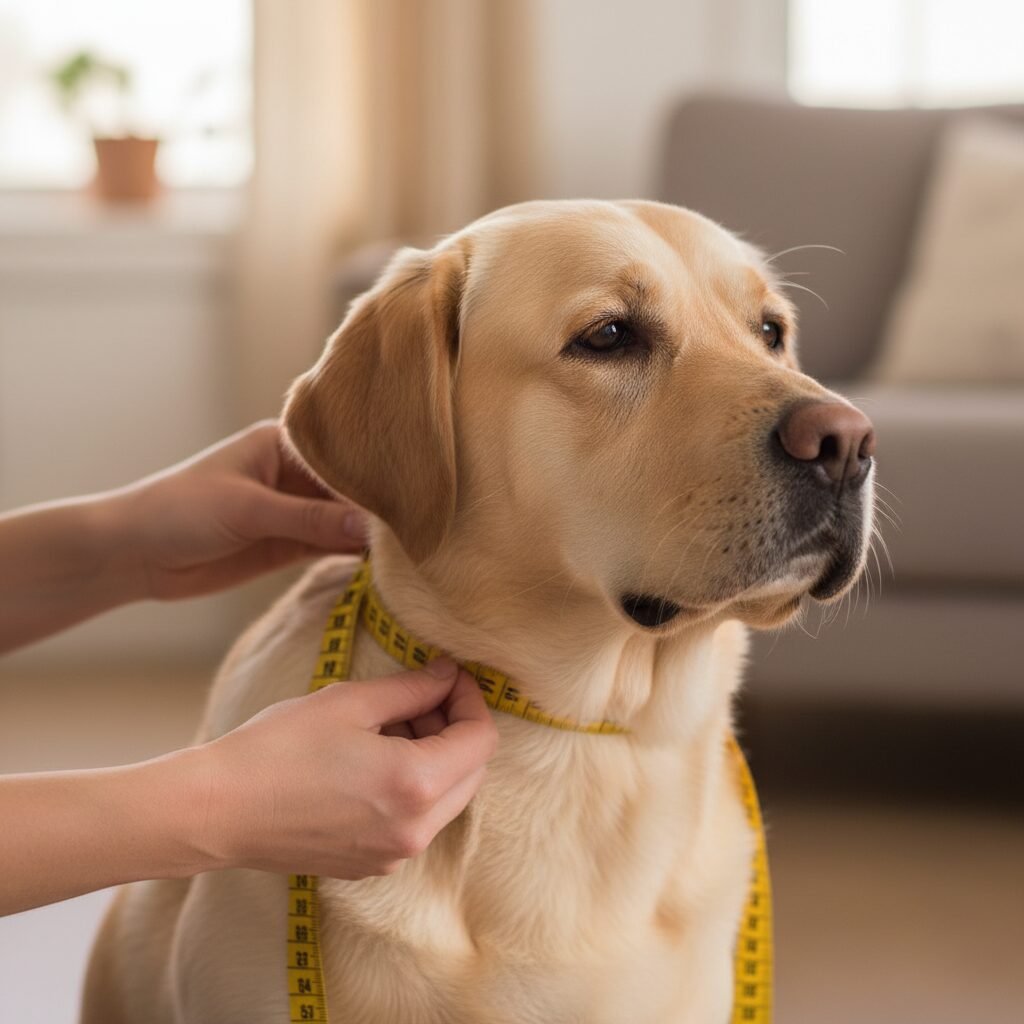
- Measure Your Dog’s Neck: Using a soft tailor’s tape measure, find the circumference of your dog’s neck at the point where their regular collar sits. Do not pull the tape too tight; you should be able to fit two fingers comfortably underneath it.
- Consult the Manufacturer’s Chart: Every brand of inflatable collar has its own sizing chart. Match your dog’s neck measurement to the corresponding size. If your dog is between sizes, it is generally recommended to size up to ensure adequate restriction.
- Check for Proper Inflation: Inflate the collar until it is firm to the touch but still has a slight give. Over-inflating can make it uncomfortable and too rigid, while under-inflating will allow your dog to bend around it.
- The Final Fit Check: Secure the collar around your dog’s neck. Thread their regular collar through the inner loops if available. Adjust the strap so the collar is snug but not constricting. You should be able to fit two fingers between the collar and your dog’s neck. Ensure the dog cannot pull its head back out of the collar.
Acclimating Your Dog to the Collar
Even though inflatable collars are more comfortable, they are still a new sensation for your dog. A gradual and positive introduction can make the experience seamless.
- Positive Association: Before you need to use it, let your dog see and sniff the deflated collar. Offer high-value treats and praise to build a positive association.
- Short Durations: The first time you put it on, keep the session short (a few minutes) and immediately engage your dog in a fun activity or offer a special chew toy. This distracts them and reinforces that wearing the collar leads to good things.
- Gradual Increase: Slowly increase the duration your dog wears the collar over several sessions. Supervise them closely during this period to ensure they are not becoming overly stressed.
- Never Use as Punishment: The recovery collar must always be a neutral or positive tool. Never use it as a form of punishment, as this will create fear and resistance.
Situational Awareness: When an Inflatable Collar Might Not Be the Best Choice
Situational Awareness: When an Inflatable Collar Might Not Be the Best Choice
While inflatable collars are a superior choice for a majority of recovery scenarios, they are not a universal solution. An authoritative assessment requires acknowledging their limitations. Certain types of injuries or breeds may necessitate a different approach, and consulting with your veterinarian is always the final and most important step.
Protection for the Head, Face, and Eyes
The primary limitation of an inflatable collar is its inability to protect areas on the head. Because it sits only around the neck, it offers no barrier to prevent a dog from pawing at its eyes, ears, or face. For recovery from eye surgery, treatment of facial wounds, or severe ear infections where scratching is a concern, a traditional Elizabethan collar is often the only tool that provides adequate protection.
Long-Snouted Breeds and Very Flexible Dogs
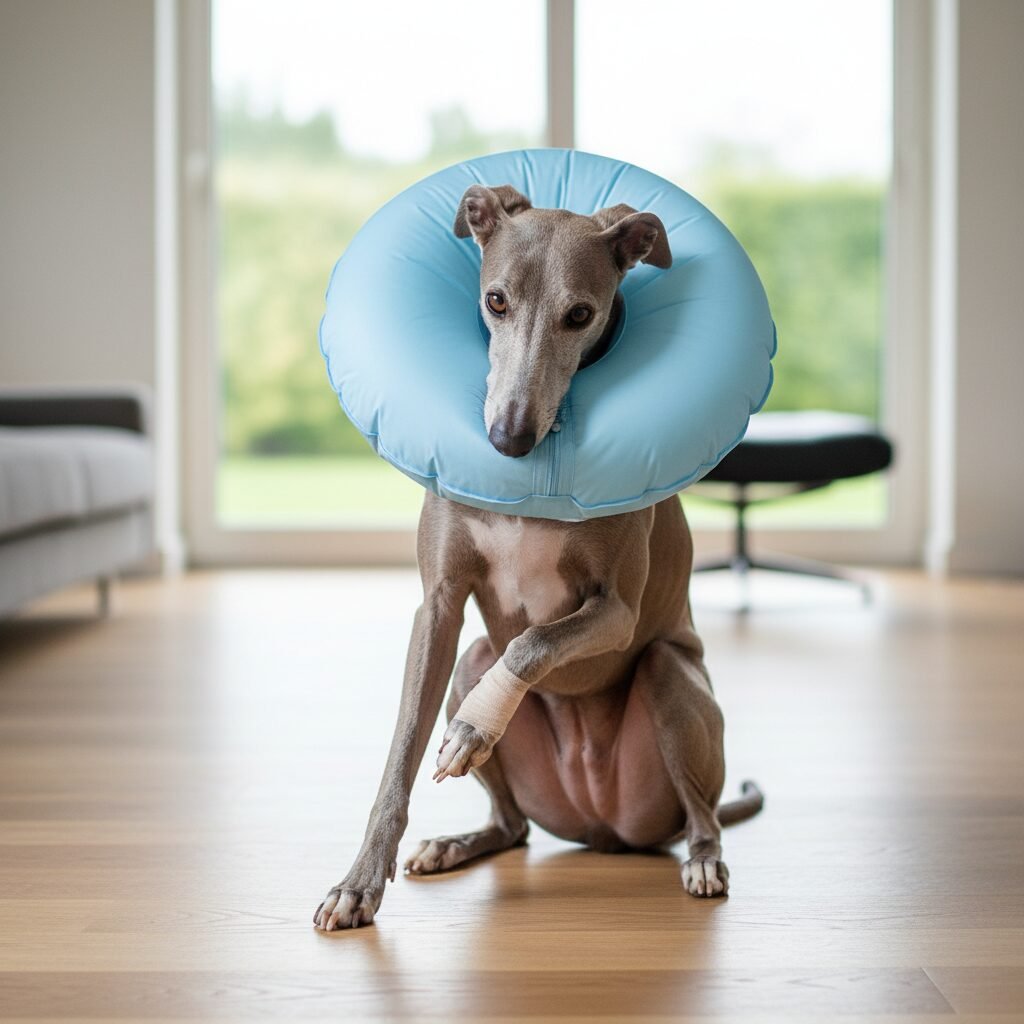
Dogs with particularly long snouts, such as Greyhounds, Borzois, or Collies, may be able to reach around the inflatable ring to access wounds on their front paws, lower legs, or even their tail. Similarly, exceptionally flexible dogs, like some smaller terriers or athletic breeds, might find ways to contort their bodies to bypass the collar’s restriction. In these cases, a soft but longer cone or a recovery suit may be a more suitable option.
Durability Concerns
Though made from durable materials, an inflatable collar is, by its nature, susceptible to puncture. A determined chewer or a multi-pet household where another animal might bite or claw at the collar could lead to deflation and failure. It is crucial to inspect the collar daily for any signs of damage and to supervise the pet, especially in the initial stages of wearing it.
A Brief Overview of Other Modern E-Collar Alternatives
A Brief Overview of Other Modern E-Collar Alternatives
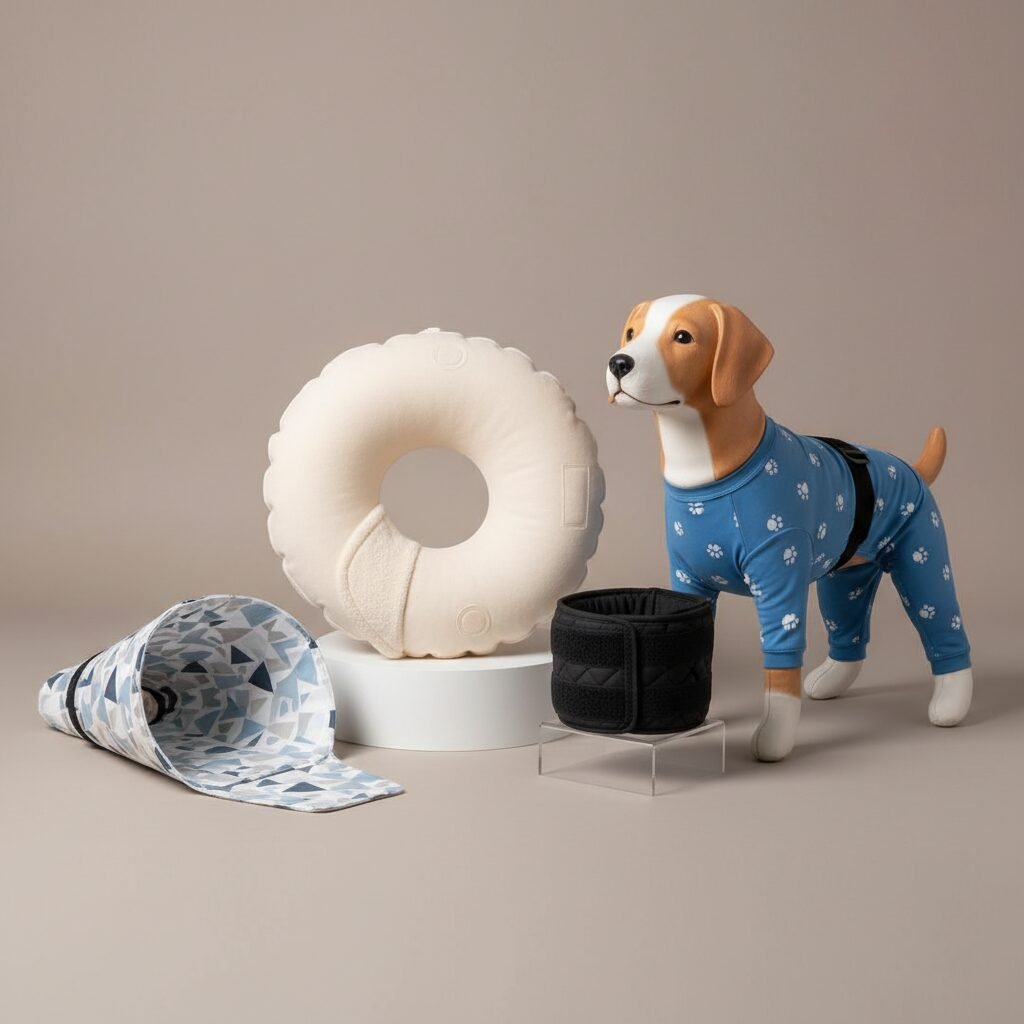
The inflatable collar is a leading alternative, but the pet care market offers several other innovative solutions designed to prioritize both safety and comfort. A well-rounded pet owner should be aware of all available options to make the most informed decision in consultation with their veterinarian.
Soft E-Collars
These are shaped like traditional cones but are constructed from soft, flexible fabric, often with some pliable boning for structure. They are more comfortable for sleeping and less likely to damage furniture. While they offer a good middle ground, they can still obstruct vision more than an inflatable collar and may be easier for a determined dog to fold back and access a wound.
Neck Control Collars
These are thick, rigid, and heavily padded collars that function similarly to a human neck brace. They severely restrict neck movement, preventing the pet from turning its head. They are highly effective for torso and hindquarter wounds but offer no protection for legs and paws and can be quite restrictive for long-term wear.
Recovery Suits or ‘Dog Onesies’
These full-body garments are an excellent alternative when the goal is to cover a wound or surgical site on the torso. They fit like a bodysuit and prevent licking and biting directly. They are extremely comfortable and allow for total freedom of movement. However, they are only suitable for body wounds, offer no protection for the head or limbs, and require removal for the dog to relieve itself unless specifically designed with an opening.
Veterinarian’s Note: The best recovery tool depends entirely on the location of the wound, your dog’s temperament, and your home environment. Always discuss these alternatives with your vet to select the most appropriate option for your pet’s specific medical needs.
Conclusion
The era of defaulting to the ‘cone of shame’ is over. While the traditional Elizabethan collar still has its place for specific injuries, particularly to the head and face, the inflatable recovery collar has emerged as a more humane, comfortable, and effective solution for the vast majority of post-operative and injury recovery needs. By allowing for unobstructed vision, effortless movement, and comfortable rest, it significantly reduces the stress and anxiety associated with the healing process. This not only improves your dog’s quality of life during a difficult time but may also contribute to a faster, smoother recovery. As pet owners, our goal is to provide the best possible care for our companions. By choosing a modern alternative like an inflatable collar and ensuring it is properly fitted, you are making a compassionate choice that prioritizes both their physical healing and their emotional well-being. Always consult your veterinarian to confirm the best course of action for your dog’s unique situation, empowering yourself to be the best possible advocate for their health.