15 Muddy Paws Stations That Will Save Your Clean Floors
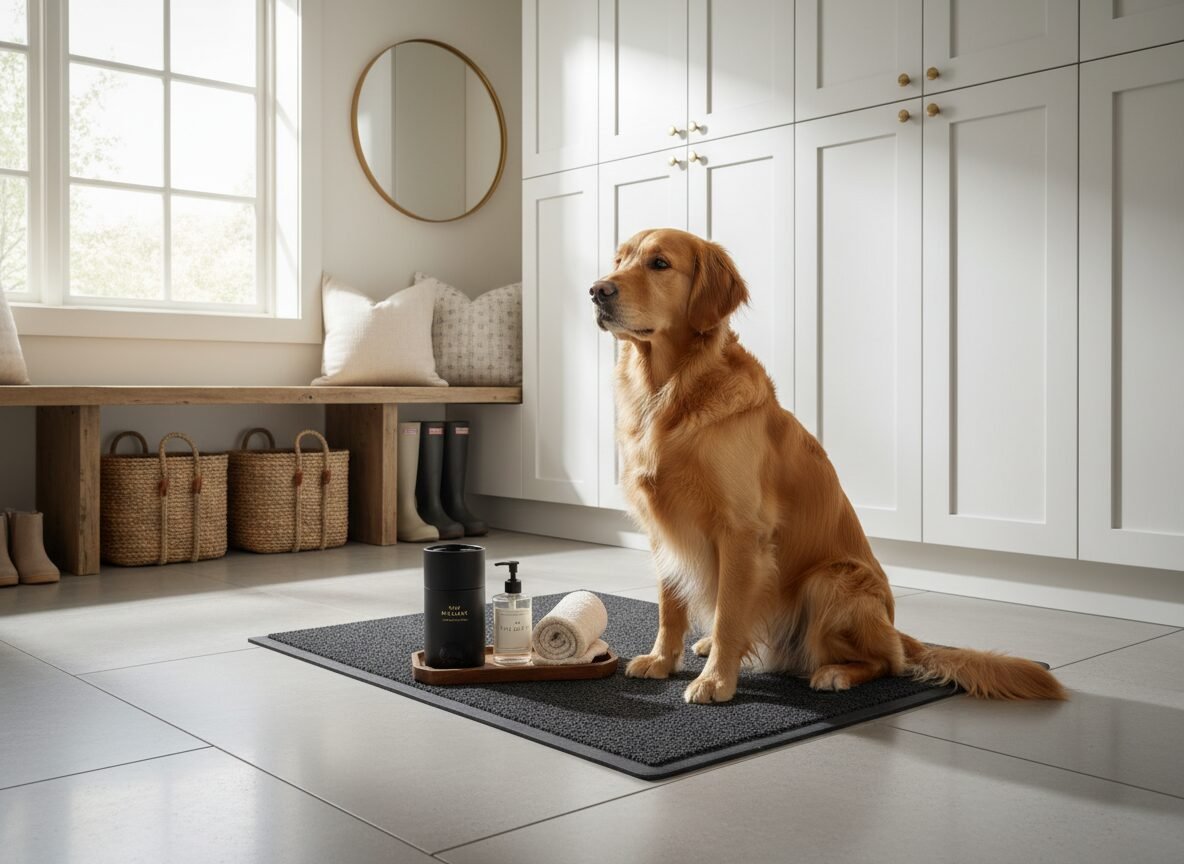
For many dog owners, the joy of an outdoor adventure is often tempered by the inevitable reality of muddy paw prints trailing across freshly cleaned floors. This constant battle between an active dog and a tidy home is a familiar struggle. However, the solution is not to limit your furry companion’s fun but to establish a strategic line of defense right at your entryway. A dedicated muddy paws station is a non-negotiable tool for the modern pet owner, transforming a chaotic cleanup into a quick, efficient routine.
This guide provides a comprehensive overview of 15 effective paw cleaning solutions, tailored to fit every budget, home size, and dog breed. We will explore everything from clever do-it-yourself (DIY) systems to sophisticated, commercially available products. By understanding the options available, you can implement a system that not only saves your floors but also integrates seamlessly into your daily life, making post-walk cleanup a stress-free experience for both you and your beloved pet.
The Core Components of an Effective Paw Cleaning Station
Before selecting a specific product or system, it is crucial to understand the fundamental principles of what makes a paw cleaning station successful. An effective station is more than just a towel by the door; it’s a well-designed system that addresses cleaning, drying, and containment. When evaluating your options, consider these four essential pillars:
1. Cleaning Mechanism
The primary function is to remove mud, dirt, salt, and other debris from your dog’s paws. Cleaning mechanisms range widely in complexity and efficacy. Simple solutions may rely on the friction of a textured mat, while more active methods involve water and gentle scrubbing. Consider your dog’s typical level of dirtiness. A city dog may only need a quick wipe, whereas a country dog who enjoys romping through fields will require a more robust washing solution.
2. Absorbency and Drying
Removing the mud is only half the battle. The station must also effectively manage moisture to prevent wet paw prints from replacing the muddy ones. High-quality microfiber towels, ultra-absorbent mats (often called ‘mud mats’), and shammy-style materials are excellent for this purpose. The ability to quickly wick away and trap water is paramount for protecting hardwood, laminate, and tile floors from water damage and slipping hazards.
3. Containment and Location
A successful station contains the mess to a single, manageable area. This designated zone—whether it’s a mudroom, entryway, or garage—should be equipped with waterproof or highly absorbent flooring protection. A tray with a raised lip, a large rubber mat, or a washable runner can define the space and prevent dirty water from splashing onto surrounding surfaces. The location should be the immediate point of entry to ensure the protocol is followed every time.
4. Ease of Use and Maintenance
If a system is complicated or difficult to clean, it will not be used consistently. The ideal station is one that you and your dog can operate quickly and easily. Look for products that are machine washable, simple to rinse, and intuitive to use. For your dog’s comfort, the process should be gentle and positive. A stressful or uncomfortable experience can lead to avoidance, defeating the purpose of the station entirely. Prioritize solutions that promote a calm and cooperative routine.
Category 1: Simple and Effective DIY Stations
Creating a functional paw cleaning station doesn’t require a significant financial investment. With a few common household items, you can assemble a highly effective system tailored to your specific needs. These DIY solutions are perfect for budget-conscious owners or as a starting point to determine what features you value most.
The Two-Mat System
This is the simplest setup. Place a coarse, bristly outdoor mat (like coir or rubber) directly outside the door to scrape off the largest clumps of mud and debris. Immediately inside, place a highly absorbent microfiber or cotton mat to trap remaining dirt and moisture. This passive system requires minimal effort from the owner beyond training the dog to pause on each mat.
The Shallow Bin Rinse Station
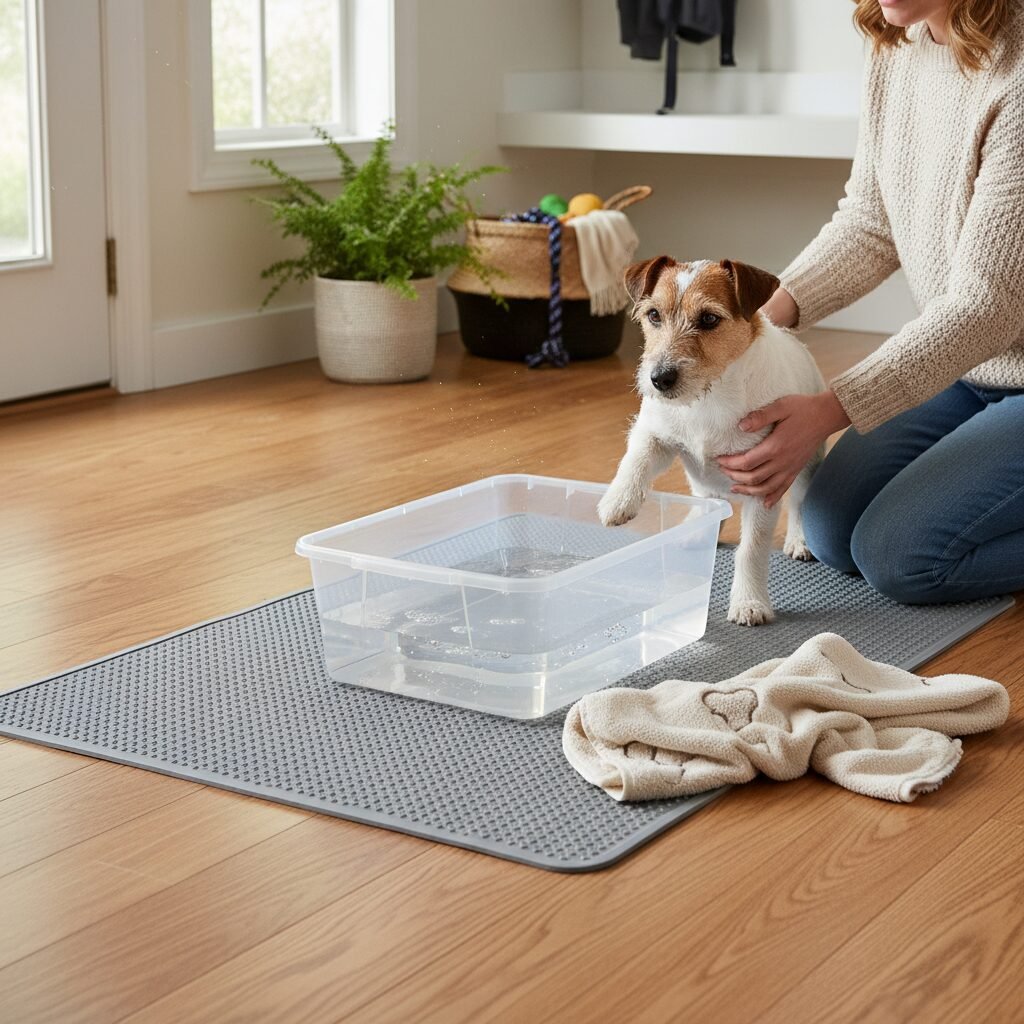
For dogs with exceptionally muddy paws, a water rinse is often necessary. Fill a shallow, sturdy plastic bin or a paint roller tray with an inch or two of lukewarm water. Guide your dog to step into the bin one paw at a time, gently swishing to loosen dirt. Have an absorbent towel ready for immediate drying. This method is highly effective but requires more active participation and careful drying to be successful.
The Grooming Glove and Spray Bottle Method
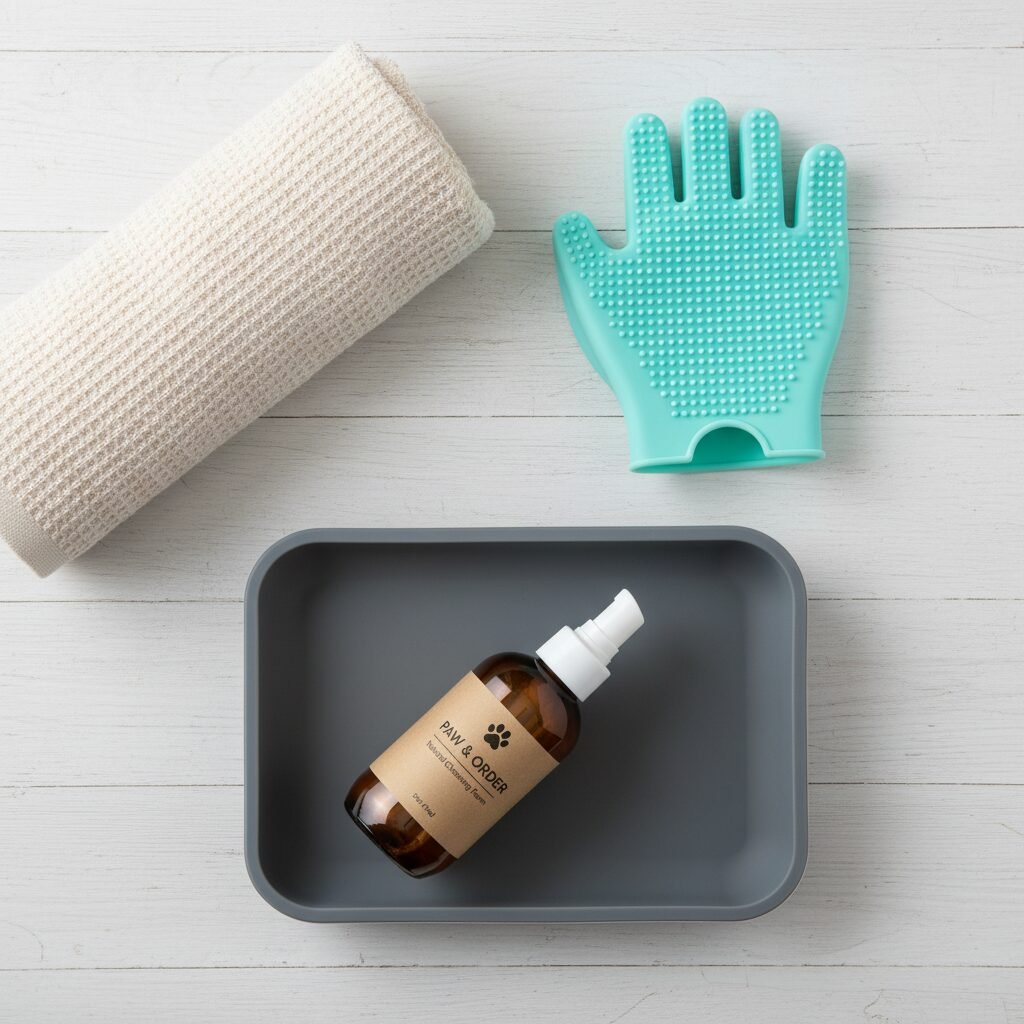
This approach offers more control and is excellent for dogs who are sensitive about their paws being handled. Fill a spray bottle with clean water (or a 50/50 mix of water and apple cider vinegar for its gentle cleaning properties). Wear a silicone grooming glove with soft nubs. Lightly spray one paw, then use the glove to massage the dirt away. The nubs help dislodge debris from between the paw pads. Wipe dry with a towel before moving to the next paw.
| DIY Method | Pros | Cons |
|---|---|---|
| Two-Mat System | Low effort, inexpensive, passive cleaning. | Less effective for heavily caked mud; mats require frequent cleaning. |
| Shallow Bin Rinse | Excellent for removing thick mud and salt. | Requires active owner involvement; can be messy if the dog splashes. |
| Glove & Spray Method | Precise and controlled cleaning; good for sensitive dogs. | More time-consuming than other methods; requires handling each paw. |
Category 2: Innovative Paw Plungers and Washers
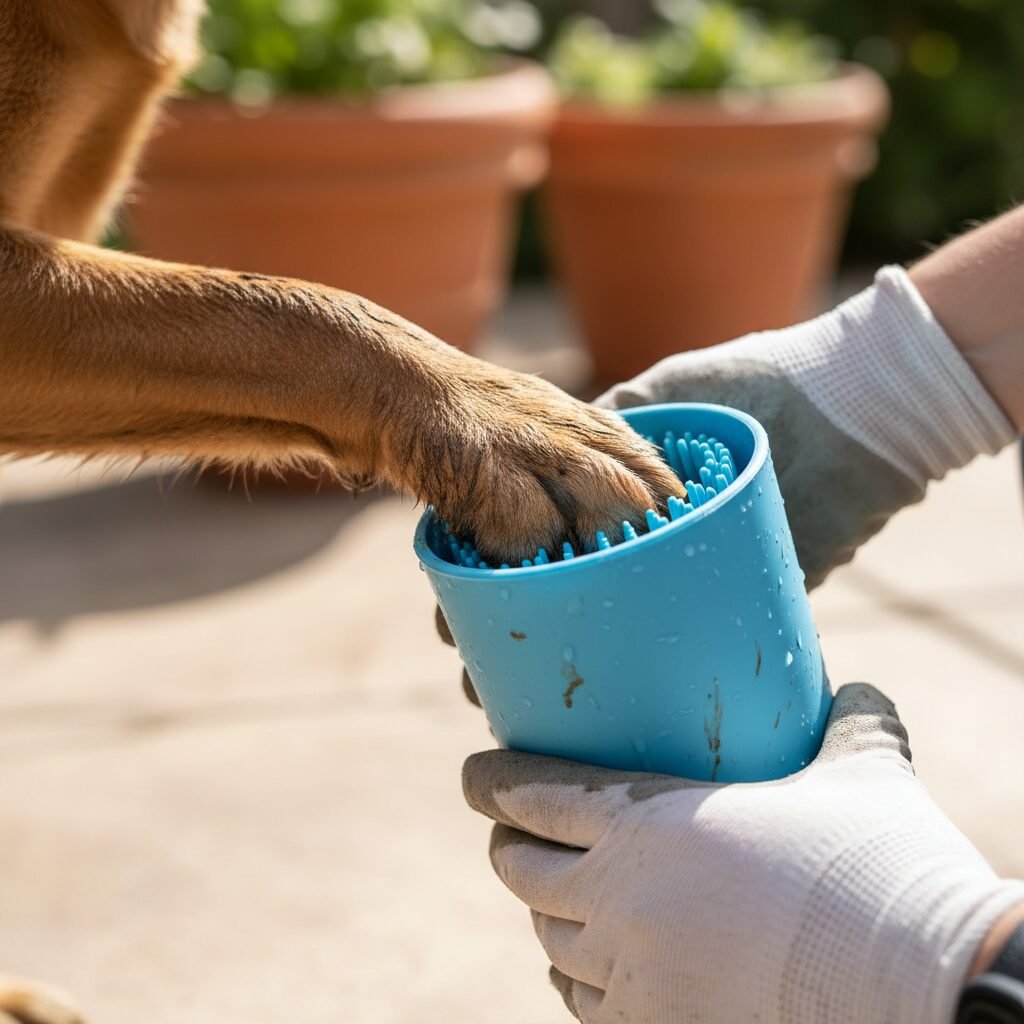
For those seeking a more contained and engineered solution, portable paw washers, often called ‘plungers,’ are a game-changer. These clever devices provide a 360-degree clean in a self-contained unit, minimizing mess and maximizing efficiency. They are a significant step up from basic DIY methods and are ideal for dogs of all sizes.
The typical design features a tumbler-like cup with an opening at the top. Inside, soft silicone bristles line the walls. To use, you fill the cup partway with water, insert a muddy paw, and twist the device or move it up and down. The bristles gently scrub away dirt from the pads, nails, and deep between the toes—areas a simple wipe might miss. After cleaning, you simply remove the paw and dry it thoroughly.
Popular Paw Washer Models
While many brands exist, they generally fall into a few key designs:
- The Original Plunger: This is the most common style, available in various sizes to accommodate different breeds. They are simple, durable, and the internal bristle mat is usually removable for easy cleaning.
- Electric Paw Washers: A newer innovation, these models feature a battery-powered motor that rotates the bristles automatically. This provides a consistent, hands-free scrubbing action, which can be beneficial for owners with limited dexterity or for dogs who tolerate the gentle vibration.
- Squeeze-Action Cleaners: Some designs incorporate a squeezable bottle or a handle that, when pumped, agitates the water and bristles. This can create a more forceful cleaning action for stubborn, dried-on mud.
Expert Tip: To make the experience more pleasant for your dog, use lukewarm water and introduce the paw washer gradually with positive reinforcement. Allow your dog to investigate it first, then touch it to their leg, and eventually work up to inserting their paw, rewarding them at each step.
| Feature | Manual Paw Plunger | Electric Paw Washer |
|---|---|---|
| Cleaning Action | Manual twisting or up-and-down motion. | Automated, motorized bristle rotation. |
| Best For | Quick, everyday cleaning; travel and portability. | Thorough, consistent cleaning; owners with mobility issues. |
| Power Source | None required. | Rechargeable battery (usually via USB). |
| Maintenance | Very simple; disassemble and rinse components. | Slightly more complex; requires keeping the motor dry. |
Category 3: High-Tech Absorbent and Dirt-Trapping Mats
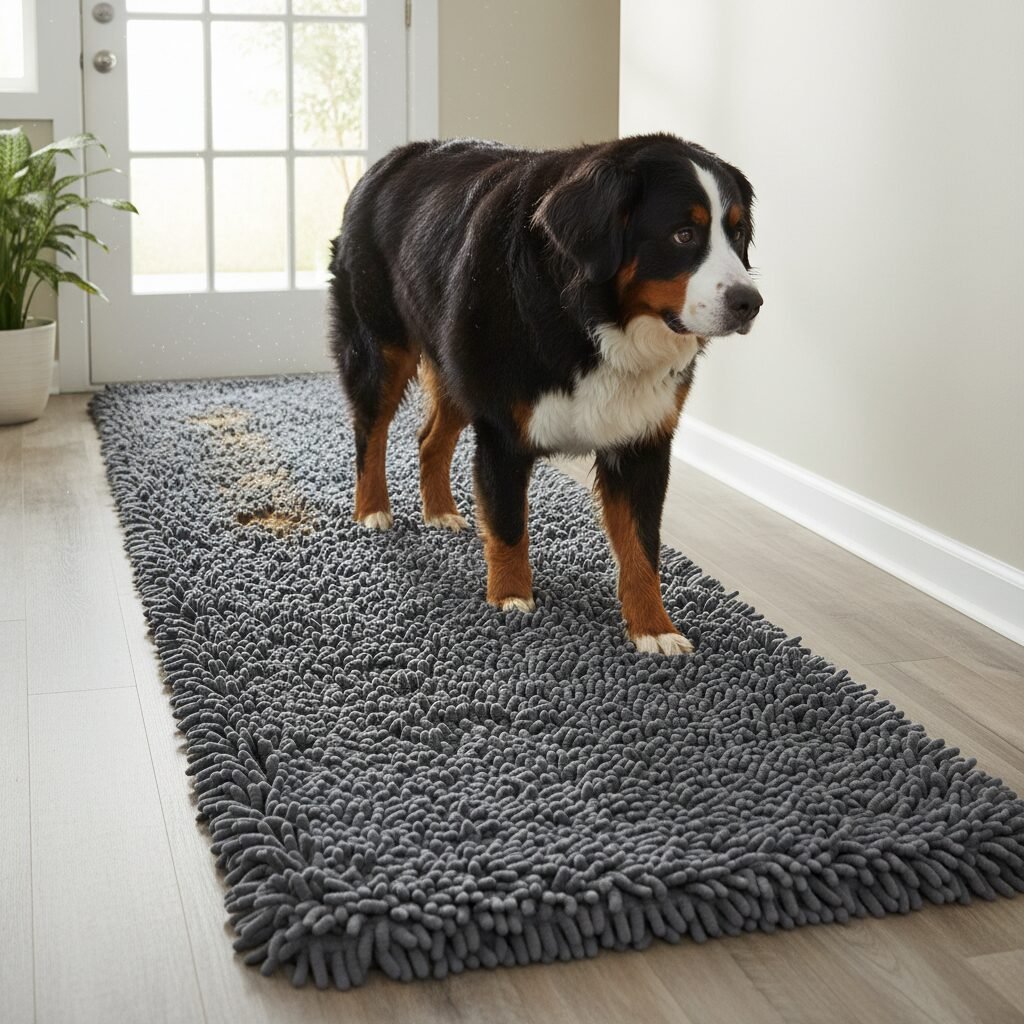
Perhaps the most passive yet surprisingly effective solution is the advanced absorbent mat. These are not your average doormats. Engineered with specialized materials and weaving techniques, these mats are designed to act like a sponge for mud and water, pulling debris from paws with every step your dog takes. They are an excellent primary solution for light-duty needs or a crucial secondary component in a more comprehensive station.
The Science Behind the Mats
The magic of these mats lies in their materials and construction. Most are made from advanced microfiber blends. The fibers are split into millions of microscopic filaments, dramatically increasing the surface area of the mat. This allows them to absorb many times their weight in water and trap tiny particles of dirt and sand within the weave.
- Microfiber ‘Noodle’ Mats: Often called chenille or ‘noodle’ mats, these feature thousands of soft, finger-like protrusions. This design maximizes surface area for incredible absorbency and provides a gentle cleaning action as the dog walks across it.
- Low-Profile Scraper Mats: These mats often have a dual-fiber construction. Coarser, scraping fibers dislodge dried mud, while softer, absorbent fibers trap moisture and finer dirt. They are typically less plush but highly durable for high-traffic areas.
- Rubber-Backed Runners: For maximum floor protection, choose a mat or runner with a non-slip, waterproof rubber backing. This prevents moisture from seeping through to your floors and ensures the mat stays securely in place, preventing accidents.
Deployment and Best Practices
To maximize effectiveness, size and placement are key. A larger mat or a long runner provides more surface area, ensuring your dog takes multiple steps on it before reaching the clean floor. Place them in any high-traffic entryway, such as the back door, mudroom, or garage entrance. Many of these mats are machine washable, making cleanup simple. Regular washing not only keeps them hygienic but also fluffs up the fibers, restoring their maximum absorbency.
Category 4: All-in-One Commercial Stations and Luxury Setups
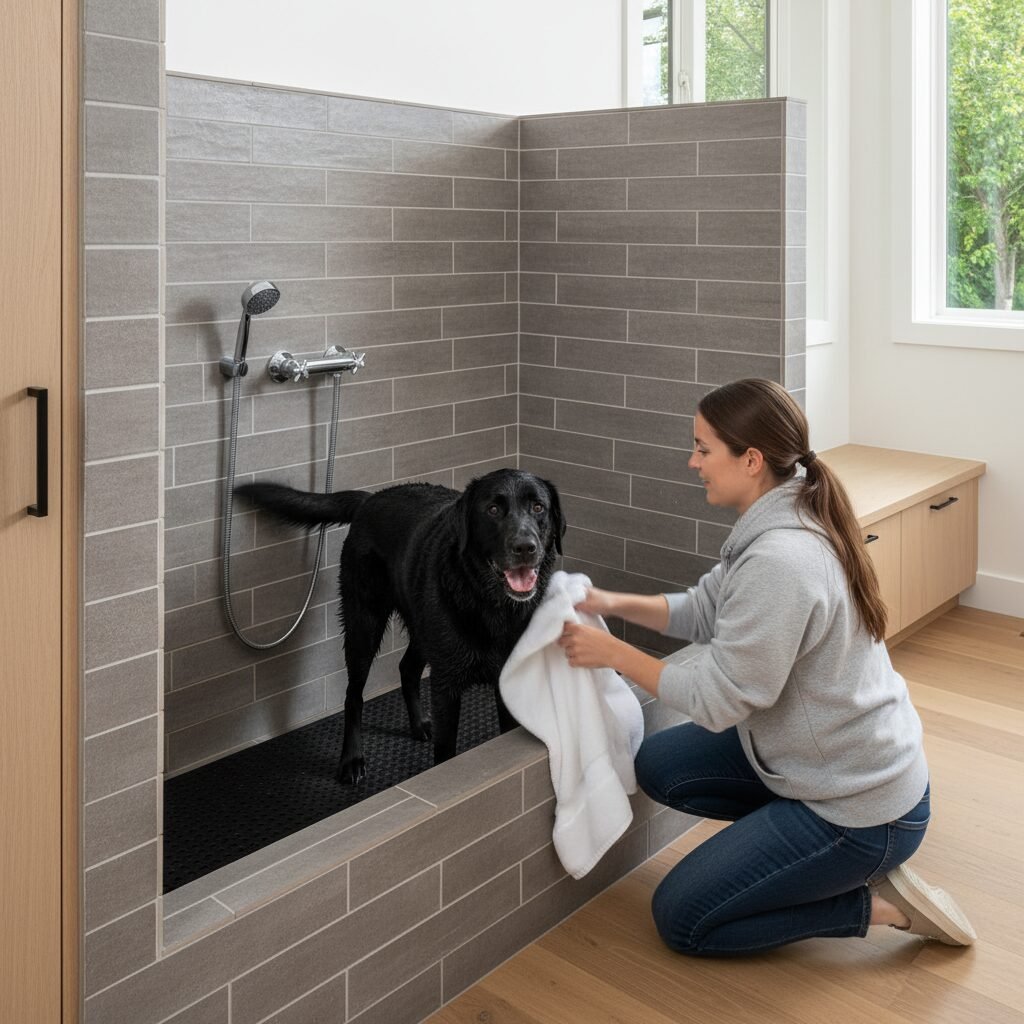
For the pet owner seeking the ultimate in convenience, cleanliness, and aesthetics, all-in-one commercial paw washing stations offer a complete and often elegant solution. These systems integrate multiple components into a single, cohesive unit, providing a dedicated and permanent fixture for your home. While they represent a higher initial investment, their durability and comprehensive nature can be well worth it.
Features of Integrated Systems
These stations are designed to handle the toughest cleaning jobs with style and efficiency. Common features may include:
- Built-in Ramps or Stairs: For older dogs or those with mobility issues, a low-incline ramp or shallow steps make accessing the station much easier and safer.
- Integrated Water Sprayers: Some units can be connected to a hose or plumbing line, providing a gentle, on-demand spray of water, similar to a small, low-level shower. This eliminates the need to fetch buckets of water.
- Grooming Surfaces and Drainage: The wash basin often features a non-slip, textured surface. An integrated drainage system whisks away dirty water, keeping the cleaning area tidy and preventing your dog from standing in a murky puddle.
- Drying Platforms and Tool Caddies: Many designs include an adjacent slatted or absorbent platform where the dog can stand while being towel-dried. Built-in caddies and hooks keep towels, brushes, and paw balms organized and within easy reach.
These stations are often constructed from durable, weather-resistant materials like heavy-duty plastic, recycled resin, or even stainless steel, making them suitable for placement in a garage, mudroom, or on a covered patio. They are a statement piece that signals a serious commitment to a clean home and a well-cared-for pet.
Conclusion
Maintaining clean floors and a happy, active dog do not have to be mutually exclusive goals. By establishing a dedicated muddy paws station, you can create a simple, repeatable routine that contains the mess and minimizes stress for everyone. From a basic two-mat system to a luxurious built-in wash bay, the ideal solution is the one that best fits your lifestyle, your dog’s needs, and your home’s layout.
We have explored 15 different approaches, categorized by their complexity and function. Whether you choose a clever DIY setup, a portable paw plunger, a high-tech absorbent mat, or a comprehensive commercial station, consistency is the key to success. By making paw cleaning a quick and positive part of every return home, you can protect your floors and furnishings while continuing to embrace all the muddy, joyful adventures that make life with a dog so rewarding.