Is Your Dog Biting at Invisible Flies? The Scary Truth About Fly Snapping
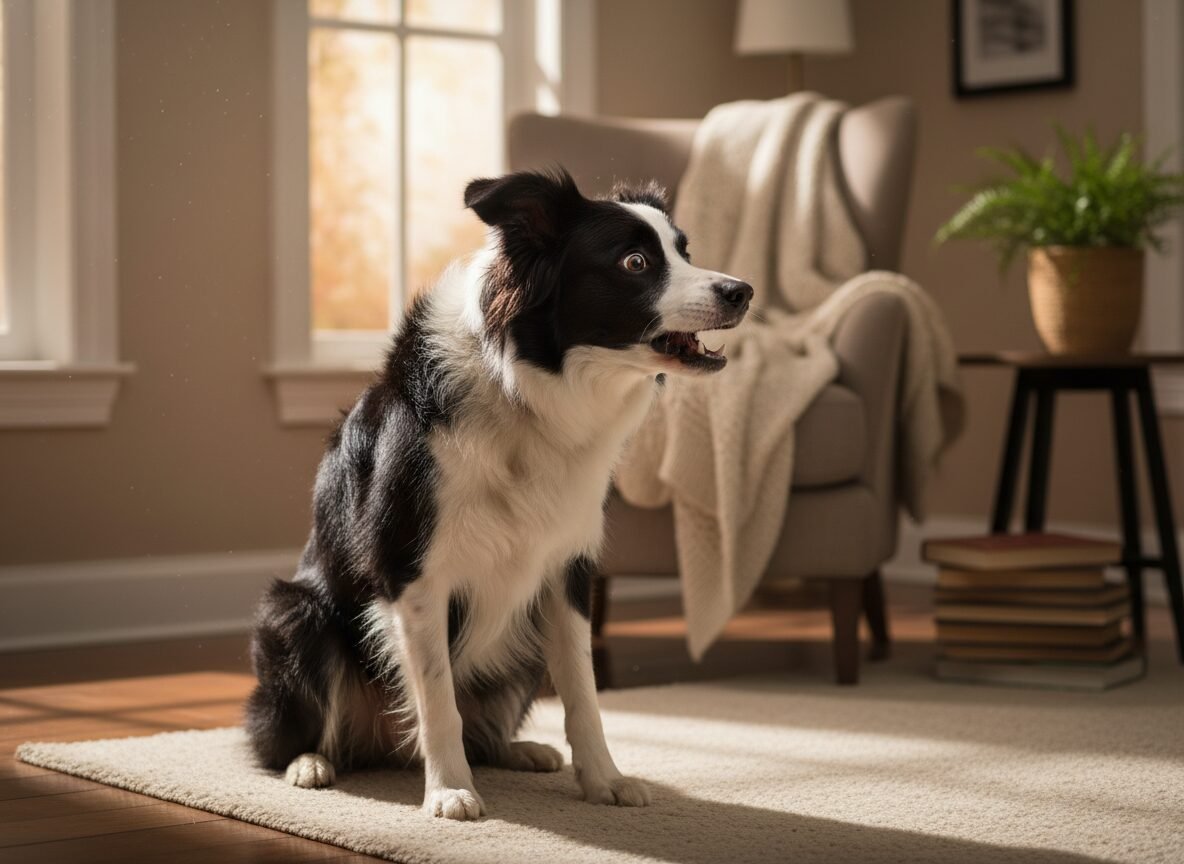
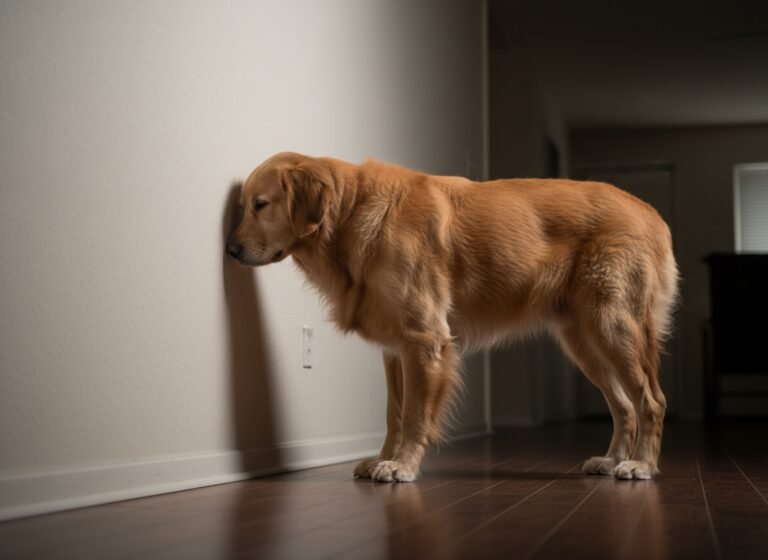
Observing your canine companion suddenly stare intently at a blank wall and snap their jaws at an invisible target can be a bewildering, and sometimes even amusing, experience. This behavior, commonly known as ‘fly snapping’ or ‘fly-biting syndrome,’ is often dismissed as a quirky personality trait. However, it is crucial for pet owners to understand that this action is rarely benign. More often than not, it is an outward sign of a significant underlying medical issue that requires professional veterinary attention.
While the image of a dog chasing imaginary flies might seem harmless, it can be a manifestation of complex neurological, gastrointestinal, or ophthalmic conditions. Ignoring these signs can lead to a delay in diagnosing and treating potentially serious health problems. This article serves as a definitive guide for concerned pet owners, providing an in-depth, authoritative overview of fly snapping syndrome. We will explore the potential causes, detail the diagnostic journey you and your veterinarian will undertake, and outline the various treatment and management strategies available. Our goal is to empower you with the knowledge to be your dog’s best advocate and ensure they receive the care they need.
Decoding Fly Snapping: More Than Just a Quirk

Fly snapping syndrome is a descriptive term for a specific set of behaviors where a dog appears to be tracking and biting at imaginary flies. It is a form of paroxysmal dyskinesia, which means it occurs in sudden, brief episodes. It is essential to distinguish this from a dog that is genuinely chasing a visible insect. The key difference lies in the context and the absence of any actual stimulus.
Key Characteristics of Fly-Biting Behavior
To accurately identify fly snapping, owners should look for a combination of the following signs, which often occur without warning:
- Intense Staring: The dog’s gaze becomes fixed on a point in the air or on a surface, as if tracking something only it can see.
- Sudden Head Jerking: The head may twitch or jerk upwards and sideways in a rapid motion.
- Snapping or Biting at the Air: The most prominent sign is the dog snapping its jaws together, sometimes accompanied by a gulping or licking motion.
- Lack of an Actual Fly: The behavior occurs in environments where there are clearly no insects present.
- Episodic Nature: The events are typically brief, lasting from a few seconds to a couple of minutes, after which the dog may return to normal behavior as if nothing happened. In some cases, the dog may appear confused or disoriented afterward.
Expert Tip: When you observe this behavior, try to capture it on video with your smartphone. A visual record of the episode is invaluable for your veterinarian, as it provides a clear, unfiltered look at the symptoms, which may not occur during a clinical examination.
Understanding these characteristics is the first step. Recognizing that this is not a playful antic but a potential cry for help allows for prompt and appropriate action. The behavior is often involuntary, meaning your dog has no control over it, and it should never be punished or discouraged as a behavioral ‘bad habit’.
Unmasking the Culprits: The Medical Roots of Fly-Biting Behavior
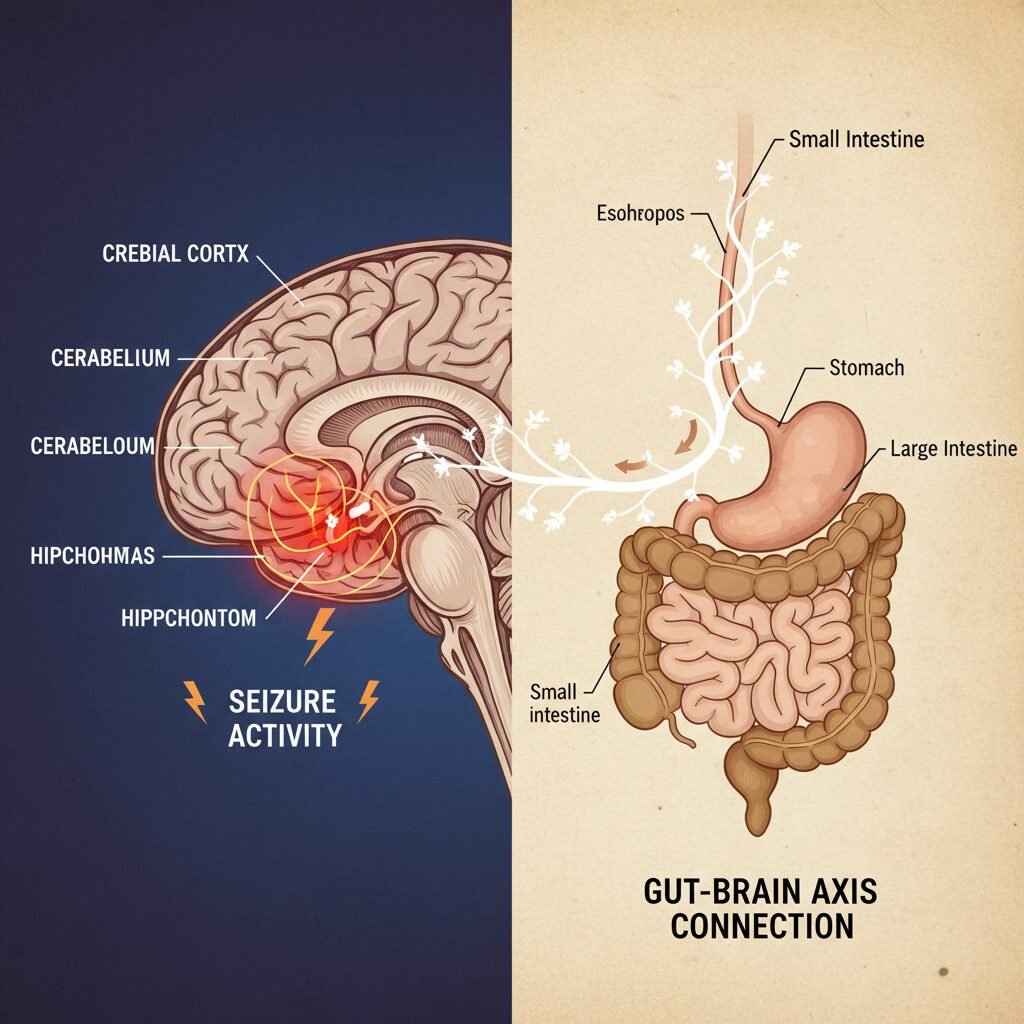
Fly snapping is a clinical sign, not a diagnosis in itself. The behavior is a window into a variety of potential health issues, ranging from the brain to the gut. A thorough veterinary investigation is required to pinpoint the precise cause.
Neurological Conditions: The Primary Concern
The most significant and common cause of fly snapping is a neurological event, specifically a focal seizure. Unlike generalized seizures that affect the entire body, a focal (or partial) seizure originates in a specific region of the brain. If the seizure activity occurs in the part of the brain responsible for vision or facial motor control, it can manifest as the classic signs of fly snapping. These seizures can be caused by several underlying issues:
- Idiopathic Epilepsy: A genetic predisposition to seizures with no other identifiable cause. It often appears in dogs between 6 months and 6 years of age.
- Brain Tumors: A growth in the brain can create pressure and abnormal electrical activity, leading to seizures.
- Encephalitis: Inflammation of the brain, which can be caused by infections or autoimmune diseases.
- Head Trauma: A previous injury to the head can create scar tissue that becomes a focal point for seizure activity.
Gastrointestinal (GI) Disorders
A growing body of evidence highlights the strong connection between the gut and the brain, often called the gut-brain axis. Discomfort originating in the digestive system can trigger neurological responses, including fly snapping. Potential GI culprits include:
- Gastroesophageal Reflux Disease (GERD): Acid reflux can cause a painful, burning sensation in the esophagus. Dogs may lick the air, gulp, or snap as a response to this discomfort.
- Inflammatory Bowel Disease (IBD): Chronic inflammation of the intestines can lead to pain, nausea, and other systemic signs that may manifest in unusual behaviors.
- Delayed Gastric Emptying: When the stomach doesn’t empty properly, it can cause bloating and discomfort, which may be linked to fly-snapping episodes.
Ocular (Eye) Problems
What if your dog is snapping because it genuinely sees something you can’t? Certain ophthalmologic conditions can cause spots or ‘floaters’ in a dog’s field of vision.
- Vitreous Degeneration: The vitreous humor, the gel-like substance that fills the eye, can develop opacities or liquefy with age or disease. These floating specks can drift across the dog’s vision, prompting a snapping response.
- Posterior Vitreous Detachment: This occurs when the vitreous gel pulls away from the retina, which can also create the perception of floaters or flashes of light.
Canine Compulsive Disorder (CCD)
While less common, fly snapping can sometimes be a manifestation of Canine Compulsive Disorder, the animal equivalent of OCD in humans. This is a behavioral diagnosis and should only be considered after all potential medical causes have been meticulously ruled out. These behaviors are often rooted in anxiety and stress and may be accompanied by other compulsive actions like tail chasing or flank sucking.
The Path to a Diagnosis: What to Expect at the Vet’s Office

Because fly snapping can stem from multiple body systems, a systematic diagnostic approach is essential. Be prepared for a comprehensive workup to help your veterinarian get to the root of the problem.
1. Detailed History and Initial Examination
Your veterinarian’s investigation will begin with you. Be ready to provide a thorough history of the episodes, including:
- The age of your dog when the episodes started.
- The frequency and duration of the snapping behavior.
- The time of day they typically occur.
- Any potential triggers you’ve noticed (e.g., after meals, during rest).
- Any other concurrent symptoms, such as vomiting, diarrhea, weight loss, or changes in appetite or thirst.
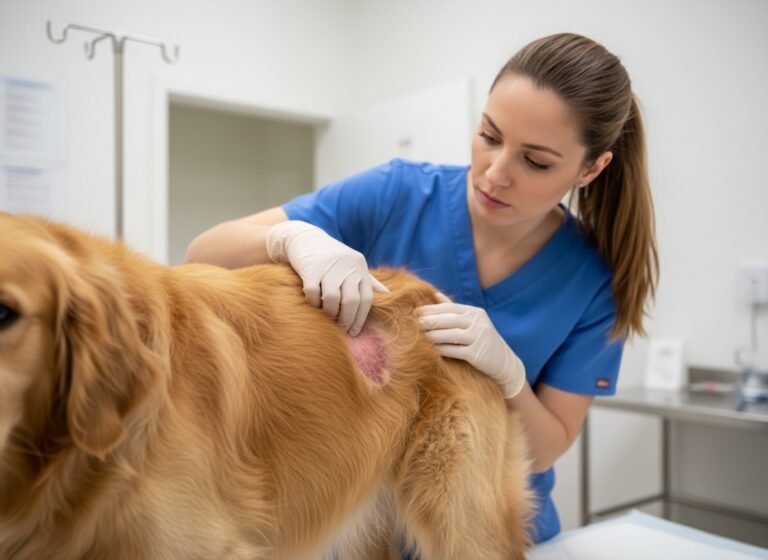
Following this discussion, the vet will perform a complete physical and neurological examination. This involves checking reflexes, cranial nerves, gait, and overall alertness to look for any abnormalities that might point toward a neurological issue.
2. Diagnostic Testing
Based on the initial findings, your veterinarian will recommend a series of tests to rule in or rule out potential causes. This process is often one of elimination.
| Test Category | Purpose and What It Involves |
|---|---|
| Baseline Bloodwork | A Complete Blood Count (CBC) and a chemistry panel are performed to assess organ function, check for signs of infection or inflammation, and rule out metabolic problems that could cause neurological signs. |
| Ophthalmologic Exam | A detailed examination of the eyes, possibly by a veterinary ophthalmologist, to check for floaters, retinal issues, or other abnormalities within the eye structure. |
| Gastrointestinal Trial | If GI disease is suspected, your vet may recommend a diet trial with a hypoallergenic or easily digestible food, or a course of antacid medication (e.g., omeprazole) to see if symptoms improve. |
| Advanced Neurological Imaging | If a primary brain disorder is suspected, Magnetic Resonance Imaging (MRI) is the gold standard. An MRI provides detailed images of the brain’s structure, allowing the vet to identify tumors, inflammation, or structural abnormalities. A CT scan may also be used. |
| Cerebrospinal Fluid (CSF) Analysis | Often performed at the same time as an MRI, a ‘spinal tap’ involves collecting the fluid that surrounds the brain and spinal cord. Analyzing this fluid can help diagnose inflammatory conditions like encephalitis. |
Important Note: Diagnosing the cause of fly snapping can be a lengthy and sometimes costly process. However, achieving an accurate diagnosis is the only way to ensure your dog receives the correct and most effective treatment.
Managing the Condition: Treatment Pathways for Your Dog
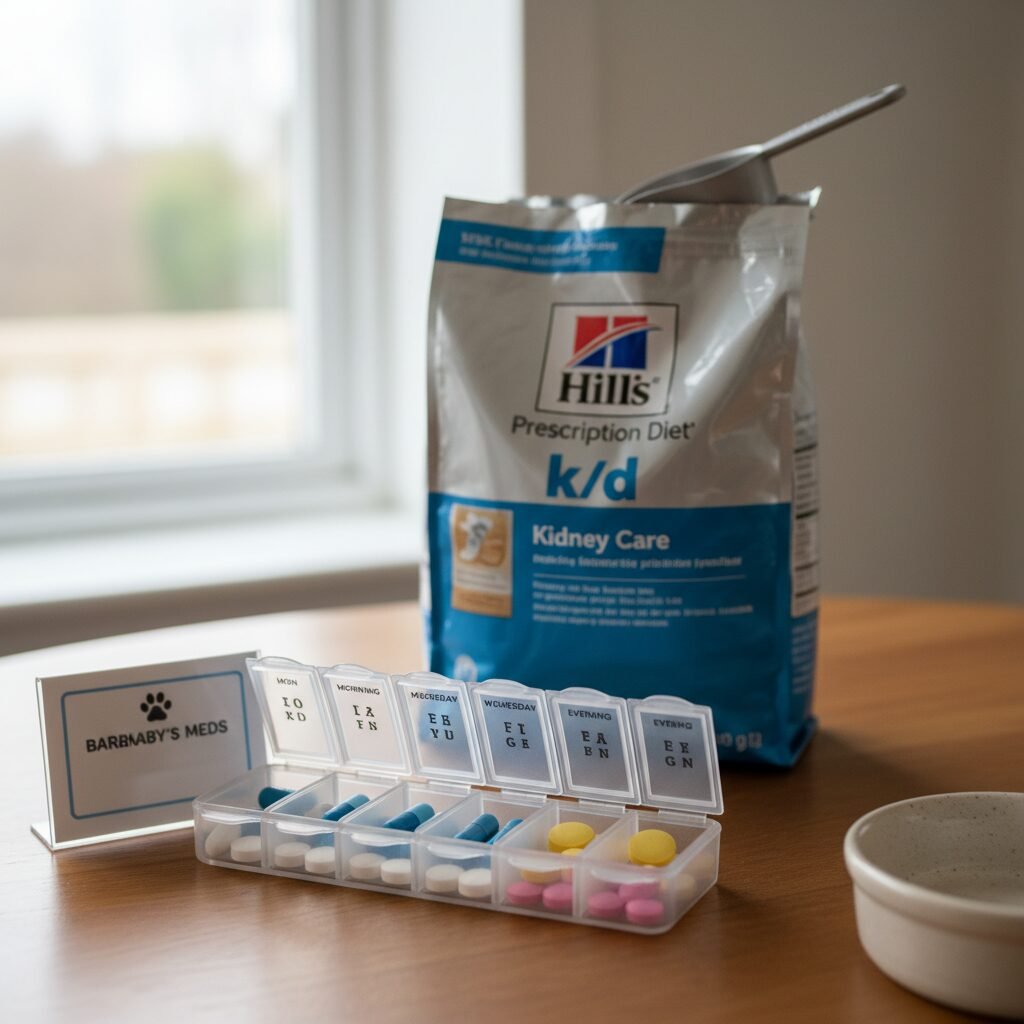
The treatment for fly snapping is entirely dependent on the underlying diagnosis. There is no single ‘cure’ for the behavior itself; instead, the focus is on managing the root cause.
Treating Neurological Conditions
If the fly snapping is determined to be a focal seizure disorder, the primary treatment involves anticonvulsant medication. The goal of these drugs is not necessarily to eliminate all seizures but to reduce their frequency, severity, and duration to a manageable level.
- Common Anticonvulsants: Medications such as Phenobarbital, Levetiracetam (Keppra®), Zonisamide, or Potassium Bromide are frequently prescribed. Your veterinarian will choose the most appropriate drug based on your dog’s specific condition, age, and overall health.
- Monitoring and Adjustment: Treatment requires regular monitoring through blood tests to ensure the drug is within its therapeutic range and is not causing adverse side effects on organs like the liver. Dosages may need to be adjusted over time.
Addressing Gastrointestinal Issues
When a GI problem is identified as the trigger, treatment is aimed at healing and managing the digestive tract.
- Dietary Management: This is often the first line of defense. Your vet may prescribe a novel protein, hydrolyzed protein, or low-fat diet to reduce inflammation and sensitivity.
- Medications: Drugs that reduce stomach acid production (proton pump inhibitors like omeprazole), protect the esophageal lining, or improve gastric motility may be used to manage conditions like GERD.
Managing Ocular and Behavioral Causes
For eye-related issues, treatment will be directed by a veterinary ophthalmologist and could involve medications or procedures to manage the specific condition. If, after an exhaustive medical workup, fly snapping is diagnosed as a compulsive disorder, a multi-faceted behavioral approach is necessary. This may include:
- Environmental Enrichment: Increasing physical exercise, puzzle toys, and training can help reduce stress and anxiety.
- Anxiety-Reducing Medication: In some cases, anti-anxiety medications (like SSRIs) may be prescribed by a veterinarian or veterinary behaviorist.
- Behavior Modification: Working with a certified professional to develop strategies for managing anxiety and redirecting compulsive behaviors.
Conclusion
The strange sight of a dog snapping at invisible flies is far more than a simple behavioral quirk. It is a critical signal that warrants immediate and serious attention. As we’ve explored, this behavior is frequently linked to significant medical conditions, with focal seizures being a primary and grave concern. From neurological and gastrointestinal disorders to problems within the eye, the potential causes are complex and require a professional, systematic approach to diagnosis.
As a pet owner, your role is pivotal. Your careful observation, detailed record-keeping, and willingness to pursue a diagnostic workup are essential components of your dog’s healthcare team. Never dismiss fly snapping or assume it will resolve on its own. By seeking prompt veterinary consultation, you provide your companion with the best possible chance for an accurate diagnosis and an effective management plan. Advocating for your dog’s health is one of the most important responsibilities we have as their guardians. If you witness this behavior, make the call to your veterinarian today—it could be the most important one you ever make for their well-being.