Help! My Dog Is Terrified of Flies (Stark Terror Solved)

Witnessing your canine companion descend into a state of panic over something as seemingly insignificant as a common housefly can be both baffling and distressing. One moment, your dog is calm; the next, they are whining, hiding, snapping at the air, or frantically trying to escape an invisible threat. If this scenario is familiar, you are not alone, and your dog’s fear is very real. This condition, a form of canine entomophobia (fear of insects), can significantly impact your dog’s quality of life and create a stressful home environment.
This is more than a simple dislike; it is a genuine phobia that triggers a physiological stress response. Understanding the root of this fear is the first step toward resolving it. This comprehensive guide will serve as your definitive resource, moving beyond simple management to provide a structured, veterinary-approved behavioral modification plan. We will delve into the psychology behind the phobia and equip you with the tools and techniques of desensitization and counter-conditioning. By following these steps with patience and consistency, you can help your dog overcome their terror and restore peace to your home.
Understanding Canine Entomophobia: Why Flies Trigger Fear
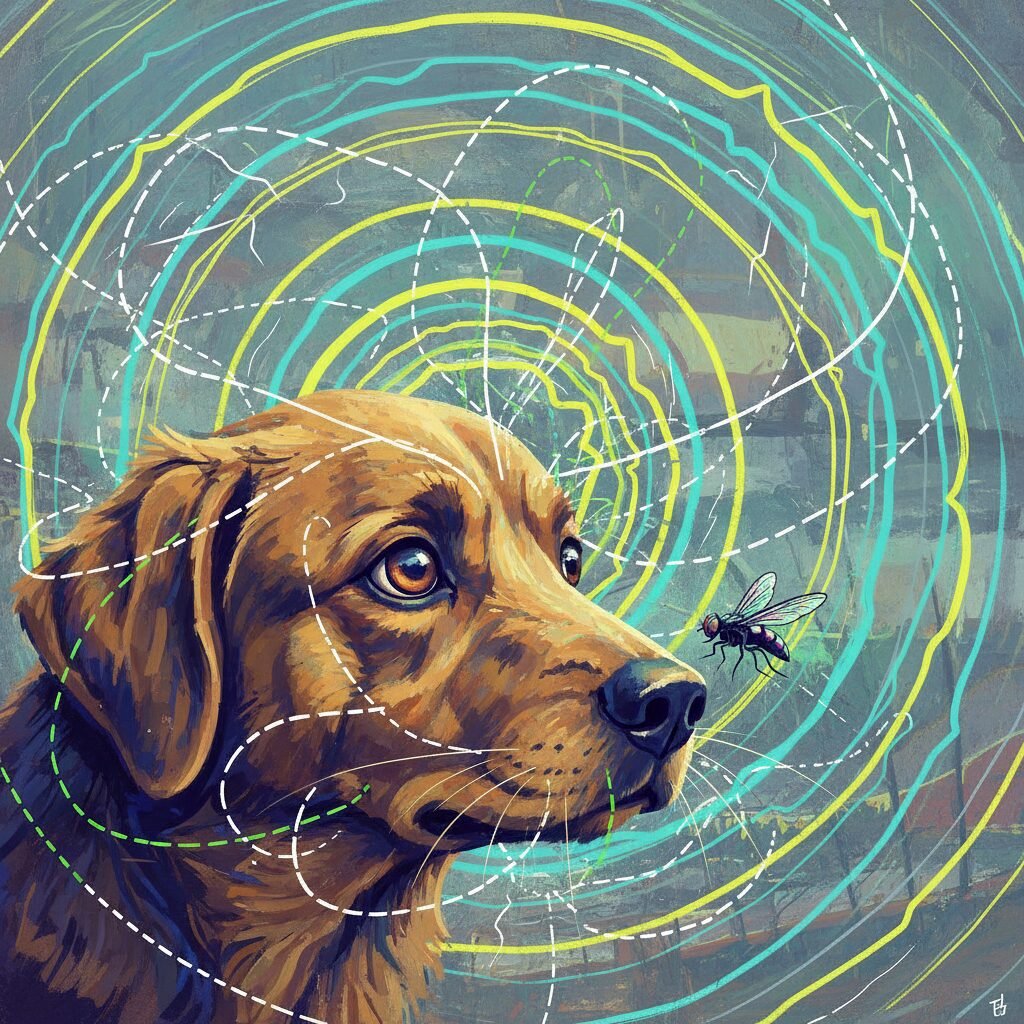
A dog’s phobic reaction to flies is rarely a conscious decision; it is an involuntary, deep-seated response rooted in their sensory experience and past associations. To effectively address the fear, we must first respect its complexity and explore its potential origins.
The Aural Assault: The Buzzing Sound
A dog’s hearing is exponentially more sensitive than a human’s. They can detect frequencies far beyond our range, and what sounds like a faint buzz to us can be an intrusive, irritating, or even threatening sound to them. The high-pitched, erratic nature of a fly’s buzzing can trigger a dog’s sensitive auditory system, causing anxiety and a sense of being unable to escape the noise. For some dogs, particularly those with noise sensitivities, this sound alone is enough to induce a state of panic.
Erratic and Unpredictable Movement
Dogs are masters of predicting movement, a skill honed from their predatory ancestors. However, a fly’s flight path is chaotic and unpredictable. It darts, hovers, and changes direction in a way that defies logic. This randomness can be deeply unsettling for a dog, as they cannot anticipate the insect’s next move. This lack of control can be perceived as a threat, activating a fight-or-flight response. The dog may snap at the air in a futile attempt to control the unpredictable object in its space.
Negative Past Associations
A single negative experience can be enough to create a lifelong phobia. The dog may have been bitten or stung by a flying insect they mistook for a fly, such as a bee or wasp. The sudden, sharp pain becomes indelibly linked with the sight and sound of any buzzing insect. Even an experience like having a fly repeatedly land on their face, in their ears, or near their food bowl can create a powerful aversion that escalates into fear over time.
Breed Predispositions and Personality
While any dog can develop this fear, certain breeds or individual temperaments may be more susceptible. Herding breeds, for example, are often highly sensitive to movement and sound. Dogs with a generally anxious or nervous disposition are more prone to developing phobias of all kinds, as their threshold for stress is naturally lower. Their response to a startling stimulus, like a fly suddenly buzzing past their ear, is often magnified.
Phase 1: Immediate Management and Creating a Safe Environment

Before beginning any active training, the immediate priority is to reduce your dog’s current stress levels. You cannot effectively modify a behavior while the dog is in a constant state of anxiety. This management phase is about controlling the environment to minimize exposure to the trigger.
Fortify Your Home
Your first line of defense is physical prevention. Preventing flies from entering the home is the most effective way to provide immediate relief.
- Window and Door Screens: Ensure all screens are in good repair, free of holes or tears. Encourage family members to be diligent about not leaving doors open.
- Fly Traps: Utilize non-toxic, pet-safe fly traps. Place them in strategic locations, such as near windows or trash receptacles, but well out of your dog’s reach. Options like sticky paper or enclosed bait traps are effective.
- Natural Repellents: Certain plants, like basil, mint, and rosemary, can be placed near doorways and windows to naturally deter flies. You can also use pet-safe essential oil diffusers with scents like lavender or lemongrass, ensuring the oils are heavily diluted and safe for canine inhalation.
Establish a ‘Safe Zone’
Designate a specific area in your home as your dog’s sanctuary. This should be a place where they naturally feel secure, such as their crate (with the door open), a cozy bed in a quiet room, or a specific corner. Make this space as fly-proof as possible and enrich it with positive associations.
- Provide a comfortable bed and favorite toys.
- Use a white noise machine or play calming music to help mask any potential buzzing sounds from outside the room.
- Offer high-value chew toys or puzzle feeders in this space to build a strong positive association.
Expert Tip: When your dog is showing fear, do not force them to confront the fly. Instead, calmly and neutrally guide them to their established safe zone. Your calm demeanor is critical; if you are frantic or stressed, you will only amplify their fear.
Phase 2: The Core Training Protocol: A Step-by-Step Guide
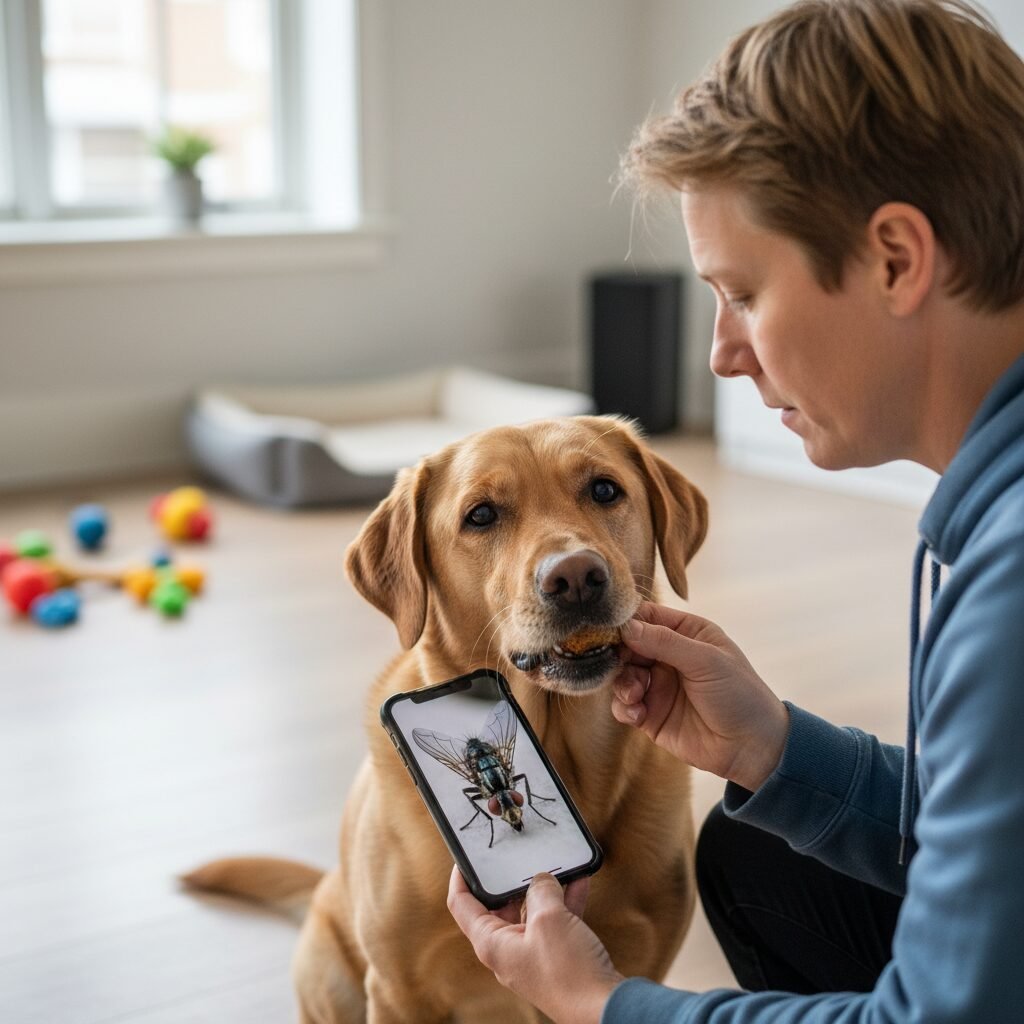
This phase involves the systematic process of changing your dog’s emotional response to flies, from terror to tolerance and eventually, indifference. This is achieved through two powerful, scientifically-backed techniques: Desensitization (gradual exposure to the trigger at a level that does not produce fear) and Counter-Conditioning (changing the dog’s association with the trigger from negative to positive).
Step 1: Gather Your Training Toolkit
Before you begin, prepare your materials. Having everything ready ensures your sessions are smooth and effective.
- High-Value Treats: These should be exceptionally motivating for your dog. Think small pieces of cooked chicken, cheese, or commercial training treats they absolutely love.
- Sound Recordings: Find a high-quality audio recording of a fly buzzing online. You will need a device with precise volume control.
- Visual Aids: Save clear pictures and short videos of flies on your phone or tablet.
- Realistic Prop: Purchase a realistic-looking plastic or rubber fly.
Step 2: Auditory Desensitization
The goal is to disconnect the buzzing sound from the fear response. Start in a quiet room where your dog is relaxed.
- Begin by playing the fly buzzing sound at a barely audible volume—so low your dog might not even seem to notice it.
- As soon as the sound starts, begin feeding your dog a steady stream of high-value treats.
- After 15-20 seconds, stop the sound, and immediately stop the treats.
- Repeat this process for a few minutes. The rule is: sound on = treats flow; sound off = treats stop.
- Over many sessions (days or even weeks), gradually increase the volume one increment at a time. If at any point your dog shows signs of stress (panting, lip licking, wide eyes), you have gone too far. Return to the last successful volume level and proceed more slowly.
Step 3: Visual Counter-Conditioning
Once your dog is comfortable with the sound at a moderate volume, you can introduce visuals.
- Start with a still picture of a fly on your phone. Hold the phone at a distance where your dog can see it but is not threatened.
- The moment your dog looks at the picture, mark the behavior with a “Yes!” or a clicker, and provide a high-value treat.
- Encourage your dog to look at the screen, rewarding every glance. The goal is to create an association: seeing the fly picture predicts a delicious treat.
- Gradually progress to videos of flies, repeating the same process.
Step 4: Integrating the Prop
The final step in this controlled training is to introduce a physical object.
- Place the realistic toy fly on the floor in a far corner of the room.
- Reward your dog for any calm behavior in the presence of the toy. Reward them for looking at it and then looking back at you.
- Over many sessions, slowly decrease the distance between your dog and the toy fly, always pairing the experience with positive reinforcement. You can eventually practice having the toy “buzz” around you while you dispense treats.
Phase 3: Real-World Application and Proofing
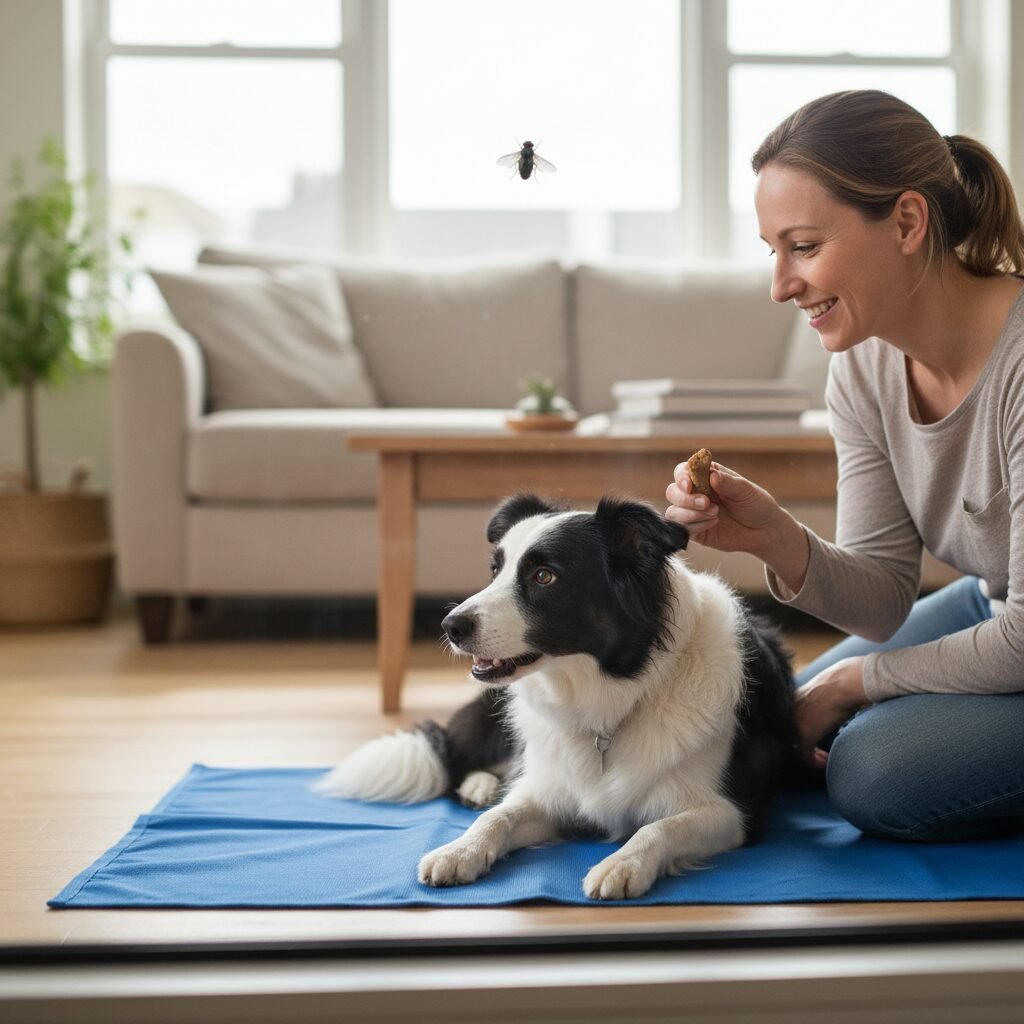
Transitioning from controlled exercises to real-life encounters is the ultimate test of your training. This phase is about ‘proofing’ the behavior, which means teaching your dog to remain calm in various contexts and situations. The key is to engineer successful encounters and manage unexpected ones.
Controlled Real-World Setups
Before a fly randomly enters your home, try to create a controlled scenario. You can trap a live fly in a clear, sealed jar. This allows you to control the distance and intensity of the exposure.
- Place the jar with the fly on the other side of the room while your dog is on a leash.
- Engage your dog in simple, fun training cues they know well (like ‘sit’ or ‘touch’) and reward them generously.
- The goal is not for them to interact with the jar, but to learn that they can coexist in the same room with the stimulus and good things (treats, praise, fun) still happen.
- Keep these sessions very short and end on a positive note before your dog has a chance to become anxious.
Teaching an Alternative Behavior
Instead of allowing your dog to fixate on and react to a fly, give them a specific, desirable job to do. The ‘go to your mat’ or ‘place’ command is invaluable here. Train your dog to go to a specific mat or bed and lie down. Practice this skill daily until it is fluent. When a fly does appear, you can confidently cue them to ‘go to your mat,’ redirecting their focus from the trigger to a rewarding task. This empowers them with a constructive action to perform instead of defaulting to panic.
Managing Unexpected Encounters
Life is unpredictable, and a fly will inevitably get inside when you least expect it. Your reaction in this moment is crucial.
- Stay Calm: Your dog will take cues from you. If you become tense, start yelling, or frantically chase the fly, you confirm that it is indeed a threat. Breathe, remain neutral, and move calmly.
- Increase Distance: Do not wait for your dog to react. The moment you see the fly, cheerfully call your dog and lead them into another room, closing the door behind you. Engage them with a toy or a quick treat scatter.
- Remove the Trigger: Once your dog is secured in another room, you can deal with the fly.
Common Mistakes to Avoid During Training
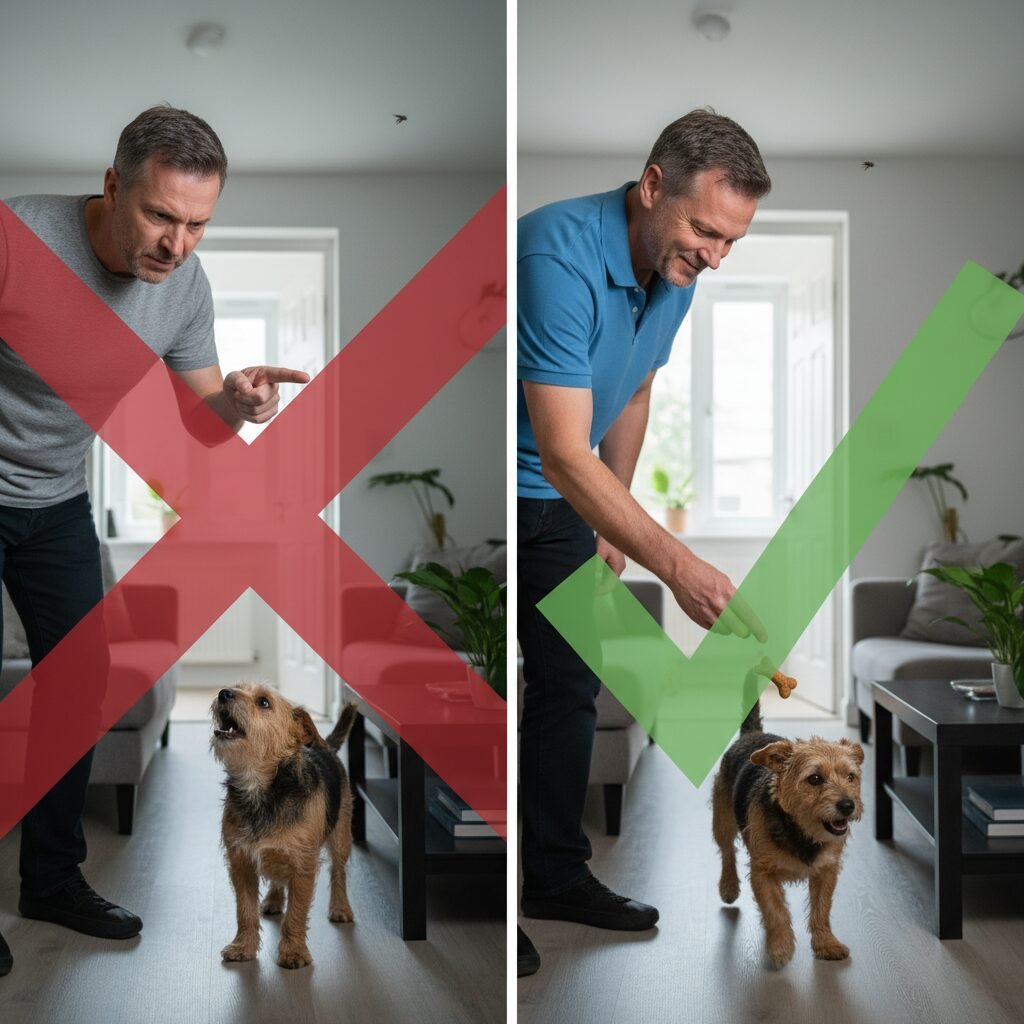
The path to overcoming a deep-seated phobia is delicate. Certain well-intentioned actions can inadvertently undermine your progress or even worsen the fear. Being aware of these common pitfalls is essential for success.
Mistake 1: Flooding
Flooding is the act of forcing a dog into prolonged, inescapable exposure to their trigger, with the outdated belief that they will ‘just get over it.’ This is the most damaging mistake an owner can make. Forcing your dog to confront a fly, holding them near it, or allowing it to buzz around them without an escape route will not teach them that flies are harmless. It will only intensify their terror, destroy their trust in you, and confirm that their world is unsafe.
Mistake 2: Moving Too Quickly
Patience is non-negotiable. Each step in the desensitization process must be mastered before moving to the next. If you increase the volume of the buzzing sound too quickly or bring the toy fly too close before your dog is ready, you will trigger their fear response. This is known as ‘going over threshold.’ Once a dog is over threshold, learning cannot occur. Always observe your dog’s body language and be prepared to take a step back.
Mistake 3: Punishing the Fearful Response
Never scold, yell at, or punish your dog for being afraid. Shouting ‘No!’ when they whine or swatting them for trying to run away will not stop the fear. Fear is an emotion, not a choice or an act of disobedience. Punishment will only add another layer of anxiety, as your dog will now associate the presence of a fly with both the initial fear and the subsequent punishment from you.
Mistake 4: Accidental Reinforcement Through Coddling
While punishment is harmful, so is excessive, frantic coddling. Rushing to your dog with a high-pitched, ‘Oh, you poor baby, it’s okay!’ can be interpreted as praise. You are essentially confirming that their panicked state is the correct response to the situation. Instead of anxious coddling, project calm confidence. Use a normal tone of voice to redirect them to their safe space or a known command.
When to Consult a Professional Behavior Expert

While the methods outlined in this guide are highly effective for many cases of mild to moderate fear, some phobias are so severe that they require professional intervention. It is a sign of responsible pet ownership to recognize when you need to escalate the level of care.
Signs That Professional Help is Warranted
You should strongly consider seeking professional guidance if you observe any of the following:
- Extreme Severity: The dog’s fear is not just mild anxiety but stark, inconsolable terror. This can manifest as non-stop trembling, drooling, loss of bladder or bowel control, or attempts to escape that could cause injury (e.g., clawing at doors, trying to jump through windows).
- Impact on Quality of Life: The fear is so pervasive that your dog is unable to relax in your home, refuses to go outside during certain seasons, or experiences chronic stress.
- Lack of Progress: You have been consistently applying the training protocols for several weeks with no discernible improvement, or the fear seems to be getting worse.
- Redirected Aggression: In a state of panic, the dog snaps at or bites you or another pet when you try to intervene or are simply nearby. This is a serious safety concern.
Finding the Right Professional
Not all trainers are equipped to handle serious phobias. It is crucial to seek out a qualified expert with credentials in animal behavior.
| Professional Title | Description and Credentials |
|---|---|
| Veterinary Behaviorist (DACVB) | A licensed veterinarian who has completed additional years of specialized training in animal behavior. They can diagnose medical conditions that may contribute to the behavior and are the only ones who can prescribe anti-anxiety medication if necessary. |
| Certified Applied Animal Behaviorist (CAAB) | A professional with an advanced degree (Ph.D. or Master’s) in animal behavior. They have extensive scientific knowledge and practical experience in resolving complex behavior problems. |
| Certified Professional Dog Trainer (e.g., CPDT-KA) | A trainer who has passed rigorous exams and adheres to a code of ethics, focusing on science-based, positive reinforcement methods. Look for one with specific experience in anxiety and phobias. |
A qualified professional can create a customized behavior modification plan, provide hands-on coaching, and, in the case of a veterinary behaviorist, determine if medication could be a helpful tool to reduce your dog’s anxiety to a level where they can be receptive to training.
Conclusion
Helping your dog overcome a deep-seated fear of flies is a journey that requires empathy, patience, and a consistent, structured approach. By understanding the root of the phobia, managing the environment to provide immediate relief, and diligently working through the steps of desensitization and counter-conditioning, you are not just solving a problem—you are rebuilding your dog’s sense of security. Remember to celebrate small victories and never punish fear. Your calm leadership is the most powerful tool you possess. For severe cases, do not hesitate to enlist the support of a qualified professional. With dedication, you can transform your dog’s terror into tranquility, allowing them to live a happier, more peaceful life by your side.