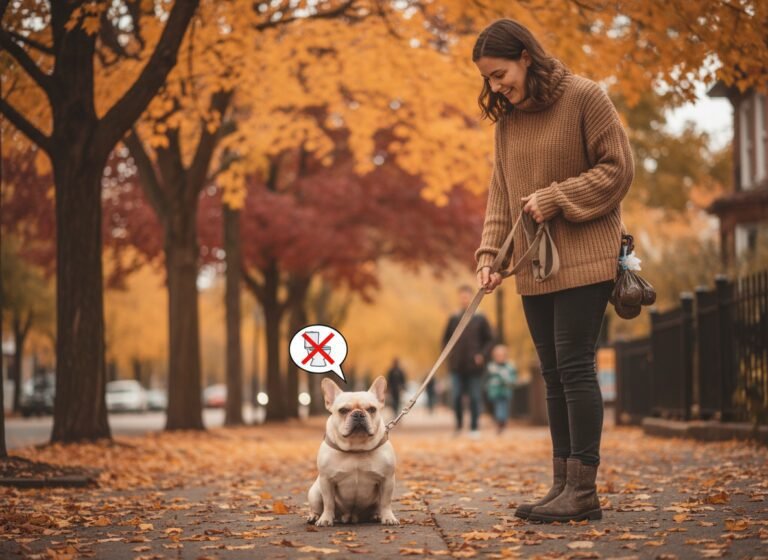
Is Your Dog’s Harness Causing Chafing? Best Treatments and Prevention Hacks
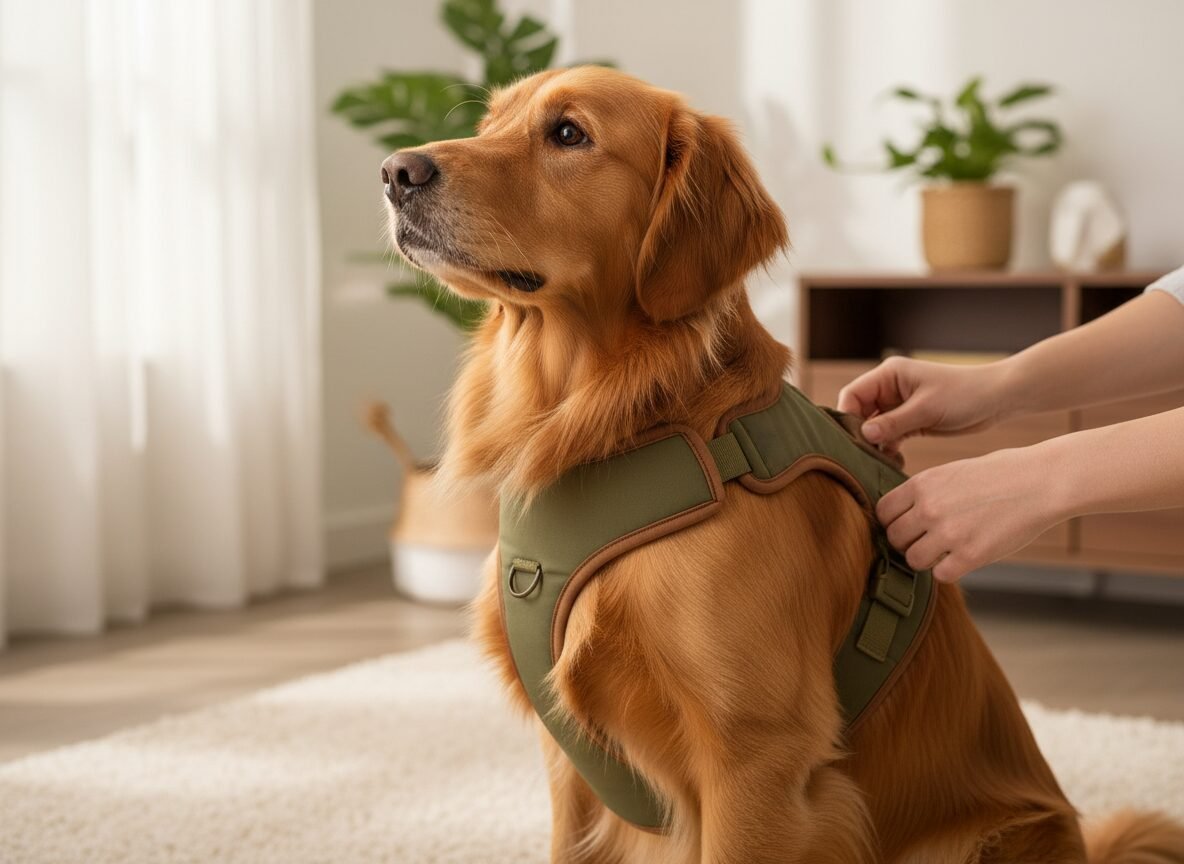
Harnesses are a fantastic tool for pet owners, offering better control, discouraging pulling, and reducing strain on a dog’s neck compared to traditional collars. We choose them with the best intentions for our canine companions’ comfort and safety. However, a poorly fitted or unsuitable harness can lead to a painful and often overlooked problem: chafing. This persistent friction can rub your dog’s skin raw, causing irritation, hair loss, and even open sores. Understanding the subtle signs of chafing and knowing how to address it is a critical aspect of responsible pet ownership. This guide provides a comprehensive, veterinary-informed approach to identifying the causes of harness chafing, administering effective at-home treatments, and implementing preventative strategies to ensure every walk is a comfortable and enjoyable experience for your dog.
Identifying the Signs: How to Spot Harness Chafing
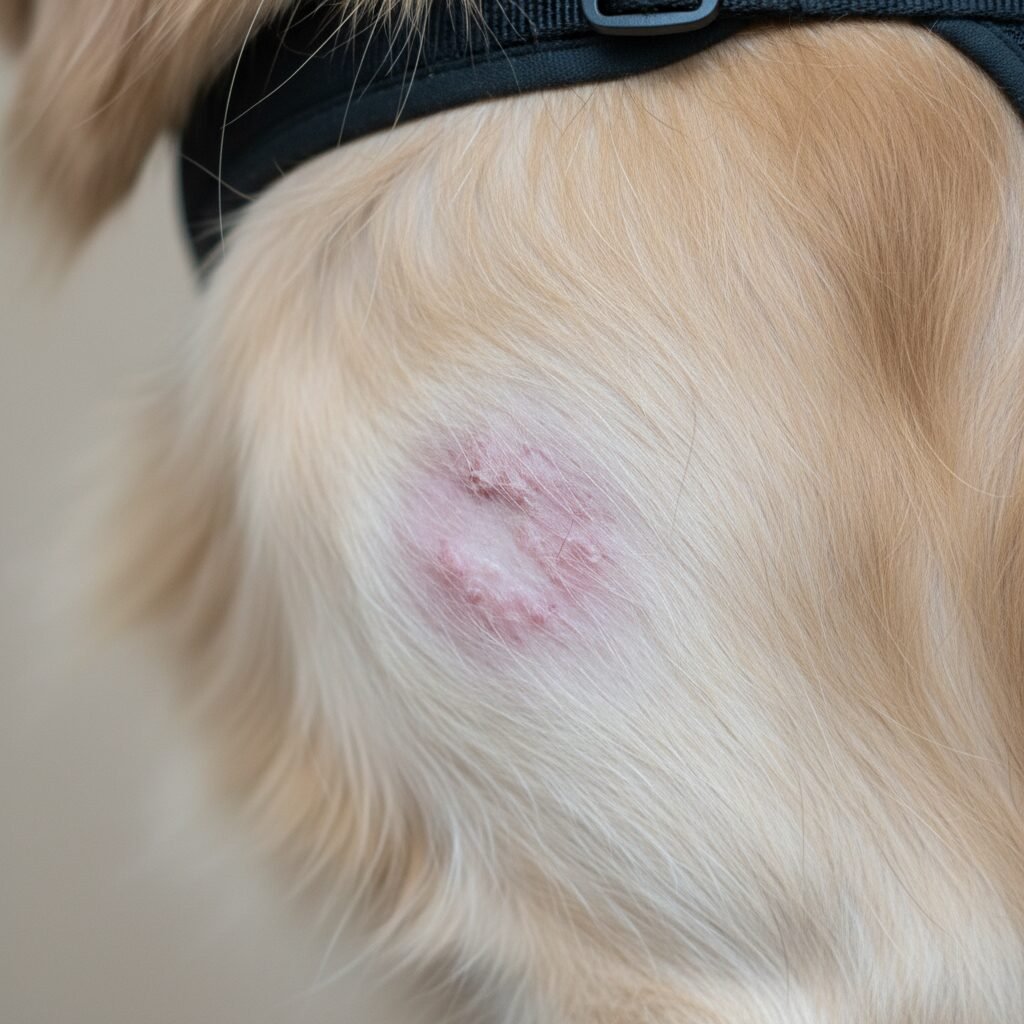
Chafing can range from mild irritation to a significant dermatological issue. Because our dogs can’t tell us when something is wrong, it’s up to us to be vigilant observers. The most common areas for harness chafing are where the straps sit, particularly in high-movement zones like behind the front legs (the armpits), across the chest, and over the shoulders. Be sure to perform regular skin checks, especially after long walks or strenuous activity.
Visual Symptoms of Chafing:
- Redness and Inflammation: The earliest sign is often pink or red skin under the harness straps.
- Hair Loss (Alopecia): Constant rubbing can wear away the fur, leaving bald patches in the shape of the harness straps.
- Rashes or Small Bumps: The irritated skin may develop a rash, pimple-like bumps, or a generally rough texture.
- Hyperpigmentation: Over time, chronically irritated skin can darken, turning grey or black.
- Moist Dermatitis (Hot Spots): In severe cases, chafing can lead to painful, oozing sores known as hot spots, which are prone to bacterial infection.
- Scabs or Open Sores: Unchecked friction can break the skin, leading to bleeding or the formation of scabs.
Behavioral Indicators:
Your dog’s behavior can also signal discomfort. Watch for these changes:
- Hesitation to Walk: A dog that suddenly dislikes walks or freezes when you bring out the harness may be associating it with pain.
- Chewing or Licking the Area: Obsessive licking or chewing at the chest, sides, or armpits is a classic sign of irritation.
- Yelping or Cringing: Your dog may show signs of pain when you put the harness on or touch the affected areas.
- Restricted Movement: Chafing can be so painful that a dog may alter its gait, taking shorter strides to minimize the rubbing.
Expert Tip: Make it a habit to run your fingers under the harness straps after every walk. This simple action helps you check for excessive tightness and feel for any moisture or skin abnormalities before they become serious problems.
The Core Causes: Why Harnesses Chafe
Understanding why chafing occurs is the first step toward prevention. It’s rarely a single issue, but rather a combination of factors related to the harness itself, your dog’s anatomy, and how it’s used. Addressing these root causes is far more effective than simply treating the symptoms.
1. Improper Fit
This is the most common culprit. A harness that is too tight will dig into the skin, restricting movement and creating pressure points. Conversely, a harness that is too loose will shift and slide excessively, causing friction with every step your dog takes. The constant back-and-forth movement is a primary cause of raw, irritated skin.
2. Unsuitable Material
Harness materials vary widely in texture and breathability. Some are more likely to cause issues than others, especially for dogs with sensitive skin.
| Material | Pros | Cons (Chafing Risk) |
|---|---|---|
| Nylon | Durable, strong, easy to clean, inexpensive. | Can have rough edges, not breathable, absorbs moisture which can increase friction. High risk. |
| Leather | Durable, softens over time, conforms to dog’s shape. | Requires break-in period, can be stiff initially, can be heavy, not ideal when wet. Moderate risk. |
| Neoprene/Padded Mesh | Soft, breathable, lightweight, often used as padding. | Can retain odors, may not be as durable as nylon, can still hold moisture if not dried properly. Low risk. |
| Fleece-Lined | Very soft, excellent for preventing rubbing, ideal for sensitive skin. | Can get hot in warm weather, collects burrs and debris, can be difficult to clean. Very low risk. |
3. Moisture and Debris
A wet harness significantly increases the risk of chafing. Moisture softens the skin, making it more susceptible to damage from friction. Whether from rain, swimming, or sweat, a damp strap rubbing against the skin is a recipe for irritation. Similarly, dirt, sand, or other debris caught under the harness can act like sandpaper, abrading the skin with every movement.
4. Prolonged Wear
Harnesses are for walks and activities, not for all-day wear. Leaving a harness on your dog for extended periods traps heat and moisture, prevents the skin from breathing, and can lead to pressure sores, similar to bedsores in humans. The skin needs time to rest and recover, free from any pressure or friction.
Immediate At-Home Care for Minor Chafing
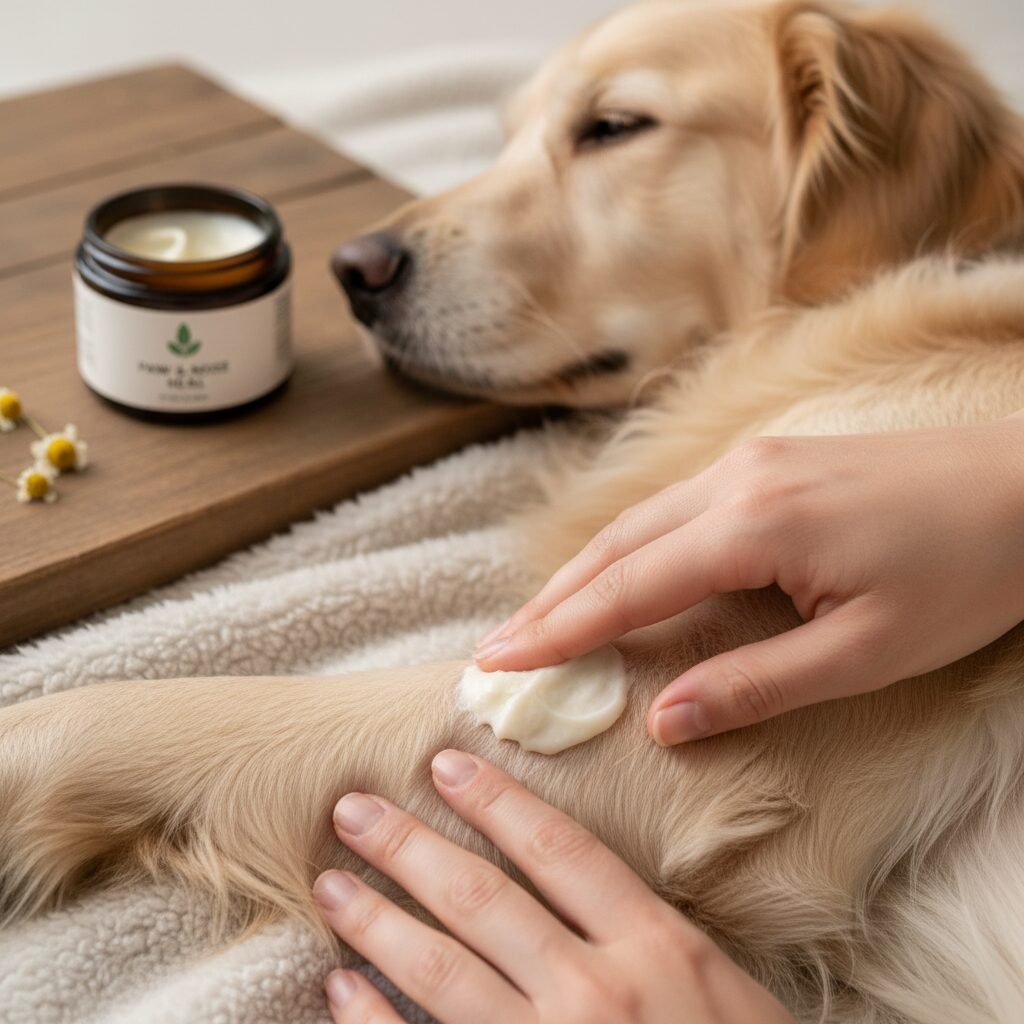
If you’ve discovered a mild case of chafing, immediate and proper care can prevent it from worsening and help the skin heal quickly. For severe cases, open sores, or signs of infection (pus, foul odor, excessive heat), skip at-home care and consult your veterinarian immediately.
Step-by-Step Treatment Protocol:
- Remove the Harness: The first and most crucial step is to stop the source of the irritation. Give your dog a complete break from the harness. Use a slip lead or a flat collar for brief potty breaks if necessary, but avoid any long walks that require a restraint that could further irritate the area.
- Clean the Area Gently: Use a mild, pet-safe antiseptic wash or unscented soap and warm water. Gently lather the area with your fingertips, being careful not to scrub. Rinse thoroughly with clean water and pat the area completely dry with a soft, clean towel. Do not rub.
- Apply a Soothing Agent: After the skin is dry, apply a thin layer of a pet-safe, soothing balm. Look for products containing natural ingredients like shea butter, coconut oil, aloe vera, or calendula. A small amount of plain, unscented petroleum jelly can also create a protective barrier. Avoid human products containing zinc oxide or other ingredients that can be toxic to dogs if licked.
- Allow the Skin to Breathe: Do not cover the area with a bandage unless specifically directed by a vet. Leaving the chafed skin exposed to the air will promote faster healing. Prevent your dog from licking the area excessively, as this can introduce bacteria and delay healing. An e-collar (cone) or a recovery suit may be necessary for persistent lickers.
- Monitor Closely: Check the affected skin at least twice a day. You should see a reduction in redness and inflammation within a day or two. If the area looks worse, becomes swollen, or develops an odor, it’s time to call the vet.
The Ultimate Prevention: Choosing and Fitting the Perfect Harness
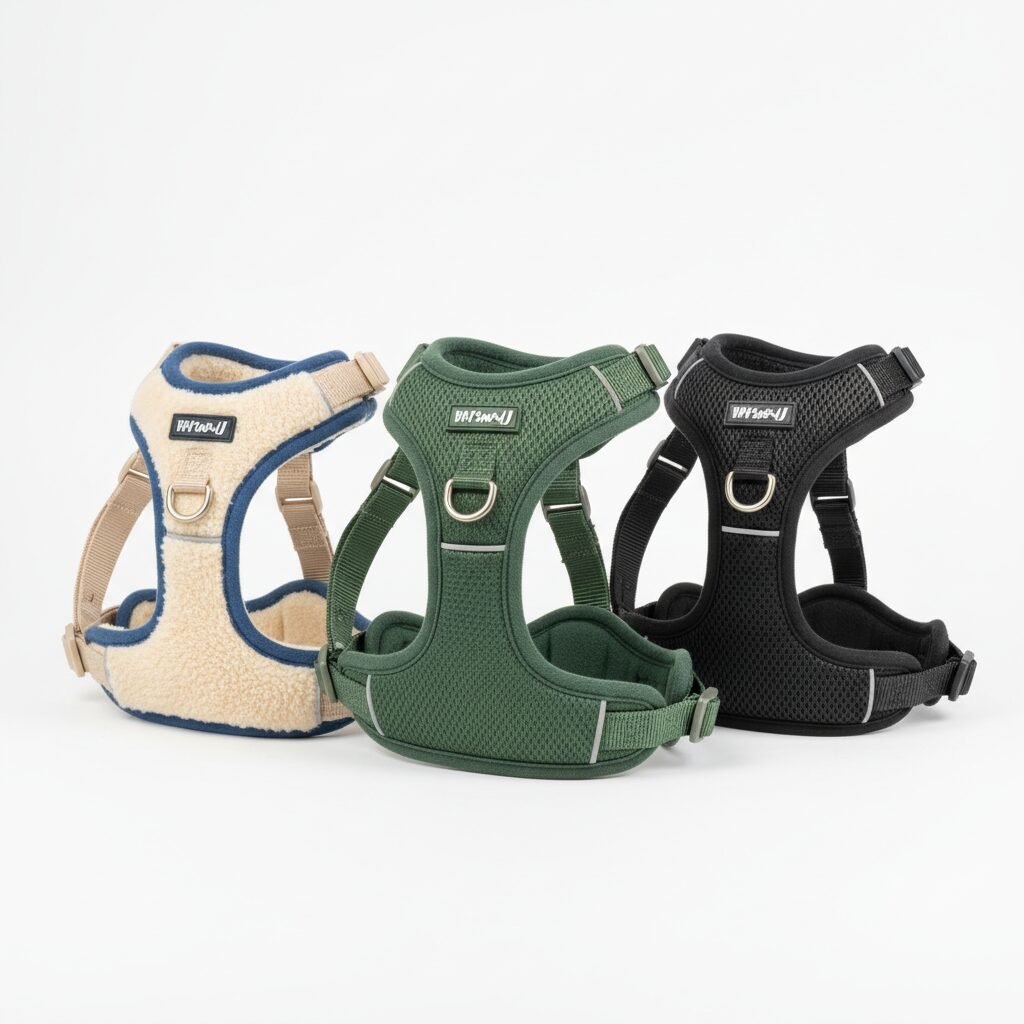
Prevention is always better than cure. Investing time in selecting the right harness and ensuring it fits perfectly is the most effective way to prevent chafing. Not all harnesses are created equal, and the best one for your dog depends on their size, shape, coat type, and activity level.
How to Measure Your Dog for a Harness
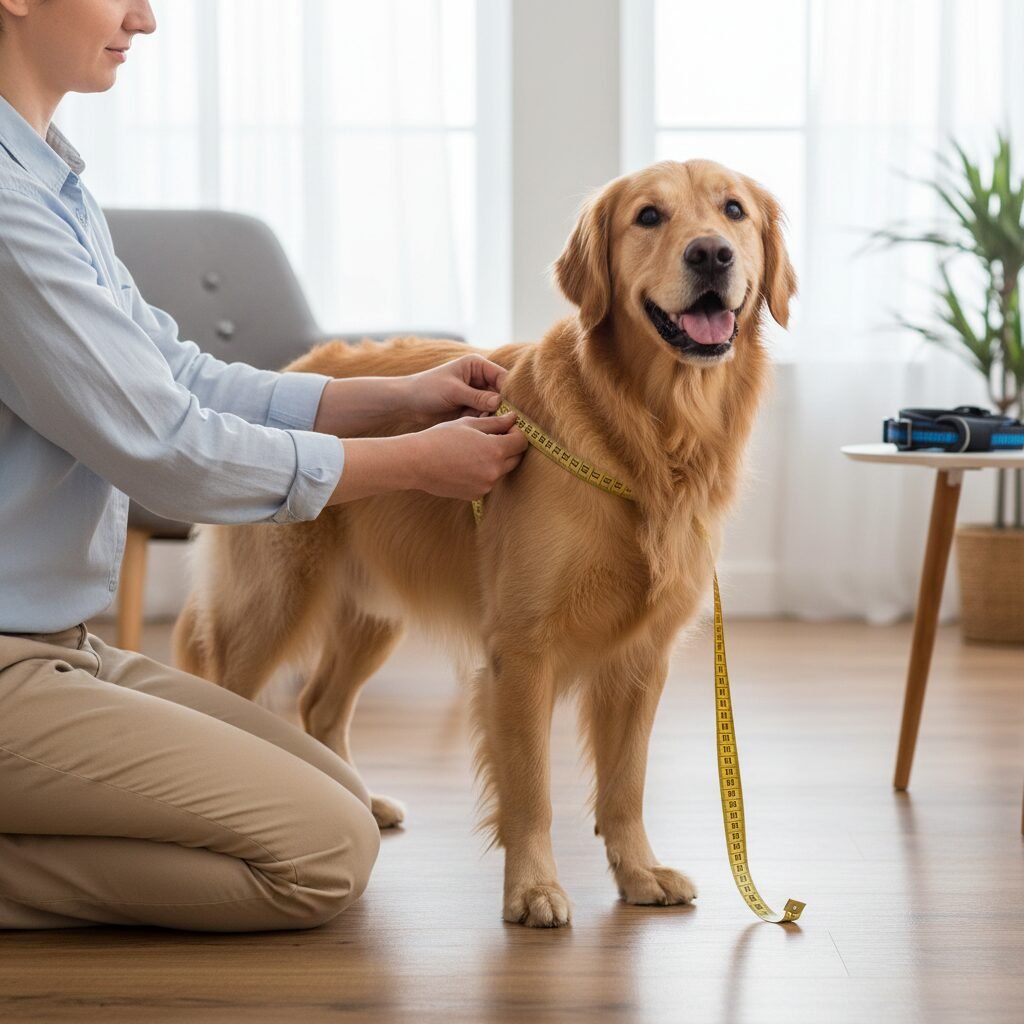
Never guess your dog’s size. Use a soft, flexible measuring tape to get accurate measurements.
- Girth Measurement: This is the most critical measurement. Measure around the widest part of your dog’s ribcage, just behind the front legs.
- Neck Measurement: Measure around the base of the neck where a collar would typically sit.
Compare these measurements to the manufacturer’s sizing chart. If your dog is between sizes, it’s often better to choose the larger size, as most harnesses have multiple adjustment points to create a snug fit.
The Two-Finger Rule for a Perfect Fit
Once you have the harness, adjust the straps so it’s snug but not tight. The benchmark for a proper fit is the ‘two-finger rule’. You should be able to comfortably slide two fingers flat between the harness and your dog’s body at any point. If you can’t fit two fingers, it’s too tight. If you can fit a whole fist, it’s too loose.
Comparing Harness Types for Chafe-Prone Dogs
| Harness Type | Description | Best For | Chafing Considerations |
|---|---|---|---|
| Y-Front Harness | Straps form a ‘Y’ shape on the dog’s chest, leaving the shoulders free to move. | Most dogs, especially active ones. Promotes natural gait. | Excellent choice for preventing chafing as it avoids the sensitive armpit area. |
| Roman Harness (H-Harness) | Consists of a strap around the neck and one around the girth, connected by straps on the back and chest. | Good for many body types, highly adjustable. | Good, but fit is critical to ensure the girth strap doesn’t sit too close to the armpits. |
| Step-In Harness | Dog steps its front paws through two loops, and the harness clips on the back. | Small dogs or dogs who dislike things going over their head. | Often has thin straps that can dig in. The girth strap frequently sits directly in the armpit area, posing a high chafing risk. |
| Front-Clip Harness | Leash attaches to a ring on the chest strap to discourage pulling. | Dogs that pull heavily on the leash. | Can cause chafing if it’s too loose and shifts side-to-side during walks. Ensure it’s a Y-front design for best results. |
Expert Recommendation: For most dogs, especially those with sensitive skin or a history of chafing, a well-fitted, padded Y-front harness is the superior choice. It allows for a full range of motion in the shoulder joint and keeps straps away from the delicate armpit area.
Advanced Prevention and Long-Term Solutions

Beyond the initial purchase and fitting, ongoing maintenance and smart habits are key to keeping your dog’s skin healthy and chafe-free for the long term.
Regular Harness Cleaning
A dirty harness is an abrasive harness. Sweat, oils, dirt, and grime build up on the material, creating a rough surface that can irritate the skin. It also becomes a breeding ground for bacteria. Hand-wash your dog’s harness regularly (at least once every two weeks, or more if your dog is very active or swims) with a mild, non-toxic detergent. Rinse it thoroughly and allow it to air dry completely before the next use. Never put a damp harness on your dog.
Incorporate ‘Naked Time’
Ensure your dog spends the majority of its day without a collar or harness on, especially indoors. This allows the skin and coat to breathe, air out, and recover from any pressure. It also gives you a chance to easily inspect their skin for any early signs of trouble.
Consider Harness Accessories
If your dog is particularly sensitive, you can add an extra layer of protection. Soft, fleece tube covers can be slipped over the harness straps to provide additional padding. These are often sold as ‘strap wraps’ or ‘harness pads’ and can be a simple, effective solution for preventing friction in key areas.
Rotate Harnesses
For very active dogs or those living in wet climates, having two harnesses can be beneficial. This allows you to rotate them, ensuring one is always completely clean and dry before it’s used. This simple practice can significantly reduce the risk of irritation caused by a perpetually damp harness.
When to Consult Your Veterinarian
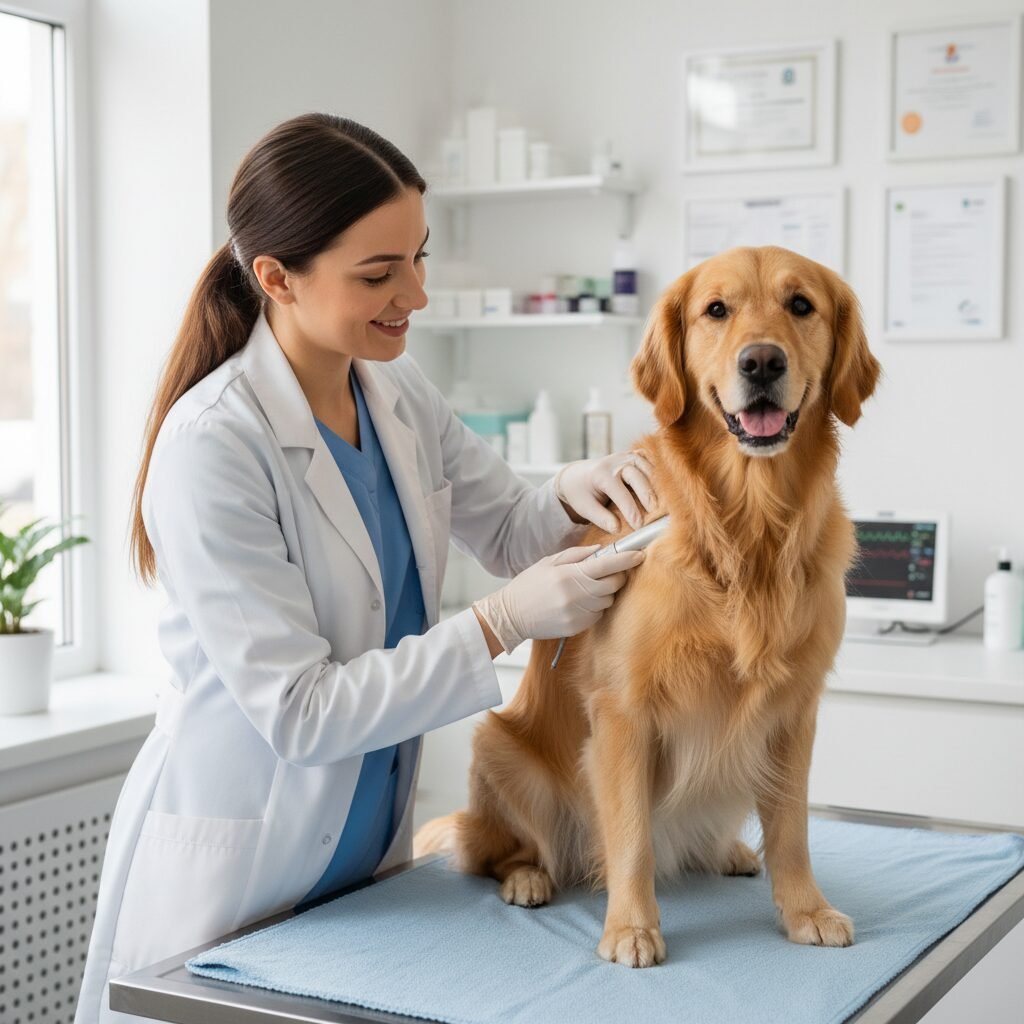
While minor redness and irritation can often be managed at home, certain symptoms warrant immediate professional medical attention. Attempting to treat a more serious condition at home can lead to a severe infection, prolonged pain for your dog, and more complex treatment down the line. It is crucial to recognize the signs that indicate a vet visit is non-negotiable.
Contact your veterinarian if you observe any of the following:
- Open Sores or Broken Skin: Any wound that has broken the skin’s surface is susceptible to bacterial infection and requires veterinary assessment.
- Signs of Infection: Look for pus-like discharge, a foul odor coming from the area, significant swelling, or skin that is hot to the touch.
- Severe Pain: If your dog yelps, cries, or acts aggressively when you touch the area, they are in significant pain and need medical relief.
- Rapidly Worsening Condition: If the redness and irritation spread quickly or worsen despite at-home care, a more serious underlying issue may be present.
- The Chafing Does Not Improve: If you’ve followed at-home care protocols and the irritation hasn’t improved within 48 hours, it’s time for a professional opinion.
- Chronic, Recurring Issues: If chafing is a constant problem despite trying different harnesses and ensuring a proper fit, your dog may have underlying allergies or a skin condition that makes them more susceptible. A vet can help diagnose and manage these conditions.
A Veterinarian’s Role: Your vet can properly diagnose the severity of the chafing, rule out other skin conditions, prescribe topical or oral antibiotics if an infection is present, and provide pain medication to make your dog more comfortable during the healing process. Do not underestimate the seriousness of a skin infection.
Conclusion
A dog harness should be a symbol of the bond you share with your dog—an instrument for safe exploration and shared adventures, not a source of pain and discomfort. While harness chafing is a common problem, it is also highly preventable. By prioritizing a proper fit, selecting skin-friendly materials, and practicing diligent hygiene and regular skin checks, you can eliminate the risk of irritation. Always listen to your dog’s subtle cues and be proactive in your care. A comfortable dog is a happy dog, and ensuring their gear fits perfectly is a fundamental part of their overall well-being. By following these expert guidelines, you can ensure every walk is a step toward good health, not a painful ordeal.