Is It Just Old Age? 7 Heartbreaking Signs of Dog Dementia You Can’t Ignore
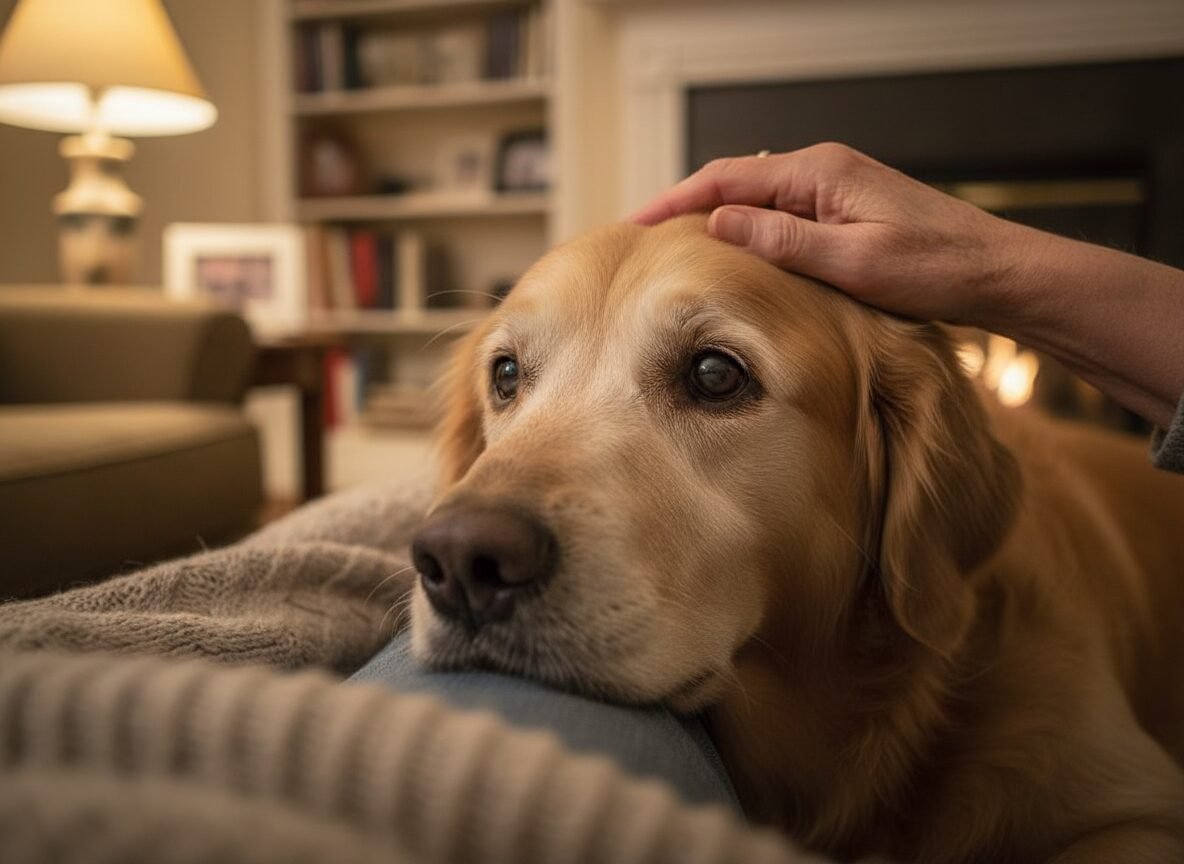
Watching a beloved canine companion grow old is a journey filled with both sweet nostalgia and poignant challenges. We cherish the graying muzzle and slower pace, but we also watch closely for changes that might signal something more than just the passage of time. It’s a question every senior dog owner eventually asks: Are these new behaviors simply a part of old age, or are they signs of a deeper issue? One of the most challenging conditions to face is Canine Cognitive Dysfunction (CCD), often referred to as dog dementia.
CCD is a neurodegenerative disorder that affects a senior dog’s brain, leading to changes in behavior, memory, and comprehension. It is not an inevitable part of aging but a specific medical condition that requires understanding, compassion, and proactive management. Recognizing the signs early is the most critical step you can take. This guide is designed to provide you with the authoritative information needed to identify the seven heartbreaking, yet crucial, signs of dog dementia, understand how it’s diagnosed, and learn what you can do to support your faithful friend through their golden years.
Understanding Canine Cognitive Dysfunction (CCD): More Than Just ‘Getting Old’
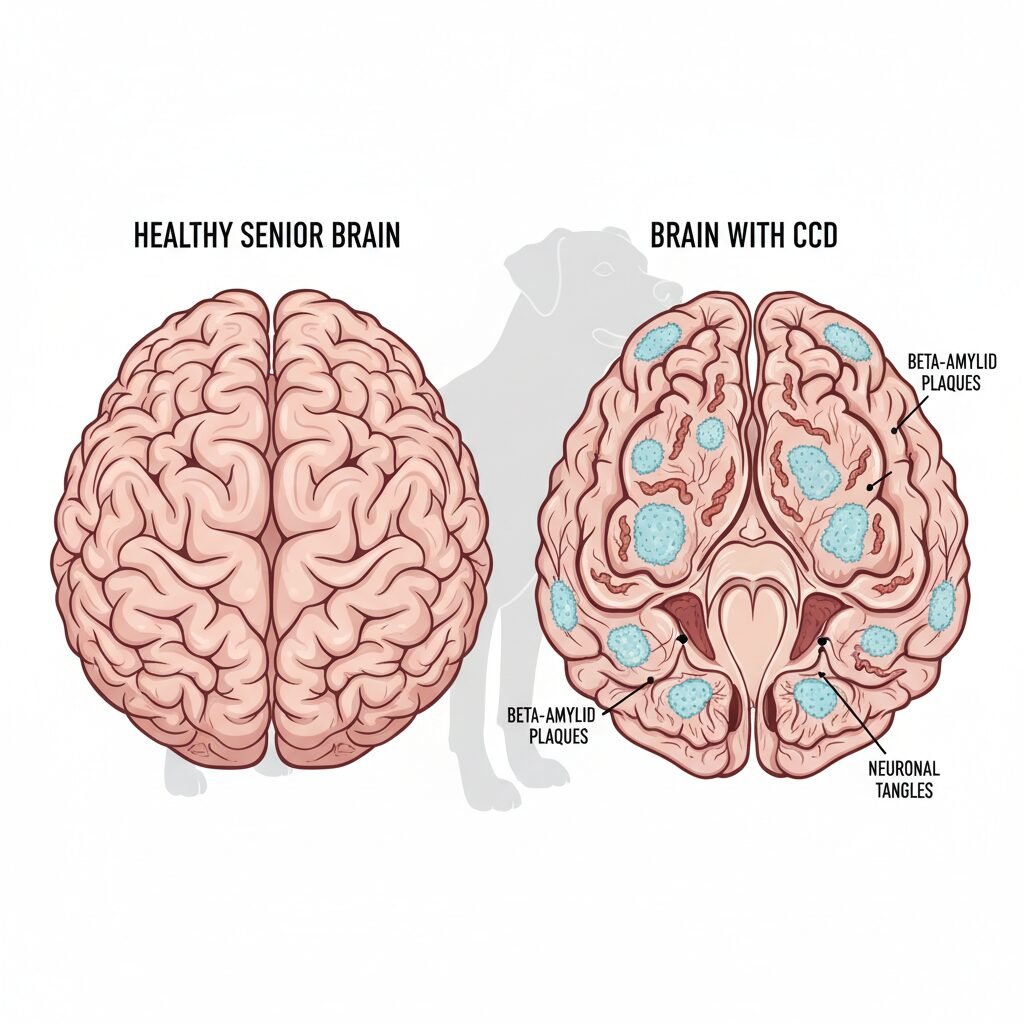
Before we can identify the signs of dog dementia, it’s essential to understand what it is. Canine Cognitive Dysfunction is a progressive condition that mirrors Alzheimer’s disease in humans. It involves gradual, physiological changes within the brain. Over time, proteins called beta-amyloid can form plaques that accumulate between nerve cells, disrupting communication. This process damages brain cells, leading to a decline in cognitive functions such as memory, learning, and spatial awareness.
While age is the single most significant risk factor—studies show that over 50% of dogs over the age of 11 exhibit at least one clinical sign of CCD—it is vital to differentiate it from normal aging. A healthy senior dog might be slower to get up, have reduced hearing or vision, or sleep more deeply. These are typical age-related physical changes. CCD, however, manifests as distinct behavioral and cognitive shifts. A dog with CCD isn’t just physically slower; their mental processing is impaired. They may seem lost, anxious, or disconnected in a way that is uncharacteristic of their personality. Understanding this distinction is the first step toward getting them the right support.
The 7 Key Signs of Dog Dementia (The DISHAA Acronym)
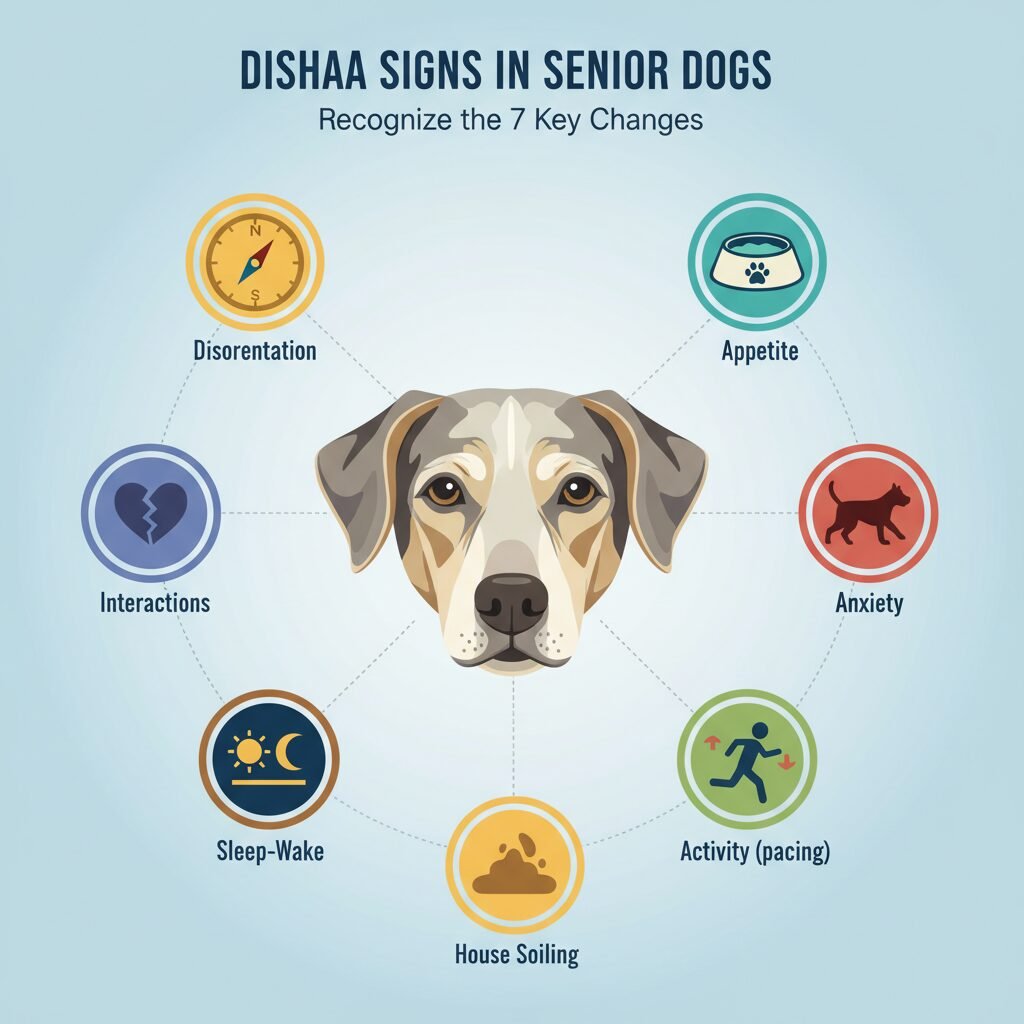
Veterinarians and animal behaviorists often use the acronym DISHAA to categorize the primary symptoms of Canine Cognitive Dysfunction. Observing a consistent pattern in one or more of these areas is a strong indicator that you should consult your veterinarian. This mnemonic provides a structured way for pet owners to track and report changes in their dog’s behavior.
D – Disorientation
This is one of the most common and distressing signs. A disoriented dog seems lost or confused in environments that should be perfectly familiar. You might observe them:
- Staring blankly at walls or into space.
- Getting ‘stuck’ in corners or behind furniture, seemingly unable to figure out how to back up.
- Wandering aimlessly through the house.
- Failing to recognize familiar people or responding to their name as they once did.
- Waiting at the wrong side of a door to be let in or out.
I – Interactions (Altered)
CCD can profoundly change how your dog interacts with you, other family members, and other pets. A once-social dog may become withdrawn, while a previously independent dog might suddenly become clingy. Look for changes such as:
- Less interest in being petted, playing, or greeting you at the door.
- Increased irritability, aggression, or fearfulness around familiar people or animals.
- A noticeable decrease in seeking attention or affection.
- Becoming more isolated from the family’s activities.
S – Sleep-Wake Cycle Changes
A disruption of the normal circadian rhythm is a hallmark of CCD. The dog’s internal clock seems to be reset, leading to sleepless nights for both pet and owner. Key signs include:
- Restlessness, pacing, or wandering throughout the night.
- Increased vocalization (whining, barking) at night for no apparent reason.
- Sleeping more during the day and being awake and active at night.
- Difficulty settling down at bedtime.
H – House Soiling
A previously house-trained dog that begins having accidents indoors may be suffering from cognitive decline. This is not an act of defiance but rather a sign that they have forgotten their training or no longer signal their need to go outside. It’s crucial to rule out medical causes like a urinary tract infection or kidney disease first, but if those are clear, CCD is a likely culprit. This can include urinating or defecating in prominent areas of the home, sometimes shortly after having been outside.
A – Activity Level Changes
This goes beyond the general slowing down of old age. It involves a marked change in purposeful activity and engagement with the world. Symptoms include:
- A significant decrease in exploration and responsiveness to sights and sounds.
- Loss of interest in favorite toys, games, walks, or other formerly enjoyable activities.
- An increase in aimless, repetitive behaviors like pacing in circles, licking a spot on the floor, or trembling.
- A general state of apathy or listlessness.
A – Anxiety and Increased Fear
A notable increase in anxiety is a common symptom. The world can become a confusing and frightening place for a dog with dementia. This can manifest as:
- Newly developed separation anxiety when left alone.
- Increased fear of loud noises, familiar objects, or going outside.
- A general sense of fearfulness or a lower threshold for becoming agitated.
- More frequent vocalization tied to apparent distress or confusion.
The Diagnostic Process: How Vets Identify CCD

If you recognize the signs of DISHAA in your dog, the next step is a thorough veterinary consultation. There is no single blood test or scan that can definitively diagnose Canine Cognitive Dysfunction. Instead, it is a diagnosis of exclusion, meaning your veterinarian will first rule out other medical conditions that can cause similar symptoms.
The diagnostic process typically involves several key steps:
- Complete Behavioral History: This is where your observations are paramount. Your veterinarian will ask detailed questions about the specific changes you’ve noticed, when they started, and how frequently they occur. Keeping a journal of your dog’s symptoms can be incredibly helpful.
- Physical and Neurological Examination: The vet will perform a comprehensive physical exam to check for issues like arthritis (which can cause reluctance to move), vision or hearing loss, and other signs of physical discomfort. A neurological exam will assess reflexes, balance, and coordination to check for other brain or nerve-related issues.
- Laboratory Testing: Blood tests (complete blood count and chemistry panel) and a urinalysis are essential. These tests can identify underlying problems such as kidney disease, liver dysfunction, thyroid imbalances, or urinary tract infections, all of which can cause behavioral changes that mimic CCD.
- Cognitive Function Questionnaires: Many veterinarians use standardized rating scales or questionnaires to objectively assess the severity of your dog’s cognitive decline based on your reported observations.
A diagnosis of CCD is typically made when other potential medical causes for the behavioral changes have been ruled out, and the dog’s symptoms align with the recognized clinical signs of cognitive decline.
Management and Support Strategies for a Dog with Dementia

While there is no cure for Canine Cognitive Dysfunction, a multi-faceted management plan can slow its progression, alleviate symptoms, and significantly improve your dog’s quality of life. The goal is to provide comfort, reduce anxiety, and support brain health through a combination of environmental, nutritional, and medical strategies.
Environmental Enrichment and Routine
A predictable and supportive environment is crucial for a dog with CCD. Their world has become confusing, so consistency is calming.
- Maintain a Strict Routine: Keep feeding times, potty breaks, and bedtimes as consistent as possible every day.
- Mental Stimulation: Engage their brain with gentle, positive activities. Use food puzzle toys, play simple scent games (hiding treats), and practice basic obedience cues they already know well.
- Avoid Re-arranging Furniture: Keep the layout of your home the same to prevent further confusion.
- Home Modifications: Use night lights to help them navigate in the dark. Add non-slip rugs or runners on slick floors. Use baby gates to block off stairs or other hazardous areas. Ensure their food, water, and bed are easily accessible.
Nutritional Support
Nutrition plays a vital role in supporting brain health. Certain nutrients have been shown to have a protective effect on aging brain cells. Your vet may recommend a specific therapeutic diet or supplements.
| Nutrient/Ingredient | Potential Brain-Health Benefit |
|---|---|
| Medium-Chain Triglycerides (MCT Oil) | Provides an alternative energy source for the brain that can be more easily utilized by aging brain cells. |
| Antioxidants (Vitamins E & C, Selenium) | Help to neutralize free radicals and reduce oxidative stress, which contributes to cell damage in the brain. |
| Omega-3 Fatty Acids (DHA/EPA) | Important for cell membrane health and have anti-inflammatory properties that can support brain function. |
| B Vitamins | Play a role in neurotransmitter function and cognitive health. |
Medications and Therapies
In addition to diet and environmental changes, your veterinarian may prescribe medication. The most common is Selegiline (Anipryl), which can help improve dopamine levels and reduce some of the symptoms of CCD, particularly those related to sleep-wake cycles and activity levels. Other medications, such as anti-anxiety drugs, may be prescribed to manage specific symptoms like severe anxiety or restlessness at night. It is imperative to only use medications under the direct supervision of your veterinarian.
Conclusion
Facing a diagnosis of Canine Cognitive Dysfunction in a cherished pet is emotionally challenging. It marks a significant shift in the life you share. However, it is not a hopeless diagnosis. By recognizing the signs early, seeking a proper veterinary diagnosis, and implementing a comprehensive management plan, you can provide immense comfort and maintain a strong quality of life for your dog. Your role transitions from that of a playmate to a dedicated caregiver, focused on providing safety, predictability, and unwavering affection. The journey with an aging dog is a testament to the deep bond you’ve built over a lifetime. Providing them with patient, compassionate care through their cognitive decline is the ultimate act of love, ensuring their final years are peaceful, dignified, and filled with the comfort of your presence.