Apartment Noise Driving You Crazy? Stop Alert Barking Today
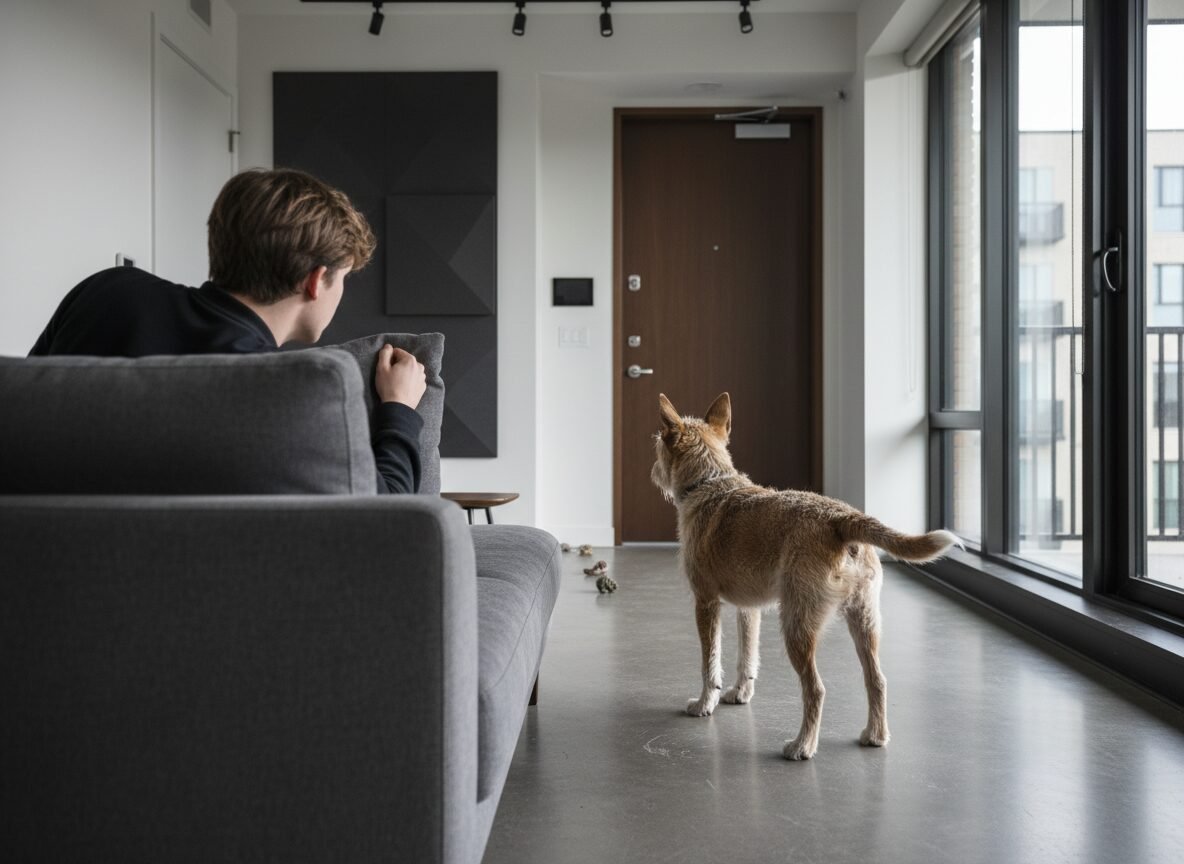
Living in an apartment offers convenience and community, but it also means sharing walls, floors, and ceilings with neighbors. For dog owners, this proximity can turn a natural canine behavior into a major source of stress: alert barking. That sharp, insistent bark every time someone walks down the hall, the elevator dings, or a neighboring door closes can strain your patience and your relationship with your neighbors. You’re not alone in this struggle, and more importantly, there is a solution that doesn’t involve frustration or punishment.
Alert barking is a dog’s way of communicating a potential change in their environment. It’s an instinctual job they take very seriously. However, in the sound-rich setting of an apartment building, this instinct can go into overdrive. This comprehensive guide will walk you through the professional, humane, and highly effective methods to manage and reduce your dog’s alert barking. We will move beyond simple commands and delve into changing your dog’s underlying emotional response to noise, transforming their anxiety or arousal into calm confidence. By following these steps, you can restore peace to your home and build an even stronger, more trusting bond with your canine companion.
Why Your Dog Barks at Every Sound: The Science of Alert Barking
Understanding the Root of the Bark
Before you can modify a behavior, you must first understand it. Alert barking is not born from malice or a desire to annoy you; it is a deeply ingrained, functional behavior. For thousands of years, dogs have served as living alarm systems for human settlements. Their superior hearing allows them to detect subtle sounds long before we can, and a bark was the most effective way to signal, ‘Attention! Something is happening!’
Apartment Living: An Acoustic Amplifier
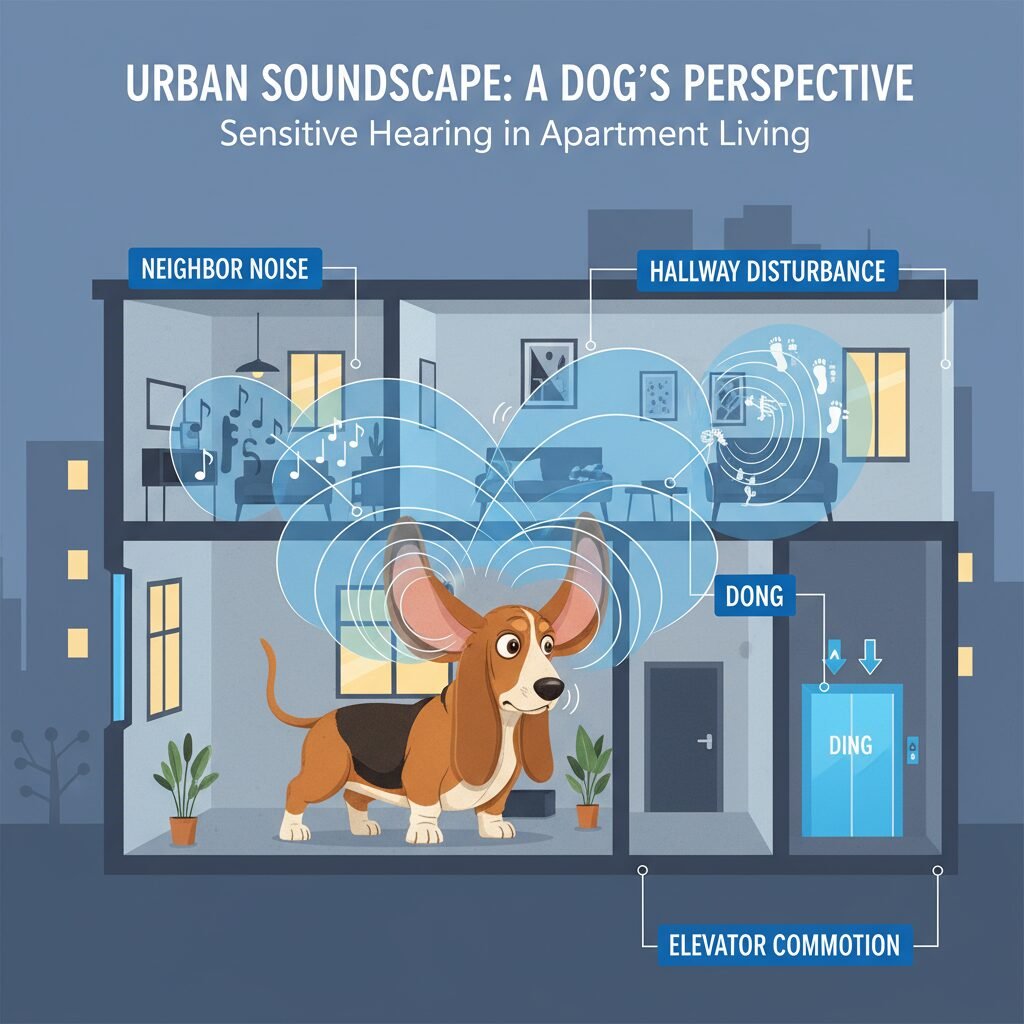
In a standalone house, these triggers might be a mail carrier once a day or a car pulling into the driveway. In an apartment, the triggers are constant and unpredictable:
- Footsteps in the hallway at all hours.
- The mechanical sounds of elevators and garbage chutes.
- Muffled voices and televisions from adjacent units.
- Keys jingling and doors opening and closing nearby.
To your dog, each of these sounds is a potential event worth announcing. They cannot differentiate between a harmless neighbor returning home and a genuine threat. This constant state of vigilance can be stressful for your dog and lead to a cycle of barking that is difficult to break. It’s crucial to differentiate this from other types of barking, such as boredom barking (often rhythmic and monotonous), separation anxiety barking (accompanied by other signs of distress when you leave), or play barking.
Expert Tip: Keep a simple log for a few days. Note when your dog barks and what the specific trigger was. This data will be invaluable in identifying patterns and creating a targeted training plan.
Setting the Stage for Silence: Management Before Training
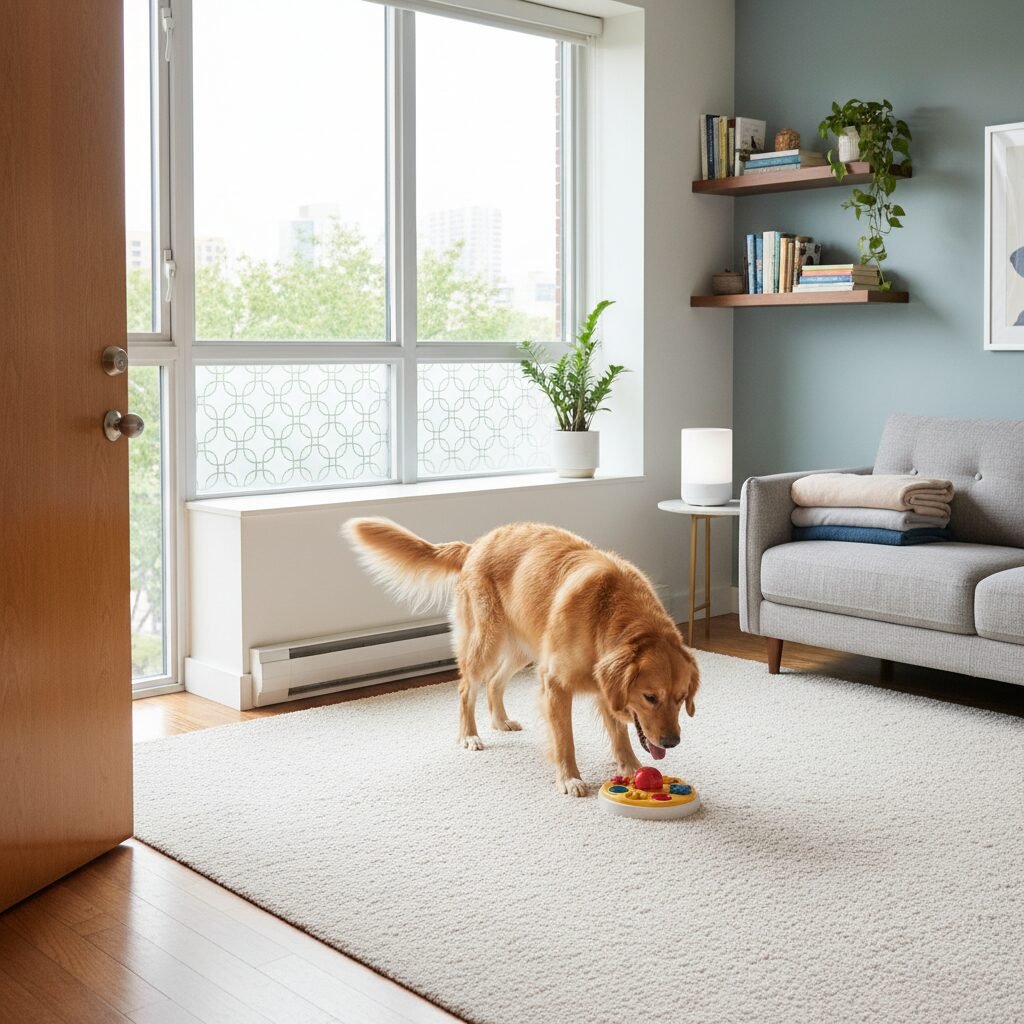
Controlling the Environment to Reduce Triggers
Effective training doesn’t happen in a vacuum. The most crucial first step is to manage your dog’s environment to reduce the number of times they feel the need to bark. This is not about avoidance; it’s about lowering their stress and arousal levels so they are in a mental state where they can learn. Every time your dog barks at a sound, the behavior is being rehearsed and reinforced. Management helps break this cycle.
Sound Masking
One of the most effective management tools is the use of white noise. Constant, low-level background noise can help mask the sudden, sharp sounds that trigger barking.
- White Noise Machines: These are designed to produce a consistent sound that covers a wide range of frequencies. Place one or two near the front door or windows.
- Fans: A simple box fan or oscillating fan can create enough ambient noise to muffle hallway chatter.
- Music or Television: Leaving a classical music station or a talk radio show on at a low volume can also help, but be mindful that gaps between songs or shows can make sudden noises more jarring.
Visual Blockers
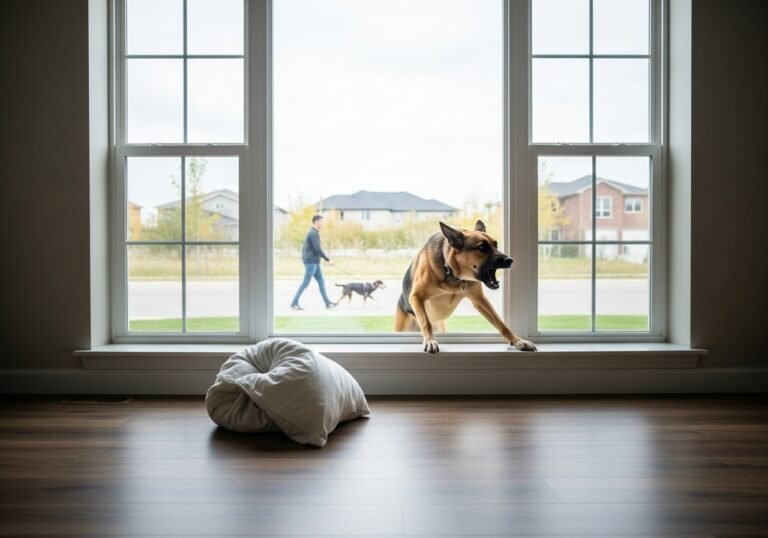
If your dog also barks at people or other dogs seen through windows or glass doors, managing the visual input is key.
- Opaque Window Film: This is an inexpensive and effective solution. It allows light to enter but obscures the view, removing the visual trigger. You only need to apply it to the lower half of the windows, allowing your dog to see the sky but not the activity on the street.
Enrichment and Exercise
A tired and mentally stimulated dog is a less reactive dog. Ensure your dog’s needs are being met daily.
- Physical Exercise: This doesn’t just mean leash walks. Incorporate games of fetch, swimming, or running in a safe, enclosed area to help them expend excess energy.
- Mental Stimulation: Puzzle toys, snuffle mats, and training games tire a dog’s brain. A 15-minute training session can be more exhausting than a 30-minute walk. Feeding meals from food-dispensing toys instead of a bowl is an easy way to add enrichment.
The Training Protocol: Counter-Conditioning and Desensitization
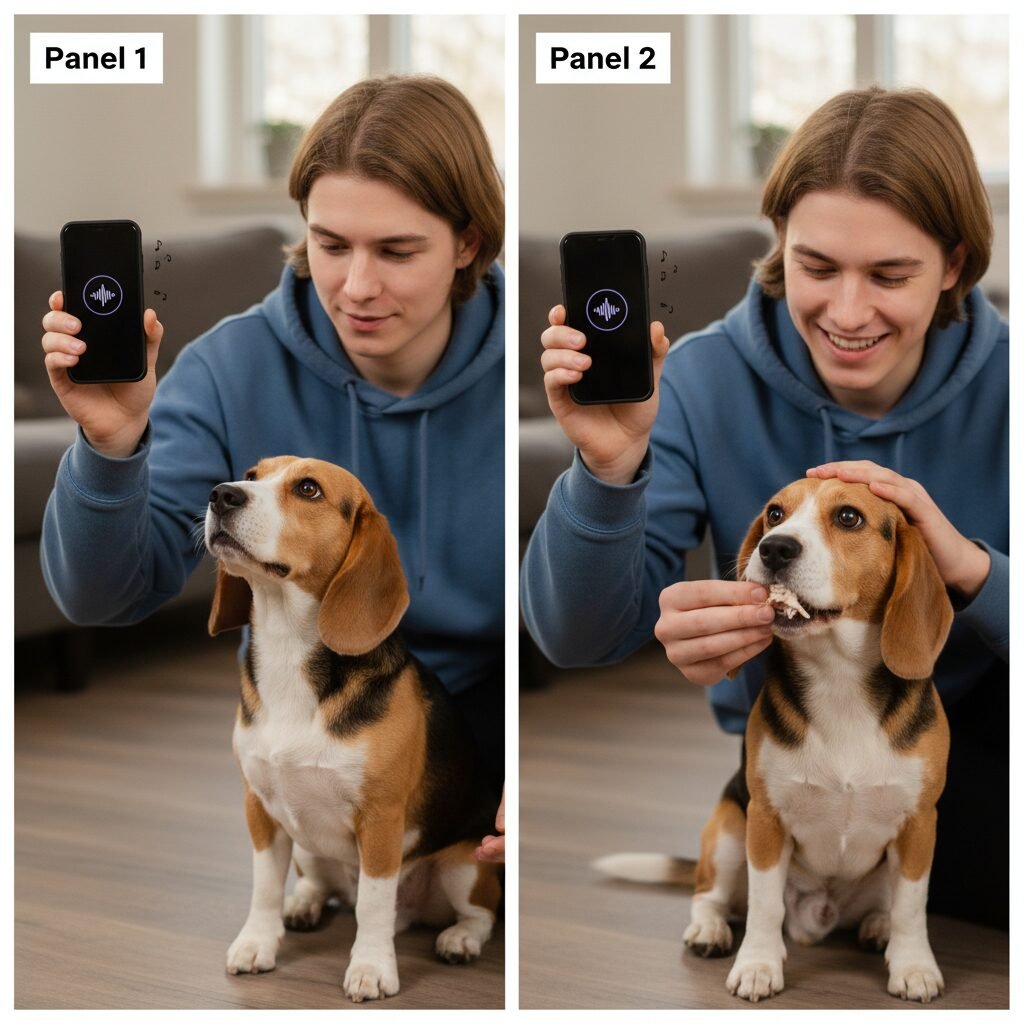
Rewiring Your Dog’s Brain: From Fear to Fun
With management strategies in place, you can begin the core training. Our goal is not to suppress the barking, but to change your dog’s underlying emotional response to the trigger sounds. We will use a combination of desensitization (making the scary thing less scary) and counter-conditioning (changing the association from negative to positive). This is often called the ‘Hear That?’ or ‘Look at That’ game.
What You’ll Need:
- High-Value Treats: These should be extra special treats your dog loves and only gets during training, like small pieces of boiled chicken, cheese, or commercial training treats.
- A Sound Source: Your smartphone or a tablet with access to YouTube for sounds like knocking, doorbells, and people talking in a hallway.
- Patience: This process takes time and consistency. Progress is not always linear.
Step 1: Charge the Marker
Before you start, make sure your dog understands the concept of a marker. Say a word like ‘Yes!’ in a happy tone and immediately give a high-value treat. Repeat this 10-15 times. The word ‘Yes!’ will soon predict the arrival of a treat, allowing you to pinpoint the exact moment of a desired behavior.
Step 2: Desensitization to Recorded Sounds
Find a quiet time when your dog is relaxed. Play a recording of a trigger sound (e.g., knocking) at an extremely low volume—so low that your dog notices it but does not react by barking. The moment your dog’s ears twitch or they orient toward the sound, say ‘Yes!’ and give them a treat. Repeat this process, gradually increasing the volume over many short sessions and several days. If your dog barks, the volume is too high. Lower it to the last successful level and continue.
Step 3: Counter-Conditioning with Real-Life Sounds (The ‘Hear That?’ Game)
This is where the magic happens. The next time a real, unpredictable noise occurs (like a neighbor’s door closing), the moment your dog hears it, say ‘Hear That?’ in a cheerful, upbeat voice. Then, toss a few high-value treats on the floor for your dog to find. The goal is to have your dog hear the noise and immediately look to you in happy anticipation of a treat, rather than running to the door to bark. Your cheerful tone helps them understand that the sound is not a threat.
Important: Your timing is critical. You must mark and reward the moment they hear the sound, before they have a chance to bark. If you’re too late, you risk rewarding the bark itself.
Step 4: Teaching a ‘Quiet’ Cue
A ‘Quiet’ cue is useful but should be taught separately from the counter-conditioning protocol. To teach it, first, encourage your dog to bark (e.g., by knocking on a wall). Let them bark two or three times, then put a very tasty, smelly treat right in front of their nose. They will stop barking to sniff the treat. The instant they are silent, say ‘Yes!’ and give them the treat. Repeat this, gradually adding the word ‘Quiet’ just as they stop barking. Over time, they will learn that ‘Quiet’ means silence will be rewarded.
Common Roadblocks and How to Overcome Them

Troubleshooting Your Training Plan
Training a dog is rarely a straightforward path. It’s normal to encounter setbacks. Understanding why they happen and how to adjust your approach is the key to long-term success.
‘My Dog is Too Stressed to Take Treats!’
This is a clear sign that your dog is ‘over threshold.’ This means the trigger is too intense, and their brain has switched from learning mode to reacting mode. An anxious or aroused dog often cannot eat. The Solution: You must increase the distance from the trigger or decrease its intensity. If you’re using recorded sounds, turn the volume way down. If it’s a real-life sound, you need to work further away from the door or window. Your primary job is to keep the training challenging but achievable.
‘The Barking Only Happens When I’m Gone.’
This is a different and more complex issue, likely related to separation anxiety or isolation distress rather than simple alert barking. The protocols described above are for when you are present to train. The Solution: You will need to set up a camera to observe your dog’s behavior when you’re away. Look for other signs of distress like pacing, panting, or destruction. Addressing separation anxiety often requires a much more detailed desensitization plan focused on your departures and may require the guidance of a Certified Separation Anxiety Trainer (CSAT) or a veterinary behaviorist.
‘Progress is So Slow!’
It’s easy to get discouraged. Remember that you are working to change a behavior that is both instinctual and has been practiced hundreds, if not thousands, of times. The Solution: Redefine what ‘success’ looks like. Success isn’t just silence. It’s your dog barking once instead of ten times. It’s your dog hearing a noise and looking at you instead of the door. Celebrate these small victories. Keep your training sessions short (5-10 minutes) and positive to avoid burnout for both you and your dog.
The Pitfall of Punishment
It can be tempting to use a spray bottle, shake can, or shock collar to interrupt barking. While these aversive tools may stop the bark in the moment, they do so by causing fear, pain, or startling the dog. This does nothing to change the underlying anxiety that causes the barking and, in many cases, can make it worse by creating a negative association with the sound and your presence. The Solution: Stick to positive reinforcement. You will build a more confident, resilient dog and a relationship based on trust, not fear.
From Reactive to Relaxed: Long-Term Maintenance

Maintaining a Peaceful Coexistence
Once you’ve achieved a significant reduction in barking, the work isn’t entirely over. Maintenance is about integrating these new, calm behaviors into your daily life so they become the new normal.
Consistency is Non-Negotiable
Everyone in the household must be on the same page. If one person continues to let the dog bark without intervention, or worse, yells at the dog, it will undermine your efforts. Hold a brief family meeting to explain the ‘Hear That?’ game and the importance of a consistent response. Make it easy for everyone by keeping jars of treats near the door and other common trigger areas.
Continue to Manage and Enrich
Don’t abandon the management techniques that helped you succeed. Continue to use white noise during times of high activity in your building. Ensure your dog’s exercise and mental stimulation needs are consistently met. A well-cared-for dog with a predictable routine is naturally less anxious and reactive.
When to Call a Professional
If you have been consistent with your training for several weeks and are seeing little to no progress, or if the barking is escalating, it is time to seek professional help. A Certified Professional Dog Trainer (CPDT-KA), or a board-certified Veterinary Behaviorist (DACVB) for more severe cases, can provide an in-person or virtual consultation to create a customized plan for you and your dog. They can help identify subtle triggers you may have missed and provide the expert coaching needed to get you back on track.
Final Thought: Remember that you are your dog’s advocate. By addressing their alert barking with patience and empathy, you are not just creating a quieter home; you are teaching them that their world is safe and that they can look to you for guidance and reassurance.
Conclusion
Transforming a persistent alert barker into a calm apartment companion is a journey that requires patience, consistency, and a deep understanding of your dog’s perspective. By shifting your focus from simply stopping the noise to changing your dog’s emotional response, you address the root of the problem. The combination of proactive environmental management and positive reinforcement training, like the ‘Hear That?’ game, empowers your dog to make better choices. They learn that the strange sounds of apartment life are not threats to be feared, but rather cues for wonderful things to happen.
Celebrate every small step forward, from a single bark instead of a volley, to a quick glance in your direction after a noise. These are the building blocks of lasting change. By investing this time and effort, you will not only solve a frustrating noise problem but also cultivate a deeper, more trusting relationship with your dog, creating a truly peaceful home for you both.