From Panic to Peace: How to Make Your Dog Actually Enjoy Bath Time
For many pet owners, the phrase ‘bath time’ conjures images of a frantic chase, a water-soaked bathroom, and a trembling, unhappy canine. This routine struggle can be a significant source of stress for both dog and owner, turning a necessary grooming task into a dreaded battle of wills. However, it is a fundamental truth of canine behavior that this experience does not have to be negative. With a strategic approach rooted in patience, understanding, and positive reinforcement, you can systematically reshape your dog’s perception of bathing.
This guide is designed to move you and your dog from a state of panic to one of peace. We will deconstruct the process, addressing the root causes of bath time anxiety and providing a clear, step-by-step methodology to build new, positive associations. By replacing fear with trust and apprehension with calm acceptance, you can transform bath time into not just a tolerable event, but an enjoyable one that strengthens the bond you share. Forget the wrestling matches and embrace a new era of cooperative care.
Decoding the Dread: Why So Many Dogs Despise Bath Time
Before we can solve the problem, we must first understand its origins. A dog’s aversion to bathing is rarely about being difficult; it’s typically a genuine fear response stemming from a combination of sensory, physical, and psychological factors. Acknowledging these triggers is the first step toward creating an effective, empathetic training plan.
Sensory Overload
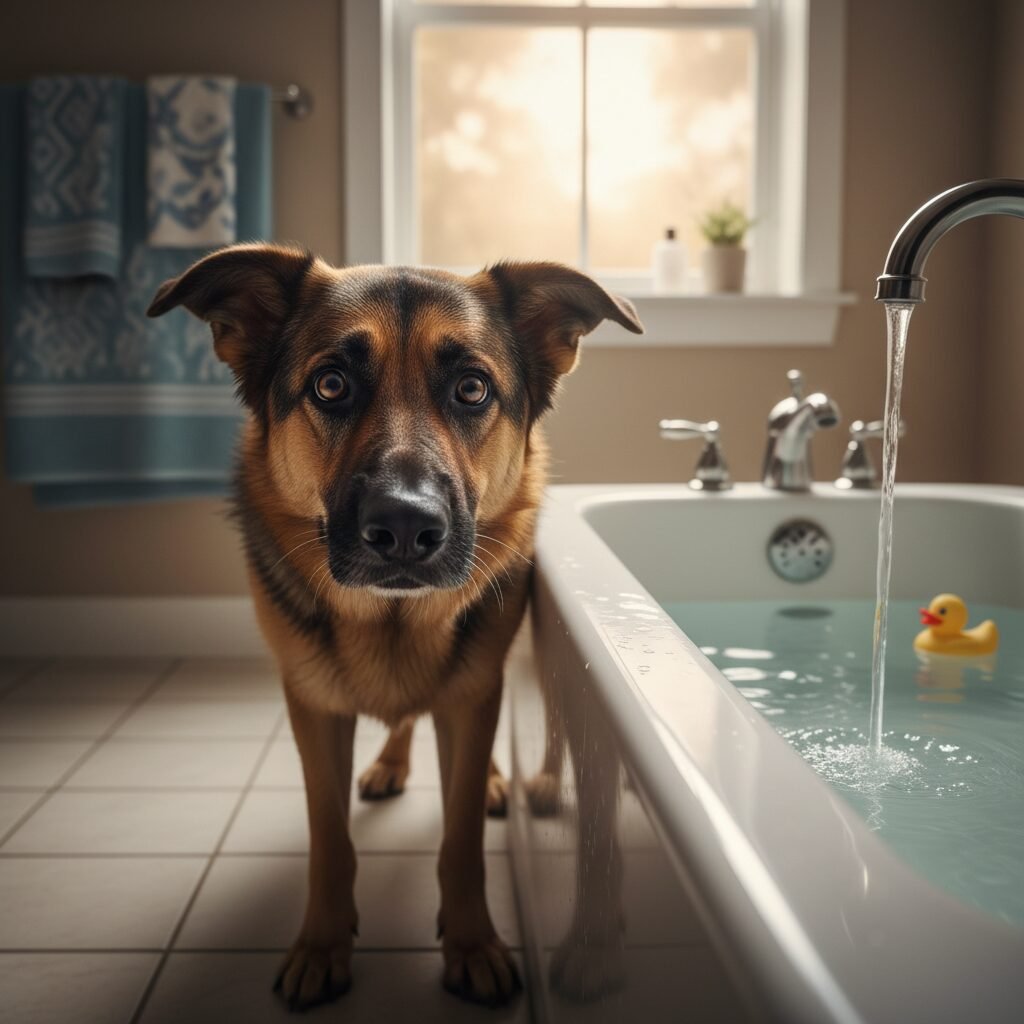
Dogs experience the world far more intensely through their senses than we do. The bathroom environment can be an overwhelming assault on these senses. The sound of rushing water from a faucet or showerhead can be startlingly loud and unfamiliar. The echo and amplification of sounds within a tiled room can further heighten their anxiety. What seems like background noise to us can be a roaring cacophony to a dog.
Loss of Control and Physical Discomfort
The act of being placed in a tub represents a significant loss of autonomy. The dog is confined to a small, enclosed space, often with a slippery surface that offers no secure footing. This lack of traction can induce panic, as the dog feels unstable and vulnerable. Furthermore, the temperature of the water, if not carefully regulated, can be a source of discomfort—either too hot or too cold. The physical manipulation required for washing and rinsing can also feel threatening, especially for dogs who are sensitive about being handled.
Negative Past Associations
A single negative experience can create a lasting phobia. Perhaps a previous bath involved getting soap in their eyes, water in their ears (which can be painful and lead to infections), or a stressful, rushed process where their fear was ignored. These memories become powerful triggers. The dog learns to associate the bathroom, the tub, and the sound of running water with that frightening or uncomfortable event, and their anxiety begins long before the first drop of water touches them.
Expert Tip: Understanding the ‘why’ behind your dog’s fear is crucial. Observe their body language—ears back, tail tucked, trembling, lip licking—to recognize the signs of stress. Your role is not to force compliance, but to act as a trusted guide, reassuring them that they are safe.
Preparation is Paramount: Gathering Your Essential Tools
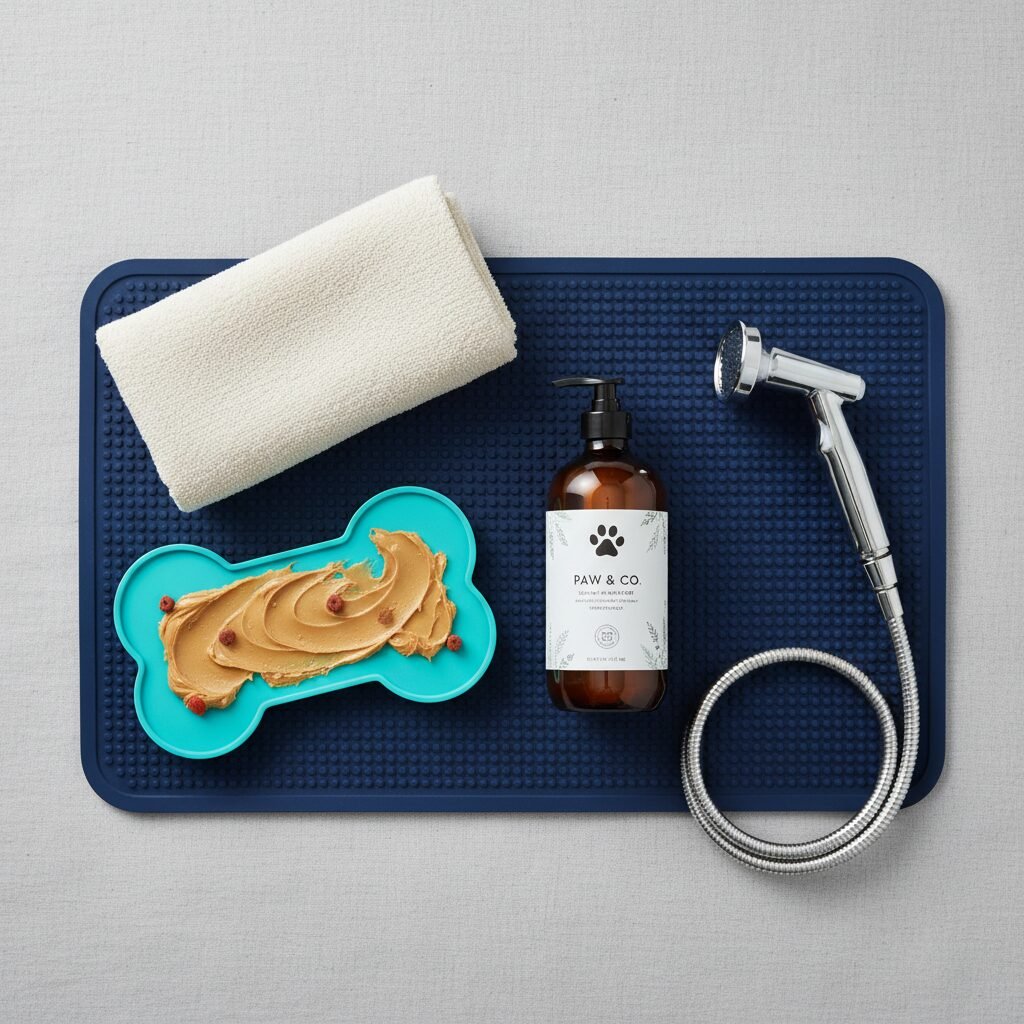
A successful, stress-free bath begins long before your dog gets wet. Setting up your environment and having all necessary supplies within arm’s reach prevents fumbling and minimizes the time your dog spends in a state of potential anxiety. Your goal is to create a spa-like experience of efficiency and calm, not a chaotic scramble.
The Core Supplies
Here is a checklist of essential items that will make the process smoother, safer, and more positive for your dog:
- Non-Slip Mat: This is non-negotiable. Place a rubber mat or even a thick towel on the bottom of the tub or shower. A secure footing instantly alleviates a major source of canine panic.
- High-Quality Dog Shampoo: Use a shampoo formulated specifically for dogs. Human shampoos have a different pH and can irritate their skin. For anxious dogs, consider a calming formula with ingredients like lavender or chamomile.
- High-Value Treats: These are the cornerstone of positive reinforcement. This isn’t the time for a dry biscuit. Think of something your dog absolutely loves and rarely gets, such as small pieces of cooked chicken, cheese, or commercial soft treats. A smear of peanut butter (xylitol-free) or cream cheese on a lick mat stuck to the tub wall is an excellent distraction tool.
- Gentle Water Source: A detachable shower head with an adjustable spray setting is ideal. It allows you to control the flow and direction of water, keeping it away from your dog’s head and ears. If you don’t have one, use a large plastic pitcher or cup to pour water gently.
- Absorbent Towels: Have at least two or three fluffy, absorbent towels ready. One can be for an initial dry-off in the tub, and another for a more thorough drying session outside the bathroom. Many dogs enjoy a vigorous towel-dry, and turning it into a fun game can be a great reward.
- Cotton Balls: Gently placing a cotton ball (not pushed in too deep) in each of your dog’s ears can help prevent water from entering the ear canal, a common cause of discomfort and subsequent infections. Remove them immediately after the bath.
| Tool | Primary Purpose | Expert Recommendation |
|---|---|---|
| Lick Mat | Distraction & Positive Association | Smear with xylitol-free peanut butter or plain yogurt and freeze for a longer-lasting treat. |
| Detachable Sprayer | Control & Comfort | Allows for gentle rinsing and easy avoidance of the sensitive head and ear areas. |
| Microfiber Towel | Efficient Drying | These towels absorb significantly more water than standard cotton, reducing drying time. |
| Calming Pheromone Diffuser | Environmental Anxiety Reduction | Plug in a diffuser like Adaptil in the bathroom 30 minutes prior to bath time to create a more serene atmosphere. |
The Phased Approach: A Step-by-Step Guide to a Peaceful Bath
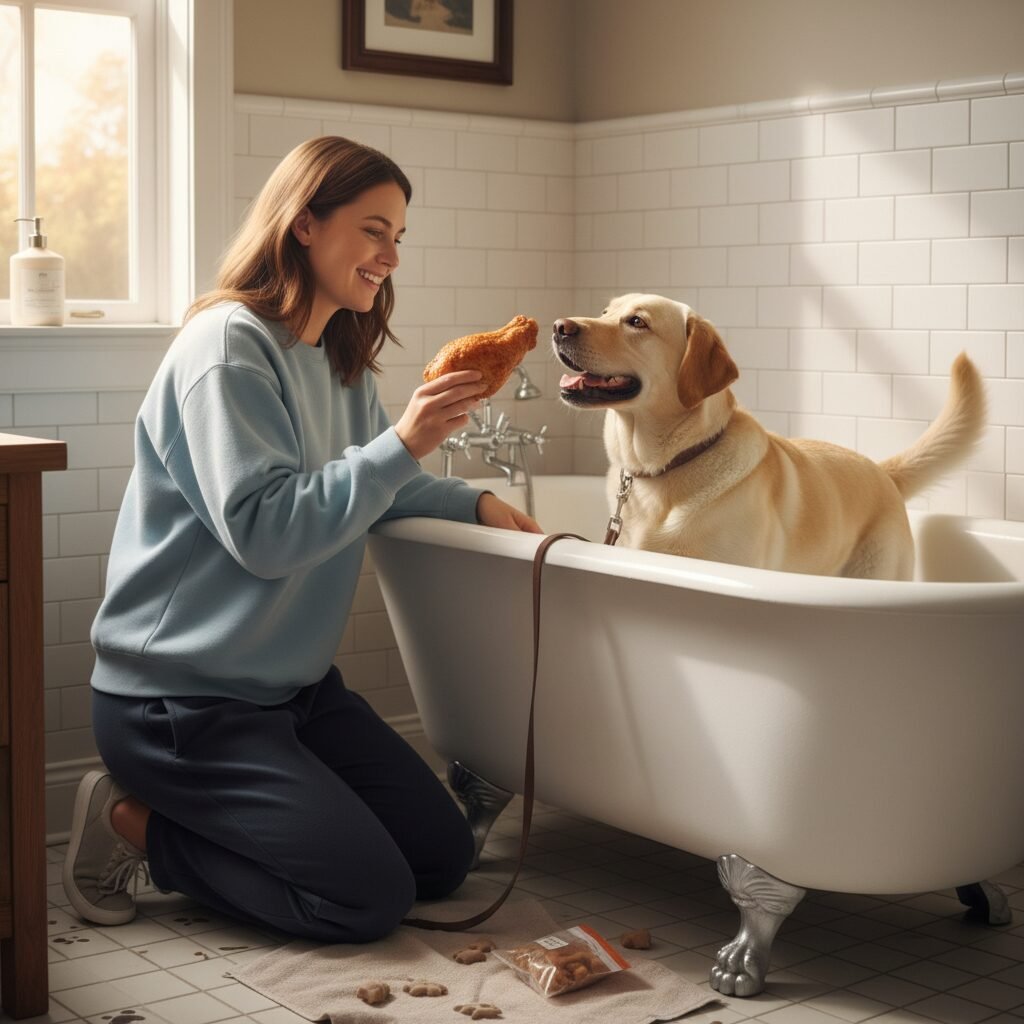
The key to overcoming bath time fear is not immersion, but gradual desensitization and counter-conditioning. This means breaking down the process into tiny, manageable steps and associating each one with something positive (like high-value treats). Never proceed to the next step until your dog is completely comfortable with the current one. This may take days or even weeks, and patience is your most valuable tool.
-
Step 1: Acclimatizing to the Bathroom
For many anxious dogs, the bathroom itself is a trigger. Your first goal is to change that. Several times a day, for just a minute or two, lead your dog into the bathroom. Don’t turn on any water or even approach the tub. Simply sit on the floor with them, give them a delicious treat, offer praise, and then leave. Do this until your dog willingly and happily enters the bathroom with you.
-
Step 2: Introducing the Dry Tub
Once the bathroom is a happy place, you can introduce the tub. With the non-slip mat already in place, toss a high-value treat into the dry tub. Let your dog retrieve it and jump out. Repeat this. Eventually, encourage them to place their front paws in to get the treat. Then, lure them to put all four paws in. Reward them lavishly the moment they are in the tub, and then let them get out immediately. The goal is to make getting into the tub their choice and a source of great rewards.
-
Step 3: The Sound of Water
With your dog comfortable in the bathroom (but not yet in the tub), turn on the faucet or shower to a low trickle for just a few seconds while feeding them treats. Turn the water off, and the treats stop. Turn it on, the treats appear. You are teaching them that the sound of water predicts wonderful things. Gradually increase the duration and pressure of the water over several sessions.
-
Step 4: A Trickle of Water on Paws
Now, combine the steps. Lure your dog into the tub with treats. Once they are standing calmly, use your gentle sprayer or a cup to pour a small amount of lukewarm water on just their back paws. Immediately reward them with a jackpot of treats and praise. Keep this session incredibly short—literally seconds—then let them out. The goal is to end on a high note before any anxiety can build.
-
Step 5: The First Brief, Full Bath
When your dog is comfortable with all the preceding steps, you are ready for the first real bath. Prepare everything in advance. Use the lick mat on the wall as a distraction. Wet your dog’s body from the neck down, apply a small amount of shampoo, lather quickly, and rinse thoroughly. Speak in a calm, reassuring voice the entire time. Keep this first ‘real’ bath under five minutes. The goal is a positive experience, not perfect cleanliness. As soon as you are done, praise them enthusiastically and begin the positive drying routine.
Troubleshooting Common Hurdles and Advanced Techniques
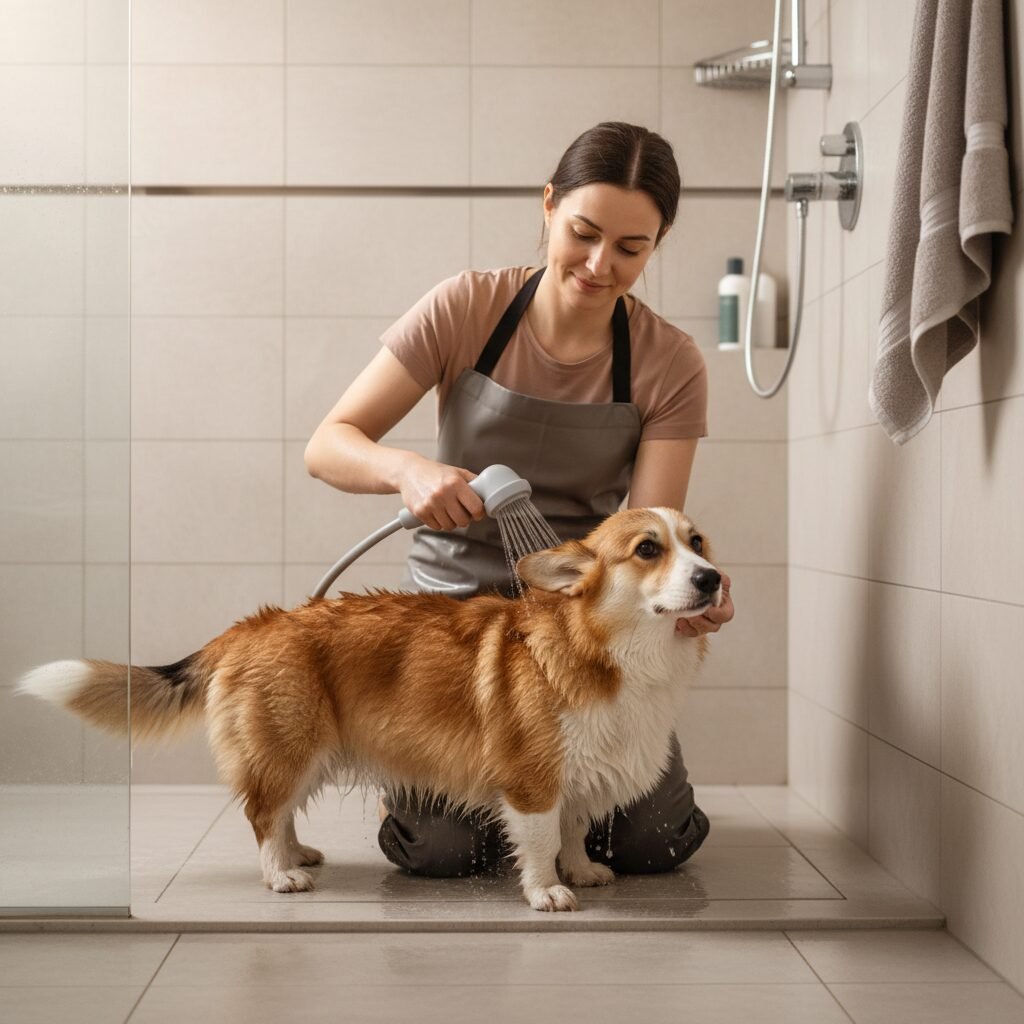
Even with the most careful, phased approach, you may encounter setbacks or specific challenges. Addressing these issues with patience and the right techniques will keep you on the path to a peaceful bath time.
My Dog Tries to Jump Out of the Tub
This is a common panic response. First, ensure the foundation is solid: is the non-slip mat secure? Is the water temperature comfortable? Is the pressure too high? If these are all in order, consider using a specialized grooming tether that suctions to the tub walls. This is not for forcefully restraining your dog, but for gently preventing them from making a dangerous leap. Always use it with a flat collar or harness, never a slip lead, and never leave a dog unattended while tethered. The primary tool, however, should remain positive reinforcement. Continuously reward the dog for staying in the tub with a steady stream of high-value treats from a lick mat or your hand.
Handling a Matted or Long-Haired Coat
Water can cause mats to tighten, making them painful and difficult to remove. It is imperative to brush your dog’s coat thoroughly before the bath to remove any tangles or mats. If a mat is too severe, do not attempt to wash it or cut it out with scissors, as this can easily injure the skin. Consult a professional groomer or veterinarian for safe removal. During the bath, use a conditioner designed for dogs to help prevent future tangles.
What If My Dog Still Shakes and Trembles?
Trembling is a clear sign of stress. If this happens, you have likely moved too quickly through the desensitization steps. It’s not a failure; it’s feedback. Go back to the last step where your dog was completely comfortable and work from there again, but in even smaller increments. A session might consist of just putting one paw in the tub and getting a reward. Keep sessions extremely short and always end on a positive note. For dogs with severe anxiety, consult your veterinarian about calming supplements or even short-term anxiety medication to help facilitate a more productive training environment.
Expert Tip: Never use punishment or scolding during bath time. This will only validate your dog’s fear that the bath is a terrible experience and will severely damage their trust in you. Your calm, confident demeanor is one of your most effective tools.
The Afterglow: Solidifying a Positive Post-Bath Routine
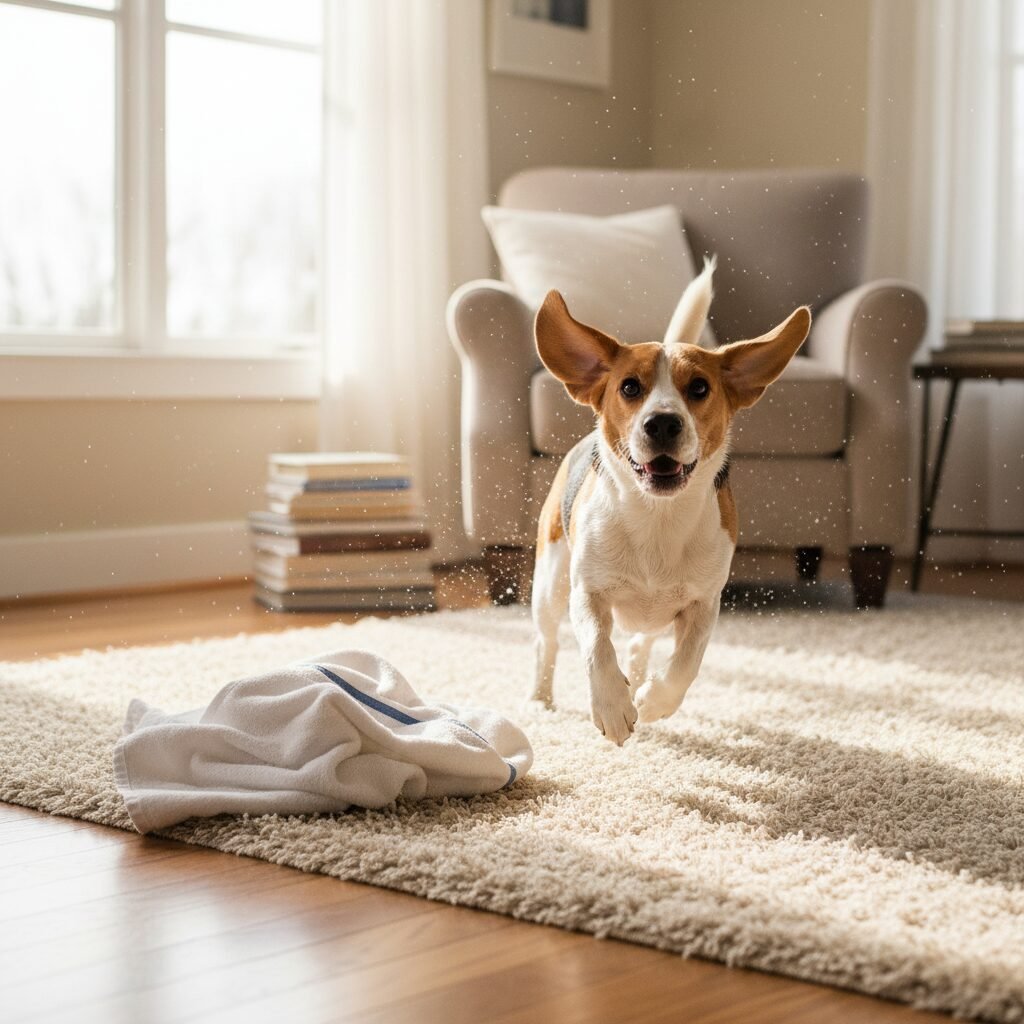
The bath time experience doesn’t conclude when the water is turned off. The moments immediately following the bath are a critical opportunity to cement the positive associations you’ve worked so hard to build. Ending the process with a predictable, joyful routine reinforces the idea that the entire event, from start to finish, leads to wonderful things.
Embrace the ‘Towel Zoomies’
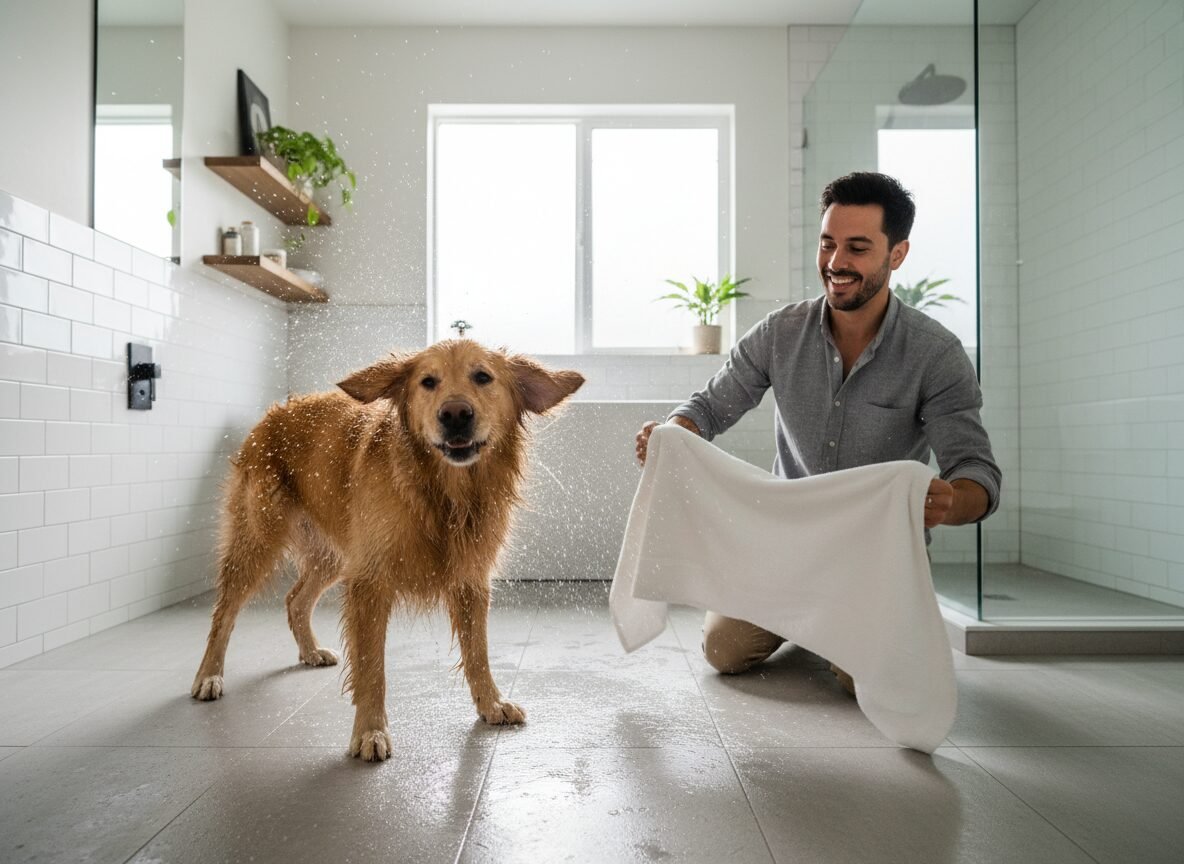
Many dogs experience a burst of frenetic energy after a bath. Instead of trying to contain it, lean into it! Make the towel-drying process an exciting, playful game. Use a fluffy, absorbent towel and rub them down with vigor and enthusiasm. Use happy, excited vocal tones. This celebratory ritual releases pent-up energy and transforms the final stage of the bath from a chore into a moment of fun and connection. It helps them shake off not just the water, but also any residual stress from the bath itself.
The Jackpot Reward
Once the initial towel-dry is complete, provide a ‘jackpot’ reward. This should be an exceptionally high-value treat that your dog only gets after a bath. It could be a dental chew, a special toy, or a small portion of a favorite food. This powerful final reward creates a strong positive association in your dog’s memory. They will begin to anticipate this special treat, which can help motivate them through the bathing process.
Allow for Self-Drying in a Safe Space
After the towel-dry and jackpot treat, allow your dog to finish air-drying in a warm, safe, and comfortable space. Lay down some old towels or blankets in a draft-free room. Avoid using human hair dryers, as they can get too hot and burn a dog’s sensitive skin, and the loud noise can be terrifying, undoing all your hard work. By making the post-bath experience as positive and rewarding as the training process, you complete the cycle of trust and cooperation, ensuring the next bath time starts on an even better note.
Conclusion
Transforming your dog’s bath time experience is a testament to the power of patience and communication. It is not about forcing submission, but about building trust and systematically replacing fear with confidence. By understanding the root of your dog’s anxiety, preparing your environment for success, and following a gradual, reward-based training plan, you can fundamentally change this essential grooming task from a source of mutual dread into a peaceful and cooperative activity.
Remember that every dog learns at a different pace. Celebrate small victories and never be discouraged by setbacks. The ultimate goal is not just a clean dog, but a stronger, more trusting relationship with your canine companion. A calm and accepted bath time is an achievable reality, and the peace it brings to your home and your bond is well worth the dedicated effort.