Is Your Dog Spooked by Weather? Helping a Dog Overcome Wind Phobia
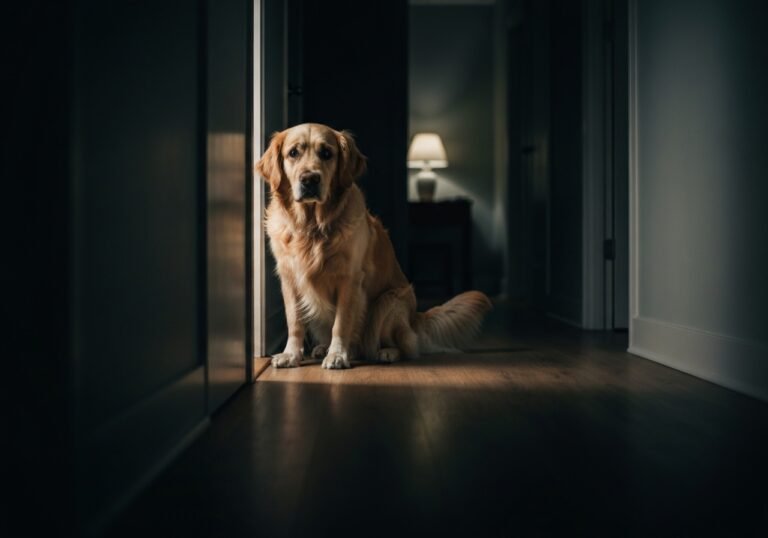
The sound of wind howling around the corners of your home can be unsettling for anyone, but for some dogs, it’s a source of profound terror. This fear, known as anemophobia, can transform a confident companion into a trembling, anxious pet. As a pet owner, watching your dog experience this distress is heartbreaking and often frustrating. You are not alone in this challenge. Wind phobia is a recognized behavioral issue, and more importantly, it is one that can be managed and improved with patience, understanding, and the right techniques.
This guide is designed to provide you with a clear, authoritative framework for helping your dog overcome their fear of wind. We will delve into the sensory reasons behind this phobia, equip you with a practical toolkit, and provide a detailed, step-by-step training plan based on proven behavioral science principles. From immediate management strategies for blustery days to long-term conditioning, you will gain the knowledge and confidence to support your canine companion. Let’s begin the journey to a calmer, happier dog, no matter the weather.
Understanding Anemophobia: Why Wind Frightens Your Dog
Understanding Anemophobia: Why Wind Frightens Your Dog
Before you can effectively address your dog’s fear, it is essential to understand its roots. A dog’s perception of the world is vastly different from our own, dominated by senses that are far more acute. What we perceive as a simple windy day is a complex and overwhelming sensory event for a dog.
A Symphony of Unsettling Sounds
A dog’s hearing is exponentially more sensitive than a human’s. They can detect frequencies far higher than we can, up to 65,000 Hz compared to our 20,000 Hz. The wind produces a wide spectrum of sounds, many of which are inaudible to us. The low-frequency rumbles, the high-pitched whistles as air moves through small gaps, and the sudden clatter of a branch against a window can be incredibly jarring. To a dog, this isn’t just background noise; it’s an unpredictable and pervasive auditory assault with no clear source, which can trigger a significant fight-or-flight response.
The Pressure Problem
Windy conditions are often accompanied by changes in barometric pressure. Dogs are highly sensitive to these atmospheric shifts. While the exact mechanism isn’t fully understood, it’s believed that they can feel these changes in their ears and sinuses, similar to how some humans experience joint pain before a storm. This internal physical sensation, which they cannot understand or escape, can create a feeling of unease and anxiety long before the wind audibly picks up.
An Olfactory Overload
A dog’s primary sense is smell. A steady breeze carries a consistent scent profile of the environment. Gusting, turbulent wind, however, throws this into chaos. It picks up and carries scents from miles away, bombarding your dog’s nose with a torrent of new, unfamiliar, and potentially threatening information. The scent of distant animals, unfamiliar vegetation, or pollutants can arrive suddenly, creating a sense of an unseen presence or impending danger.
Learned Associations and Past Trauma
Sometimes, the fear is not innate but learned. A single traumatic event that occurred on a windy day—such as a large object falling over, a loud clap of thunder during a windy storm, or even being left alone during a particularly severe weather event—can create a powerful negative association. From that point forward, the dog links the sensory experience of wind with that terrifying memory, and the fear becomes a conditioned response.
Expert Insight: It is crucial to recognize that your dog’s fear is a genuine physiological and psychological response. It is not an act of disobedience or stubbornness. Approaching the issue with empathy is the first step toward successful rehabilitation.
Preparing Your Toolkit: Essential Items for a Calmer Canine

Preparing Your Toolkit: Essential Items for a Calmer Canine
Successfully managing and retraining a dog with anemophobia requires a combination of management tools and training aids. Assembling this toolkit beforehand ensures you are prepared to create a positive and controlled environment for your dog, both during training sessions and on unexpectedly windy days. These items are designed to reduce anxiety, provide positive distractions, and facilitate the learning process.
Management and Calming Aids
These tools are designed to help your dog cope in the moment by reducing their physiological stress response.
- Anxiety Wrap or ThunderShirt: These garments apply gentle, constant pressure to the dog’s torso. This pressure has a calming effect on the nervous system, similar to swaddling an infant. It can help reduce trembling, panting, and hiding behaviors during a stressful event.
- White Noise Machine or Box Fan: Drowning out the unpredictable sounds of the wind is a primary management goal. A white noise machine provides a consistent, soothing sound that can mask the high-pitched whistles and low rumbles that cause anxiety. A simple box fan can achieve a similar effect.
- Blackout Curtains or Window Film: Visual stimuli, such as swaying trees and blowing debris, can contribute to a dog’s fear. Blocking the view of the chaotic world outside can help reduce this source of stress.
- Pheromone Diffusers (e.g., Adaptil): These products release a synthetic copy of the calming pheromone a mother dog produces to soothe her puppies. Using a diffuser in your dog’s safe space can help create a more serene atmosphere.
Training and Enrichment Tools
These items are used during the active desensitization and counter-conditioning process to build positive associations.
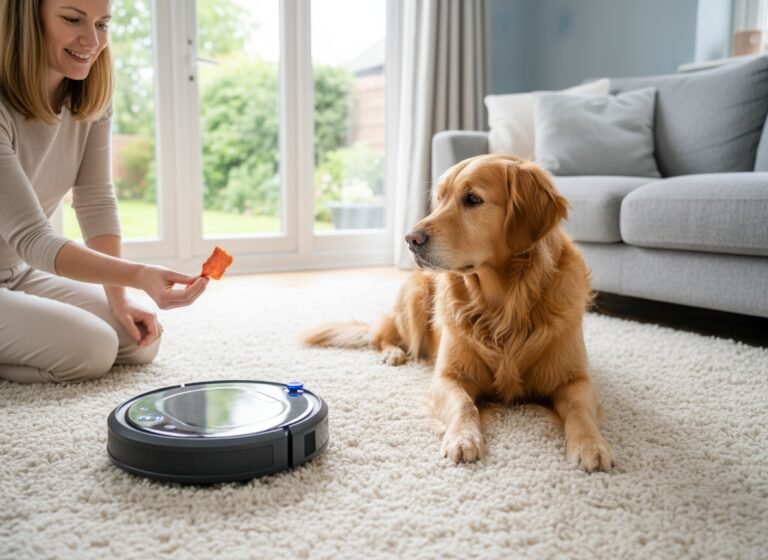
- High-Value Food Rewards: These are not your dog’s everyday kibble. Think small pieces of cooked chicken, cheese, or high-quality commercial training treats. The reward must be enticing enough to outweigh the dog’s anxiety and create a strong positive emotional response.
- Food-Dispensing Toys and Puzzles: Items like KONGs, lick mats, and puzzle feeders are invaluable. They require the dog to focus on the task of getting food, which redirects their mental energy away from the scary sounds. The act of licking and chewing is also inherently calming for dogs.
- Sound Recordings: You will need access to high-quality recordings of various wind sounds. These can be found on platforms like YouTube or specialized sound effect websites. It is important to have a range of intensities, from a gentle breeze to a strong gale, to allow for gradual progression in training.
- Good Speakers: A Bluetooth speaker or sound system that can play sounds at a very low, controlled volume is critical. Your phone speaker may not be sufficient for the initial, subtle stages of desensitization.
A Step-by-Step Guide to Desensitization and Counter-Conditioning

A Step-by-Step Guide to Desensitization and Counter-Conditioning
This is the core of the behavior modification process. The goal is twofold: desensitization, which involves gradually exposing your dog to the trigger (wind sounds) at a level that does not provoke fear, and counter-conditioning, which is the process of changing your dog’s fearful emotional response to a positive one. This process requires significant patience and consistency. Sessions should be short (5-10 minutes) and always end on a positive note.
-
Step 1: Establish a Baseline and Find the Threshold
Your first task is to determine the lowest intensity of the trigger that your dog can tolerate without showing any signs of anxiety (e.g., lip licking, yawning, panting, whale eye). Using your speaker, play a recording of a gentle breeze at the absolute lowest volume setting. Watch your dog’s body language closely. If they show no reaction, you have found your starting point. If they show even mild stress, lower the volume further or move the speaker farther away until they are comfortable. This is their ‘sub-threshold’ level.
-
Step 2: Initiate Counter-Conditioning
Once you have the sub-threshold volume, begin the counter-conditioning process. Turn on the sound, and immediately begin feeding your dog a steady stream of high-value treats. Make it a fun game. After 30-60 seconds, turn the sound off, and immediately stop the treats. The rule is simple: The scary sound makes the amazing treats appear. The sound stops, the treats stop. Repeat this several times in a short session. The goal is for your dog to start associating the sound with the imminent arrival of something wonderful.
-
Step 3: Gradual Intensity Increase
Once your dog is comfortable and even happy to hear the sound at the initial low level (they may look at you expectantly when the sound starts), you can begin to slowly increase the intensity. This is the most critical and delicate part of the process. Increase the volume by a tiny, almost imperceptible increment. Repeat Step 2 at this new level for several sessions. If at any point your dog shows signs of anxiety, you have moved too fast. Immediately return to the last volume level where they were successful and work there for a few more sessions before attempting to increase it again.
-
Step 4: Vary the Stimulus
Dogs do not generalize well. A dog conditioned to be calm with one specific wind sound may still react to a different one. Once your dog is comfortable with the initial sound at a moderate volume, start introducing different recordings—a howling wind, a gusting sound, wind with rain. Each time you introduce a new sound, you must start back at Step 1, finding the sub-threshold volume for that specific sound and gradually working your way up.
-
Step 5: Generalize the Location
Practice these training sessions in different rooms of the house. This helps your dog understand that wind sounds are safe everywhere in their home, not just in the training room. Start each new location at a lower volume, as the change in environment can be a new variable for your dog.
Troubleshooting Tip: If your dog is too stressed to take treats, you have gone past their threshold. Stop the session immediately. For the next session, significantly reduce the intensity of the stimulus (lower volume, greater distance) to ensure they remain comfortable and can successfully engage in the training.
Management Strategies for Unpredictable Windy Days

Management Strategies for Unpredictable Windy Days
While behavior modification is a long-term solution, you need strategies to help your dog cope right now when the wind picks up unexpectedly. Management is not about training; it’s about minimizing stress and preventing your dog’s fear from worsening. These techniques should be implemented on any day you anticipate or experience windy conditions.
Create a ‘Safe Haven’
Designate a comfortable, enclosed space in your home where your dog naturally feels secure. This is often a crate, a small interior room, a closet, or a bathroom. Enhance this space to make it a true sanctuary:
- Sound Dampening: This room should ideally be in the quietest part of the house, away from windows. Keep a white noise machine or fan running in this space during windy weather to muffle external sounds.
- Comfort Items: Fill the space with your dog’s favorite bed, blankets, and even an article of your clothing that smells like you.
- Blackout Conditions: Use blackout curtains to block visual triggers of blowing trees or debris.
- High-Value Distractions: Make this space the only place your dog gets their most prized possessions, such as a special puzzle toy filled with peanut butter or a long-lasting chew. This creates a positive association with the haven. Never force your dog into the space; allow them to retreat there willingly.
Engage in Calming Activities
Redirect your dog’s focus from the storm outside to an engaging activity inside. Mental stimulation can be just as tiring as physical exercise and is an excellent way to reduce anxiety.
- Nose Work Games: Hide treats around a room and encourage your dog to ‘find it.’ This engages their natural scenting abilities and builds confidence.
- Licking and Chewing: Provide a frozen KONG, a lick mat smeared with yogurt, or a safe dental chew. The repetitive actions of licking and chewing have been scientifically shown to be self-soothing for dogs and can lower their heart rate.
- Trick Training: A short, positive training session working on known cues or simple new tricks can shift your dog’s focus. Keep it light, fun, and rewarding.
Remain a Calm and Confident Leader
Dogs are highly attuned to our emotions. If you are anxious about your dog’s reaction to the wind, they will pick up on your stress, which can validate their fear. It’s vital to project a calm and normal demeanor. Avoid excessive coddling or frantic reassurance, as this can be interpreted by the dog as confirmation that there is indeed something to fear. Speak in a normal tone, go about your routine, and offer gentle, calm petting if your dog seeks you out for comfort. Your calm presence is one of the most powerful tools you have.
When to Seek Professional Help: Recognizing the Limits
When to Seek Professional Help: Recognizing the Limits
While the techniques outlined in this guide are effective for many dogs with mild to moderate anemophobia, some cases require professional intervention. It is a sign of responsible pet ownership to recognize when a problem is beyond your ability to manage alone. Severe phobias can be deeply ingrained and may have underlying medical or psychological components that need an expert diagnosis.
Signs That You Need Professional Guidance
You should consider consulting a professional if you observe any of the following:
- Severe Panic Attacks: This includes uncontrollable trembling, frantic pacing, destructive behavior (chewing walls, clawing at doors), drooling, or loss of bladder/bowel control.
- Risk of Injury: If your dog attempts to escape by breaking through windows, doors, or fences during windy weather, their safety is at immediate risk.
- No Progress with Training: If you have been consistently applying desensitization and counter-conditioning techniques for several weeks with no discernible improvement, or if the fear seems to be worsening.
- Aggressive Responses: Fear can sometimes manifest as aggression. If your dog growls, snaps, or bites when approached or startled during a wind event, professional help is crucial.
- Impact on Quality of Life: If the fear is so pervasive that your dog is in a constant state of high alert, unable to eat, sleep, or engage in normal activities for extended periods.
Who to Contact for Help
It’s important to seek advice from a qualified professional. Not all dog trainers are equipped to handle severe phobias.
| Professional Type | Description of Services | Best For |
|---|---|---|
| Veterinary Behaviorist (DACVB) | A board-certified veterinarian who has undergone extensive, specialized training in animal behavior. They can diagnose medical and behavioral conditions, create detailed behavior modification plans, and prescribe anti-anxiety medication if necessary. | Severe phobias, cases involving aggression, or when medication may be required. This should be your first choice for complex cases. |
| Certified Applied Animal Behaviorist (CAAB) | A professional with an advanced degree (Ph.D. or Master’s) in animal behavior. They are experts in behavior modification but cannot prescribe medication. They often work in conjunction with your primary veterinarian. | Complex behavioral issues that may not require medication, providing in-depth behavior modification plans. |
| Certified Professional Dog Trainer (CPDT-KA/KSA) | A trainer who has passed a rigorous certification process and is committed to humane, science-based training methods. Look for a trainer who has specific experience and credentials in treating anxiety and phobias. | Mild to moderate fears where the owner needs hands-on coaching and guidance to implement a training plan effectively. |
A professional can provide a tailored behavior modification plan, offer crucial hands-on guidance, and, in the case of a veterinary behaviorist, may recommend psychotropic medication to reduce your dog’s anxiety to a level where they can be receptive to training. Medication is not a cure, but it can be an invaluable tool that allows behavior modification to be effective.
Conclusion
Helping your dog overcome a fear of wind is a journey that tests patience but rewards it with a more confident and secure companion. By understanding the sensory world of your dog, you can appreciate the legitimacy of their fear and approach the problem with empathy. The key to long-term success lies in the consistent application of desensitization and counter-conditioning, a process that slowly rewires your dog’s emotional response from fear to positive anticipation.
Remember to utilize management strategies to keep your dog comfortable in the short term and prevent their anxiety from escalating. Creating a safe haven and providing calming enrichment are powerful acts of support. Most importantly, do not hesitate to seek professional help if the fear is severe or you are not making progress. A qualified veterinary behaviorist or certified trainer is an invaluable ally in this process.
Your calm leadership and dedication are the most critical elements in this training. With every short, successful session, you are not just diminishing a phobia; you are building a deeper bond of trust with your dog, proving to them that with you, they are safe, no matter how much the wind may howl.