Ouch! How to Stop Your Shark Dog From Snatching Treats Out of Your Hand
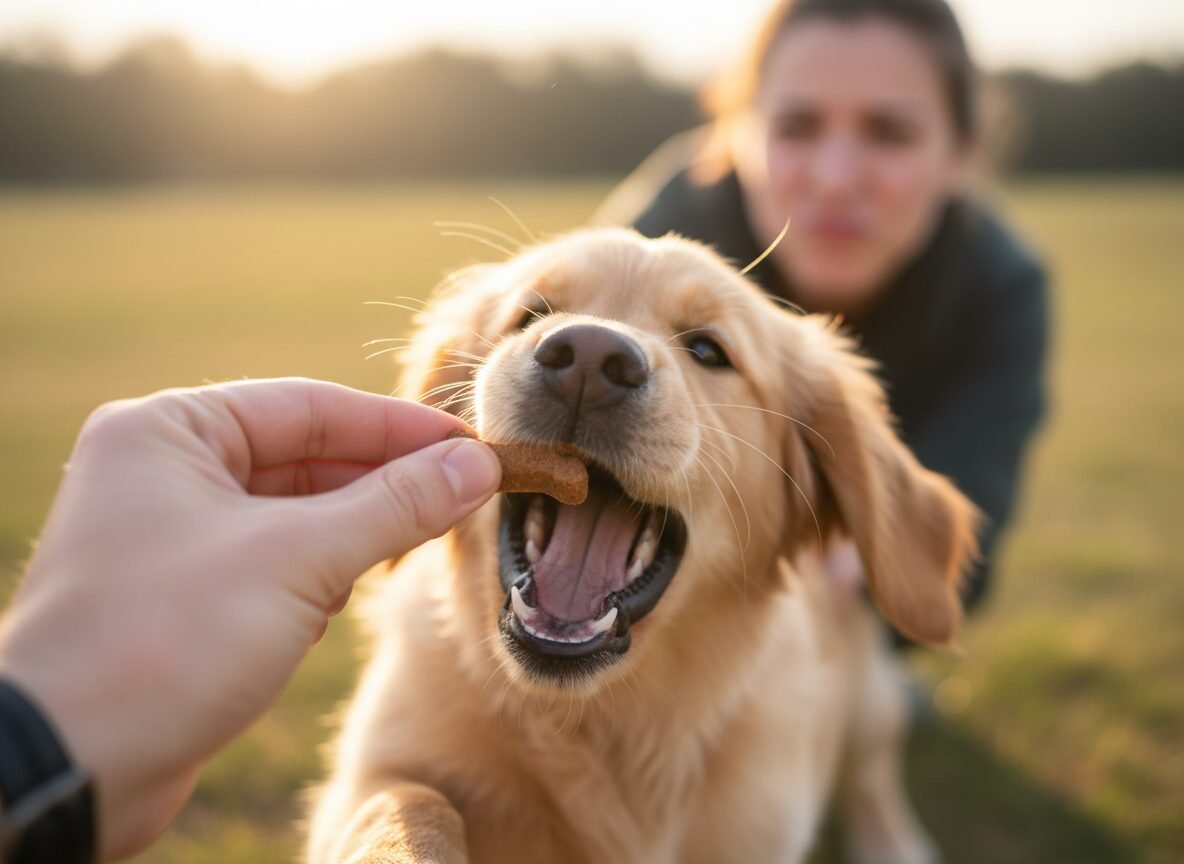
The sharp, unexpected nip of your dog’s teeth when you’re offering a delicious reward is a familiar and frustrating experience for many pet owners. One moment you’re rewarding good behavior, and the next, you’re nursing a sore finger, wondering if your loving companion has momentarily transformed into a tiny shark. This behavior, while startling, is rarely born from aggression. More often, it’s a combination of pure excitement, a lack of learned manners, and a simple misunderstanding of how to interact gently with human hands.
This is more than just a minor annoyance; teaching your dog to take treats gently is a fundamental aspect of bite inhibition and overall household safety, especially in homes with children or elderly family members. A dog that learns to control the pressure of its jaw in one context is better equipped to do so in all situations. Fortunately, with patience, consistency, and the right positive reinforcement techniques, you can successfully teach your dog that a calm, soft mouth is the only way to earn a reward.
In this definitive guide, we will deconstruct the reasons behind this snappy behavior and provide a clear, step-by-step training plan to cultivate a gentle mouth. Prepare to transform those painful ‘ouch’ moments into pleasant, trusting interactions that strengthen the bond between you and your canine companion.
Understanding the ‘Why’ Behind a Snappy Snout
Before we can correct the behavior, it is crucial to understand its origins. A dog that snatches treats is not being intentionally malicious or dominant; they are simply acting on instinct and learned habits. By identifying the root cause, you can tailor your training approach with greater empathy and effectiveness.
Instinct and Early Development
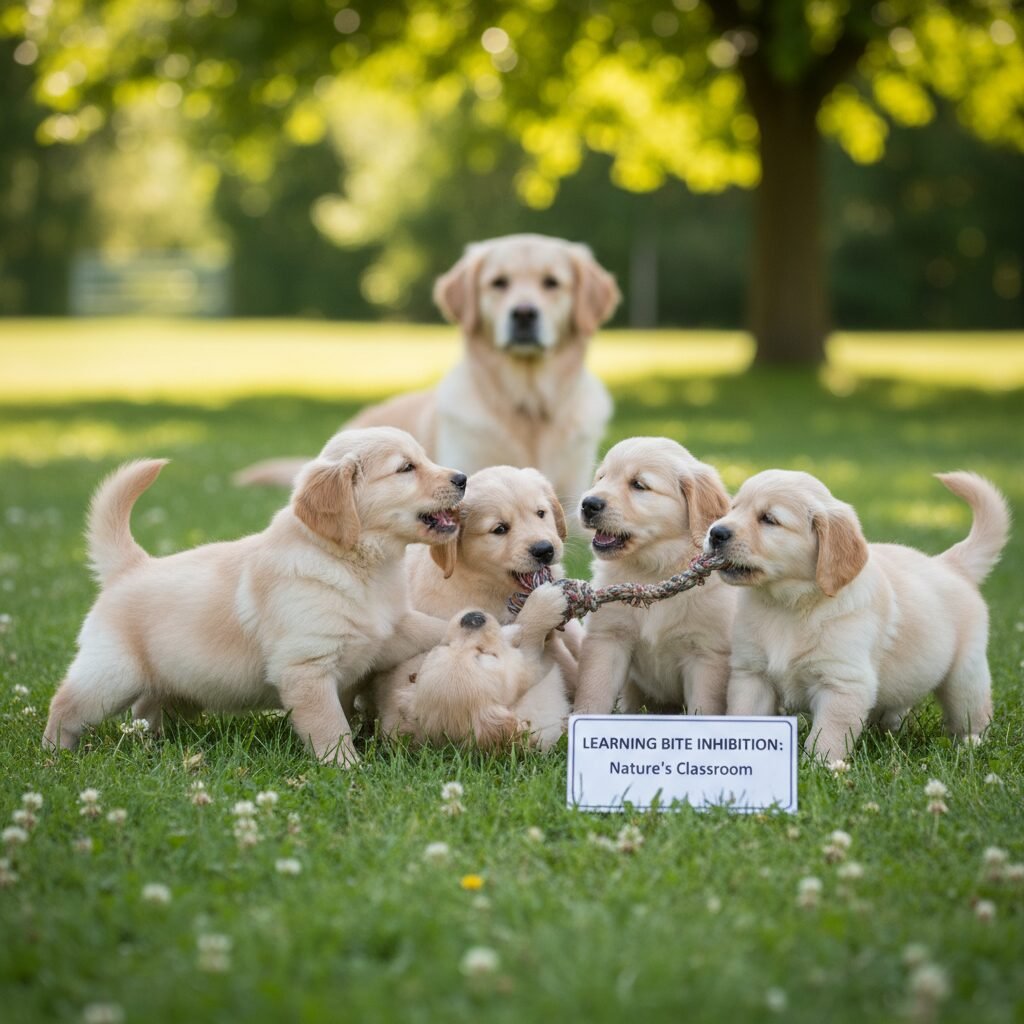
From the moment they are born, puppies use their mouths to explore and understand the world. They also learn crucial lessons about pressure and bite inhibition from their mother and littermates. During play, if a puppy bites a sibling too hard, the other puppy will yelp and withdraw, teaching the biter to moderate its force. However, this education is often incomplete when they leave for their new homes. Furthermore, puppies in a litter must compete for resources, including milk from their mother. This can instill a ‘first and fast’ mentality that carries over to treat time.
Over-Arousal and Uncontrolled Excitement
For most dogs, the prospect of a treat is incredibly exciting. This high state of arousal can cause them to lose impulse control. Their focus narrows entirely on the food, and their brain essentially screams, ‘GET THE TREAT!’ In this state, finesse and gentleness are forgotten. The snatching is a physical manifestation of their overwhelming enthusiasm. This is particularly common in high-energy breeds or young dogs who have not yet mastered self-regulation.
Expert Tip: The goal is not to diminish your dog’s enthusiasm for rewards but to teach them that calmness and gentle behavior are the keys that unlock those rewards.
Accidental Reinforcement
Often, owners unwittingly encourage the very behavior they dislike. If a dog snatches a treat and successfully gets it, the snatching behavior has been reinforced. From the dog’s perspective, the technique worked perfectly. Even pulling your hand away quickly can turn into a fun game of ‘beat the hand.’ Inadvertently, we can teach our dogs that speed and force are effective strategies for acquiring food from us. Consistency from every person in the household is paramount to reversing this learned behavior.
Essential Preparation: Setting the Stage for Success
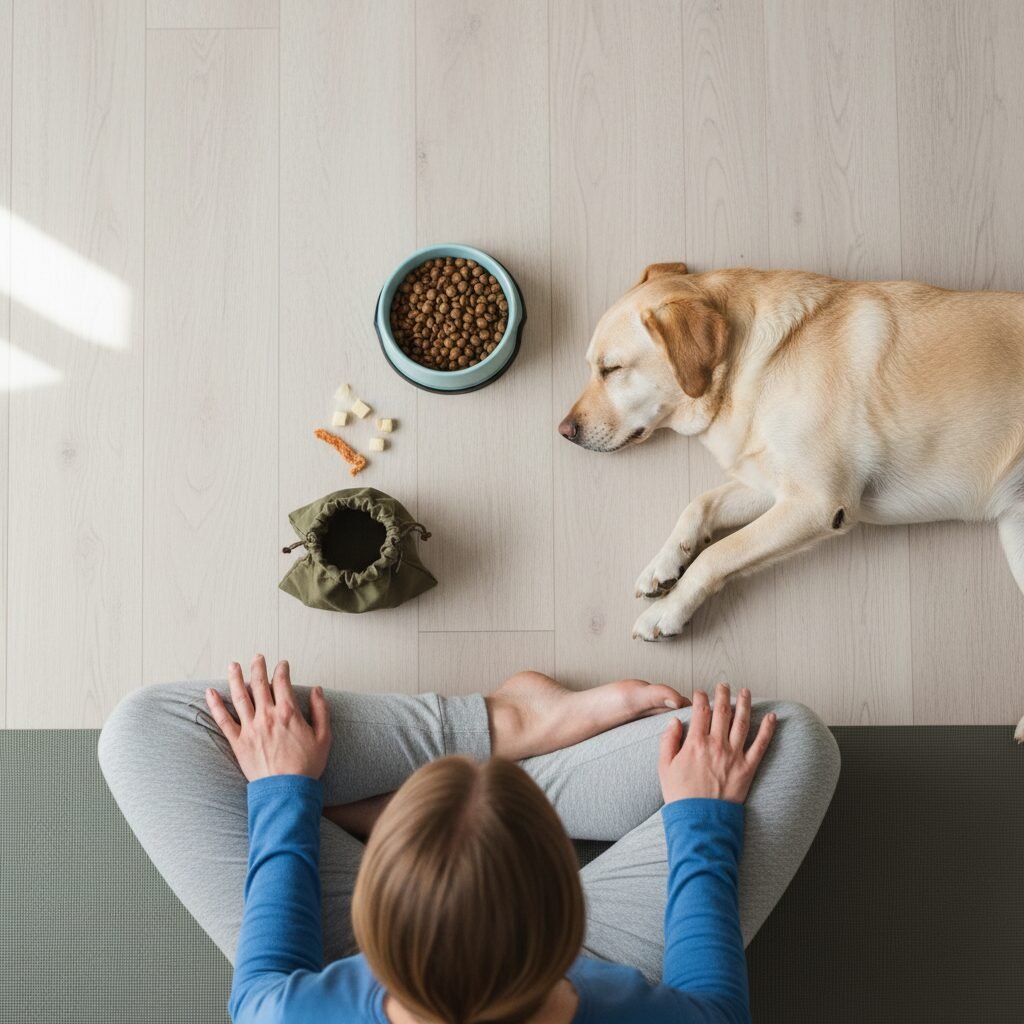
Proper preparation is the foundation of any successful training plan. By controlling the environment and choosing the right tools, you significantly increase the likelihood of a positive outcome and reduce frustration for both you and your dog. Before you begin your first session, take a few moments to gather your supplies and create a conducive learning atmosphere.
Choosing Your Training Treats
The type of treat you use has a direct impact on your dog’s excitement level. For this specific training, it’s wise to have two types on hand:
- Low-Value Treats: This will be your primary tool for the initial steps. Use something your dog likes but doesn’t go wild for, such as their regular kibble or a simple, dry biscuit. This keeps arousal levels manageable.
- High-Value Treats: These are the extra-special rewards—small pieces of cheese, chicken, or freeze-dried liver. These should be reserved for major breakthroughs or for ‘proofing’ the behavior later on, once the initial concept is understood.
Creating a Calm Training Environment
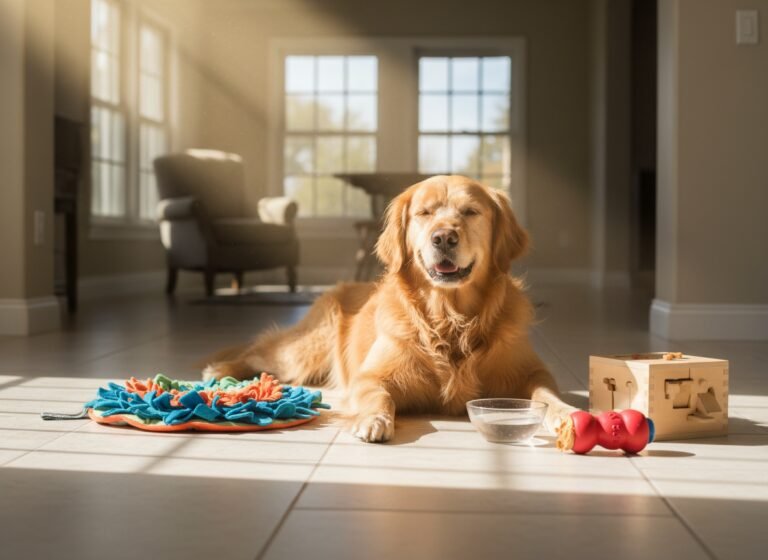
Select a quiet area of your home where distractions are minimal. Turn off the television, put your phone on silent, and ensure other pets or family members won’t interrupt the session. The goal is to have your dog’s complete focus. A calm environment helps your dog remain in a thinking state of mind, rather than a purely reactive one.
Timing and Mindset
Do not attempt to train when your dog is overly energetic, such as right after you get home from work or just before a walk. The best time is when they are relatively calm and settled. Your own mindset is equally important. Enter the training session with patience and a positive attitude. Dogs are highly attuned to our emotional state; if you are stressed or frustrated, your dog will be too. Keep sessions short—just 3 to 5 minutes at a time is perfect, especially in the beginning—to maintain focus and end on a positive note.
The Step-by-Step Guide to Teaching a ‘Gentle’ Mouth
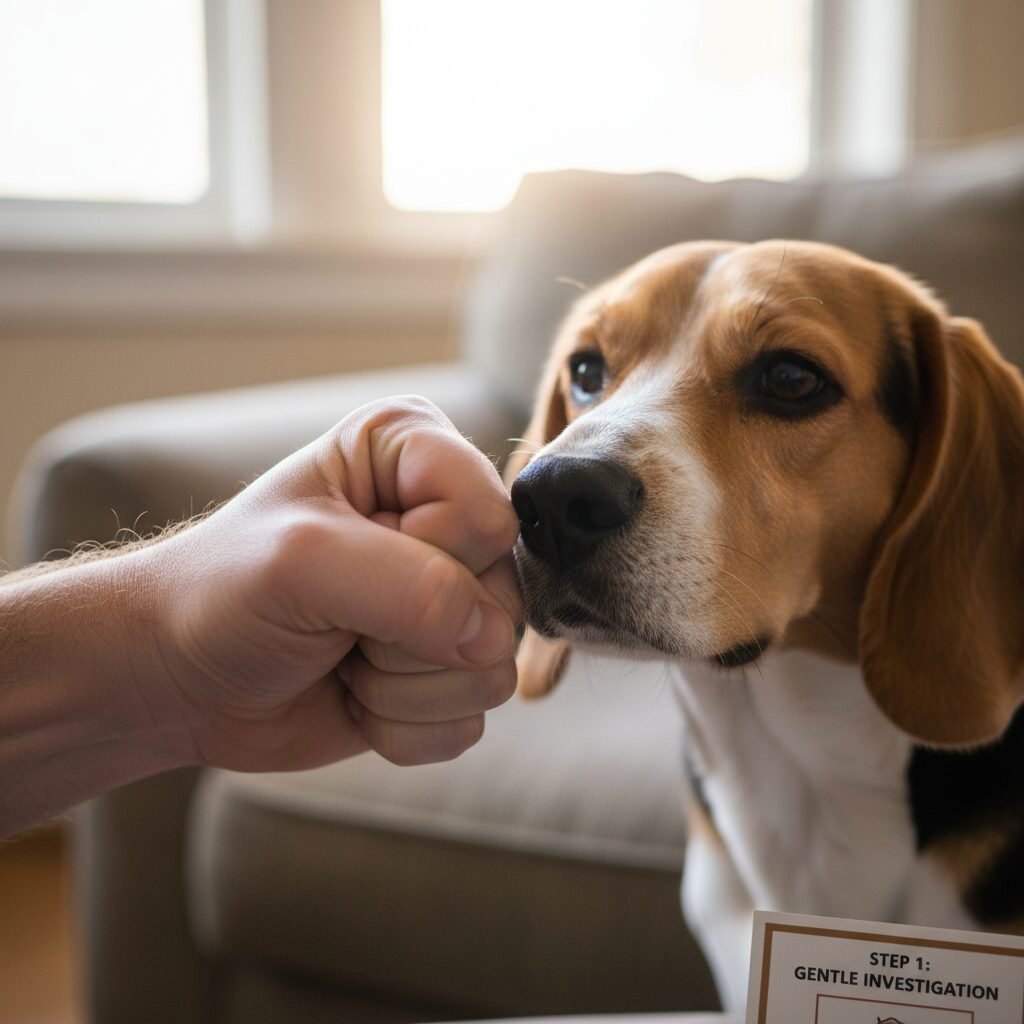
This training protocol is designed to gradually shape your dog’s behavior, making it easy for them to understand what is expected. The key is to control access to the reward and only allow success when the dog offers the desired gentle behavior. Remember to use a verbal marker like a crisp “Yes!” the exact moment your dog does something correctly, just before delivering the reward.
- Step 1: The Closed Fist Method
This is the starting point and the most important step for teaching impulse control. The goal is to teach your dog that biting, nibbling, or pawing at your hand will not produce the reward. Patience is the only thing that works.- Take a few pieces of low-value kibble and place them in your palm.
- Close your hand into a fist and present it to your dog, about at their nose level.
- Your dog will likely sniff, lick, paw, and even nibble at your fist. Hold perfectly still and silent. Do not say “No” or pull your hand away. Be a statue.
- The very instant your dog stops nibbling or pulls their head back—even for a split second—say “Yes!” and open your fist flat to let them eat the kibble.
- Repeat this process multiple times in a short session. Your dog will quickly learn that frantic behavior makes the treat stay hidden, while calm behavior makes it appear.
- Step 2: The Open Palm Method
Once your dog reliably waits for your closed fist to open, you can graduate to an open hand. This step teaches them to be gentle even when the treat is exposed.- Place a treat on your flat, open palm.
- Slowly offer it to your dog. If you see them lunge forward with an open mouth, quickly close your hand back into a fist and wait for them to calm down before trying again. Your reflexes are key here.
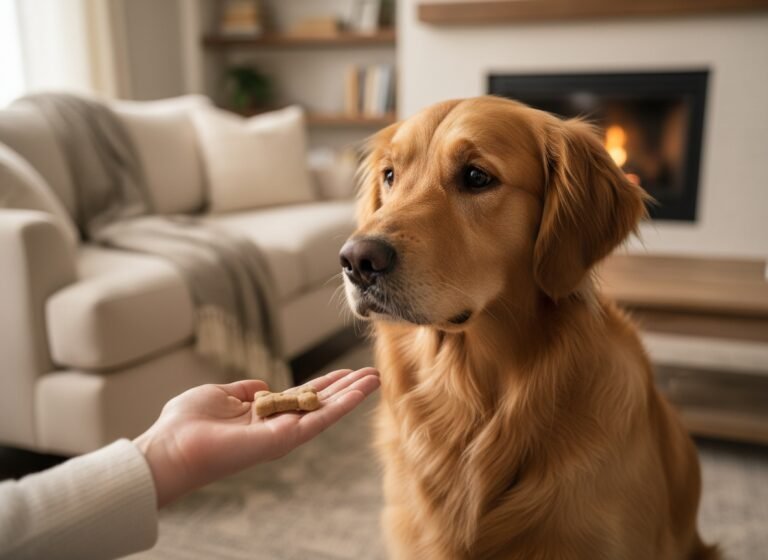
- When they approach slowly and use their tongue and soft lips to take the treat, let them have it. You can begin to introduce a verbal cue like “Gentle” or “Easy” just as they take the treat correctly.
- Step 3: The Pincer Grip Challenge
This is the final and most advanced step, mimicking how we most often deliver treats. It requires the most finesse from your dog.- Hold a treat between your thumb and forefinger.
- Offer it to your dog. This is very tempting, and they will likely try to use their front teeth (incisors).
- If you feel any teeth, immediately withdraw the treat and say nothing. Present it again after a moment.
- Mark “Yes!” and release the treat only when you feel their soft lips and tongue working to get the treat without teeth. It may take many repetitions for them to figure out this puzzle.
Consistency is everything. Practice these steps for a few minutes each day, and you will see remarkable progress in your dog’s ability to control their mouth.
Troubleshooting Common Snags and Mistakes
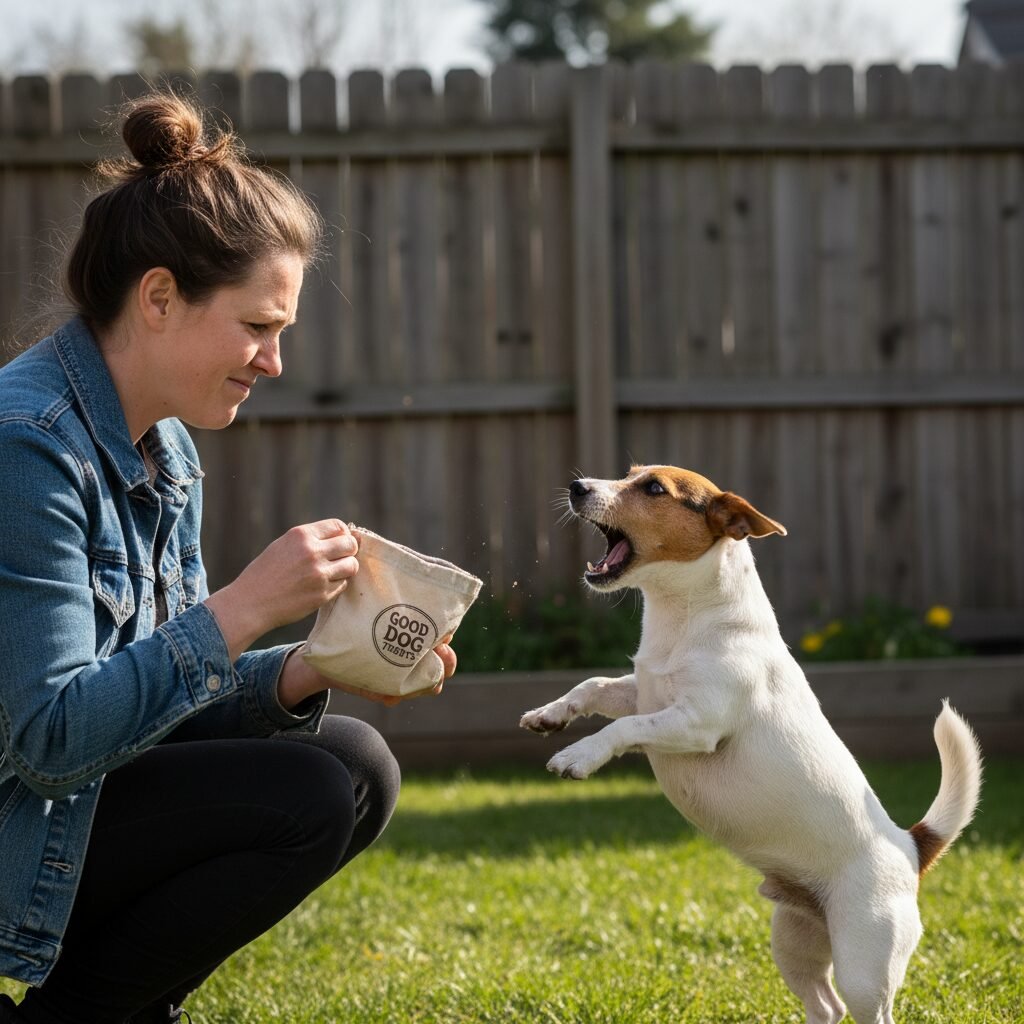
Even with the best plan, training sessions don’t always go smoothly. It’s important to anticipate common problems and know how to address them without getting discouraged. Here are solutions to frequent challenges you might encounter while teaching the ‘gentle’ cue.
My Dog Is a Persistent Nibbler and Won’t Give Up on My Fist.
Some dogs are incredibly persistent. If your dog continues to nibble, mouth, or paw at your hand without pausing, you may need to simply wait them out. This is a battle of wills, and your patience will win. Ensure you are not moving your hand at all, as any movement can be interpreted as part of a game. If they are truly relentless, you can withdraw your hand to your chest for a few seconds to ‘reset’ before presenting it again. The key is that the hand only stays when they are not being pushy.
My Dog Gets Frustrated and Starts Barking.
Barking is often a sign of frustration, indicating that the training session may be too difficult or has gone on for too long. If this happens, end the session on a positive note. Ask for a simple behavior you know they can do, like ‘sit,’ reward it, and then end the training. For the next session, consider these adjustments:
- Use even lower-value treats to reduce excitement.
- Make the session shorter, perhaps only 1-2 minutes.
- Go back to the previous step where they were successful and practice that a few more times before moving forward.
The Behavior Is Good During Training but Bad Otherwise.
This is a classic sign of a lack of generalization. The dog has learned that ‘gentle’ applies to formal training sessions but not to other contexts. The solution is consistency from everyone, everywhere. Every single treat, whether a training reward, a piece of kibble from your hand, or a cookie from a guest, must be delivered with the same expectation of gentleness. If a snatch is attempted, the treat should immediately be withheld. It only takes one person allowing a snatch to undermine your hard work.
| Problem | Primary Cause | Solution |
|---|---|---|
| Persistent Nibbling | High food drive; impatience | Remain still and silent; out-wait the dog. Temporarily withdraw hand to reset if needed. |
| Frustration Barking | Session too long or difficult | End on a positive note. Shorten future sessions and use lower-value treats. |
| Inconsistent Behavior | Lack of generalization | Enforce the ‘gentle’ rule for ALL treats from ALL people in ALL situations. |
Beyond Treats: Reinforcing Gentle Behavior in Daily Life
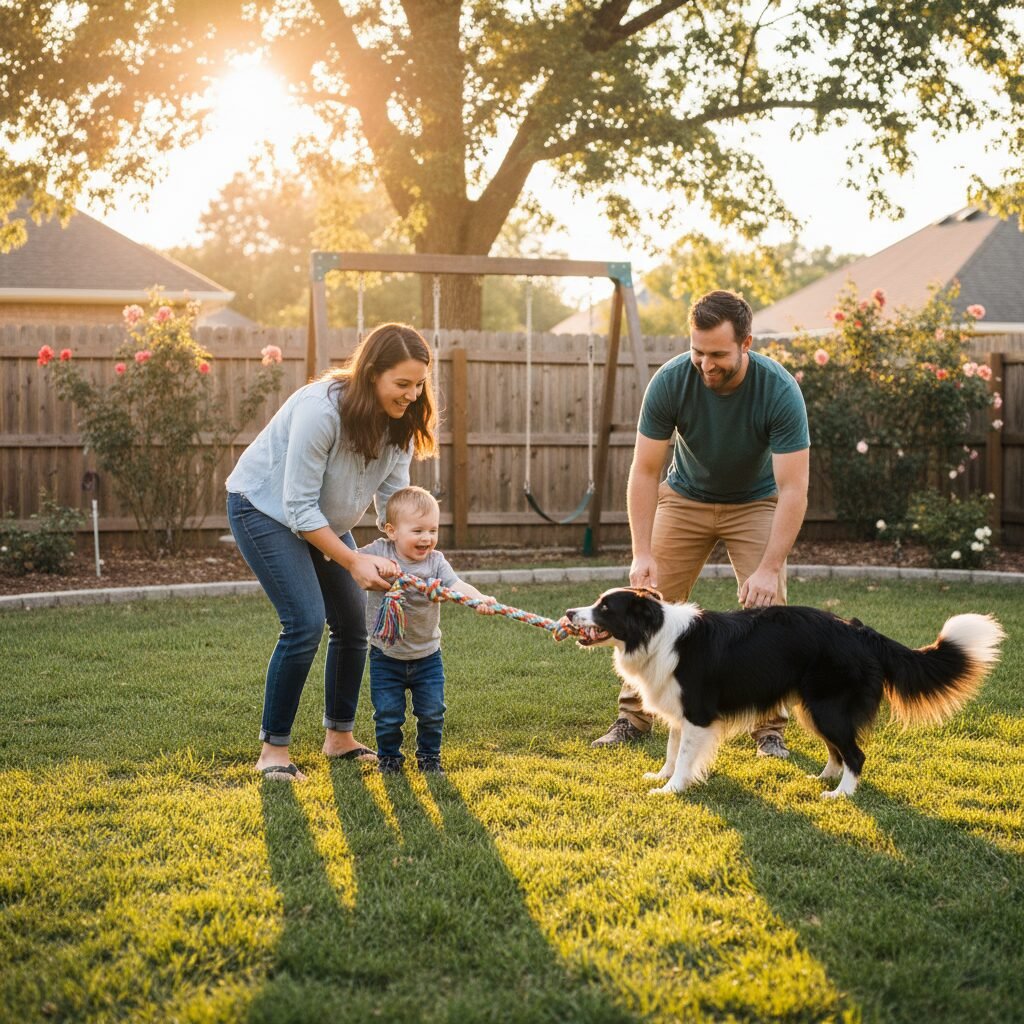
Teaching a gentle mouth for treats is the first step. To create a truly reliable and well-mannered dog, this concept must be integrated into all aspects of your daily interactions. Reinforcing gentle mouth pressure during play and other activities will solidify the behavior and make it a natural part of your dog’s character.
Structured Games of Tug-of-War
Tug-of-war is an excellent game for teaching mouth control, but it must be played with rules. Keep a designated tug toy for this purpose. During the game, if you ever feel your dog’s teeth slide up the toy and touch your hand, immediately say “Ouch!” in a sharp but not angry tone, drop the toy, and walk away for 30 seconds. This teaches the dog that teeth on skin ends the fun. You should also proactively teach a “Drop It” or “Out” cue, rewarding them handsomely when they release the toy on command. This reinforces that relinquishing items to you is a positive experience.
Gentle Toy Handling
Apply the same principles to giving your dog any toy. When you offer a ball or chew toy, hold onto it for a moment. If they try to snatch it from your hand, briefly pull it back. Offer it again, and only release it when they take it from you with a soft mouth. This constant, low-key reinforcement throughout the day is incredibly powerful.
Involving the Whole Family and Guests
A common point of failure is inconsistency among people. Your dog can’t understand why Mom requires a gentle mouth while Dad lets them snatch. Hold a brief family meeting to explain the rules: no treat is given unless the dog is gentle. When guests come over, give them a quick tutorial before they offer your dog a treat. You can say, “He’s learning to be gentle! Please hold the treat in a flat palm and pull it away if he lunges.” This protects your training and teaches your dog that the rules apply to everyone.
By expanding the ‘gentle’ concept beyond the treat, you are not just fixing a single problem. You are building a foundation of communication, trust, and safety that will benefit your relationship for years to come.
Conclusion
Transforming a treat-snatching ‘shark dog’ into a gentle-mouthed companion is an achievable goal that pays dividends in safety, trust, and the simple joy of interaction. The journey from a painful nip to a soft lick is built on a foundation of understanding your dog’s motivations, preparing your environment for success, and executing a clear, consistent training plan. Remember that the core principles are patience and positive reinforcement. Your dog is not trying to hurt you; they are simply acting on excitement and instinct, and it is your role as their guide to show them a better, more polite way to behave.
By consistently applying the closed-fist, open-palm, and pincer-grip methods, and by troubleshooting setbacks with a calm demeanor, you will see progress. Furthermore, by extending these lessons of a soft mouth to playtime and daily interactions, you will solidify this crucial life skill. Celebrate the small victories along the way, and soon, the ‘ouch’ of a snatchy snout will be a distant memory, replaced by the gentle, respectful partnership you’ve always wanted with your dog.