Is Your Dog Staring At Nothing? Dealing With Hyper-Vigilance At Night
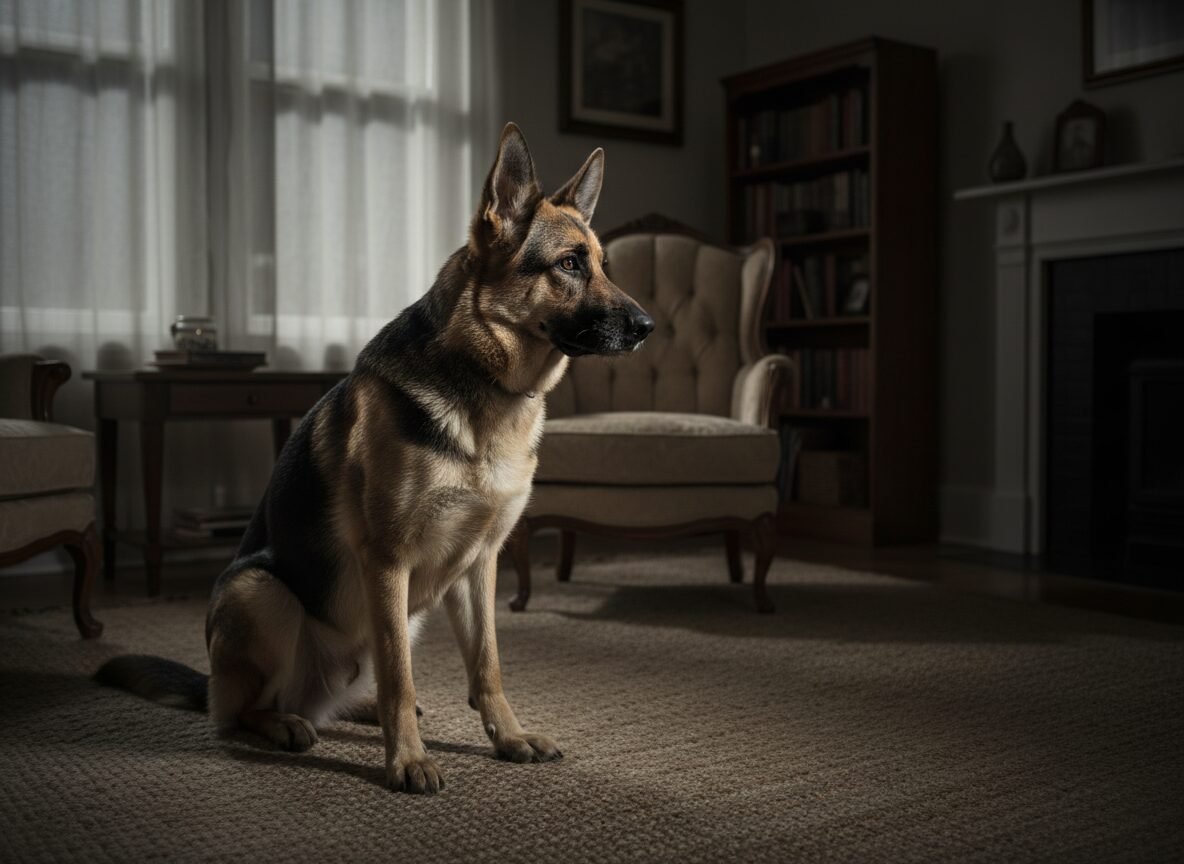
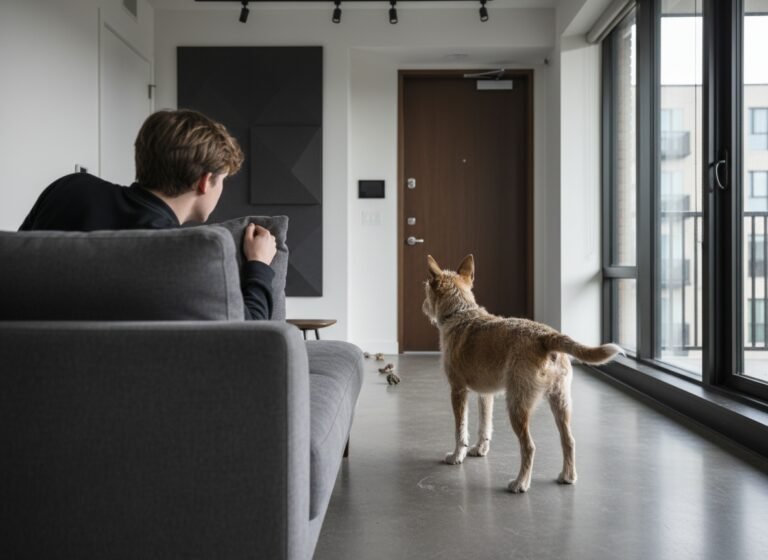
As a devoted pet owner, you are attuned to your dog’s every quirk and behavior. So, when you notice your canine companion staring intently at a blank wall, an empty corner, or seemingly into thin air, it can be perplexing and even a little unsettling. This behavior, especially when it intensifies at night, is often a sign of hyper-vigilance—a state of heightened sensory awareness and alertness. While occasionally startling, it’s a common concern among dog owners. This behavior is not necessarily a cause for alarm, but it is a communication that warrants your attention.
Understanding the root cause is the first step toward providing your dog with the comfort and security it needs. The reasons for this intense staring can range from the mundane, like hearing a rodent in the walls, to more complex medical or psychological issues, such as cognitive decline or anxiety. This comprehensive guide will delve into the multifaceted world of canine perception, explore the potential causes behind this mysterious behavior, and provide you with actionable, expert-approved strategies to manage hyper-vigilance and ensure your dog feels safe and relaxed in its home, especially after the sun goes down.
Decoding the Stare: Understanding Canine Senses and Hyper-Vigilance
What is Hyper-Vigilance?
Hyper-vigilance in canines is an elevated state of sensory sensitivity where the dog is abnormally alert to its surroundings. It’s a state of being constantly ‘on guard,’ scanning for potential threats. While a certain level of vigilance is a natural survival instinct, chronic hyper-vigilance can be a sign of underlying stress, anxiety, or a medical issue. At night, this state can become more pronounced. The relative quiet and darkness can make distant, subtle sounds or movements—inaudible or invisible to us—seem much more prominent and potentially threatening to a dog.
A Dog’s World vs. Ours
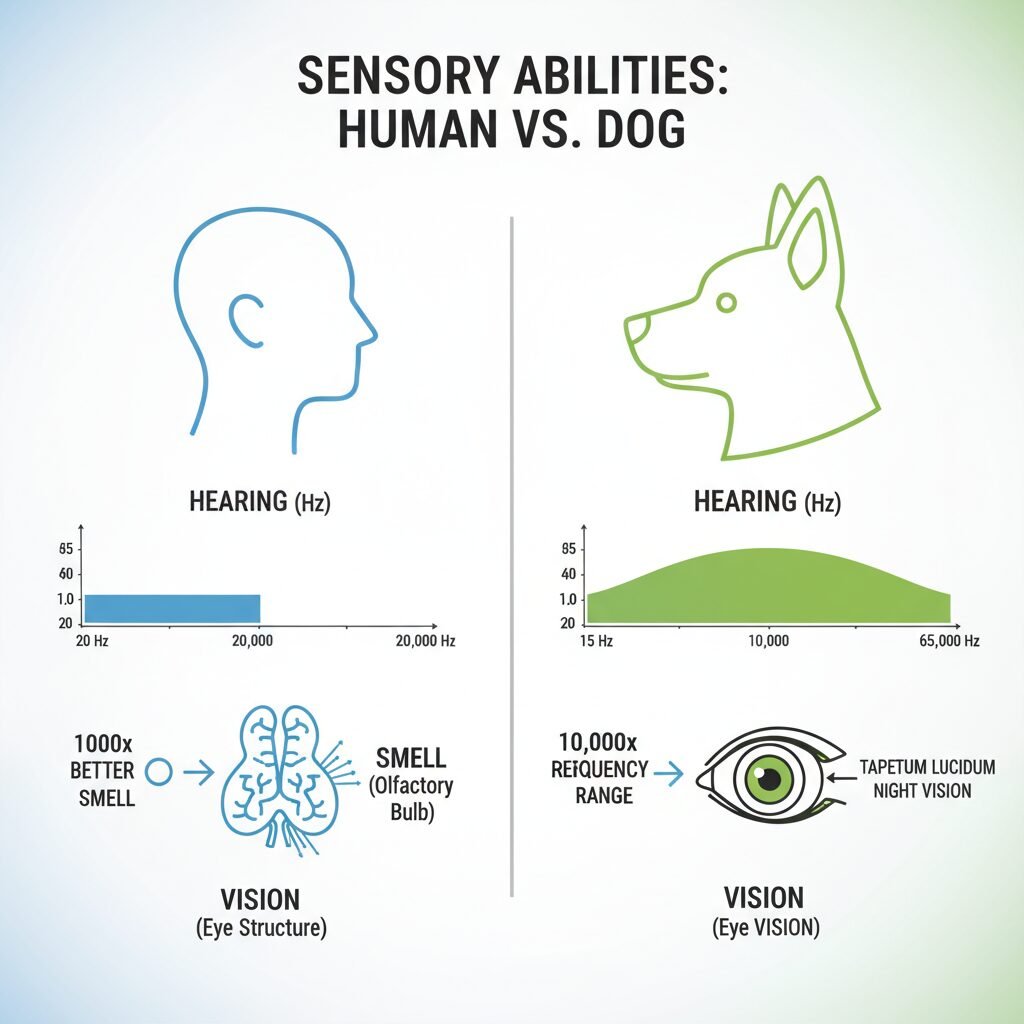
To understand why your dog might be staring at ‘nothing,’ we must first appreciate the profound differences between our sensory perception and theirs. What appears as an empty space to you is a rich tapestry of information for your dog.
- Hearing: Dogs can hear a much wider range of frequencies than humans, reaching up to 45,000-65,000 Hz compared to our 20,000 Hz. This means they can easily detect the high-frequency sounds of rodents in the walls, termites, or even the electronic hum of an appliance that we can’t perceive.
- Smell: A dog’s sense of smell is estimated to be 10,000 to 100,000 times more acute than ours. A lingering scent of a squirrel that was near the window hours ago, or a pest that has found its way into the house, can be a major point of focus for them.
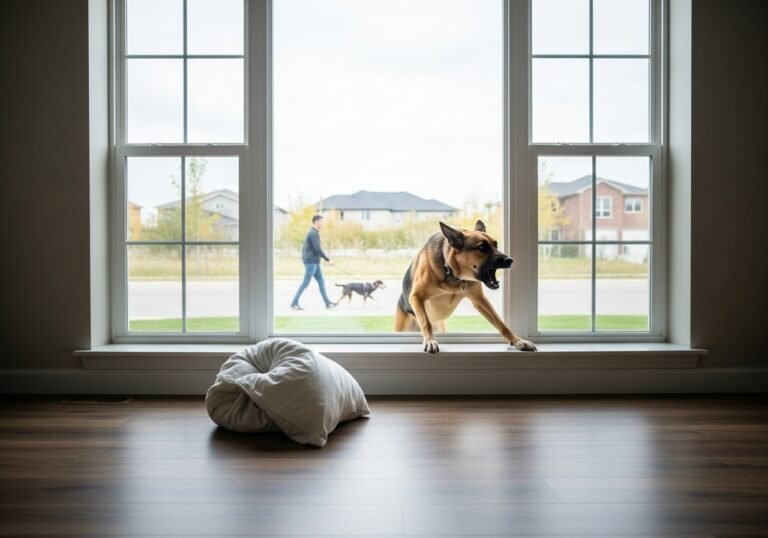
- Vision: While not as color-rich as human vision, canine eyes are far more sensitive to motion and are better adapted for low-light conditions (crepuscular vision). A tiny flicker of light, a shadow cast by a passing car, or a small insect on the wall can capture their full attention, appearing as a significant event in a darkened room.
Expert Tip: Remember that when your dog is staring at a wall, they are likely processing auditory or olfactory information that is completely beyond your human perception. Their ‘nothing’ is almost always ‘something’.
Common Environmental and Behavioral Triggers
The Usual Suspects: Pests, Noises, and Attention Seeking
Before jumping to medical conclusions, it’s crucial to evaluate the most common and benign reasons for a dog’s focused staring. In many cases, the cause is directly related to their immediate environment or their relationship with you.
Unseen Intruders
One of the most frequent culprits is the presence of small animals. Your dog’s intense focus on a wall, ceiling, or under an appliance could indicate:
- Mice or rats scurrying within the walls or crawl spaces.
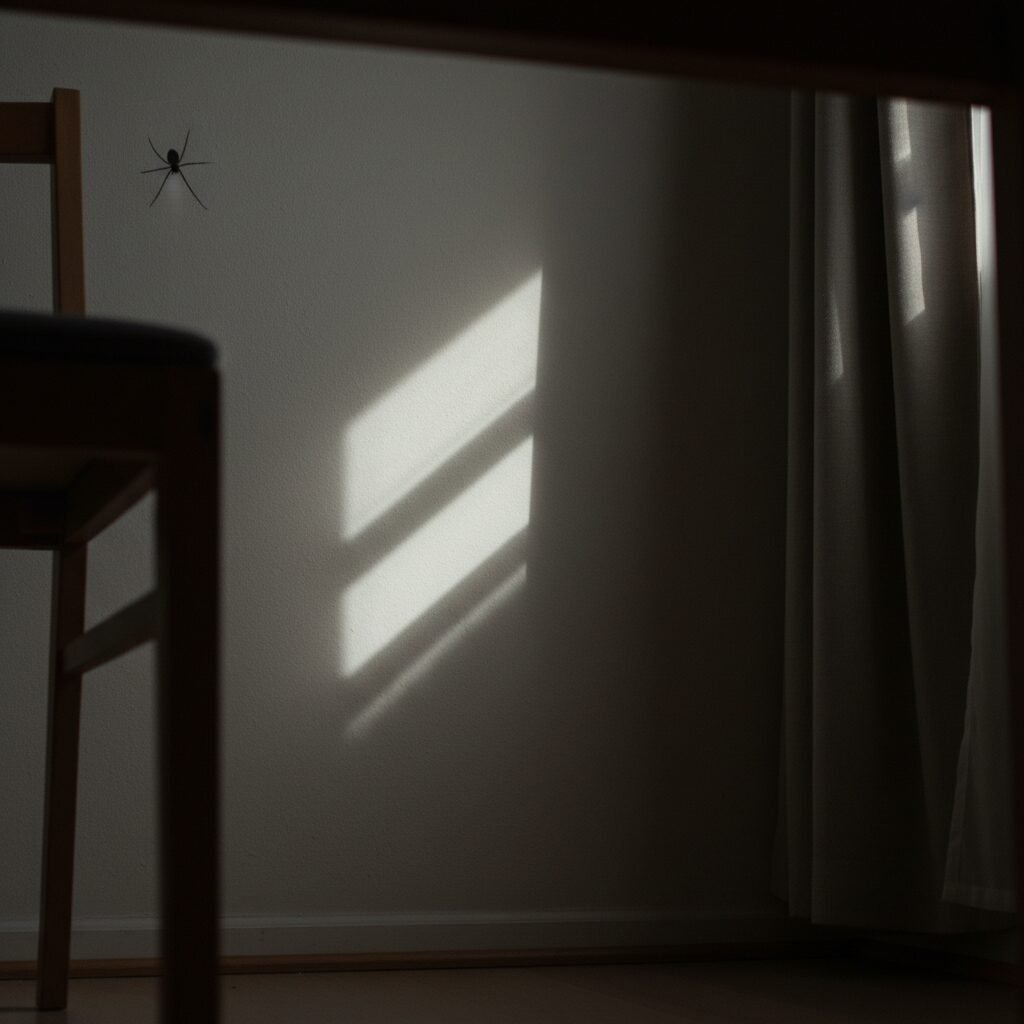
- Insects like termites, cockroaches, or spiders moving about.
- Outdoor wildlife, such as raccoons, squirrels, or cats, whose sounds and smells penetrate the home.
Observe if the staring is concentrated in one specific area of the house. This can be a strong clue that they have detected a pest problem that requires your attention.
Sounds and Shadows of the Night
The nocturnal world is full of subtle stimuli. Your dog may be reacting to:
- The settling sounds of the house.
- Distant sirens or the bass from a passing car.
- The hum and clicks of the HVAC system or refrigerator cycling on and off.
- Shifting shadows or reflections from lights outside.
Learned Behavior and Boredom
Dogs are intelligent creatures that quickly learn what gets them a reaction. If your staring dog elicits a response from you—be it concern, petting, or even a verbal command—they may repeat the behavior to gain your attention. This is particularly common in dogs that are under-stimulated. A lack of sufficient physical exercise and mental enrichment can lead to a dog creating its own ‘jobs,’ such as monitoring the house for minuscule changes. If your dog is otherwise healthy and active, consider if boredom might be the underlying cause of this new ‘hobby’.
When Staring Signals a Medical Concern

Age, Cognition, and Neurological Issues
While environmental factors are common, persistent and unexplained staring can be a symptom of an underlying health problem. It is essential for pet owners to be aware of these possibilities, especially if the behavior is new, has increased in frequency, or is accompanied by other changes.
Canine Cognitive Dysfunction (CCD)
Often referred to as ‘doggy Alzheimer’s,’ CCD is a neurodegenerative disorder that affects senior dogs. It leads to a decline in cognitive function, memory, and learning. Staring blankly at walls or into space is a classic symptom of CCD. Other signs often accompany it:
- Disorientation or confusion, even in familiar surroundings.
- Changes in sleep-wake cycles (e.g., restlessness at night, sleeping more during the day).
- Increased anxiety and irritability.
- House soiling accidents.
- Decreased interaction with family members.
Seizure Activity
Not all seizures involve dramatic convulsions. Focal seizures, also known as partial seizures, can be very subtle and may manifest as unusual behaviors, including staring fixedly at nothing, fly-biting (snapping at the air), or tail chasing. During a focal seizure, the dog may be conscious but unresponsive. If you suspect seizure activity, it is critical to record the episodes (date, time, duration, and a video if possible) and consult your veterinarian immediately.
Sensory Loss
As dogs age, their vision and hearing naturally decline. A dog that is losing its sight may stare ahead as it tries to make sense of blurry shapes and shadows. Similarly, a dog with hearing loss may become more visually vigilant to compensate, or it may appear to be staring because it doesn’t hear you approaching. This loss can also lead to increased anxiety and a feeling of vulnerability, especially at night.
Pain or Discomfort
A dog in chronic pain from conditions like arthritis or dental disease may become withdrawn and exhibit unusual behaviors. Staring can be a coping mechanism or a sign that the dog is too uncomfortable to settle down and rest properly. They may adopt a fixed posture and stare as a way of ‘zoning out’ from the discomfort.
Important: If the staring behavior is new and accompanied by any other symptoms such as disorientation, loss of balance, changes in appetite, or signs of pain, a veterinary examination is not just recommended—it is essential.
Managing Hyper-Vigilance: Creating a Calm and Predictable Environment

Practical Steps to Reduce Nighttime Anxiety
Once you have consulted a veterinarian to rule out underlying medical conditions, you can focus on behavioral and environmental management to help your hyper-vigilant dog relax. The goal is to create a sense of safety, predictability, and calm.
1. Optimize the Environment
Control your dog’s sensory input, especially during the evening and night.
- Sound Management: Use a white noise machine, a fan, or play calming classical music specifically designed for dogs. This can help mask sudden, startling external noises that trigger alertness.
- Light Management: Use blackout curtains to minimize moving shadows from passing cars or streetlights. A soft, constant nightlight can sometimes help dogs with poor vision navigate and feel more secure than complete darkness.
- Pest Control: If you suspect rodents or insects are the cause, address the problem with pet-safe pest control methods.
2. Establish a Predictable Routine
Dogs thrive on routine. A predictable schedule for feeding, walking, playing, and bedtime can significantly reduce anxiety. A consistent evening routine can signal to your dog that it’s time to wind down and rest. This might include:
- A final, calm potty break.
- A gentle massage or brushing session.
- A special ‘bedtime’ chew or treat given in their crate or bed.
3. Provide Adequate Enrichment and Exercise
A tired dog is a calm dog. Ensure your dog receives enough physical exercise and, just as importantly, mental stimulation during the day.
- Physical Exercise: Daily walks, runs, or games of fetch help expend excess energy.
- Mental Enrichment: Use puzzle toys, snuffle mats, and short training sessions to engage their brain. This prevents boredom and gives them a ‘job,’ reducing the need to self-assign the role of nighttime watchman.
| Activity Type | Examples | Benefit for Hyper-Vigilance |
|---|---|---|
| Physical Exercise | Brisk walks, running, fetch, swimming | Reduces restless energy, promotes deeper sleep. |
| Mental Stimulation | Puzzle feeders, scent work, learning new tricks | Prevents boredom, builds confidence, tires the brain. |
| Calming Activities | Chewing on a safe toy, licking a frozen Kong, gentle massage | Promotes self-soothing and relaxation. |
4. Do Not Reinforce the Behavior
When your dog starts staring, avoid giving it excessive attention, as this can inadvertently reward the behavior. Instead of rushing over and asking, “What is it?”, remain calm. After a moment, calmly redirect their attention to a more appropriate activity, like coming to their bed for a quiet treat or a gentle pat. The key is calm, quiet redirection, not anxious reinforcement.
When to Seek Professional Help

Consulting a Veterinarian and Certified Behaviorist
While many cases of hyper-vigilance can be managed at home, there are clear indicators that professional intervention is necessary. Trying to solve a serious medical or behavioral issue on your own can lead to frustration and may worsen your dog’s condition.
Red Flags That Warrant a Veterinary Visit
Schedule an appointment with your veterinarian immediately if you observe any of the following in conjunction with the staring behavior:
- Sudden Onset: The behavior appears abruptly with no obvious environmental trigger.
- Increased Intensity or Frequency: The staring becomes more common, lasts longer, or seems more intense.
- Clustered Episodes: The staring happens repeatedly in a short period, which could suggest seizure activity.
- Physical Symptoms: The behavior is accompanied by trembling, whining, pacing, loss of balance, head pressing, changes in appetite or thirst, or house soiling.
- Unresponsiveness: Your dog is difficult or impossible to distract during an episode.
- Age Factor: The dog is a senior, making CCD or other age-related conditions more likely.
The Role of a Veterinary Behaviorist or Certified Trainer
If your veterinarian has ruled out a medical cause, the next step may be to consult a professional specializing in animal behavior. These experts can help with issues rooted in anxiety, fear, or trauma.
- A Certified Applied Animal Behaviorist (CAAB) or a board-certified Veterinary Behaviorist (DACVB) can diagnose and create a comprehensive treatment plan for complex issues like generalized anxiety disorder or phobias. They can also work with your veterinarian to determine if anti-anxiety medication is appropriate.
- A Certified Professional Dog Trainer (CPDT) who uses positive reinforcement methods can help you implement management and behavior modification techniques, such as desensitization and counter-conditioning, to help your dog build confidence and learn to relax.
Final Thought: You are your dog’s most important advocate. Trust your instincts. If the behavior feels ‘off’ or concerns you, seeking a professional opinion is always the right choice. It provides peace of mind for you and ensures the best possible care for your beloved companion.
Conclusion
Your dog’s mysterious nighttime staring is more than just an odd quirk; it’s a window into their unique sensory world and state of mind. By understanding the vast difference in how they perceive their environment, you can begin to decipher the cause, whether it’s a passing critter, a distant sound, or a sign of a deeper health issue. The journey begins with careful observation and a process of elimination. Start by assessing their environment and daily routine, making simple adjustments to promote a calmer, more predictable atmosphere.
However, it is paramount to recognize when professional guidance is needed. Never hesitate to consult your veterinarian to rule out medical conditions like Canine Cognitive Dysfunction, seizure disorders, or chronic pain, which can all manifest as unusual behaviors. For deep-seated anxiety or fear, a certified behaviorist can provide the specialized support you and your dog need.
Ultimately, addressing hyper-vigilance is an act of profound care. It’s about listening to what your dog is communicating through their actions and responding with patience, understanding, and proactive solutions. By doing so, you not only solve a puzzling behavior but also strengthen the bond of trust and security you share with your faithful companion, ensuring they feel safe in their home, day and night.