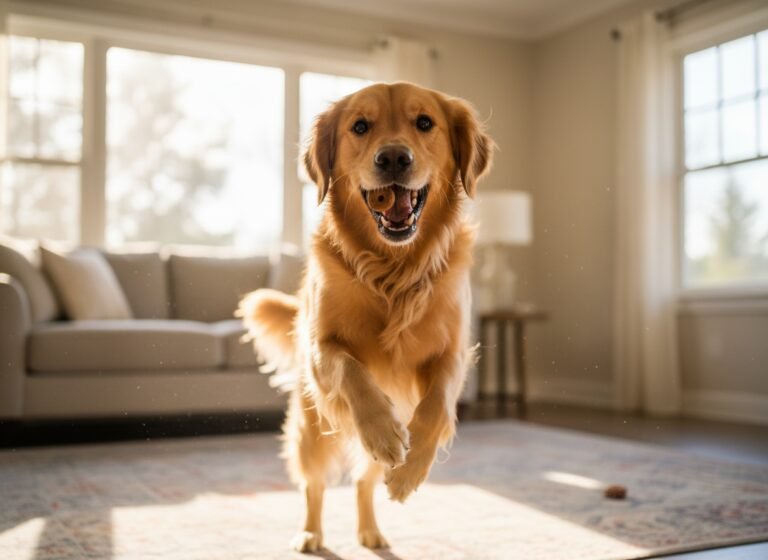
Old Dog, New Tricks? Why It’s Never Too Late to Train a Senior Dog
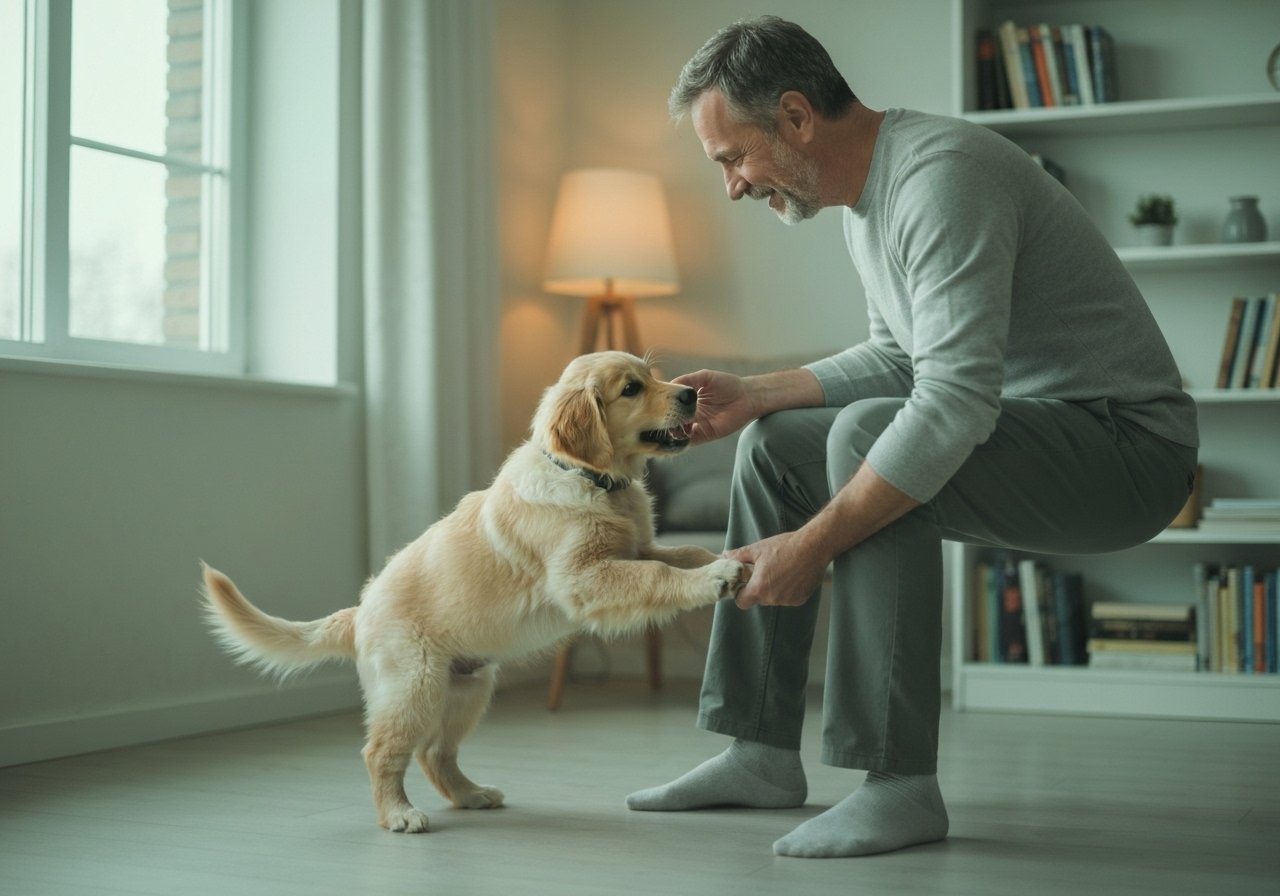
The saying ‘you can’t teach an old dog new tricks’ is one of the most pervasive and inaccurate clichés in the world of animal behavior. As a canine specialist, I can state with absolute confidence that not only is it possible to train a senior dog, but it is also one of the most beneficial activities you can undertake for their cognitive health, emotional well-being, and the strength of your bond. While a senior dog’s learning process may differ from that of a rambunctious puppy, their capacity for understanding and forming new habits remains remarkably intact.
Training provides essential mental stimulation that can help keep a senior dog’s mind sharp, potentially staving off cognitive decline. It builds confidence in a dog that may be feeling more vulnerable due to age-related physical changes. Most importantly, it creates a new, positive language of communication between you and your loyal companion during their golden years. This guide will provide a step-by-step framework for successfully training your senior dog, adapting to their unique needs, and celebrating every small victory along the way.
Adapting to the Senior Learner: Understanding Their Mind and Body
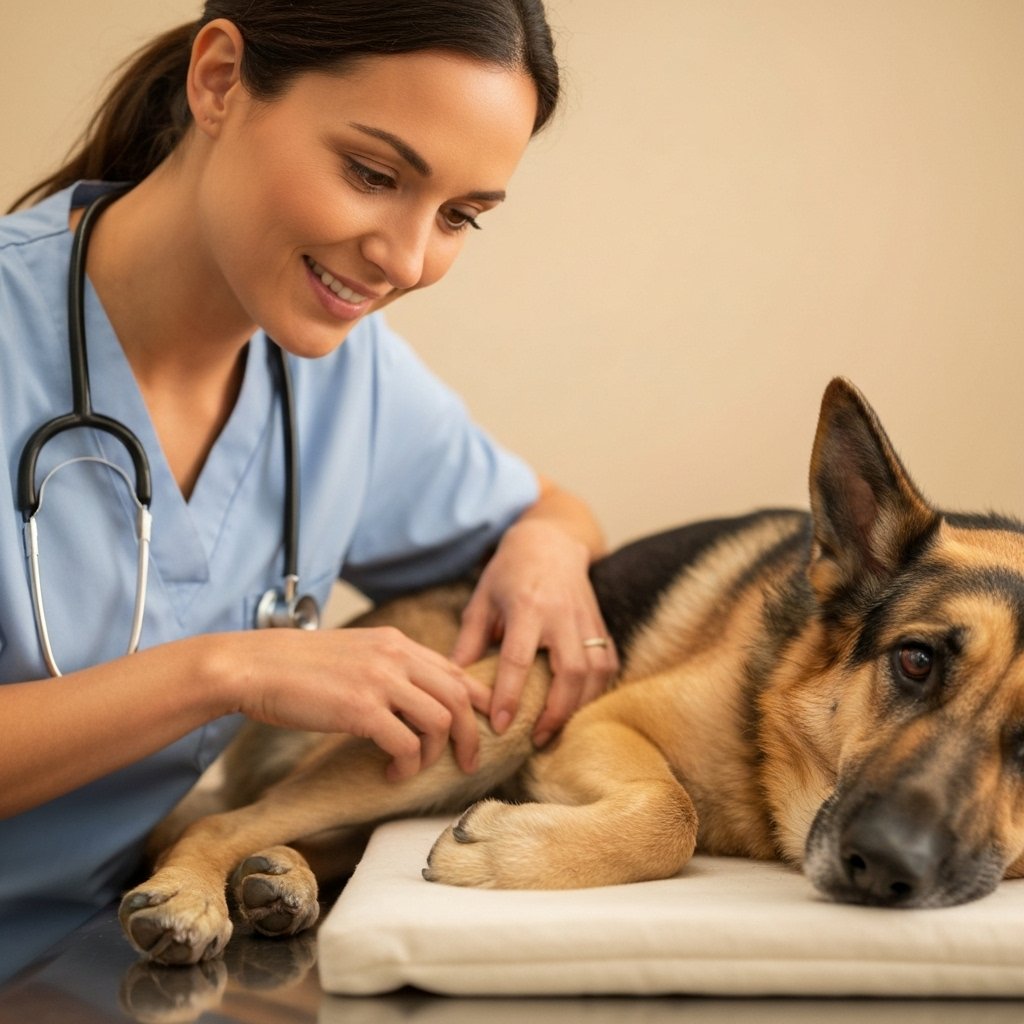
Before embarking on a training journey with your senior dog, it is crucial to adjust your perspective and methods to accommodate their unique physiological and psychological state. Unlike a puppy, who is a blank slate, a senior dog has a lifetime of experiences and established habits. They also may be contending with physical limitations that require a thoughtful, adaptive approach.
The Senior Canine Brain
Cognitively, an older dog’s brain undergoes changes. While they may process information more slowly and have a shorter attention span than they did in their youth, their ability to learn is not diminished. In fact, their life experience can sometimes be an asset; many older dogs have a better ability to focus for short periods than distractible puppies. The key is to break down new skills into smaller, more digestible steps and to be exceptionally patient. Repetition and consistency are your most powerful allies.
Physical Considerations and Limitations
A comprehensive veterinary check-up is the non-negotiable first step before starting any new training regimen. Age-related conditions can significantly impact a dog’s ability and willingness to learn.
- Arthritis and Joint Pain: Common in senior dogs, this can make actions like ‘sit,’ ‘down,’ or ‘stand’ painful. Avoid any training that puts stress on sore joints. Opt for low-impact exercises instead.
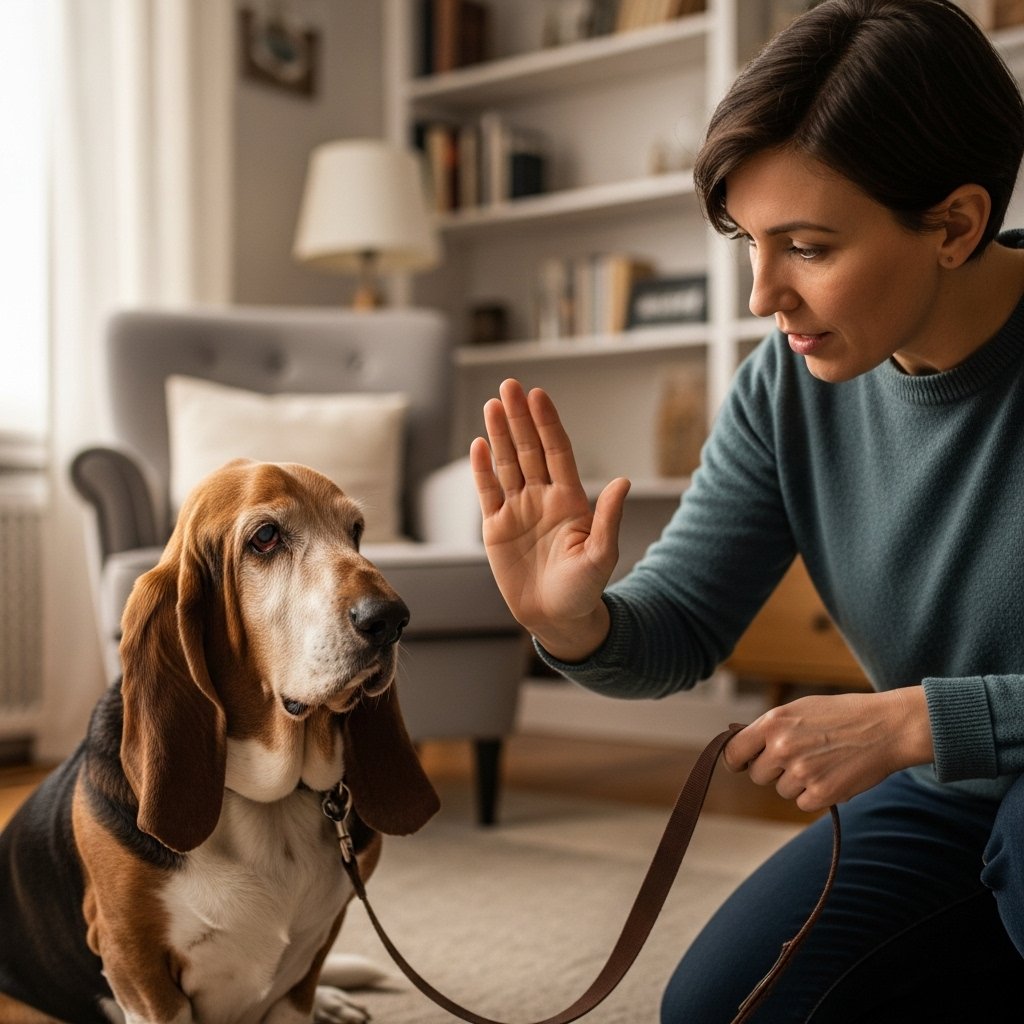
- Hearing Loss: If your dog is hard of hearing, verbal cues will be ineffective. Transition to using clear, distinct hand signals. Always ensure you have their visual attention before giving a cue.
- Vision Impairment: Dogs with failing eyesight may be more easily startled and less confident with their movements. Use verbal cues with a clear, gentle tone and conduct training in a safe, familiar area. Scent-based games are an excellent option for these dogs.
- Decreased Stamina: Senior dogs tire more quickly. Training sessions must be short—think 5 to 10 minutes at most, once or twice a day. Always end the session on a positive note, before your dog shows signs of fatigue or frustration.
Expert Tip: Always ‘listen’ to your dog’s body language. A reluctance to perform a command that was previously known may not be stubbornness, but a sign of pain or discomfort. Consult your veterinarian if you notice any new hesitation or physical difficulty.
Setting Up for Success: The Essential Toolkit for Senior Dog Training
Having the right tools and creating an optimal environment are fundamental to making training a positive and successful experience for your senior dog. Your goal is to maximize comfort, minimize stress, and make learning as enjoyable as possible. The focus should be less on equipment and more on creating a supportive atmosphere.
Core Components of Your Toolkit
- High-Value, Soft Treats: A senior dog’s motivation is often directly tied to the quality of the reward. Use special treats reserved only for training. They must be soft and easy to chew, especially for dogs with dental issues. Small pieces of cooked chicken, cheese, or commercial soft training treats are excellent choices.
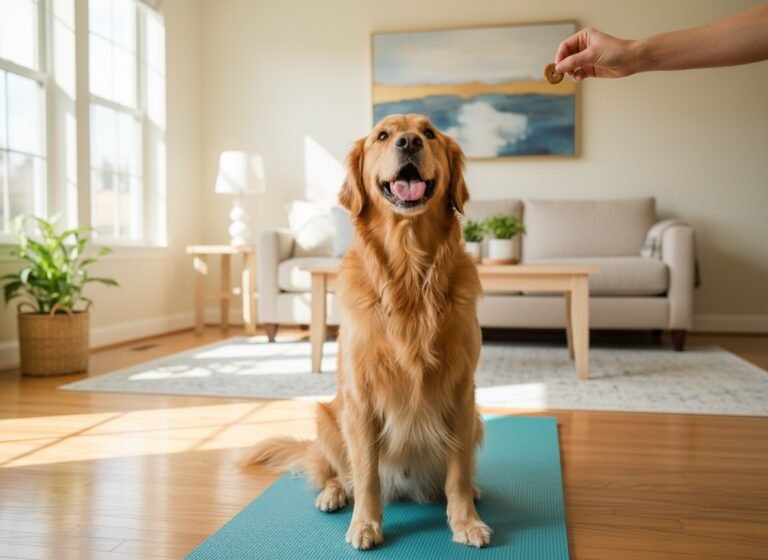
- A Comfortable Training Space: Choose a quiet area of your home with minimal distractions. The flooring is critical; use a non-slip rug or yoga mat to provide secure footing for dogs with joint instability or arthritis. This helps them feel safe and confident when moving.
- Positive Reinforcement Marker: A marker is a signal that communicates to the dog the exact moment they performed the correct action. While a clicker is a popular choice, its sharp sound can be startling for some older dogs. A soft-sounding clicker or a consistent, gentle verbal marker like ‘Yes!’ or ‘Good!’ works just as well.
- Patience and a Positive Attitude: This is the most crucial element. Your dog is highly attuned to your emotional state. If you become frustrated, they will become stressed, and learning will cease. Approach every session with calm, positive energy and celebrate small increments of progress.
| Tool | Importance for Senior Dogs | Example |
|---|---|---|
| Soft, High-Value Treats | Easy on aging teeth and gums; highly motivating for dogs who may have lower energy levels. | Small pieces of boiled chicken, soft commercial training treats, or freeze-dried liver. |
| Non-Slip Surface | Prevents slipping and injury, providing stability for dogs with arthritis or muscle weakness. | A yoga mat, a rubber-backed rug, or interlocking foam tiles. |
| Gentle Marker Signal | Clearly communicates success without startling a sound-sensitive or anxious older dog. | A quiet clicker, a tongue click, or a simple verbal marker like “Yes!”. |
The Pawsitive Method: A Step-by-Step Guide to Teaching a New Command
Training a senior dog relies entirely on positive reinforcement. This method uses rewards to increase the likelihood of a behavior, building a dog’s confidence and strengthening their desire to learn. Never use punishment or harsh corrections, as this will create anxiety and damage your relationship. Here is a universal, step-by-step process for teaching a new, low-impact skill.
-
Step 1: Choose the Right Command
Start with something simple and physically easy. A ‘touch’ (targeting your hand with their nose) is a fantastic starting point. It’s low-impact, builds focus, and can be used later to teach more complex behaviors. Avoid high-impact actions like ‘jump’ or prolonged ‘stays’ that might strain their body.
-
Step 2: Keep Sessions Short and Sweet
A senior dog’s mental and physical endurance is limited. Aim for training sessions that last no more than 5-10 minutes. It is far more effective to have two 5-minute sessions a day than one 30-minute marathon session which will only lead to fatigue and frustration for both of you.
-
Step 3: Lure the Behavior
Luring involves using a treat to guide your dog into the desired position. For a ‘touch,’ hold a treat in your closed fist. Your dog will naturally move toward it to sniff. The moment their nose makes contact with your hand, proceed to the next step.
-
Step 4: Mark and Reward
The instant your dog’s nose touches your hand, use your chosen marker (a soft click or a ‘Yes!’) and immediately open your hand to give them the treat. The timing is critical; the marker pinpoints the exact action that earned them the reward.
-
Step 5: Fade the Lure and Add a Cue
After a few successful repetitions, start presenting your hand without a treat inside (but still have a treat ready in your other hand). When your dog touches your empty hand, mark the moment and reward them from your other hand. Once they are reliably touching your open palm, you can add a verbal cue like ‘Touch’ just before you present your hand.
-
Step 6: Practice and Generalize
Once your dog understands the command in your quiet training space, practice it for very short periods in other rooms of the house. This helps them generalize the skill. Remember to always keep it positive and end on a successful repetition.
Age-Appropriate Academics: Best Skills and Tricks for Senior Dogs
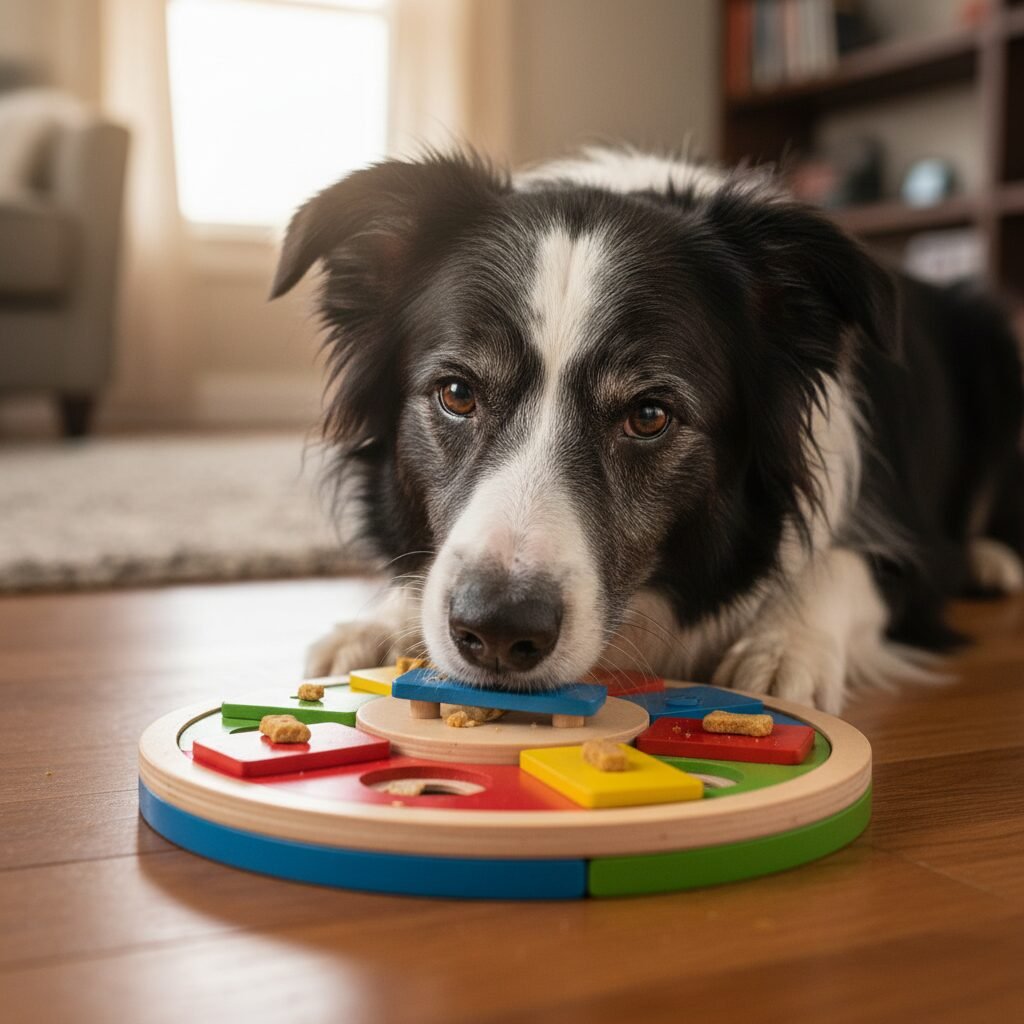
The best activities for senior dogs are those that engage their minds without putting undue stress on their bodies. The goal is enrichment, not athletic performance. Focus on scent work, simple targeting behaviors, and puzzle-solving, which play to a dog’s natural strengths and provide immense mental satisfaction.
These activities not only teach new skills but also serve as excellent forms of low-impact physical and mental exercise, helping to keep your dog’s world interesting and engaging. Below is a table of recommended activities suitable for most senior dogs.
| Trick / Skill | Description of Activity | Primary Benefit for Seniors |
|---|---|---|
| Nose Work / “Find It” | Hide strong-smelling treats around a room or under cups and encourage your dog to use their nose to find them. Start easy and gradually increase the difficulty. | Engages their most powerful sense, is mentally exhausting in a positive way, and requires virtually no physical strain. |
| “Touch” (Targeting) | Teach your dog to touch their nose to your hand, a sticky note, or a target stick. | Builds focus and is a foundation for other behaviors. Can be used to guide the dog onto a scale at the vet or into a car without pulling. |
| Interactive Puzzle Toys | Use toys that require the dog to roll, nudge, or slide pieces to dispense kibble or treats. | Promotes independent problem-solving, alleviates boredom, and can slow down fast eaters. |
| Gentle “Paw Shake” | Teach your dog to offer a paw to be held gently. Lure their paw up with a treat and reward contact with your hand. | Reinforces cooperative handling and strengthens your bond through gentle physical contact. Very low physical demand. |
| “Settle on a Mat” | Reward your dog for going to and lying down calmly on a specific mat or bed. | Teaches a valuable relaxation skill and creates a positive association with a ‘safe spot’. Excellent for managing behavior when guests are over. |
Overcoming Hurdles: Troubleshooting Common Senior Training Challenges
Training a senior dog is a rewarding process, but it’s not without its potential challenges. Understanding these common hurdles and knowing how to address them with compassion and creativity will ensure the experience remains positive for both of you.
Challenge: My Dog Seems Unmotivated or Loses Interest Quickly
Solution: This is often a reward or comfort issue. First, assess your treats. Are they truly ‘high-value’? Kibble might not be enough to entice a senior. Try something more aromatic and delicious. Second, check the environment. Is the floor too slippery? Is there too much background noise? Finally, shorten your sessions even more. A single successful repetition followed by praise is better than five minutes of frustration.
Challenge: My Dog Has Significant Hearing or Vision Loss
Solution: Adaptation is key. For a deaf dog, hand signals must be your primary tool. Ensure they are distinct from one another and always get your dog’s visual attention before signaling. A gentle vibration collar (not a shock collar) or a light stomp on the floor can be used to get their attention from a distance. For a visually impaired dog, rely on clear verbal cues, consistent scent cues (e.g., a drop of vanilla extract on a target), and tactile signals (e.g., a specific gentle touch on their back to signal ‘sit’).
Challenge: My Dog Gets Sore or Stiff After Training
Solution: This is a clear sign to reduce the physical intensity. Immediately stop any exercises that seem to cause discomfort. Consult your veterinarian about joint supplements or pain management options that could improve their quality of life and comfort during activities. Switch entirely to non-physical training like nose work or teaching them to respond to new verbal cues from a comfortable ‘down’ position.
Expert Tip: Never mistake physical inability for behavioral stubbornness. An older dog who suddenly stops responding to a known cue like ‘sit’ is likely communicating physical discomfort. Always rule out pain before addressing a training issue.
Challenge: We’re Not Making Progress
Solution: Redefine what ‘progress’ means. For a senior dog, progress isn’t about perfectly executed commands in record time. It’s about the moments of engagement, the flicker of understanding in their eyes, and the simple joy of working together. Break the desired skill down into even smaller steps. If you’re teaching ‘settle on a mat,’ start by rewarding just for looking at the mat, then for stepping on it with one paw, and so on. Celebrate every tiny step forward.
Conclusion
The journey of training a senior dog is less about achieving perfect obedience and more about enriching their life and deepening your connection. By embracing their limitations, celebrating their intelligence, and communicating with patience and positivity, you can unlock a new chapter in your relationship. The ‘tricks’ you teach are secondary to the time you spend together, the confidence you build in your aging companion, and the mental stimulation you provide. Every successful ‘touch,’ every discovered treat, and every moment of shared focus is a testament to the fact that learning has no age limit. It is never too late to invest in your senior dog’s well-being, and the rewards—for both of you—are immeasurable.