Why Dogs Shake When Not Wet: Decoding The ‘Stress Shake’

Every dog owner recognizes the classic, full-body shake. We typically see it after a bath or a romp in the rain—a vigorous, full-body shimmy designed to fling water from their coat with remarkable efficiency. But what does it mean when you see your dog perform this same action when they are perfectly dry? This behavior, often referred to as a ‘stress shake’ or a ‘shake off,’ is a fascinating and crucial piece of canine body language. It’s far more than a random quirk; it is a physical mechanism dogs use to manage their internal state, shedding tension just as they would shed water.
Understanding this signal is essential for responsible pet ownership. A dry shake can be a sign of momentary stress release, burgeoning anxiety, high excitement, or in some cases, an indicator of underlying medical issues. By learning to interpret the context in which your dog shakes, you can gain profound insight into their emotional and physical well-being. This guide will provide a comprehensive overview of the reasons behind this behavior, differentiating between normal emotional responses and symptoms that warrant a professional veterinary evaluation.
The Spectrum of Shaking: Beyond Water and Cold
The Spectrum of Shaking: Beyond Water and Cold
Before diagnosing the cause of your dog’s shaking, it’s critical to understand that not all shakes are created equal. The term ‘shaking’ can describe a range of distinct physical actions, each with different implications. Distinguishing between them is the first step in decoding your dog’s message.
The ‘Shake Off’
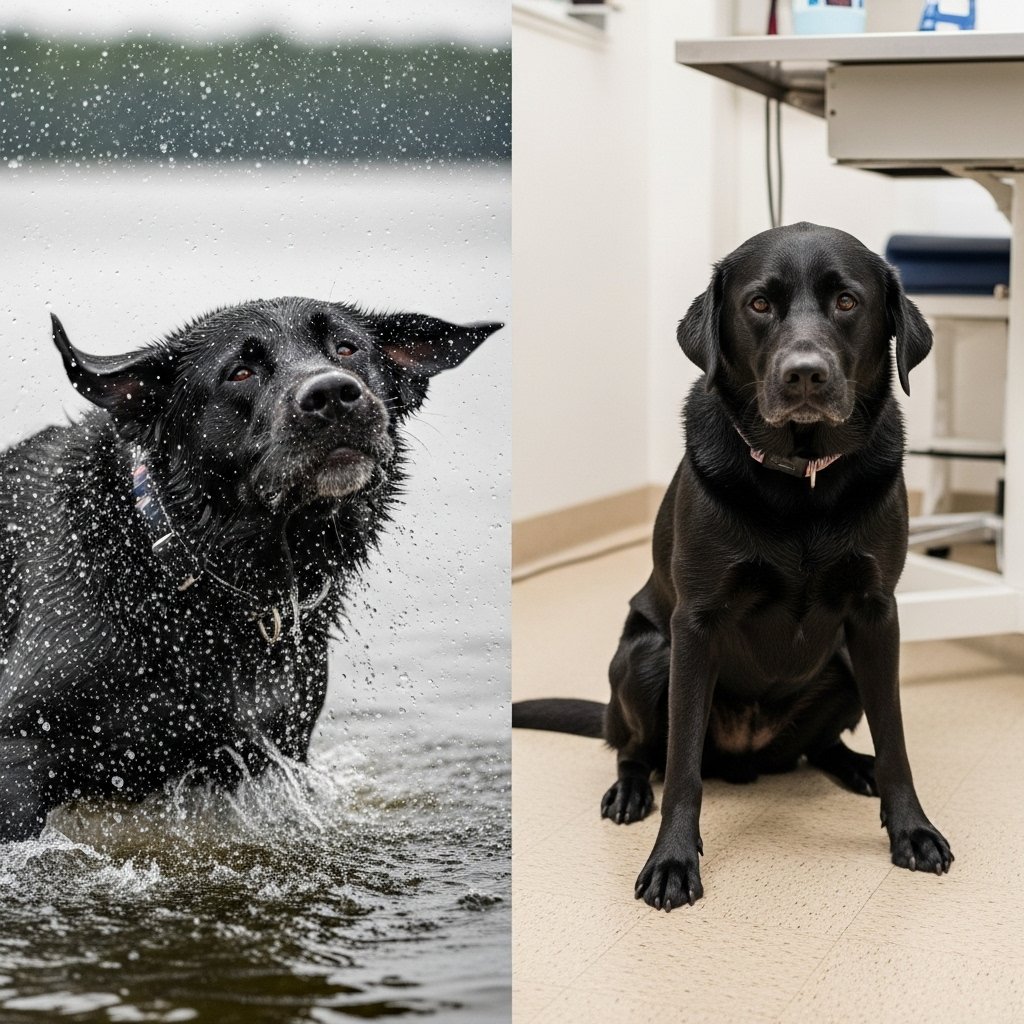
This is the classic, full-body rotational shake that starts at the head and ripples down to the tail. While its most obvious function is to remove water or debris from the coat, its role in managing stress is equally important. Physiologically, this action is believed to reset the nervous system. After a tense or highly arousing event—such as a near-miss with another dog on a walk, a startlingly loud noise, or even the conclusion of an intense play session—a dog may perform a full ‘shake off.’ It serves as a physical punctuation mark, allowing the dog to release built-up cortisol and adrenaline and return to a state of calm. Think of it as your dog’s way of saying, ‘Whew, that’s over. Time to move on.’
Tremors and Shivering
Tremors and shivering are different from a ‘shake off.’ These are characterized by continuous, fine, or coarse muscle oscillations rather than a single, powerful action. The most common causes are benign:
- Cold: Just like humans, dogs shiver to generate body heat when they are cold. Small breeds, dogs with short coats, and lean dogs are more susceptible.
- Excitement: Intense anticipation—like waiting for a treat or the moment you pick up the leash for a walk—can cause a dog to tremble with excitement. This is a normal way of managing high levels of positive arousal.
- Old Age: Some senior dogs develop mild tremors in their legs, particularly when standing. While often a normal part of aging, it should always be monitored and discussed with a veterinarian to rule out pain or neurological issues.
Seizures vs. Shaking
This is a primary concern for many pet owners. While some seizures can look like intense shaking, there are key differences. During a typical seizure, a dog is often unresponsive or has an altered mental state. They may fall to their side, paddle their legs, drool excessively, or lose bladder or bowel control. In contrast, a dog that is shaking or trembling due to stress, cold, or excitement is typically awake, alert, and responsive to your voice and touch. However, some focal seizures can involve trembling in just one part of the body, making differentiation difficult.
If you are ever in doubt, and especially if your dog is unresponsive during an episode, it is critical to seek immediate veterinary attention. Taking a video of the event can be invaluable for an accurate diagnosis.
Emotional and Behavioral Triggers for Shaking

Emotional and Behavioral Triggers for Shaking
The most common reason for a dry ‘shake off’ is to regulate emotion and arousal. Dogs use this physical release to cope with a wide range of feelings, from negative stress to overwhelming joy. Identifying the environmental trigger is key to understanding the cause.
Stress and Anxiety
This is the cornerstone of the ‘stress shake.’ Dogs perform a ‘shake off’ to dissipate the nervous energy that accumulates during a stressful encounter. It’s a self-soothing mechanism. Common triggers for stress-related shaking include:
- Veterinary Visits: The combination of unfamiliar smells, sounds, other anxious animals, and handling can be highly stressful. Many dogs will shake in the waiting room, on the exam table, or after the appointment is over.
- Car Rides: For some dogs, car travel is associated with anxiety or motion sickness, leading to trembling or periodic ‘shake offs.’
- Loud Noises: Thunderstorms, fireworks, and construction noise are classic anxiety inducers that can cause a dog to shake.
- Social Encounters: Tense interactions with unfamiliar dogs or people can lead to a ‘shake off’ once the encounter has ended and the dog feels safe.
Excitement and Anticipation
High levels of positive arousal can manifest in the same way as stress. The physiological response—a rush of adrenaline—is similar. Your dog isn’t anxious; they are simply overflowing with an emotion they need to physically manage. You’ll often see shaking or trembling when:
- You return home: The joyous reunion after a day apart can be overwhelming.
- Preparing for a walk: The sight of the leash or the sound of you putting on your shoes can trigger intense, happy anticipation.
- Playtime: During or after a particularly exciting game of fetch or tug-of-war, a dog might shake to recalibrate.
Fear
Fear is a more acute and intense emotion than general anxiety. A dog that is truly frightened may tremble uncontrollably. This is part of the ‘fight, flight, or freeze’ response. The trembling is an involuntary muscle reaction to a surge of adrenaline preparing the body for action. The dog’s body language will support this, often including a tucked tail, flattened ears, wide eyes, and a crouched posture.
Pain as a Trigger
It is critically important to recognize that shaking and trembling are also common signs of pain. A dog suffering from an injury, arthritis, or internal discomfort may shake because of the physical distress. This type of shaking is often persistent and may be accompanied by other signs like lethargy, limping, whimpering, or a reluctance to be touched. If shaking is a new behavior and is not clearly linked to an exciting or stressful event, pain should be considered a primary possibility.
Medical Conditions That Can Cause Shaking

Medical Conditions That Can Cause Shaking
While many causes of shaking are behavioral, it is imperative to rule out underlying medical conditions, especially if the behavior is new, persistent, or accompanied by other symptoms. Numerous health issues can manifest as tremors or shaking.
Generalized Tremor Syndrome (GTS)
Often called ‘white shaker dog syndrome’ because it was first identified in small, white breeds like the Maltese and West Highland White Terrier, GTS can actually affect dogs of any breed, size, or color. It is an inflammatory condition of the central nervous system that causes full-body tremors. These tremors can be mild or severe enough to interfere with the dog’s ability to walk. The condition typically appears in young to middle-aged dogs and is treatable with corticosteroids.
Poisoning and Toxicity
Ingestion of a toxic substance is a common cause of sudden-onset tremors and seizures. If your dog begins shaking uncontrollably, consider if they could have accessed any potential toxins. Common culprits include:
- Xylitol: An artificial sweetener found in sugar-free gum, candy, and some peanut butters. It is extremely toxic to dogs.
- Chocolate: The afromine in chocolate is a stimulant that can cause severe tremors and seizures.
- Pesticides and Insecticides: Snail bait and certain types of rat poison can cause neurological symptoms.
- Human Medications: Many common over-the-counter and prescription drugs are dangerous for dogs.
If you suspect your dog has ingested a toxin, this is a medical emergency. Contact your veterinarian or the ASPCA Animal Poison Control Center immediately.
Systemic and Metabolic Diseases
A variety of internal health problems can lead to shaking:
| Condition | Description | Commonly Affected Breeds |
|---|---|---|
| Hypoglycemia (Low Blood Sugar) | A sharp drop in blood glucose levels can cause weakness, disorientation, and tremors. | Toy breeds, puppies, and diabetic dogs on insulin. |
| Addison’s Disease | Also known as hypoadrenocorticism, this occurs when the adrenal glands don’t produce enough hormones, leading to various symptoms including shaking. | Standard Poodles, Portuguese Water Dogs, and mixed breeds. |
| Kidney Disease | As kidney function declines, toxins build up in the bloodstream, which can lead to muscle tremors. | More common in senior dogs of all breeds. |
| Canine Distemper | A serious and contagious viral illness that attacks the respiratory, gastrointestinal, and nervous systems. Muscle twitching and tremors are classic neurological signs. | Primarily affects puppies and unvaccinated dogs. |
Neurological Disorders
Conditions that directly affect the brain or nerves can also be a cause. This can include inflammatory brain diseases, brain tumors, or damage to the cerebellum, the part of the brain that coordinates movement. These conditions are typically diagnosed through advanced imaging like an MRI and require specialized veterinary care.
How to Respond: Management and When to See a Veterinarian

How to Respond: Management and When to See a Veterinarian
Your response to your dog’s shaking should be dictated by the context and accompanying symptoms. A measured approach involving observation, management, and timely professional consultation is most effective.
Step 1: Observe and Document
When you notice your dog shaking, become a detective. Avoid immediately rushing to comfort them, as this can sometimes reinforce anxiety-based behavior. Instead, take a mental or written note of the circumstances:
- What is the context? Is it thundering outside? Did you just finish an intense play session? Is a stranger at the door?
- What does the rest of their body language say? Are their ears back and tail tucked (fear), or is their body loose and their tail wagging (excitement)?
- Are there other symptoms? Note any lethargy, vomiting, diarrhea, loss of appetite, limping, or disorientation.
- How long does it last? Is it a brief ‘shake off’ or a sustained period of trembling?
Keeping a log can reveal patterns that are incredibly helpful for you and your veterinarian.
Step 2: Environmental Management for Behavioral Shaking
If you’ve determined the shaking is tied to stress or excitement, you can take steps to manage your dog’s emotional state. For anxiety, focus on creating a sense of security. This can involve providing a ‘safe space’ like a crate with a comfy blanket, using calming pheromone diffusers, or playing calming music. For predictable stressors like fireworks, work on desensitization and counter-conditioning protocols well in advance. For excitement-based shaking, work on teaching calm behaviors, such as asking for a ‘sit’ before throwing a ball or putting on the leash.
Step 3: Knowing When to Call the Veterinarian
While behavioral shaking is common, it’s always better to err on the side of caution. Certain signs indicate the need for professional medical advice.
Call your veterinarian immediately or go to an emergency clinic if:
- You suspect poisoning.
- The shaking is violent, and the dog is unresponsive (potential seizure).
- The dog collapses or cannot stand.
- Shaking is accompanied by profuse vomiting, diarrhea, or difficulty breathing.
- The dog is in obvious and severe pain.
Schedule a non-emergency veterinary appointment if:
- The shaking is a new behavior with no obvious cause.
- The shaking has become more frequent or intense over time.
- It interferes with your dog’s ability to eat, sleep, or walk.
- It is accompanied by other subtle but persistent changes, such as increased water intake, changes in appetite, or low energy.
Conclusion
A dog’s shake is a complex and nuanced signal. While it can be a simple, healthy way to release the tension of a stressful moment or the energy of a happy one, it can also be a silent plea for help. By learning to read the situation, observe accompanying body language, and recognize when a shake is more than just a shake, you deepen the bond with your companion. You transition from being just an owner to being a true guardian of their well-being. Never hesitate to trust your intuition. If your dog’s shaking concerns you, a consultation with your veterinarian is the most responsible and loving course of action to ensure their health and happiness for years to come.