How to Start Dock Diving: A Beginner’s Guide to Canine Aquatics
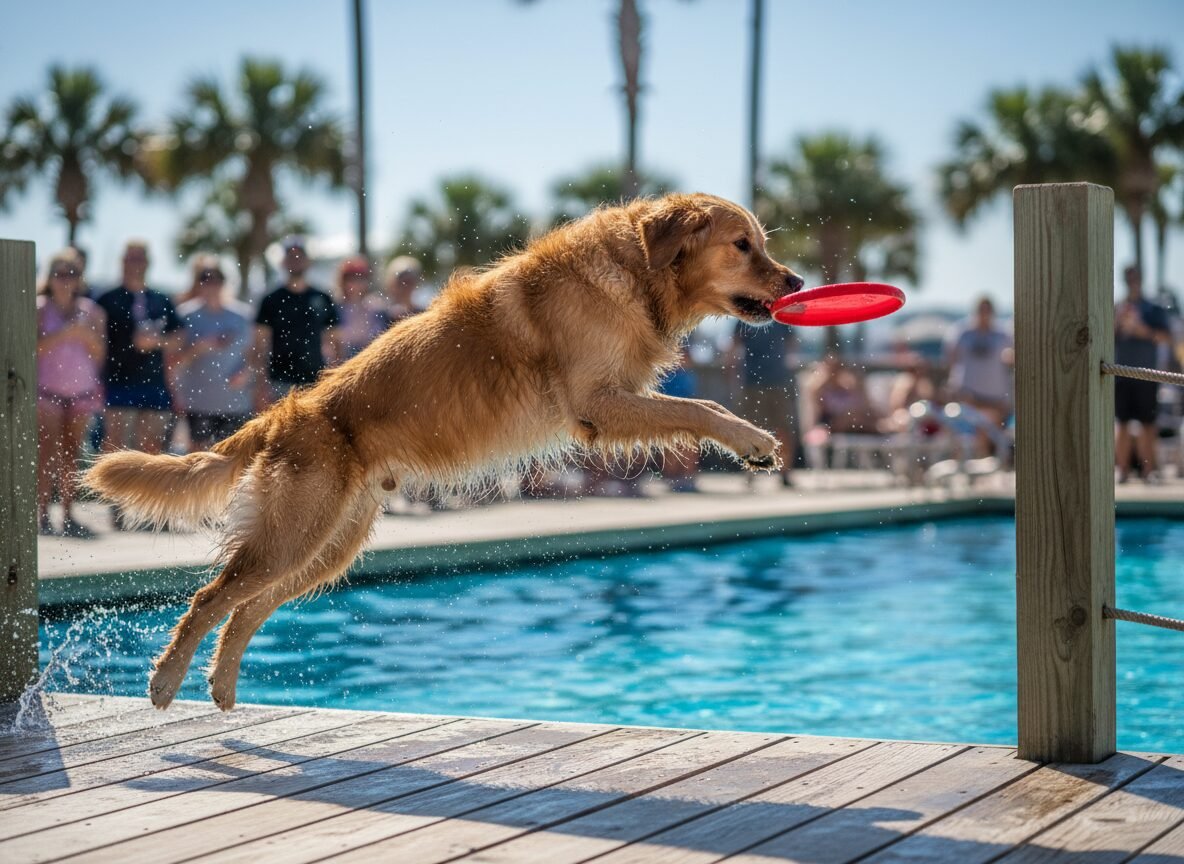
For dogs that view any body of water as a personal invitation, the sport of dock diving offers a thrilling and structured outlet for their aquatic enthusiasm. This exciting canine sport, also known as dock jumping, combines the simple joys of fetching and swimming into a competitive event that showcases a dog’s athletic prowess. It’s more than just a big splash; it’s a fantastic way to build confidence, strengthen your bond, and provide incredible physical and mental stimulation for your canine partner. This guide is designed for the novice owner and dog, providing a clear, step-by-step pathway from poolside hesitation to confident, soaring leaps. We will cover everything from the foundational principles and essential gear to advanced techniques and safety protocols, ensuring you and your dog embark on this aquatic adventure safely and successfully.
Understanding the Fundamentals of Dock Diving
What is Dock Diving?
At its core, dock diving is a performance sport where dogs run the length of a dock and leap as far as possible into a body of water, typically a large pool or a lake. The objective is to catch or retrieve a toy thrown just as they jump. While it seems straightforward, the sport is organized into several distinct disciplines, each testing a different aspect of a dog’s ability.
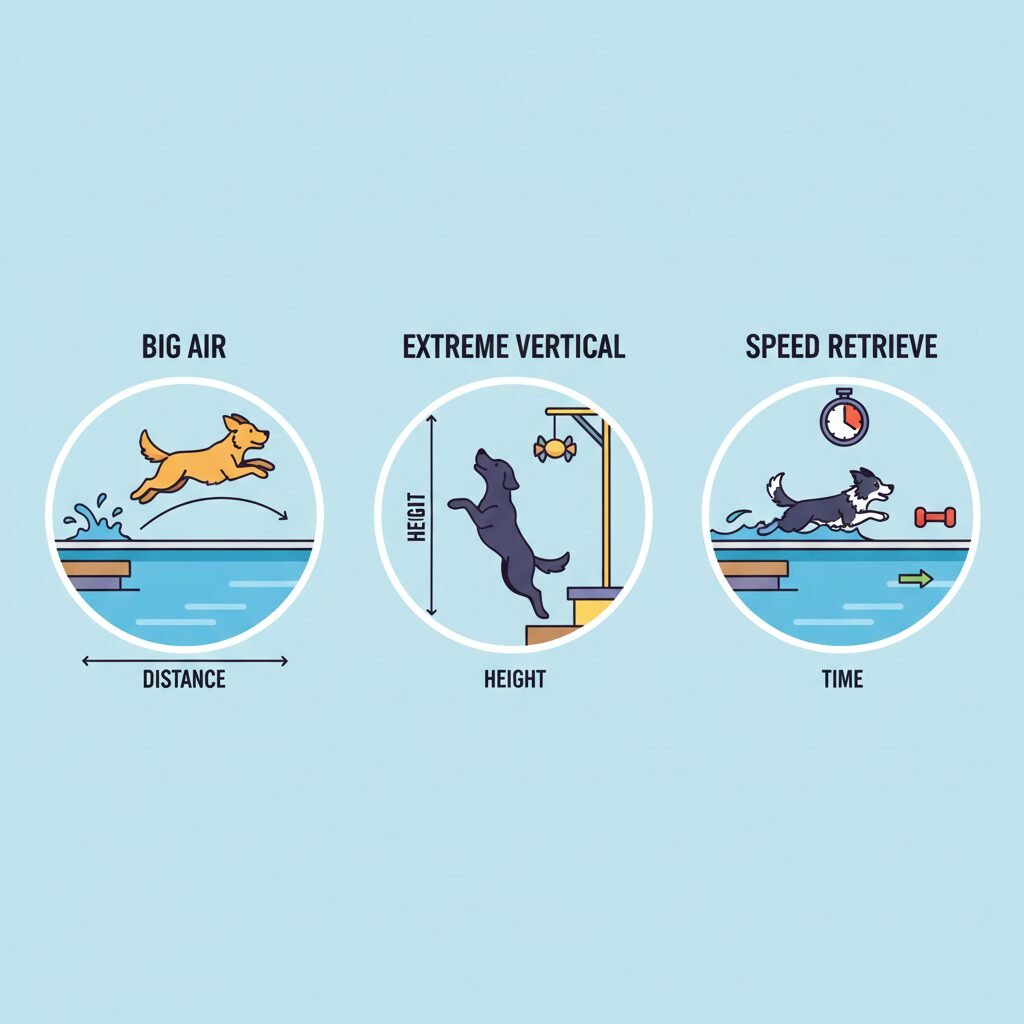
The Primary Disciplines
- Big Air®: This is the most popular and recognized form of dock diving. It is essentially a canine long jump. The dog runs and jumps from the dock, and the distance is measured from the edge of the dock to the point where the base of the dog’s tail breaks the water’s surface.
- Extreme Vertical®: This is the high jump of the canine world. A bumper toy is suspended over the water, starting at a specific height. The dog must run, jump, and successfully grab or knock down the bumper to advance. The height is progressively increased in subsequent rounds.
- Speed Retrieve®: This discipline is a timed event that tests a dog’s speed and swimming ability. The dog starts at a designated point on the dock, and on command, runs, jumps into the water, and swims to the end of the pool to retrieve a bumper held by a rig. The clock stops once the dog has successfully grabbed the toy.
Is Your Dog a Good Candidate?
While certain breeds like Labradors, Golden Retrievers, and Belgian Malinois are often seen excelling, any water-loving, toy-motivated dog can participate. The key attributes of a potential dock diver are not breed-specific but trait-specific:
- Strong Water Affinity: The dog must genuinely love the water and be a confident swimmer. You cannot force a dog that is afraid of water to enjoy this sport.
- High Toy or Prey Drive: The entire sport is motivated by the chase for a toy. A dog that is obsessed with fetching a specific toy will be much easier to train.
- Good Physical Health: Dock diving is a high-impact activity. Dogs should be in excellent physical condition, free from joint issues like hip or elbow dysplasia, and have good cardiovascular health. A veterinary check-up is a mandatory first step before beginning training.
- Basic Obedience: A reliable ‘sit,’ ‘stay,’ and ‘come’ are crucial for control and safety around the pool and on the dock.
Essential Gear and Pre-Training Preparation
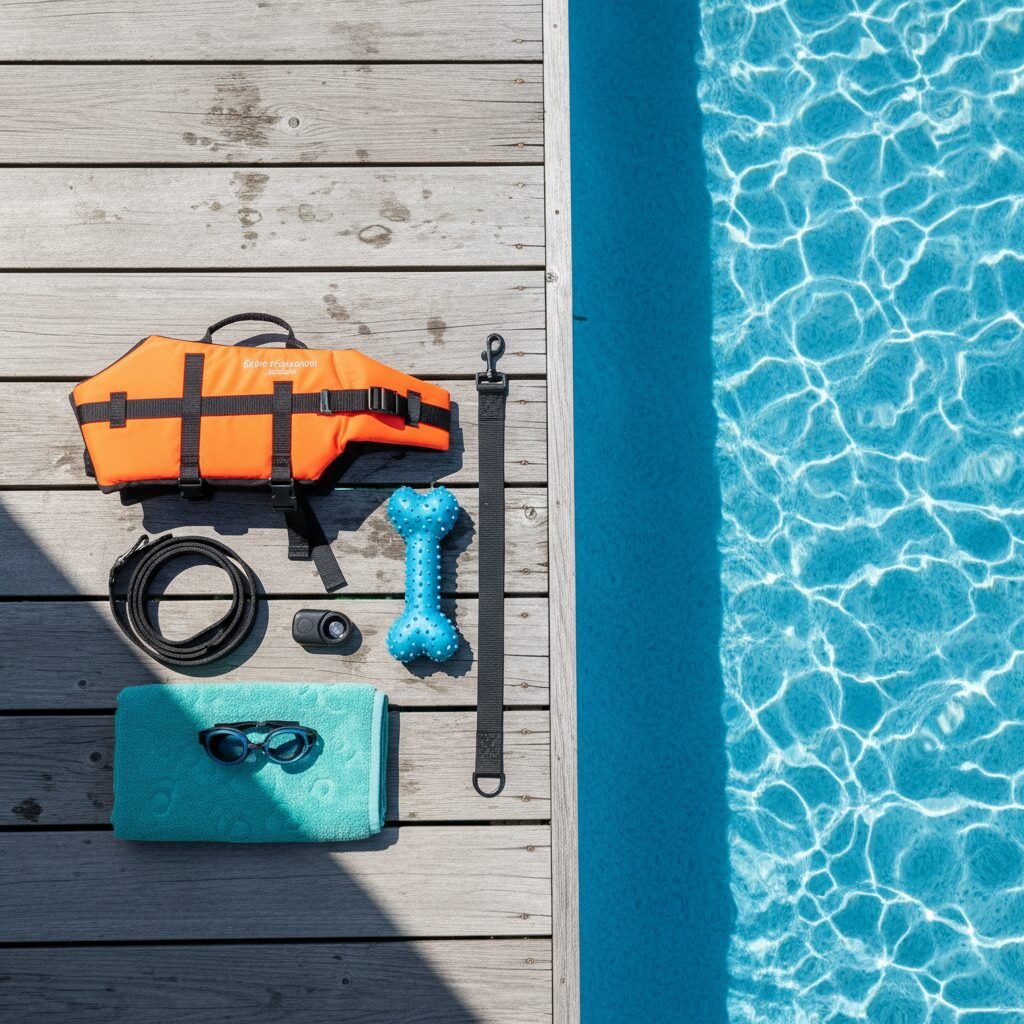
Before you even approach the dock, proper preparation and equipment are paramount for safety and success. Setting up a solid foundation ensures that the training process is smooth and positive for your dog.
Gathering Your Dock Diving Toolkit
You don’t need an extensive list of expensive equipment to start, but a few key items are non-negotiable.
| Item | Purpose | Key Features to Look For |
|---|---|---|
| Floating Toy | The primary motivator for the jump. | Highly visible (bright colors), floats well, easy for the dog to grab in the water, and durable. Avoid tennis balls as they can absorb too much water. |
| Canine Life Vest | A critical safety item, even for strong swimmers. | A bright color for visibility, a secure handle on the back for easy guidance and retrieval, and a snug, comfortable fit that doesn’t impede movement. |
| Non-Slip Leash and Collar/Harness | For control on and around the dock. | Waterproof or quick-drying material. A harness can provide better control without putting pressure on the dog’s neck. |
| High-Value Treats | For rewarding positive behavior and building associations. | Small, palatable treats that can be given quickly. |
| Towels | For drying off your dog (and yourself). | Microfiber towels are highly absorbent and dry quickly. |
Pre-Training Health and Conditioning
Just as with any human athlete, a canine athlete needs to be properly conditioned to prevent injury.
- Veterinary Clearance: Schedule a visit with your veterinarian to confirm your dog is physically sound for high-impact sports. Discuss their joint health, heart condition, and overall fitness.
- Strengthening a Strong Swim: Even if your dog knows how to swim, practice swimming in a safe environment. This builds stamina and reinforces their comfort in the water. Focus on making it fun with short games of fetch in the shallows.
- Building Core Strength: Activities on land can significantly improve performance and reduce injury risk. Exercises like sit-to-stand repetitions, walking on uneven surfaces, and using canine conditioning equipment (balance discs) can build crucial core and hind-end strength.
A Step-by-Step Guide to Training Your Dog
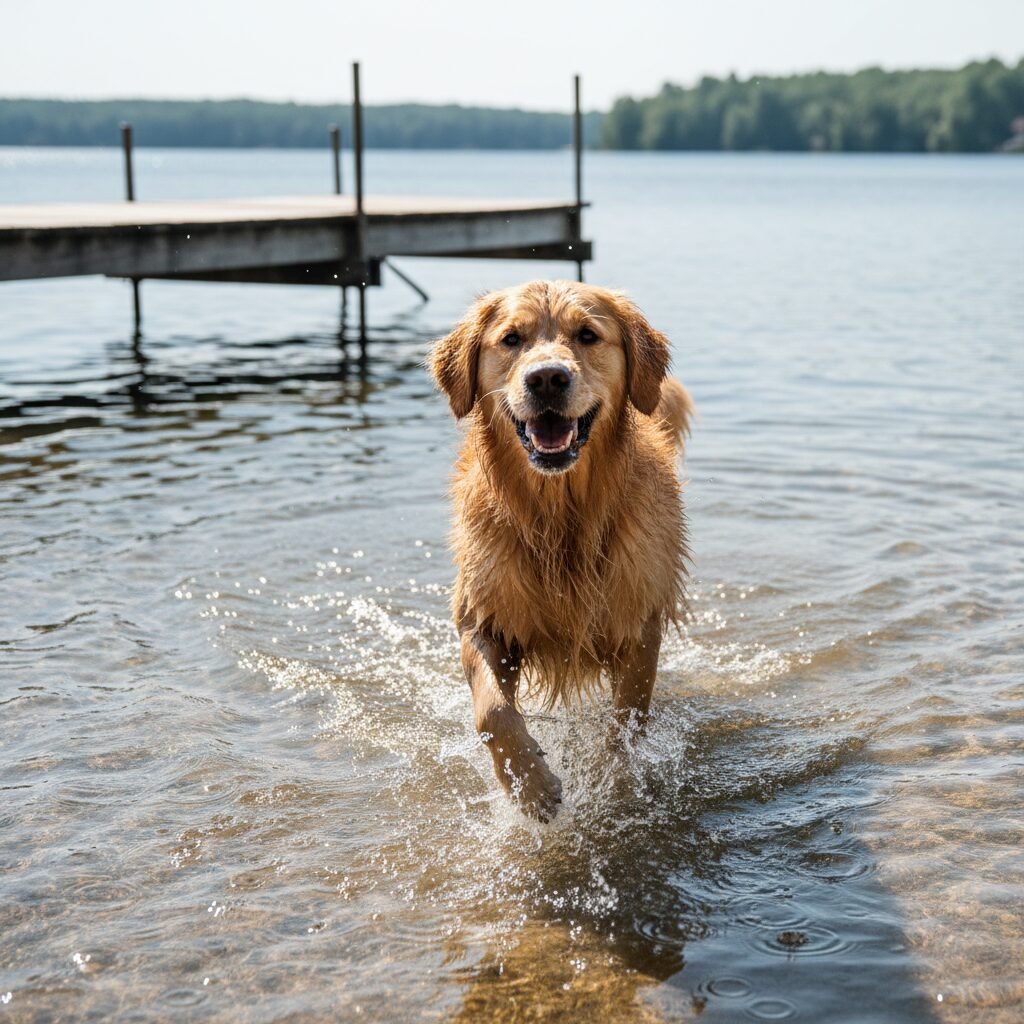
Training for dock diving is a gradual process built on positive reinforcement. The goal is to build your dog’s confidence layer by layer, ensuring each step is a fun and rewarding experience. Never push a nervous or hesitant dog.
Step 1: Solidify Water Confidence and Toy Drive
Before introducing the dock, ensure your dog is completely comfortable in the water. Start in a shallow area where they can touch the bottom. Toss their favorite floating toy short distances and praise them enthusiastically for retrieving it. The goal is to create an unshakable positive association between the water, their toy, and fun with you.
Step 2: Introduce the Dock and Ramp
Most dock diving facilities have a ramp for easy entry and exit from the pool. Let your dog explore the dock and ramp on their own terms. Walk them up and down the ramp, rewarding them with treats and praise. The dock should be a neutral or positive place before you ever ask for a jump.
Step 3: The ‘Chase’ Method from the Ramp
This is the foundational technique for teaching the jump. Stand on the ramp with your dog, just at the water’s edge. Hold their collar and build excitement for the toy. Toss the toy a very short distance into the water (just a few feet). As the toy leaves your hand, release your dog’s collar and use a release cue like ‘Go!’ or ‘Get it!’. Their momentum and desire for the toy should carry them off the ramp and into the water. Celebrate wildly when they retrieve it.
Expert Tip: Keep initial sessions very short (5-10 minutes) to maintain high excitement and prevent mental or physical fatigue. Always end on a successful, positive repetition.
Step 4: Gradually Moving Up the Dock
Once your dog is confidently and eagerly ‘chasing’ the toy from the end of the ramp, you can begin moving back. Start just one or two feet up the dock from the ramp. Repeat the ‘chase’ method. Hold your dog, build excitement, and toss the toy as you release them. As they become more confident, you can slowly increase the starting distance up the dock. This process could take several sessions or several weeks, depending on the dog.
Step 5: Refining the Throw and the Jump
The timing and placement of your throw are critical. You want the toy to be at the peak of its arc as your dog reaches the end of the dock. This encourages an upward and outward jump. If you throw too early, the dog may hesitate. If you throw too late, they may not see it in time. Practice your timing. The goal is to create a seamless motion where the dog’s launch coincides with the pursuit of the toy.
Finding Facilities and Joining the Community
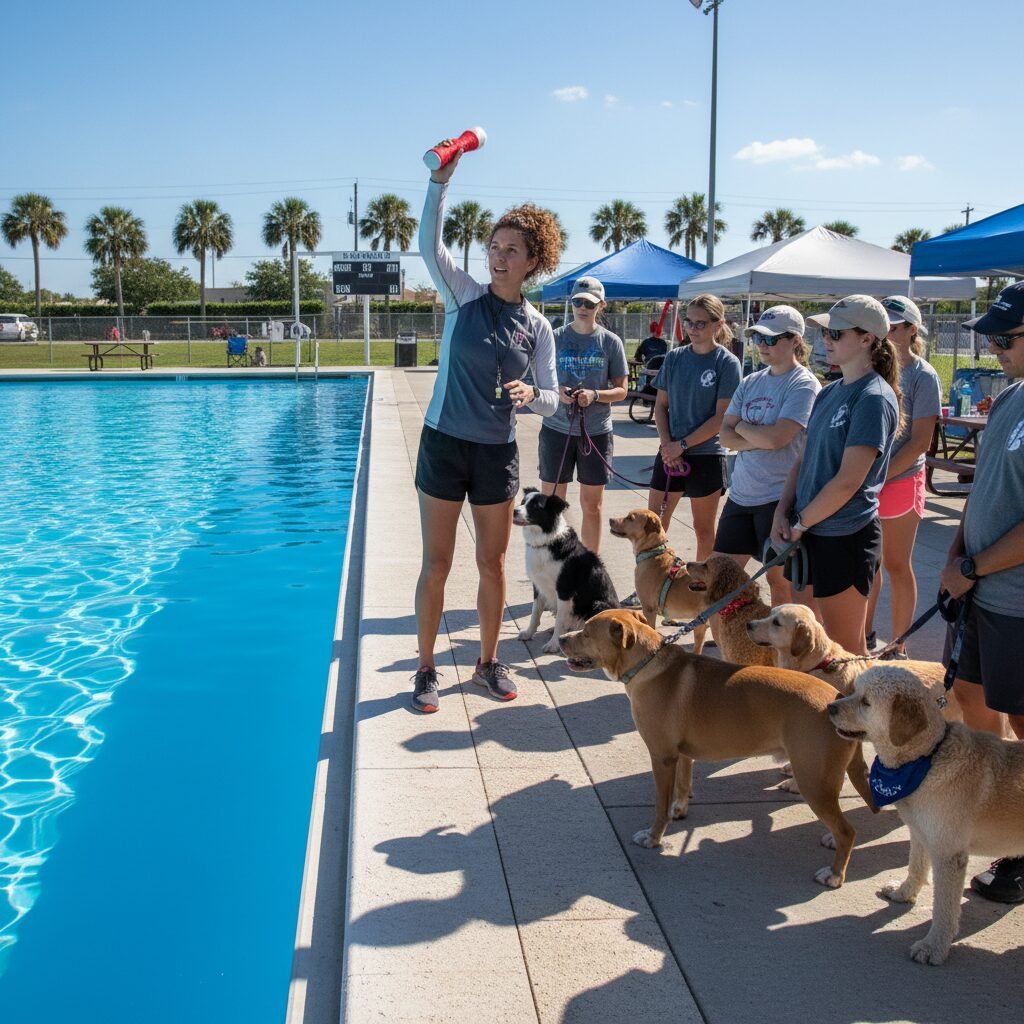
Locating a Dock Diving Pool
You don’t need a regulation-sized pool in your backyard to get started. Many professional facilities offer pool rentals, introductory classes, and practice sessions. A great place to start is by searching for organizations that sanction dock diving events. The websites for North America Diving Dogs (NADD), DockDogs, and Splash Dogs have event calendars and club locators that can help you find a facility near you.
The Benefits of Professional Instruction
While this guide provides a solid framework, nothing can replace hands-on instruction from an experienced coach. A good instructor can:
- Assess Your Dog: They can quickly identify your dog’s strengths and weaknesses and tailor a training plan accordingly.
- Perfect Your Throw: An instructor can provide immediate feedback on your throwing technique, which is one of the most difficult parts for new handlers to master.
- Ensure Safety: They can spot signs of stress or fatigue in your dog that you might miss and ensure you are using the equipment and facility safely.
- Troubleshoot Problems: If your dog is hesitant, losing interest, or developing bad habits, a coach can provide proven solutions to get you back on track.
Entering Your First Event
Once you and your dog are confident and consistent, you might consider entering a local event. These events are incredibly welcoming to newcomers. Don’t worry about the distance of your dog’s first jumps. The goal of your first competition should be to have a positive experience, celebrate your dog’s effort, and learn the process. The dock diving community is known for being supportive and friendly, and you’ll find a wealth of knowledge and encouragement from fellow competitors.
Safety Protocols and Common Mistakes to Avoid
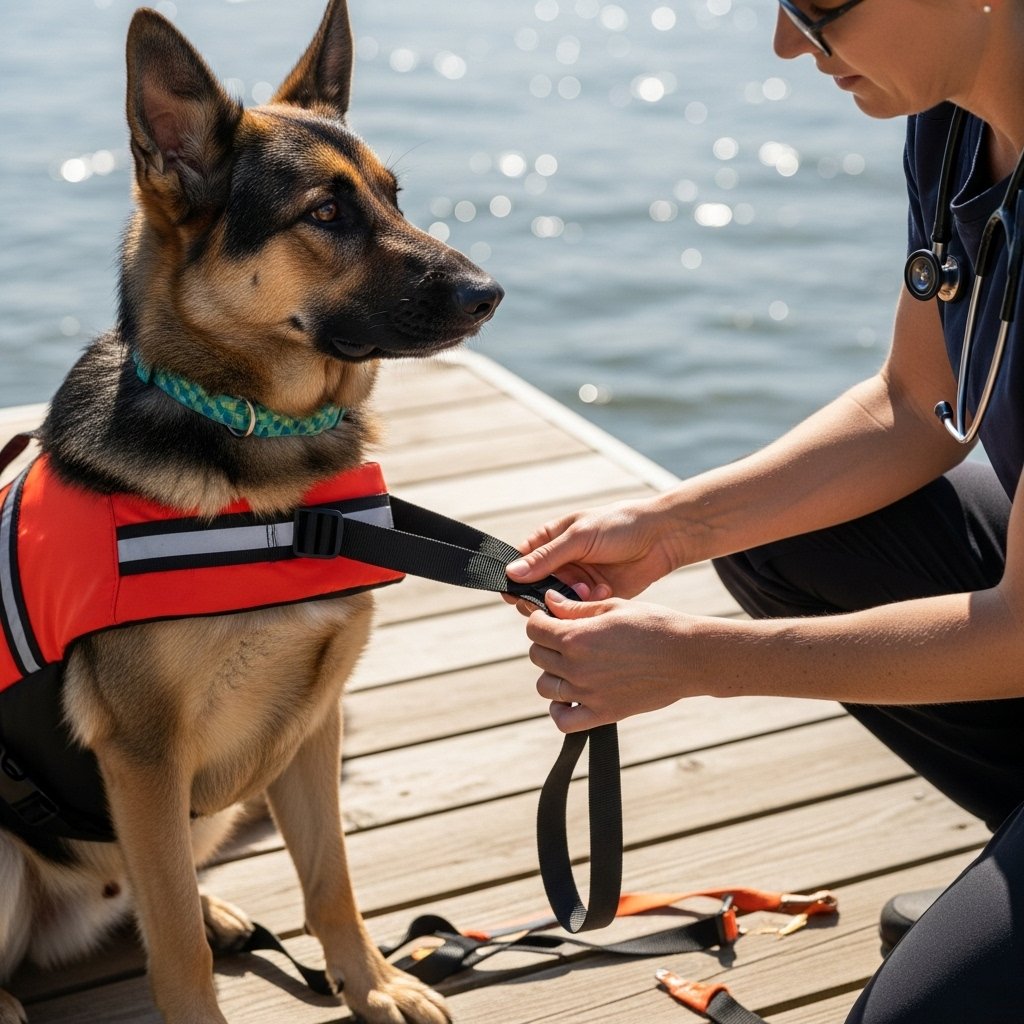
Safety must always be the top priority in any canine sport. Understanding the risks and adhering to best practices will ensure that dock diving remains a fun and positive activity for years to come.
Critical Safety Rules
- Always Know the Exit: Before your dog ever jumps in, make sure they know how to get out. Guide them to the ramp or exit point several times so they can exit the pool calmly and efficiently.
- Use a Life Vest: Even the strongest swimmers can get tired or disoriented. A life vest provides buoyancy and a handle for you to guide them if needed.
- Monitor for Fatigue: Repetitive jumping and swimming is strenuous. Watch for signs of exhaustion, such as slower swimming, less enthusiastic retrieves, or excessive panting. Keep sessions short and provide plenty of rest.
- Avoid the ‘Plopping’ Throw: Do not simply drop the toy over the edge of the dock. This can encourage the dog to jump straight down, which puts immense stress on their back and joints upon landing. Always throw the toy out and away from the dock to encourage a healthier, forward arc.
- Check Water and Air Temperature: Be mindful of extreme temperatures. On very hot days, ensure there is shade and fresh drinking water available. In colder weather, be aware of the risk of hypothermia.
Common Beginner Mistakes
Avoiding these common pitfalls will accelerate your progress and keep the training process positive.
| Mistake | Why It’s a Problem | Solution |
|---|---|---|
| Pushing a Hesitant Dog | This creates a negative association with the dock and water, leading to fear and refusal. | Go back a step in your training. Rebuild confidence from the ramp with high-value rewards and zero pressure. Keep sessions short and fun. |
| Inconsistent Cues | Using different words or gestures can confuse the dog and make them unsure of what is being asked. | Choose one release cue (e.g., ‘Go!’) and one throwing motion and stick with them. Everyone who handles the dog should use the same cues. |
| Letting the Dog ‘Bait’ the Toy | Allowing the dog to lunge or bark at the toy before you throw teaches them to be impulsive rather than focused and steady. | Insist on a calm ‘stay’ or ‘sit’ while you prepare for the throw. The throw is the reward for their calm wait. |
| Focusing Only on Distance | Becoming obsessed with measurement too early can lead to frustration for both you and your dog. | In the beginning, focus on the joy of the game. Celebrate every jump, no matter how short. Confidence and enthusiasm are the foundations for distance. |
Conclusion
Embarking on the dock diving journey is a commitment to learning, patience, and celebrating the unique athletic abilities of your dog. It’s a sport that offers immense rewards beyond ribbons and titles, strengthening the communication and trust between you and your canine partner. By following a structured, positive training plan, prioritizing safety, and engaging with the supportive dock diving community, you can unlock a new level of fun and partnership. Remember that every great champion started with a single, small splash. The most important thing is to enjoy the process, cherish the progress, and have a fantastic time making waves with your best friend.