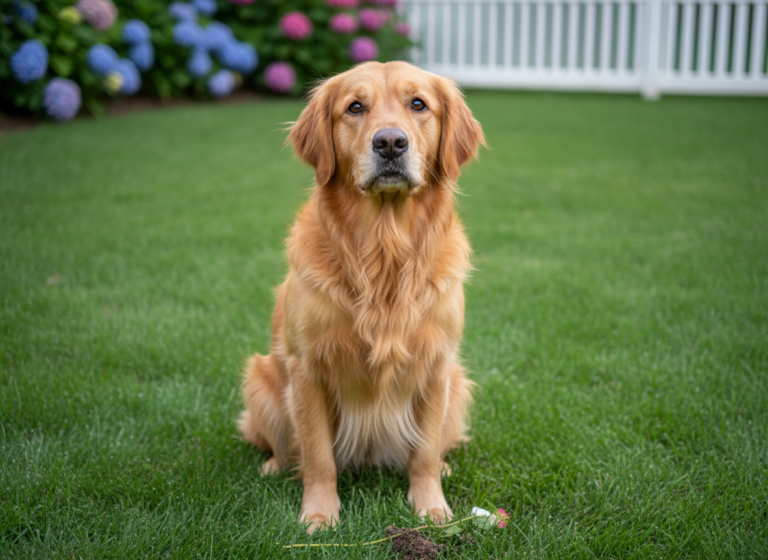
7 Weird Reasons Your Dog Kicks Up Grass (It’s Not What You Think!)
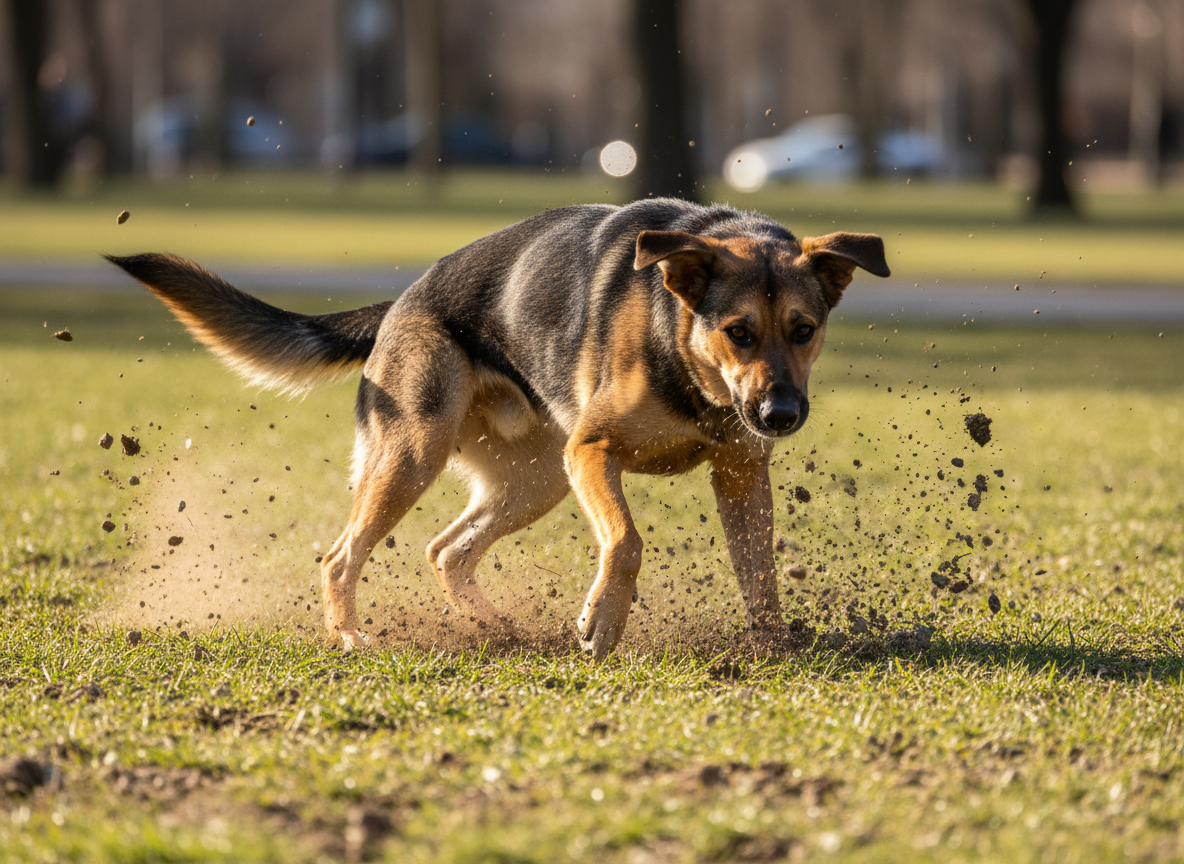
As a dedicated pet owner, you are likely familiar with the ritual. Your dog finds the perfect spot, relieves themselves, and then begins a vigorous, sometimes comical, backward kicking motion, sending clumps of grass and dirt flying. Many owners chuckle, assuming their dog is attempting to bury their waste, much like a cat. However, this common assumption couldn’t be further from the truth. This behavior, known scientifically as ‘ground-scratching’ or ‘scrape behavior,’ is a complex and deeply ingrained form of canine communication. It’s not about hiding the evidence; it’s about broadcasting it.
Understanding this behavior opens a window into your dog’s ancestral instincts and social signaling system. It’s a multi-sensory message left for other canines, combining olfactory and visual cues to make a powerful statement. In this comprehensive guide, we will move beyond the myths and explore the seven primary reasons your dog engages in this peculiar post-potty dance. Prepare to see this everyday action in a completely new and fascinating light.
Reason 1 & 2: The Olfactory Megaphone – Scent Glands and Amplification
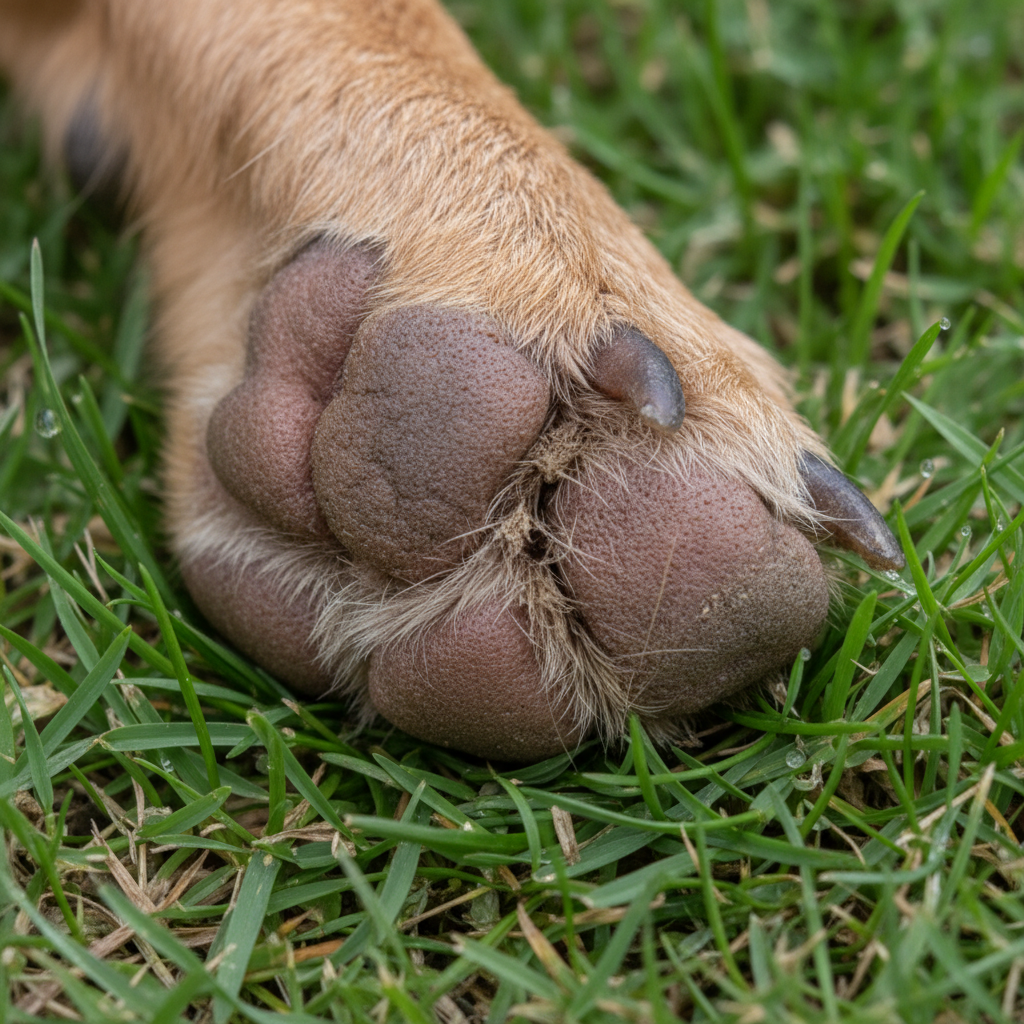
The Primary Communicator: Scent Marking via Interdigital Glands
The most significant reason for ground-scratching lies in the anatomy of your dog’s paws. Nestled between their paw pads are specialized sweat glands called interdigital glands. These glands secrete pheromones, which are unique chemical signals that carry a wealth of information about the dog, including their sex, health, mood, and social status. When a dog kicks and scrapes its paws against the ground, it’s not just moving dirt; it’s actively depositing its personal scent signature onto that spot.
Think of it as leaving a business card for every other dog in the neighborhood to read. This scent is far more potent and lasting to a canine’s sensitive nose than the smell of the urine or feces alone. The friction and pressure from the scratching action help to warm the glands, intensifying the release of these pheromones and pressing them firmly into the earth.
This is a deliberate act of communication. Your dog is saying, ‘I was here,’ and providing a detailed dossier about themselves for any dog that passes by later.
Amplifying the Existing Message
The second, related reason is that the scratching action serves to amplify the scent of the waste they just deposited. By disturbing the soil and grass around the urine or feces, they increase the surface area from which the scent can dissipate. This essentially creates a larger ‘scent-zone,’ making it easier for other dogs to detect from a distance. The combination of the waste’s smell and the powerful pheromones from their paws creates a layered, information-rich message that is impossible for other dogs to ignore. It’s a one-two punch of olfactory information, ensuring their message is received loud and clear.
Reason 3 & 4: Visual Billboards and Territorial Claims
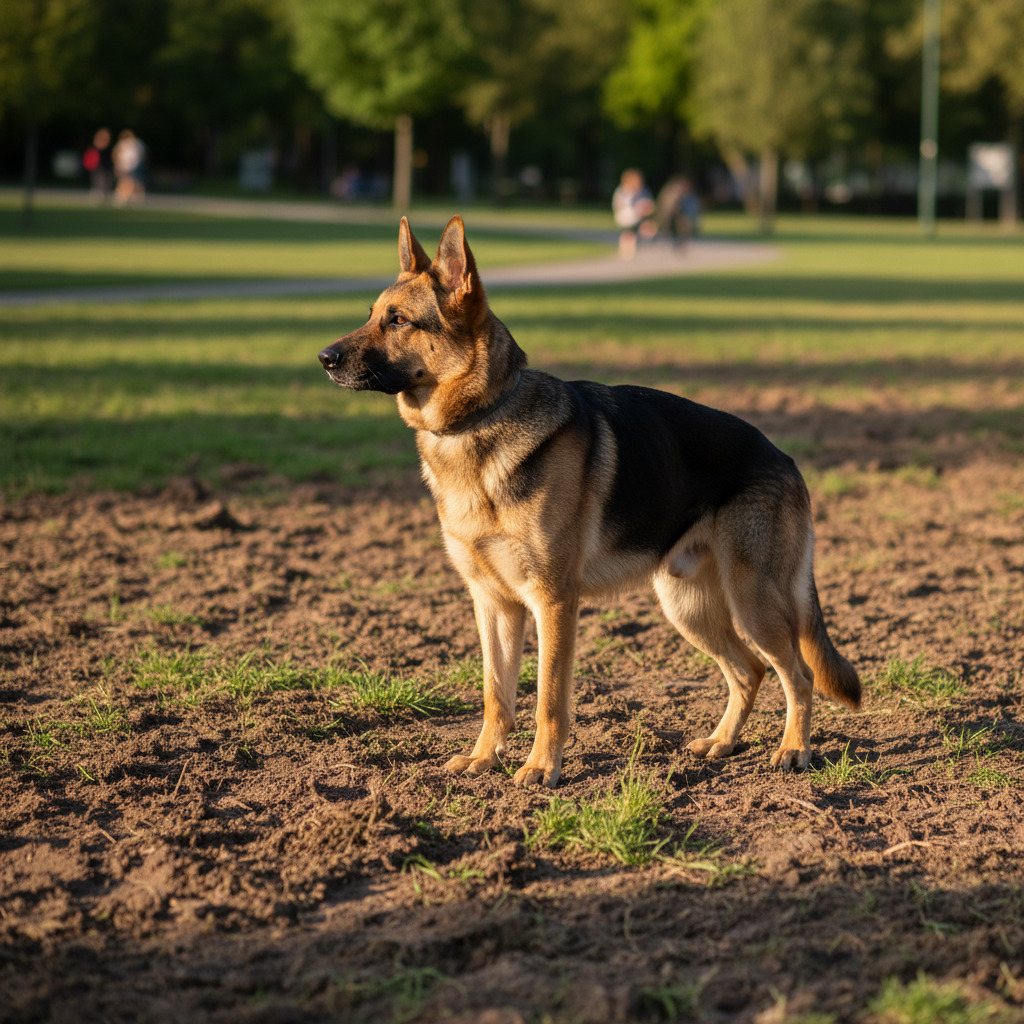
Creating a Can’t-Miss Visual Marker
Canine communication isn’t limited to scent. Dogs are also highly attuned to visual cues, and ground-scratching creates a powerful one. The long, dark scrape marks and disturbed earth act as a visual ‘billboard.’ In an environment like a grassy park or a dusty trail, these marks stand out starkly against the uniform background. When another dog is patrolling its territory, it will notice these visual anomalies from a distance, drawing them in to investigate the accompanying scent message more closely.
This visual signal is especially important in wide-open spaces where scent might dissipate more quickly due to wind or rain. The physical evidence of the scratching remains long after the initial scent has faded, continuing to signal that another dog has been in the area. It’s an ancient and effective way of making a temporary mark more permanent.
Staking a Claim: This is My Turf
Flowing directly from scent and visual marking is the concept of territoriality. While your well-socialized pet might not be aggressively defending a territory in the same way a wild wolf would, the instinct remains. Ground-scratching is a clear, non-confrontational way for a dog to stake a claim to an area. It’s a declaration of presence and, in some contexts, dominance.
Observe where your dog chooses to perform this behavior. Often, it’s in high-traffic areas frequented by other dogs, such as the edges of parks, popular corners on your walking route, or near fire hydrants. They are deliberately placing their ‘I was here’ message in a location where it is most likely to be seen and smelled by their peers. This behavior can increase in frequency when a dog is in a new environment or if they detect the scent of an unfamiliar dog on their usual route. It’s their way of contributing to the ongoing social dialogue of the local canine community and reinforcing their place within it.
Reason 5 & 6: Ancestral Echoes and Emotional Release
A Deeply Ingrained Ancestral Instinct
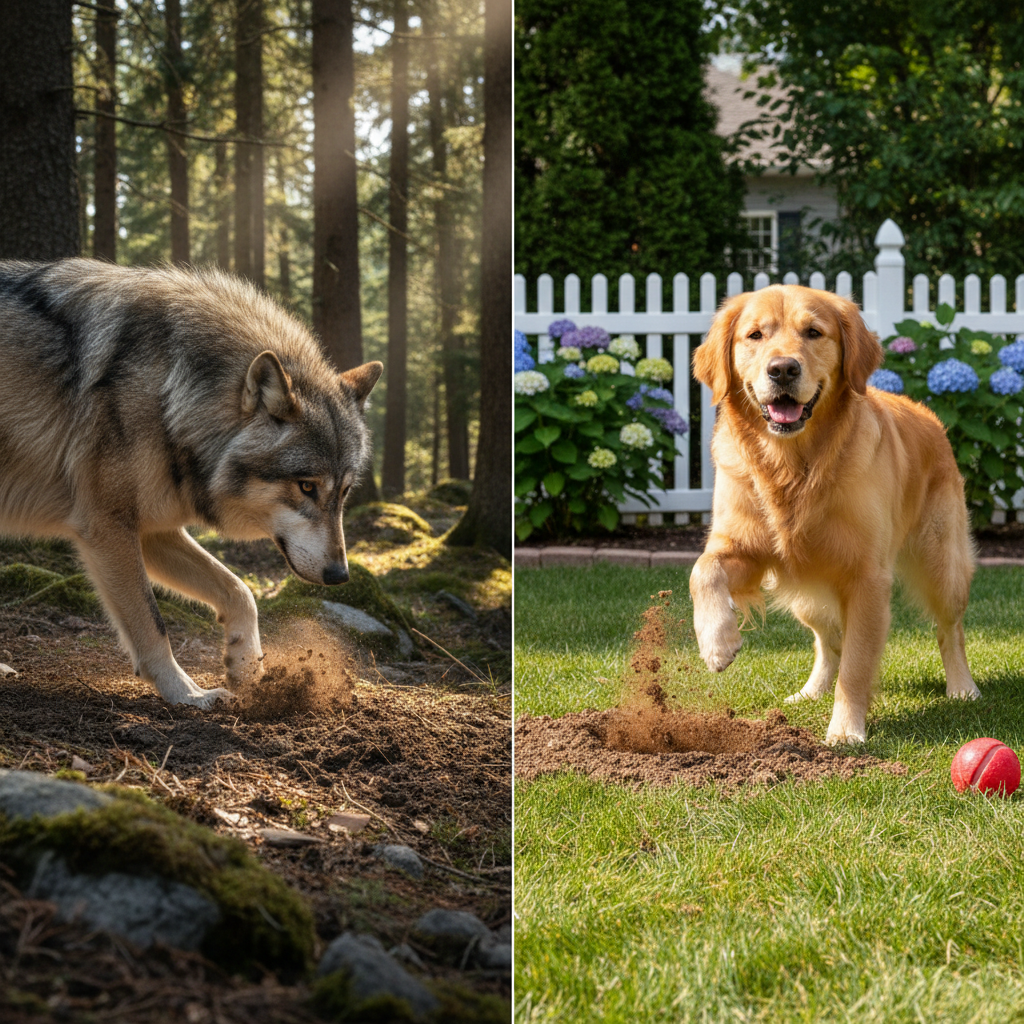
To fully understand ground-scratching, we must look to the ancestors of our domestic dogs: wolves. For wolves and other wild canids, clear communication is essential for pack survival, defining territory, and avoiding unnecessary conflict. Scent and visual marking are critical components of this communication system. By scratching the ground, a wolf leaves an unmistakable sign for other packs, warning them of their presence and the boundaries of their territory. This can prevent violent clashes over resources.
This behavior is hard-wired into your dog’s DNA. It is not something they are taught; it is a pure, unadulterated instinct. Even a tiny Chihuahua who has never spent a night outdoors possesses the same instinctual drive to perform this ritual as a pack of wolves in the wilderness. When your dog kicks up the grass, they are answering a primal call that has been passed down through thousands of generations. It’s a living piece of their evolutionary history played out in your backyard.
The ‘Post-Potty Zoomies’: An Expression of Relief and Excitement
Sometimes, the reason is less about complex communication and more about simple emotion. The act of eliminating waste is physically relieving. For many dogs, this feeling of relief can trigger a burst of joyful energy. The ground-scratching can be part of this celebratory, feel-good moment—a physical expression of satisfaction.
You might notice this behavior is more vigorous or is accompanied by a playful bow or a quick ‘zoomie’ around the yard. In this context, the kicking is less of a deliberate, calculated message and more of an exuberant exclamation. It’s a physical outlet for the positive feelings associated with relief. This is often seen in dogs who are generally more energetic or expressive in their body language.
Reason 7: The Social Ladder – A Display of Status
Broadcasting Confidence and Social Standing
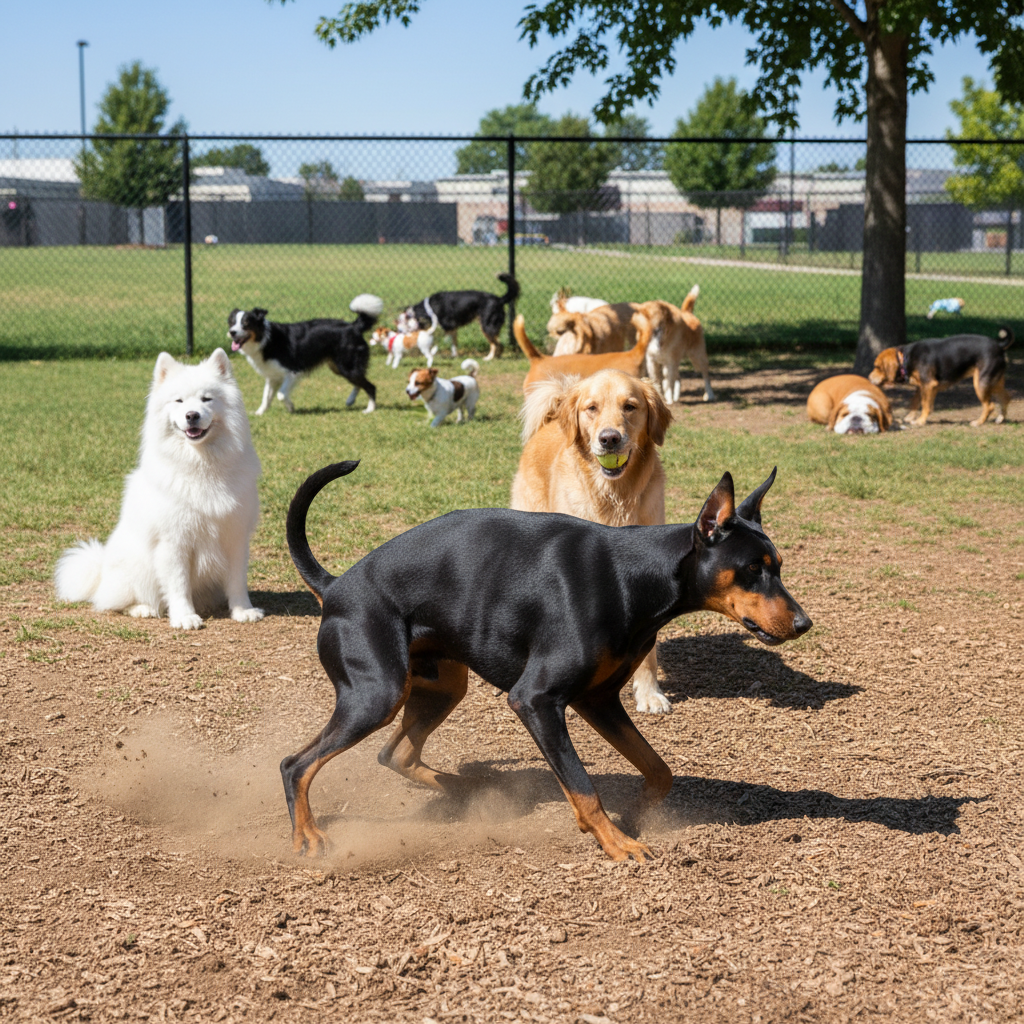
The final piece of the puzzle relates to social hierarchy. The act of ground-scratching is often performed by more confident and assertive dogs. It is a bold, unapologetic display. A timid or anxious dog is less likely to engage in this behavior, as it draws attention to them—something they typically prefer to avoid. A confident dog, however, is happy to announce its presence to the world.
By creating a large, multi-sensory marker, the dog is broadcasting its self-assurance. In a multi-dog household or at the dog park, you may observe that the more dominant or ‘alpha’ dog is the most frequent and vigorous ground-scratcher. It’s a subtle but significant part of negotiating and maintaining the social structure within a group of dogs. They are not just saying ‘I was here,’ but they are also saying, ‘I am a confident individual worthy of respect.’
By observing which dogs perform this behavior and with what intensity, you can gain valuable insights into the social dynamics of the dogs in your community.
Is Ground-Scratching Ever a Problem?
Understanding Normal vs. Compulsive Behavior
For the vast majority of dogs, ground-scratching is a perfectly normal, healthy, and important behavior. It is a fundamental part of how they experience and interact with their world. In most cases, there is absolutely no reason to discourage it. However, like any behavior, it can become problematic if it reaches an extreme.
When should you be concerned? Look for signs of compulsiveness. If the behavior becomes obsessive, where the dog scratches for prolonged periods, seems unable to stop, or becomes frantic, it could be a sign of underlying anxiety or a compulsive disorder. Another concern is property damage. If your dog’s scratching is consistently destroying your lawn, garden beds, or landscaping, you may need to manage the behavior.
Management Strategies for Excessive Scratching
If you need to curb the behavior due to damage or compulsiveness, it’s important to use positive redirection rather than punishment. Punishing a dog for an innate, instinctual behavior is ineffective and can create fear and anxiety.
Here are some effective management techniques:
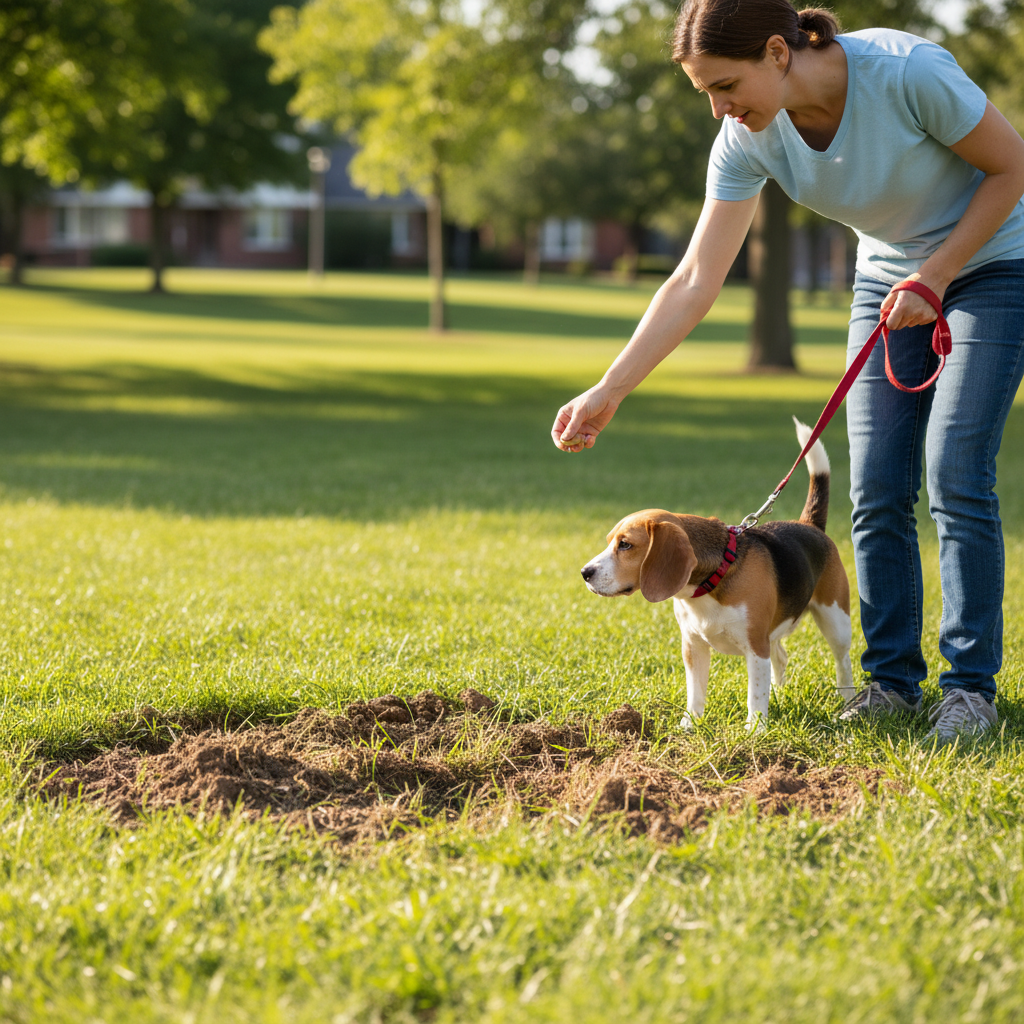
- Leash Guidance: After your dog eliminates, use the leash to gently and immediately guide them away from the spot before they can start scratching. Reward them with a high-value treat or praise as soon as they move away.
- Designated Potty Spot: Train your dog to use a specific area of your yard for elimination. You can use a more durable substrate in this area, like mulch or sand, which is less prone to damage and can satisfy their urge to dig and scratch.
- Increase Exercise and Enrichment: Sometimes, excessive scratching can be a sign of boredom or pent-up energy. Ensure your dog is receiving adequate physical exercise and mental stimulation through puzzle toys, training sessions, and interactive play. A tired and mentally fulfilled dog is less likely to engage in compulsive behaviors.
If you suspect the behavior is rooted in anxiety or has become a true compulsion, it is always best to consult with a professional. A certified veterinary behaviorist or a qualified positive reinforcement trainer can help you identify the root cause and develop a tailored behavior modification plan.
Conclusion
The act of a dog kicking its hind legs after relieving itself is a far cry from a simple attempt to maintain hygiene. It is a rich, multi-layered form of communication, deeply rooted in ancestral instinct and essential for social signaling. From depositing pheromonal messages from their interdigital glands to creating unmissable visual markers, your dog is participating in a complex dialogue with the other canines in its environment. This behavior broadcasts their identity, stakes a claim to territory, expresses their emotional state, and reinforces their social standing.
As pet owners, embracing and understanding these innate behaviors allows us to appreciate the complexity of our companions more fully. Rather than viewing ground-scratching as a strange or messy habit, we can see it for what it is: a powerful and fascinating glimpse into the world of canine communication. By observing when, where, and how our dogs perform this ritual, we can gain deeper insight into their confidence, their instincts, and how they perceive their place in the world. So, the next time you see your dog sending dirt flying, smile and appreciate the powerful message they are so skillfully sending.