7 Rules for a Peaceful Multi-Dog Home (No More Fights!)
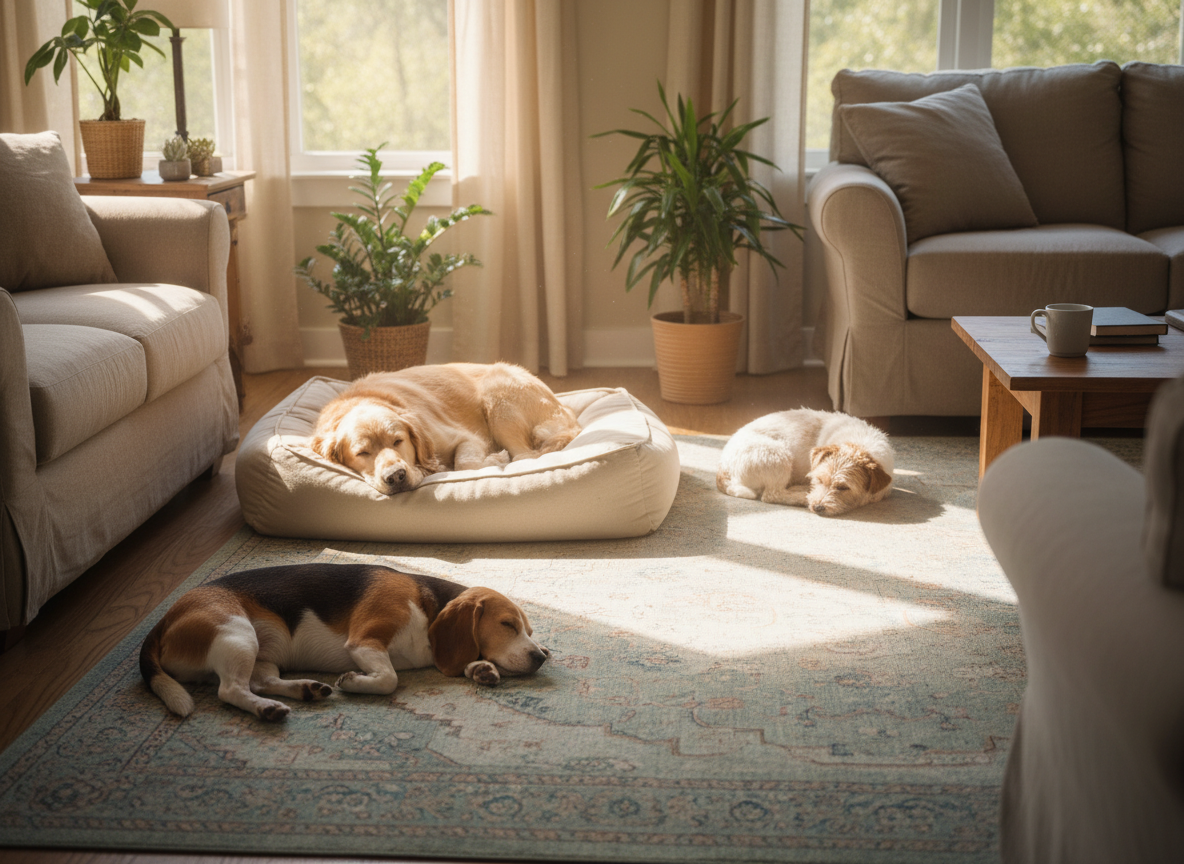
Welcoming multiple dogs into your home can double the love and joy, but it can also introduce unexpected challenges, including tension, rivalry, and even outright fights. The dream of a harmonious pack can quickly turn into a stressful reality of constant management and worry. Many owners find themselves breaking up spats over toys, food, or even their own attention. This is a common and distressing situation, but it is not insurmountable. Creating a peaceful multi-dog home isn’t about luck; it’s about structure, leadership, and a deep understanding of canine behavior.
This guide is designed to provide you with a clear, authoritative framework for establishing order and tranquility. We will detail seven foundational rules, grounded in professional training and animal behavior principles, that address the root causes of conflict. By implementing these strategies consistently, you can transform your home from a chaotic battlefield into a sanctuary of calm coexistence. Prepare to take on the role of a confident pack leader and guide your dogs toward a more peaceful life together.
Rule 1: Implement Separate and Supervised Resource Management
Rule 1: Implement Separate and Supervised Resource Management
One of the most common triggers for conflict between dogs is competition over resources. This doesn’t just mean food; it includes toys, bones, sleeping spots, and even your attention. This behavior, known as resource guarding, is a natural canine instinct. In a wild pack, access to resources could mean the difference between survival and starvation. While our domestic dogs are well-cared for, this instinct remains. The key to preventing resource-based conflicts is not to force sharing, but to manage resources proactively.
Feeding Time Protocols
Feeding time is a high-arousal event that can easily spark a fight. The best practice is to eliminate competition entirely.
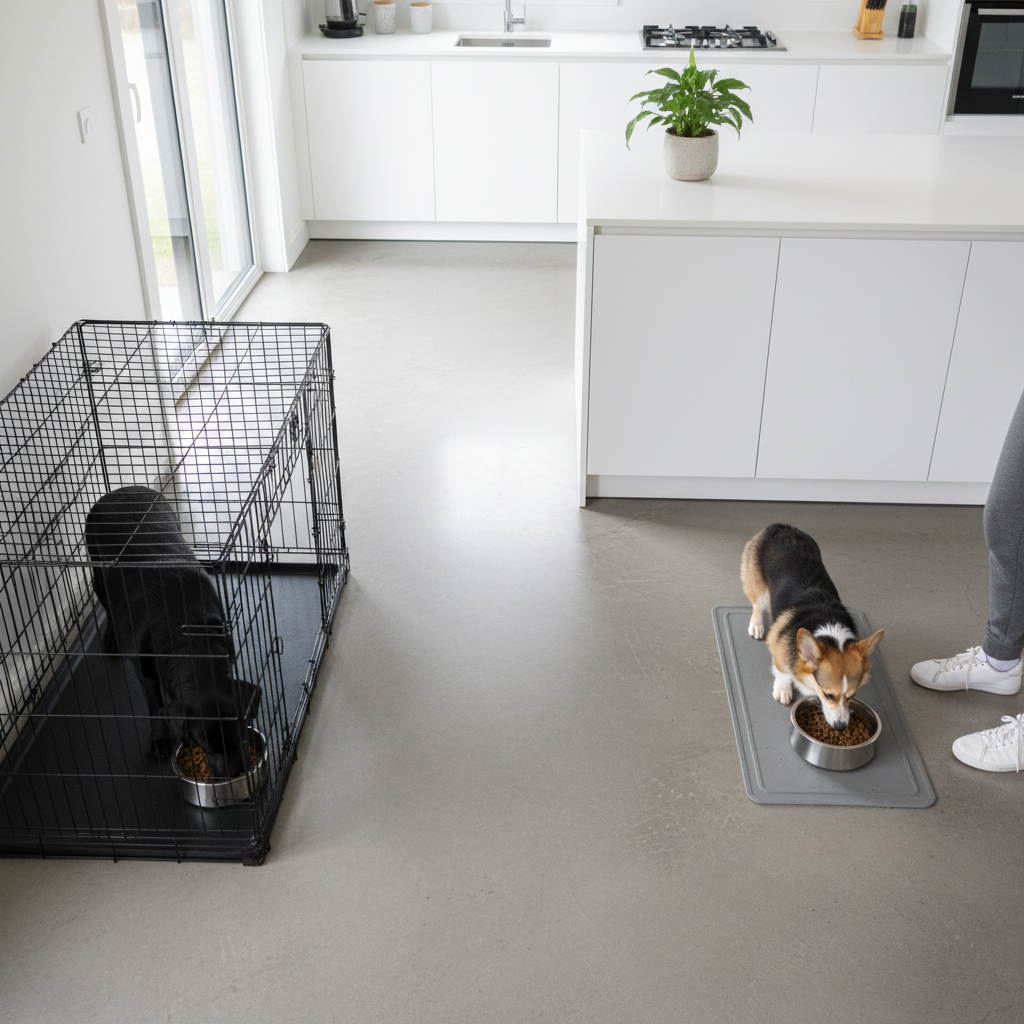
- Separate Feeding Locations: Feed your dogs in separate rooms, in their individual crates, or on opposite sides of a room with a physical barrier (like a baby gate) between them. They should not be able to see or reach each other while eating.
- Remove Bowls Promptly: Once a dog has finished its meal, pick up the bowl immediately. This prevents one dog from wandering over to ‘claim’ the other’s leftovers, a classic instigating behavior.
- No Free-Feeding: Leaving food out all day (free-feeding) creates a constantly available resource to guard. Structured meal times, twice a day, establish a routine and remove this point of contention.
Managing High-Value Items
High-value items like marrow bones, bully sticks, and coveted squeaky toys are far more likely to cause issues than standard toys. These should never be left scattered around for dogs to claim.
Instead of expecting dogs to share their most prized possessions, teach them that these special items are only available during supervised, separate quiet times, such as when they are in their crates.
When playtime is over, collect all high-value toys and put them away. This reinforces the idea that these resources are controlled by you, the leader, and are not items to be fought over. For general play, choose less ‘valuable’ toys and always supervise their interactions.
Rule 2: Master the Art of the Structured Walk
Rule 2: Master the Art of the Structured Walk
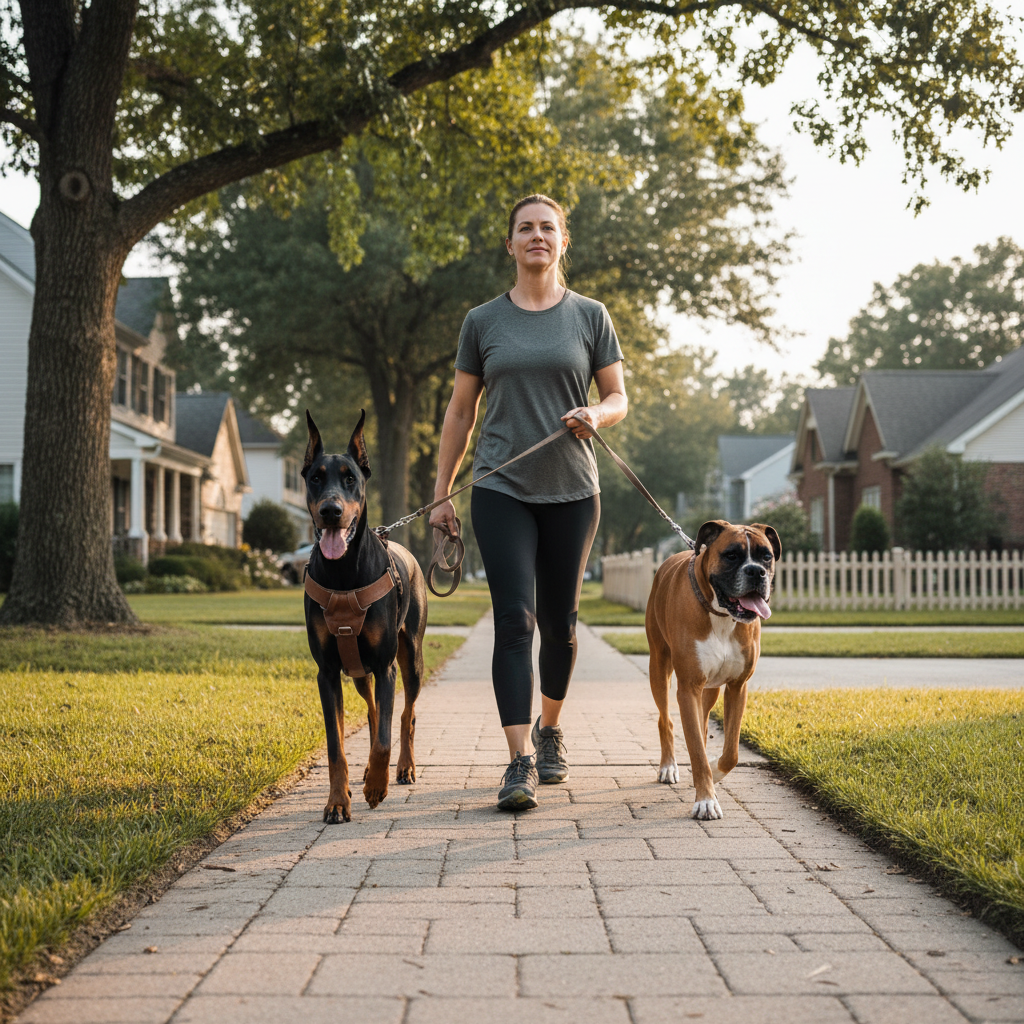
The daily walk is a critical activity for your dogs, but its nature can either build harmony or create tension. A chaotic walk—where dogs are pulling in different directions, reacting to other dogs, and paying no attention to you—increases arousal and stress. This heightened state can easily spill over into conflict between your dogs once you return home. A structured walk, however, reinforces your leadership and promotes a calm state of mind.
A structured walk is not about letting the dogs drag you wherever they please. It is a training exercise where the dogs walk calmly by your side, on a loose leash, without pulling, lunging, or fixating on distractions. This teaches them to look to you for guidance and establishes a team dynamic with you at the helm.
Techniques for a Successful Pack Walk
- Use Appropriate Equipment: Standard neck collars can encourage pulling. Consider using tools that offer better control, such as front-clip harnesses, head halters, or slip leads. These tools discourage pulling without causing pain.
- Walk Them Separately First: If you are just starting, walk each dog individually to establish good leash manners one-on-one. Once each dog can walk calmly alone with you, you can begin walking them together.
- Maintain a ‘Heel’ Position: Your dogs should walk beside or slightly behind you. When a dog forges ahead, it assumes a leadership role. By keeping them at your side, you reinforce that you are in control of the pace and direction.
- Be the Pack Leader: You should be the first one out the door and the first one back in. This simple act reinforces your leadership position in a non-confrontational way.
During the walk, remain calm and assertive. Your energy travels down the leash. If you are anxious and tense, your dogs will be too. A structured walk drains physical and mental energy in a productive way, leading to calmer dogs at home.
Rule 3: Establish and Enforce a ‘Place’ Command
Rule 3: Establish and Enforce a ‘Place’ Command
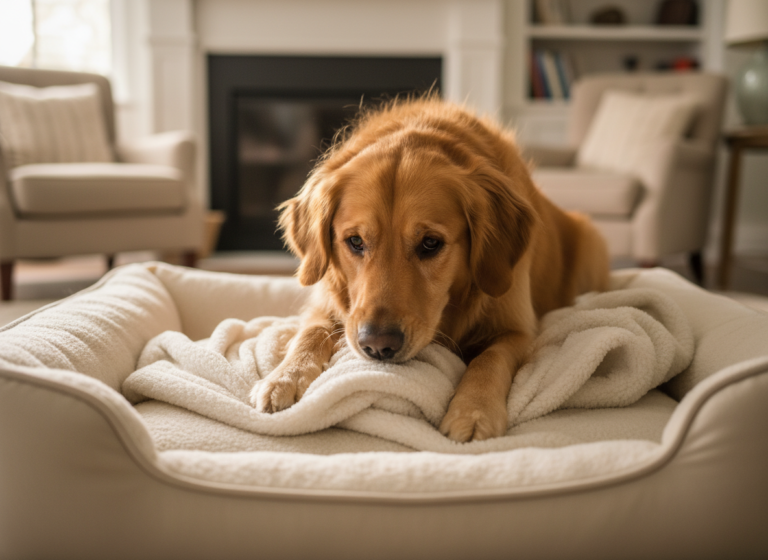
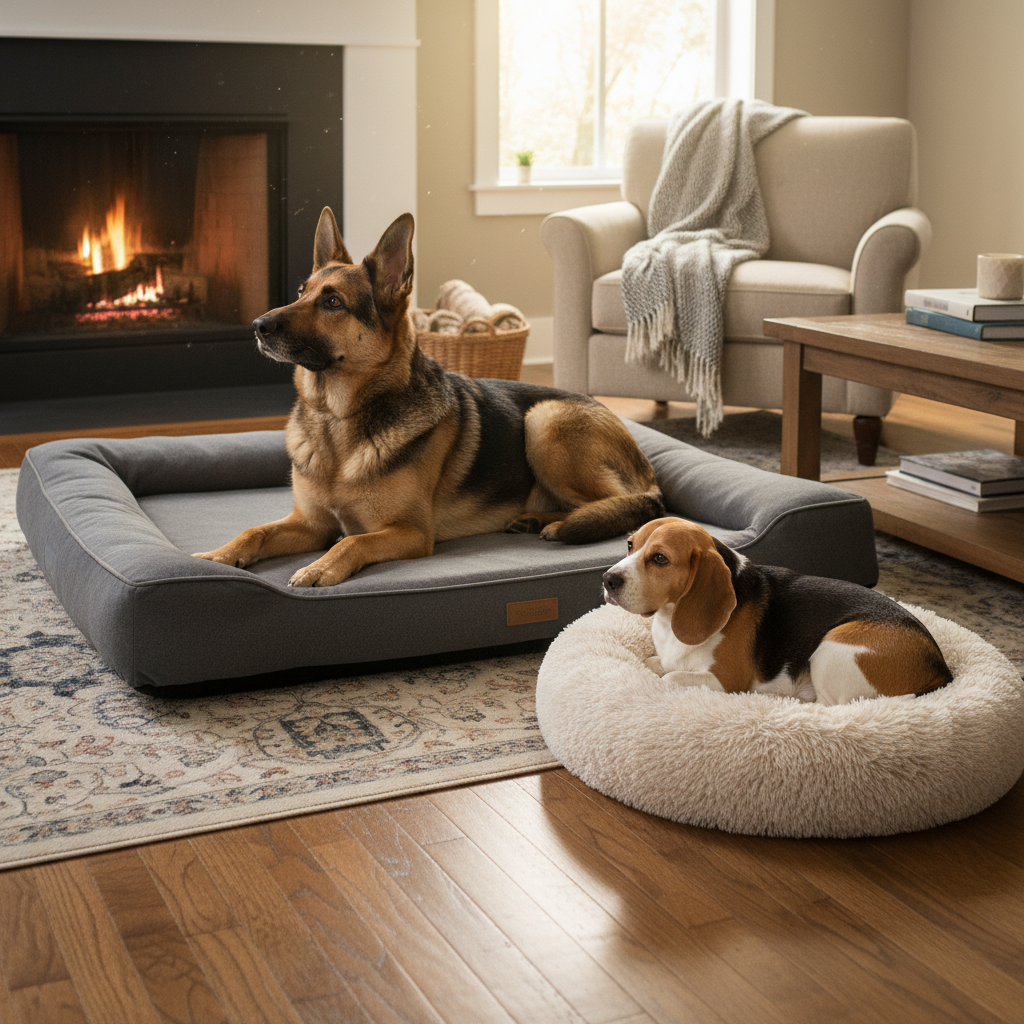
Every dog in a multi-dog home needs a designated personal space—a sanctuary where it can rest without feeling threatened or bothered by the other dogs. The ‘place’ command is a powerful tool for creating this structure and managing household dynamics. This command teaches a dog to go to a specific spot, like a dog bed or a mat, and stay there until released.
This command is incredibly versatile. It can be used to prevent chaos when guests arrive, to stop begging during family meals, or, most importantly, to de-escalate a tense situation. If you notice the dogs’ energy becoming too rough or one dog is pestering another, sending them to their respective ‘places’ gives them a mandatory time-out to calm down in their own safe zone.
How to Train the ‘Place’ Command
- Introduce the ‘Place’: Start by luring your dog onto their bed or mat with a treat. As soon as all four paws are on the ‘place,’ say ‘Yes!’ and give them the treat. Repeat this several times.
- Add the Cue: Once the dog understands the action, start saying the word ‘Place’ just before you lure them.
- Build Duration: Gradually increase the amount of time they must stay on the mat before receiving a treat. Start with just a few seconds and work your way up to several minutes.
- Introduce a Release Word: Teach a release cue like ‘Okay!’ or ‘Free!’ to let them know when they are allowed to leave their place. This is crucial for impulse control.
- Practice from a Distance: As your dog becomes proficient, start sending them to their place from further away.
A reliable ‘place’ command is one of the most effective management tools in a multi-dog home. It provides structure, teaches impulse control, and gives you the ability to create separation and calm on demand.
Each dog should have its own ‘place,’ and the other dogs should be taught to respect that boundary. This individual space is vital for their mental well-being and for the overall peace of the household.
Rule 4: Prioritize Individual, One-on-One Time
Rule 4: Prioritize Individual, One-on-One Time
While the goal is for your dogs to coexist peacefully, it is a common mistake to treat them as a single unit. Each dog is an individual with its own needs, personality, and relationship with you. Failing to provide one-on-one attention can lead to competition for your affection, which is a significant source of conflict.
Spending quality time with each dog separately strengthens your individual bond, builds their confidence, and reduces feelings of jealousy or rivalry. This dedicated time doesn’t have to be hours long; even 10-15 minutes of focused, individual attention each day can make a substantial difference. This time should be completely dedicated to that one dog, without interruption from the others.
Ideas for One-on-One Time
- Individual Training Sessions: Work on obedience commands, new tricks, or scent work. This engages their mind and strengthens your communication.
- Separate Walks or Outings: A solo walk allows a dog to set its own pace and sniff to its heart’s content without having to compete with its housemate. A special trip to a pet-friendly store or a park can also be a wonderful treat.
- Dedicated Playtime: Engage in a game of fetch, tug-of-war, or whatever that specific dog enjoys most.
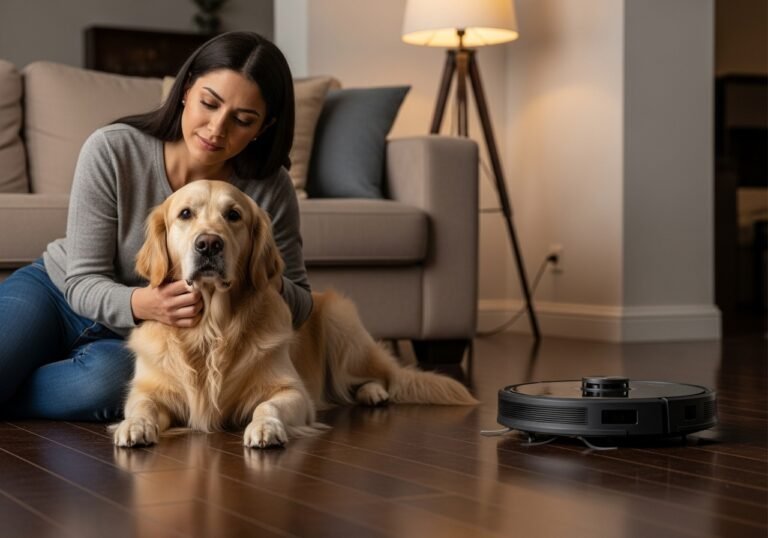
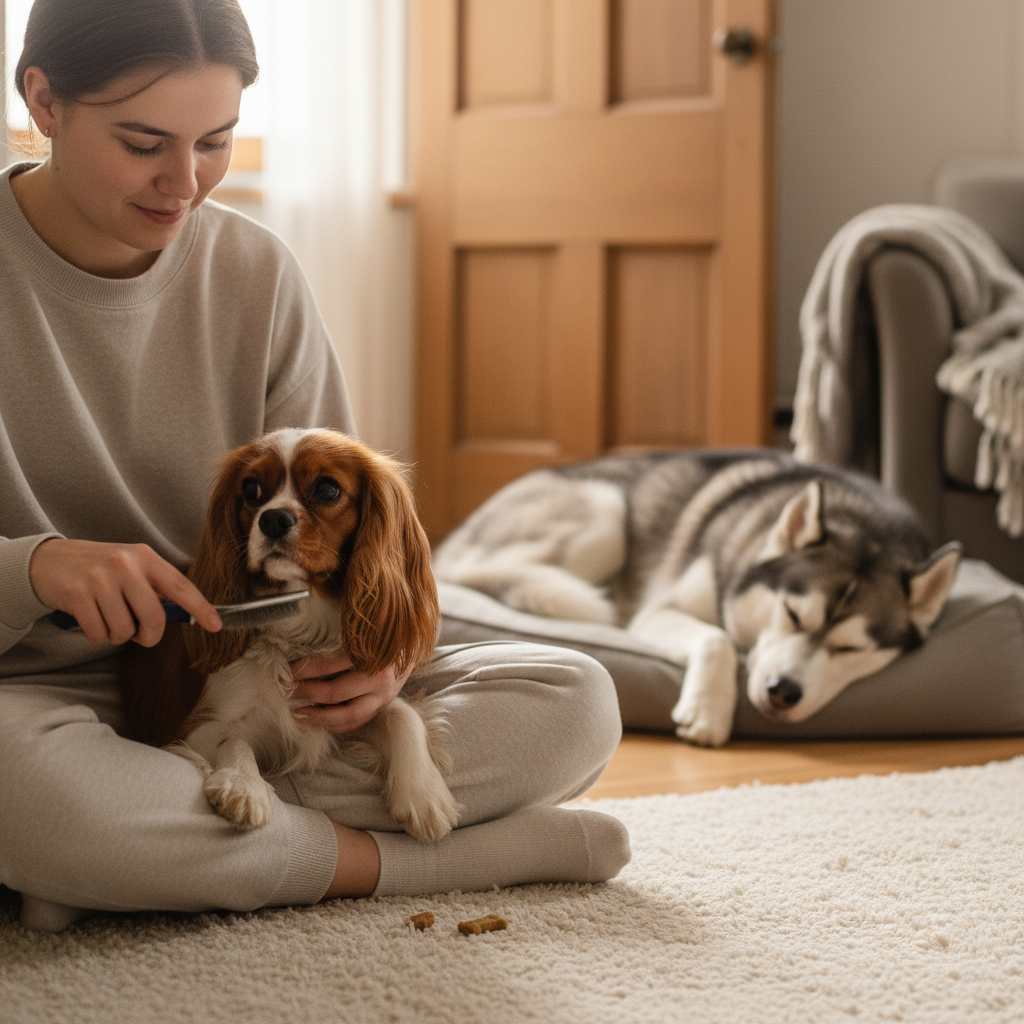
- Grooming and Cuddles: Quiet time spent brushing, petting, or cuddling on the couch reinforces your bond in a calm, affectionate way.
By ensuring each dog feels secure in its relationship with you, you reduce their need to compete for your attention. This individual validation is a cornerstone of a stable and peaceful pack structure, reminding each dog that they are a valued member of the family, independent of the other dogs.
Rule 5: Become Fluent in Canine Body Language
Rule 5: Become Fluent in Canine Body Language
Fights between dogs rarely happen ‘out of nowhere.’ There is almost always a series of subtle signals and escalating warnings that precede an altercation. A key responsibility of a multi-dog owner is to become a skilled observer, capable of recognizing and interrupting conflict before it begins. By learning to read canine body language, you can transition from being reactive (breaking up fights) to being proactive (preventing them).
Dogs communicate constantly through their posture, facial expressions, and tail position. Understanding these signals allows you to gauge their emotional state and intervene when you see signs of stress, fear, or annoyance.
Critical Signals to Watch For
Pay close attention to these indicators of stress or impending conflict:
- Stiffening Up: A dog’s body becomes rigid and tense. They may freeze in place, often over a resource or when another dog approaches.
- Hard Stare: Direct, unwavering eye contact is often a challenge or threat in the canine world.
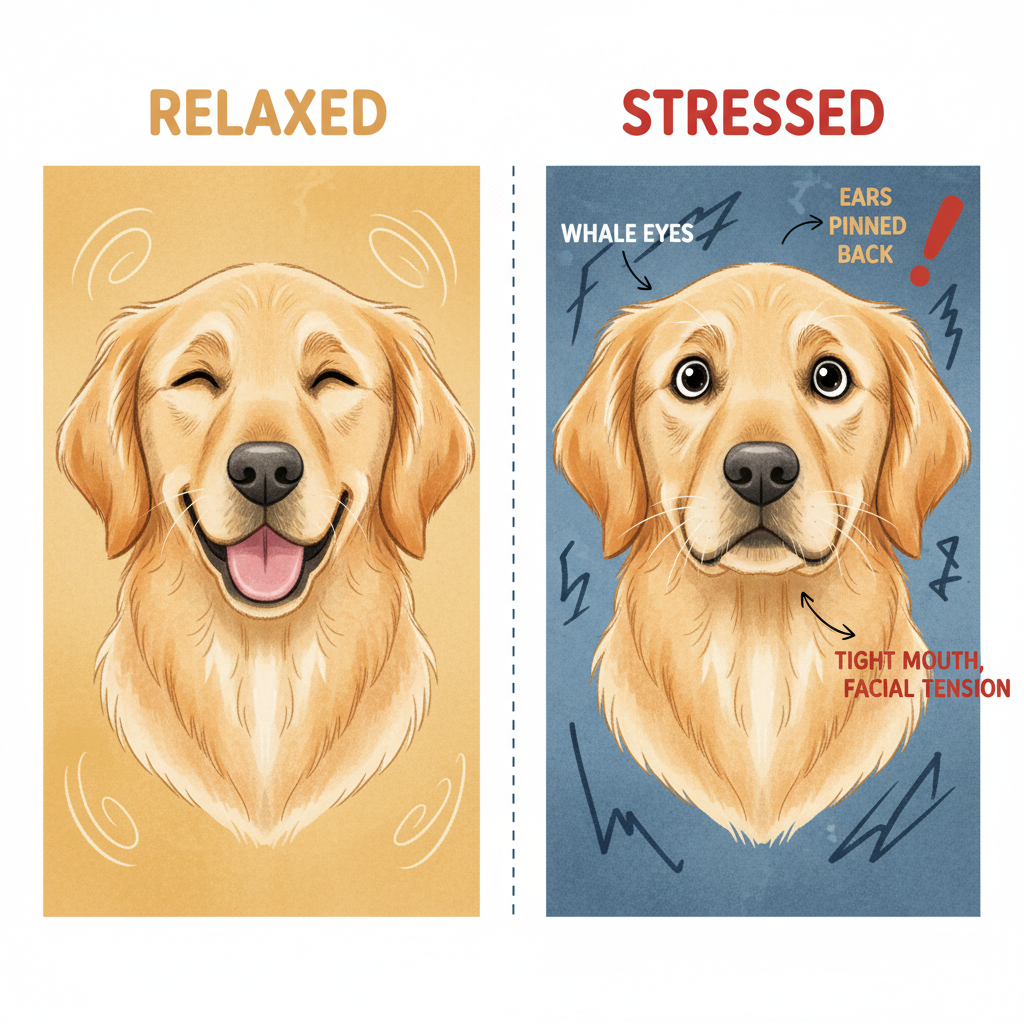
- Whale Eye: The dog turns its head away but keeps its eyes fixed on the trigger, showing the whites of its eyes in a crescent shape. This is a clear sign of anxiety.
- Lip Licking and Yawning: When not tired or hungry, these can be signals of stress or appeasement.
- Tucked Tail: A tail tucked between the legs indicates fear or submission.
- Raised Hackles: The hair along the dog’s spine (piloerection) stands up. This indicates a high state of arousal, which can be due to fear, anger, or excitement.
A growl is not aggression; it is a communication. It is your dog’s way of saying, ‘I am uncomfortable with this situation. Please stop.’ Never punish a dog for growling. Instead, listen to the warning and calmly remove the dog or the trigger from the situation.
When you see these signals, your job is to calmly intervene. Do not yell or panic, as this will add to the tension. Instead, use a cheerful voice to redirect their attention, call them away from the situation, or physically place yourself between them to block the hard stare and create space. Your ability to read the room and act early is your greatest asset in preventing fights.
Rule 6: Create Structure Around Greetings and Exits
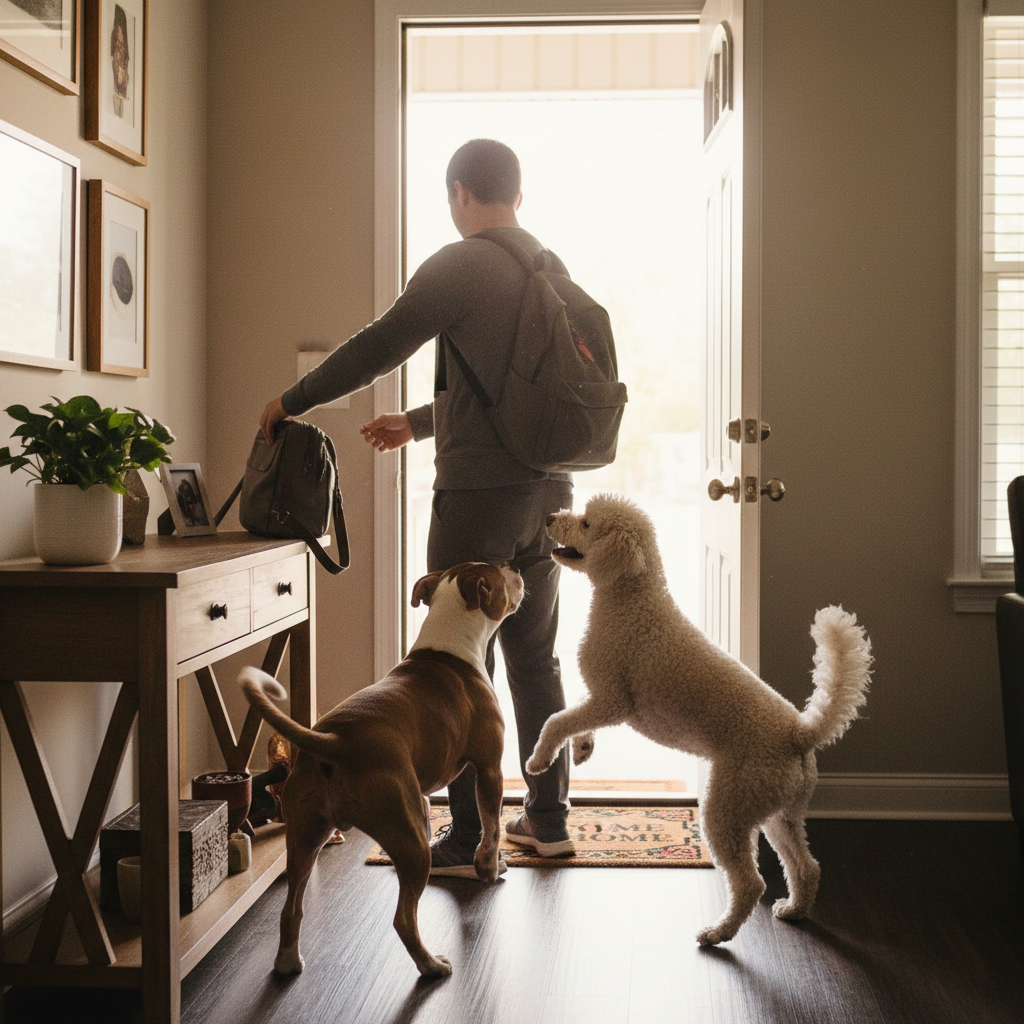
Rule 6: Create Structure Around Greetings and Exits
The moments when you leave the house and when you return are often the most chaotic times of the day. The spike in excitement and arousal during these periods can easily boil over into a ‘redirected’ fight, where one dog’s over-the-top excitement is taken out on the other. By creating calm, predictable routines around your comings and goings, you can prevent this flashpoint of conflict.
The Calm Arrival Protocol
When you arrive home, your dogs will likely be ecstatic. Your natural inclination may be to greet them with equal enthusiasm, but this adds fuel to the fire. Instead, practice a calm entry routine.
- Enter Calmly: Walk into your home in a quiet and composed manner. Avoid making eye contact with or speaking to your dogs immediately.
- Ignore Excited Behavior: If your dogs are jumping, barking, or whining, ignore them completely. Go about your business—put down your keys, take off your coat, check the mail.
- Reward Calmness: The moment your dogs settle down—even for a second—is when you should offer calm affection. This teaches them that calmness, not chaos, earns your attention. You can also use your ‘place’ command to send them to their beds until they have settled.
The Non-Event Departure
Lengthy, emotional goodbyes can create separation anxiety, which can contribute to stress in the household. Make your departures as boring and uneventful as possible.
- Prepare in Advance: Gather your keys, wallet, and coat well before you plan to leave to avoid a last-minute flurry of activity.
- No Dramatic Goodbyes: A few minutes before you leave, give your dogs a puzzle toy or a safe chew in their separate crates or rooms to create a positive association with your departure.
- Leave Quietly: When it’s time to go, simply walk out the door without any fanfare.
By managing the energy around these daily transitions, you maintain your role as the calm leader and reduce the overall arousal level in your home, making conflict less likely.
Rule 7: Enforce Mandatory Decompression Time
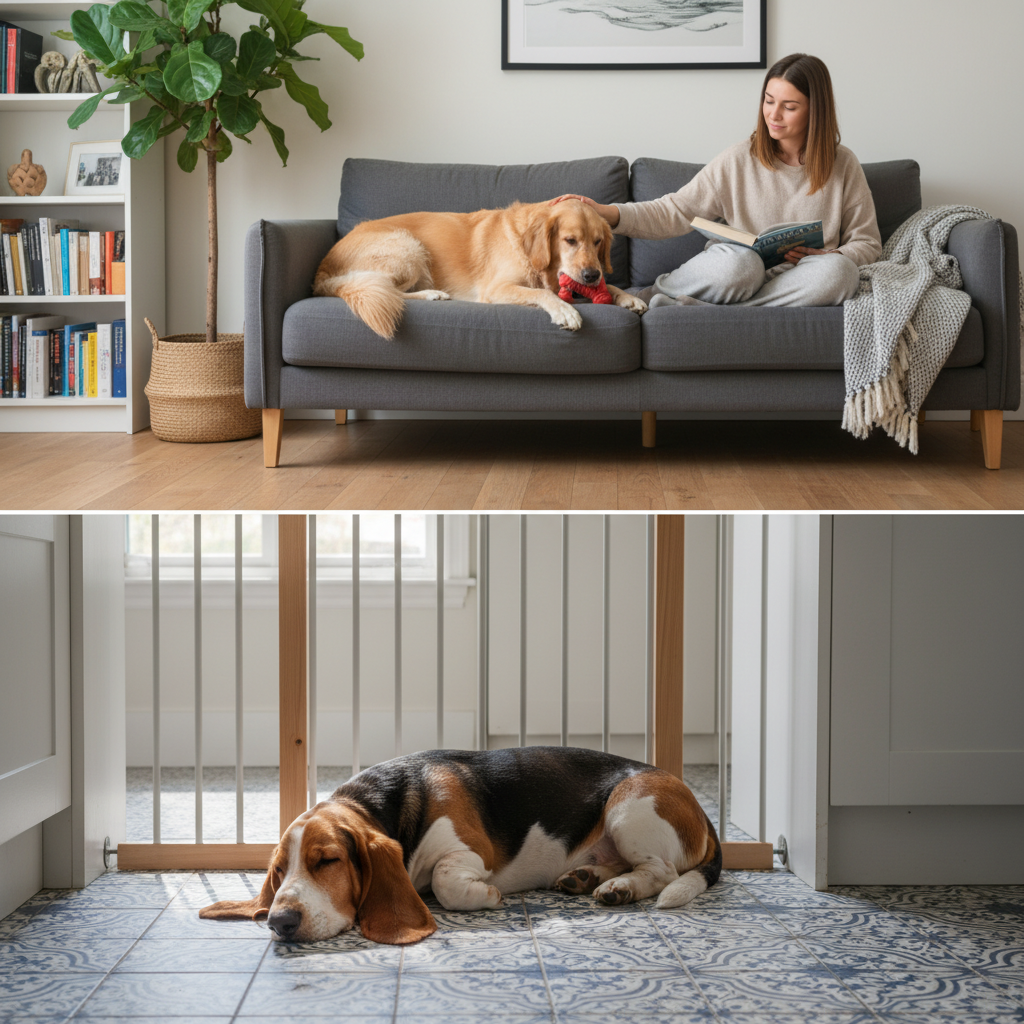
Rule 7: Enforce Mandatory Decompression Time
It’s a common misconception that dogs in the same household should be best friends who want to be together 24/7. In reality, just like humans, dogs need downtime and personal space. Constant, unstructured interaction can be incredibly stressful and can lead to a phenomenon known as trigger stacking. This is where a series of minor annoyances and stresses build up throughout the day until the dog finally snaps over something seemingly trivial.
Providing your dogs with regular, enforced separation gives them a chance to rest, decompress, and reset emotionally. This is not a punishment; it is a crucial component of mental health and household management. It teaches them that it’s okay to be alone and to relax without being constantly ‘on guard’ or engaged with the other dogs.
How to Implement Decompression Time
- Utilize Crates and Gates: Crate training is an invaluable skill. Crates provide a safe, den-like space for a dog to rest undisturbed. Baby gates can also be used to separate areas of the house, allowing dogs to be in different rooms while still feeling like part of the family.
- Schedule Quiet Time: Intentionally build ‘alone time’ into your dogs’ daily schedule. This could be for an hour after their morning walk and another hour in the afternoon.
- Rotate Access to Space: To prevent one dog from claiming a specific area (like the living room), rotate which dog has access to it while the other is crated or in another room.
By managing your dogs’ environment and ensuring they get adequate rest away from each other, you lower the overall stress level of the household. This proactive measure prevents trigger stacking and gives your dogs the mental break they need to successfully navigate life in a multi-dog home.
Conclusion
Creating a peaceful multi-dog home is an active, ongoing process that requires dedication, consistency, and a commitment to fair and clear leadership. By implementing these seven rules—managing resources, structuring walks, teaching the ‘place’ command, providing one-on-one time, understanding body language, managing greetings, and enforcing decompression time—you are not just preventing fights; you are building a foundation of trust and respect. You are establishing a predictable environment where each dog understands the rules and feels safe and secure.
Patience is paramount. Changing established dynamics takes time, and there may be setbacks along the way. Celebrate small victories and remain consistent with your rules and routines. However, if you are dealing with severe aggression or if fights continue to occur despite your best efforts, do not hesitate to seek professional help. A certified canine behavior consultant or veterinary behaviorist can provide a tailored plan for your specific situation.
Ultimately, your role as the pack leader is to advocate for the well-being of every dog in your care. With these rules as your guide, you have the power to cultivate a calm, harmonious home where all your canine companions can thrive together.