5 Normal (But Scary) Dog Behaviors After Anesthesia Wears Off
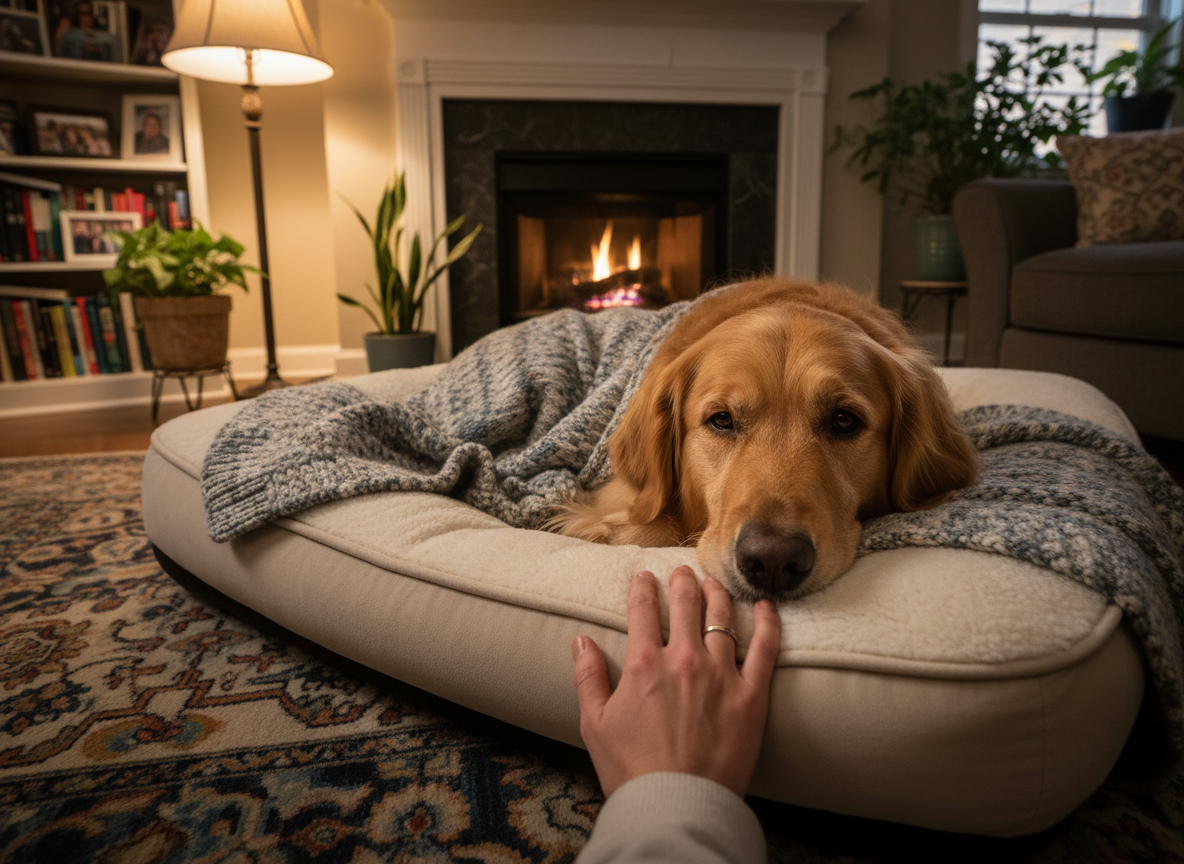
Bringing your canine companion home after a medical procedure that required general anesthesia is a significant relief. However, the recovery period can introduce a new set of anxieties for pet owners. As the anesthetic agents gradually leave your dog’s system, you may witness behaviors that are confusing, alarming, and entirely out of character. It’s a critical time when your dog is vulnerable and relies completely on your understanding and care.
This comprehensive guide is designed to demystify the post-anesthesia phase. As a canine specialist, my goal is to provide you with the knowledge to distinguish between normal, temporary side effects and genuine warning signs that necessitate veterinary intervention. Understanding the ‘why’ behind these scary behaviors will empower you to provide the calm, safe, and supportive environment your dog needs for a smooth and successful recovery.
The Lingering Effects: Why Anesthesia Temporarily Changes Your Dog
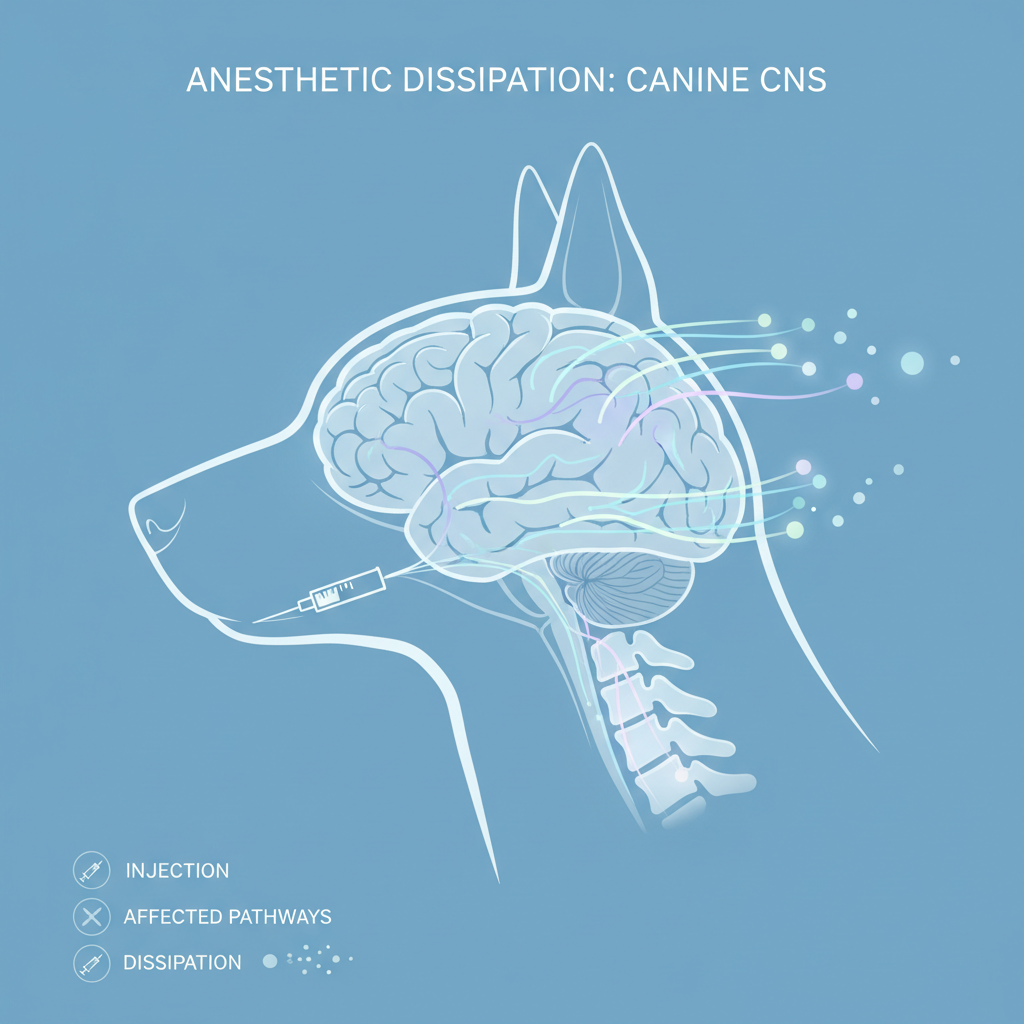
Before we delve into the specific behaviors, it’s crucial to understand what is happening inside your dog’s body. General anesthesia is a medically induced coma, a profound state of unconsciousness that allows veterinarians to perform procedures without the animal experiencing pain or distress. The drugs used are potent central nervous system depressants that affect brain function, muscle control, and physiological regulation.
When the procedure is over, these drugs are not instantly eliminated. They are metabolized by the liver and kidneys and gradually cleared from the bloodstream. During this ‘wake-up’ period, which can last from 12 to 48 hours, your dog’s systems come back online at different rates. The brain may be partially aware but still confused, motor skills are clumsy, and the body’s internal thermostat can be faulty. This disconnect is the root cause of the unusual behaviors you are observing. It is not a reflection of a poorly performed procedure but rather a standard part of the physiological process of recovery.
Behavior #1: Dysphoria – Persistent Whining, Crying, and Vocalization

Perhaps one of the most distressing sounds for a pet owner is hearing their dog cry or whine inconsolably. It’s natural to assume this vocalization is a direct indicator of severe pain. While pain management is a critical component of post-operative care, this specific behavior is more often linked to a condition called dysphoria.
Dysphoria is a state of profound confusion, disorientation, and anxiety. Your dog is waking up in a strange state, unable to process its surroundings or bodily sensations properly. They may not recognize their home or even you for short periods. This confusion triggers anxiety, which they express through whining, howling, or crying. It is less a sign of sharp pain and more a sign of deep-seated unease.
How to Manage Dysphoria:
- Create a Calm Sanctuary: Place your dog in a quiet, dimly lit room away from household traffic, children, and other pets. A comfortable crate can provide a sense of security.
- Use a Soothing Voice: Speak to your dog in a low, calm, and reassuring tone. Avoid loud noises or frantic movements, which can heighten their anxiety.
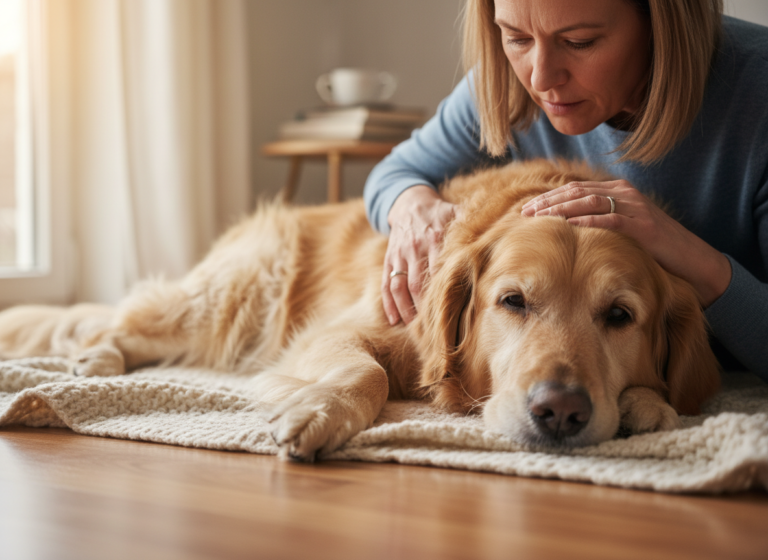
- Offer Gentle Contact: If your dog is receptive, gentle, slow petting can be comforting. However, some dogs may react defensively due to confusion, so proceed with caution.
- Consult Your Vet About Pain: If the vocalization is accompanied by flinching when a specific area is touched, a refusal to lie down, or other clear signs of pain, contact your veterinarian. They can help you determine if the prescribed pain medication is sufficient.
Behavior #2: Ataxia – Stumbling, Wobbling, and Lack of Coordination
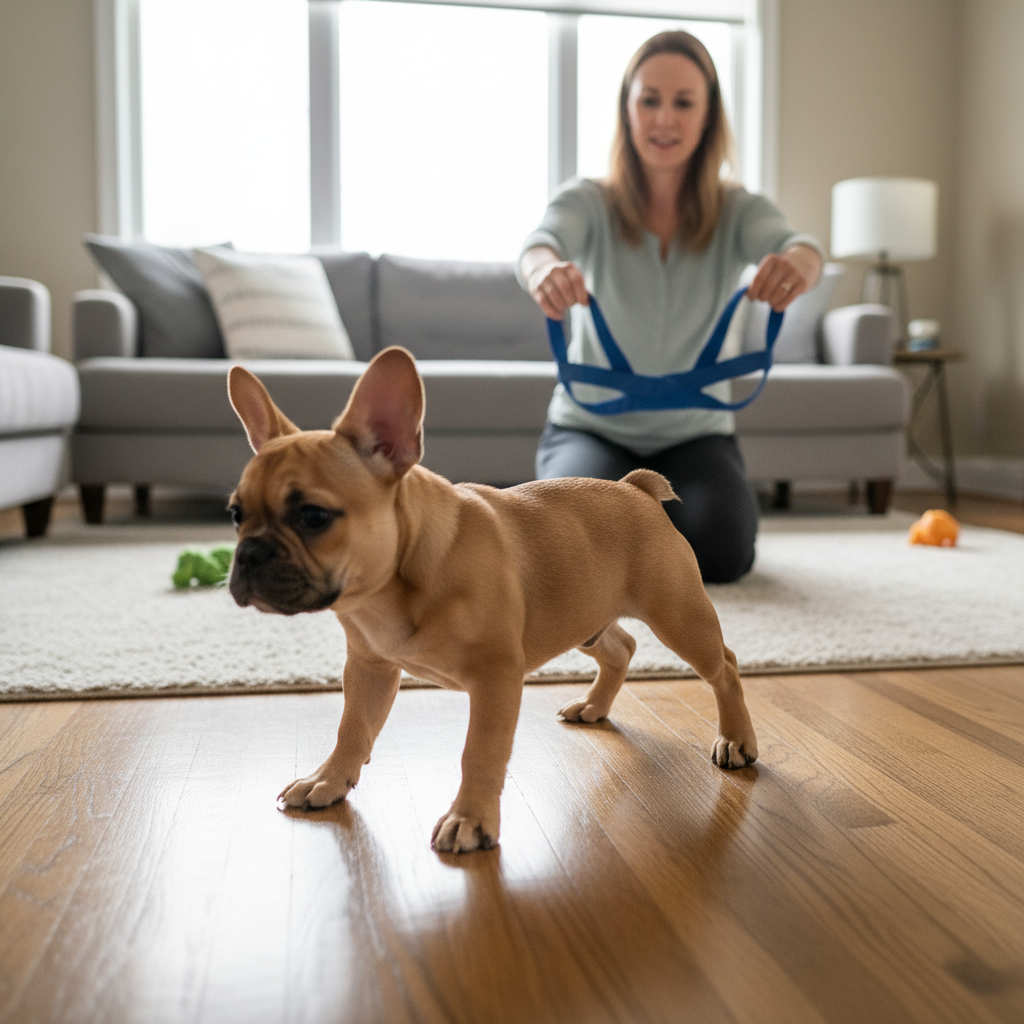
Seeing your typically agile dog stumble and sway like a drunken sailor can be terrifying. This condition, known as ataxia, is a direct result of the anesthetic’s lingering effects on the cerebellum—the part of the brain that controls balance, coordination, and motor skills. Your dog’s brain is telling their legs to walk, but the messages are getting scrambled, resulting in an unsteady, wobbly gait.
They may misjudge distances, bump into furniture, or struggle to stand up after lying down. While it looks dramatic, this is an expected side effect as the nervous system recalibrates. The primary concern during this phase is your dog’s safety.
How to Manage Ataxia:
- Confine to a Safe Area: Restrict your dog to a single, carpeted room to provide better traction and cushion potential falls. Block off all access to stairs, slippery floors, and swimming pools.
- Assist with Potty Breaks: Use a sling or towel under their belly to provide support when you take them outside to relieve themselves. Keep these trips short and purposeful.
- Remove Obstacles: Clear the recovery area of any furniture with sharp corners, loose rugs, or other tripping hazards.
- Pad Their Bedding: Ensure their resting area is on the floor and surrounded by soft bedding to prevent injury if they roll or fall.
Behavior #3: Shivering, Shaking, and Trembling
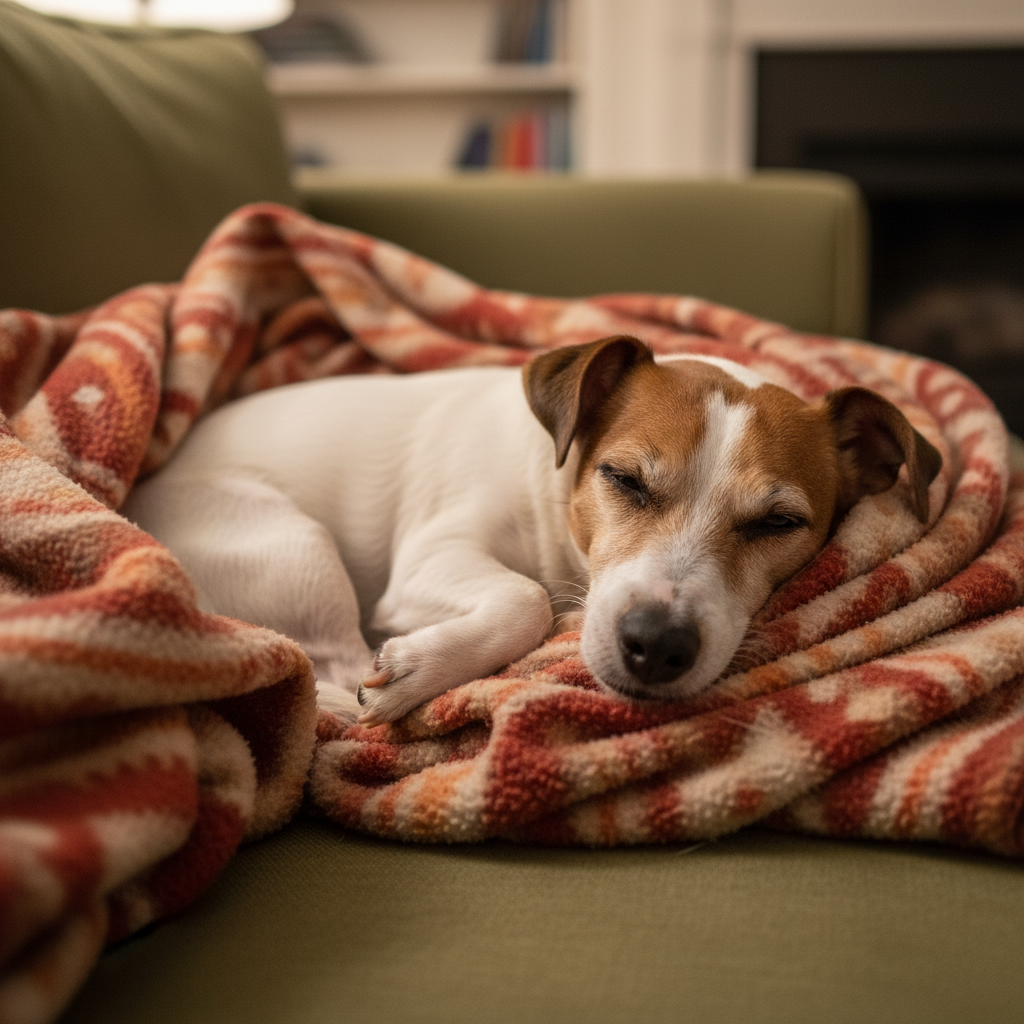
Uncontrollable shivering is another common and scary post-anesthesia behavior. Owners often assume their dog is cold or frightened. While both can be contributing factors, the primary cause is often related to thermoregulation. Anesthetic drugs can interfere with the hypothalamus, the brain’s thermostat, making it difficult for your dog to maintain its core body temperature. Furthermore, their body temperature may have dropped slightly during the procedure itself.
The shivering you see is the body’s involuntary muscular effort to generate heat and raise its temperature back to normal. It is a physiological response, not necessarily an emotional one. Differentiating this from a seizure is key: during post-anesthetic shivering, your dog should remain conscious and responsive to your voice.
How to Manage Shivering:
- Provide Warmth: Cover your dog with warm, dry blankets. Ensure they are not placed on a cold floor.
- Avoid Overheating: Do not use electric heating pads or blankets, as a disoriented dog cannot move away if they become too hot and may suffer burns. Stick to regular blankets.
- Check Their Gums: If the shivering is violent and accompanied by pale or blue-tinged gums, it could indicate a more serious issue. Contact your vet immediately.
Behavior #4: Changes in Appetite and Potential Nausea
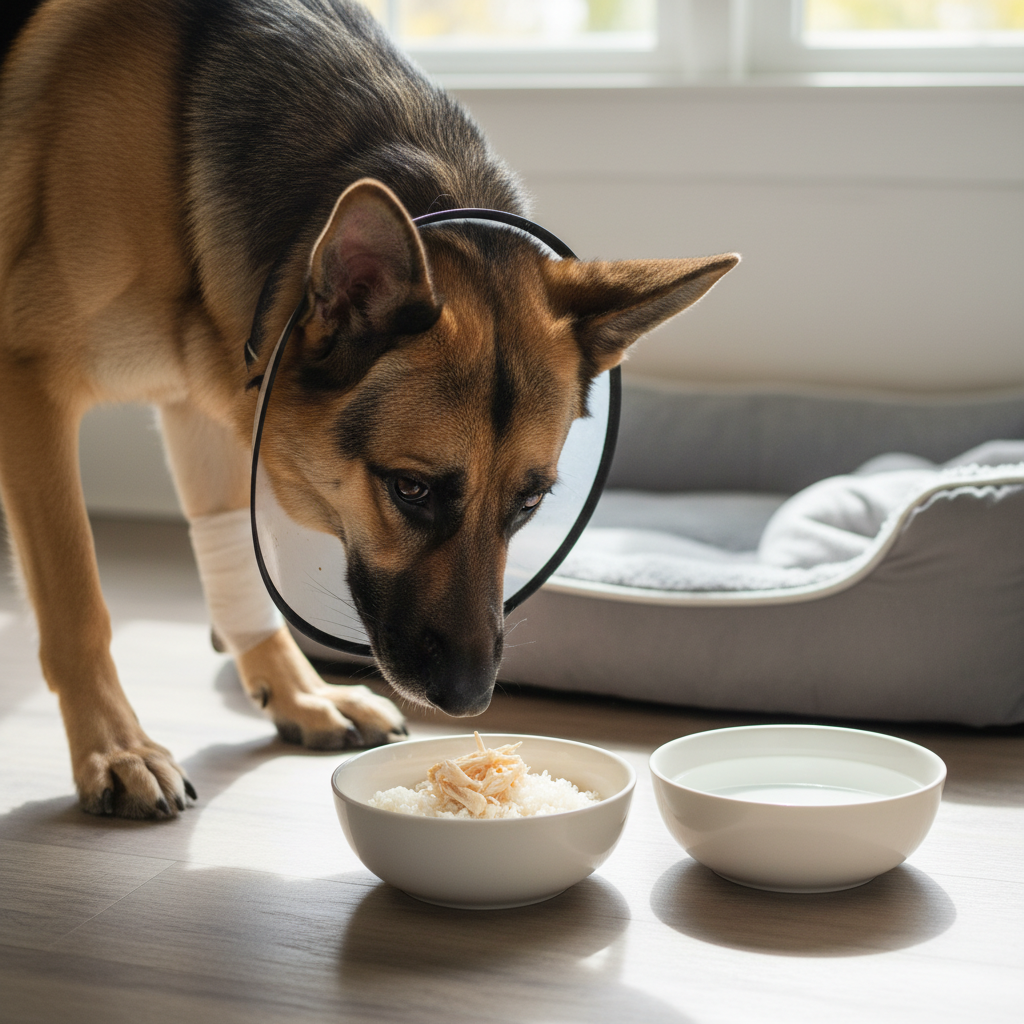
It is highly likely that your dog will have little to no interest in food for the first 12-24 hours after returning home. Anesthetic agents can cause nausea and slow down the entire gastrointestinal (GI) tract. The thought of eating is unappealing, and forcing the issue can lead to vomiting, which can be dangerous for a sedated animal due to the risk of aspiration.
Your veterinarian likely gave you specific instructions for reintroducing food and water. It is imperative to follow these directions precisely to prevent complications.
Typically, you will start by offering a small amount of water a few hours after arriving home. If they can keep that down, you can later offer a small, bland meal. This gradual reintroduction allows the GI system to ‘wake up’ without being overwhelmed.
How to Manage Inappetence:
| Action | Rationale | Timeline |
|---|---|---|
| Offer Water | Hydration is key. Start with small amounts to test for nausea. | 2-4 hours after arriving home. |
| Offer a Bland Meal | Easy to digest foods like boiled chicken (no skin/bones) and white rice are gentle on the stomach. | 4-6 hours after water, if no vomiting occurs. |
| Return to Normal Diet | Gradually mix their regular food back in with the bland diet over 2-3 days. | 24-72 hours post-procedure. |
Behavior #5: Uncharacteristic Aggression, Fear, or Clinginess
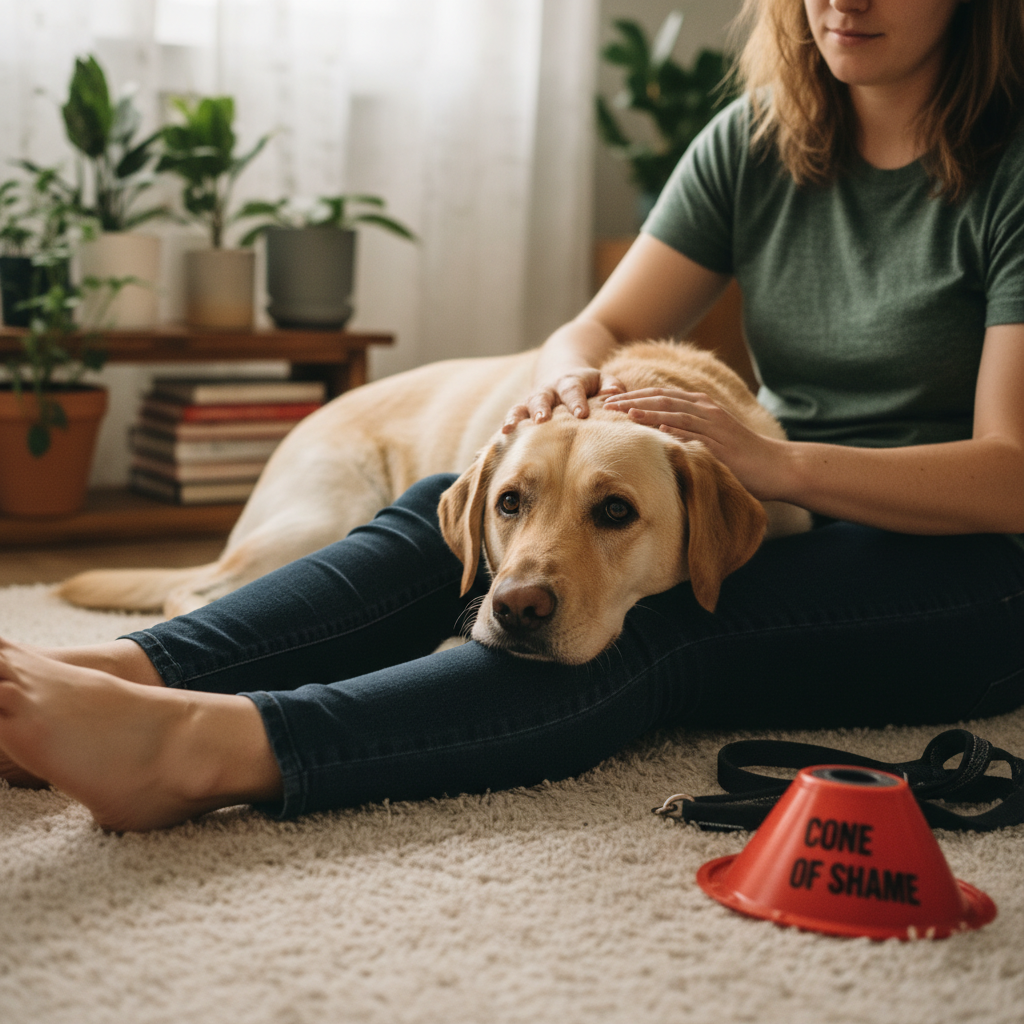
The psychological effects of anesthesia and the post-operative experience can be just as significant as the physical ones. The deep-seated confusion (dysphoria) can manifest in extreme and uncharacteristic emotional states. A normally placid and friendly dog might growl, snarl, or even snap if approached. This is not malicious behavior; it is a defensive reaction rooted in fear and disorientation. They don’t understand what happened to them or why they feel so strange, and their instinct is to protect themselves.
Conversely, a typically independent dog may become a ‘velcro dog,’ refusing to leave your side and demanding constant physical contact. This is a manifestation of insecurity. In their confused state, you are their one anchor to normalcy and safety.
How to Manage Behavioral Changes:
- Give Them Space: If your dog is showing signs of aggression, do not force interaction. Ensure other family members and pets keep their distance. Let the dog initiate contact when they feel ready.
- Provide Reassurance: For a clingy dog, offer calm, steady reassurance. Sit with them quietly, but avoid overly excited or emotional responses that could amplify their anxiety.
- Maintain Routine: As much as possible, stick to familiar routines. This predictability can be very comforting for a disoriented animal.
Critical Red Flags: When to Contact Your Veterinarian Immediately
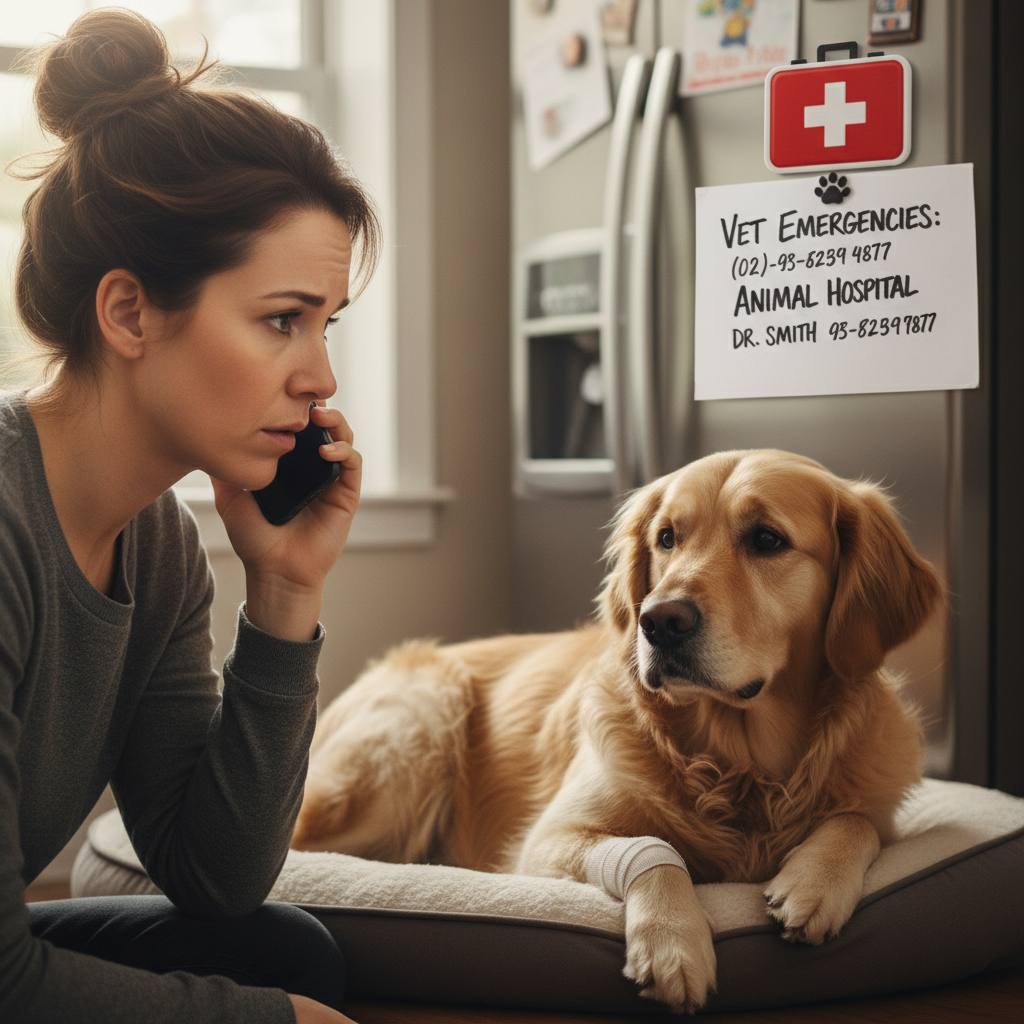
While the five behaviors discussed are generally normal, there are absolute red flags that signal a potential emergency. Your role as a vigilant observer is most critical in identifying these signs. Do not hesitate to call your veterinarian or an emergency animal hospital if you observe any of the following:
- Uncontrollable Bleeding: Any bleeding from the incision site that is more than a slow ooze or that resumes after applying gentle pressure for 5 minutes.
- Signs of Extreme Pain: Constant, high-pitched crying (different from dysphoric whining), biting at the incision, complete refusal to move, or an aggressive reaction to any touch.
- Difficulty Breathing: Labored breathing, wheezing, shallow breaths, or gums that appear pale, white, or blue.
- Seizures: Uncontrolled convulsions, loss of consciousness, paddling of the limbs, or foaming at the mouth. This is distinctly different from shivering.
- Prolonged Disorientation: If your dog’s ataxia, confusion, or severe lethargy does not show any signs of improvement after 24 hours.
- Inability to Urinate: If your dog has not urinated within 24 hours of the procedure.
- Persistent Vomiting: More than two episodes of vomiting after bringing your dog home.
Trust your instincts. You know your dog better than anyone. If you feel something is seriously wrong, a phone call to a veterinary professional is always the right decision.
Conclusion
The post-anesthesia recovery period is a temporary but challenging phase for both you and your dog. The behaviors you witness, from whining and stumbling to shivering and emotional shifts, can be deeply unsettling. However, armed with the knowledge that these are typically normal, physiological responses to the anesthetic drugs leaving the body, you can approach the situation with confidence and calm.
Your primary role is to provide a safe, warm, and quiet environment that allows your dog’s body and mind to heal. Patience, careful observation, and adherence to your veterinarian’s post-operative instructions are your most powerful tools. By understanding the process and knowing the critical red flags to watch for, you can navigate this final hurdle and guide your beloved companion to a full and speedy recovery.