5 Diet Hacks to Stop Dog Pee From Killing Your Grass
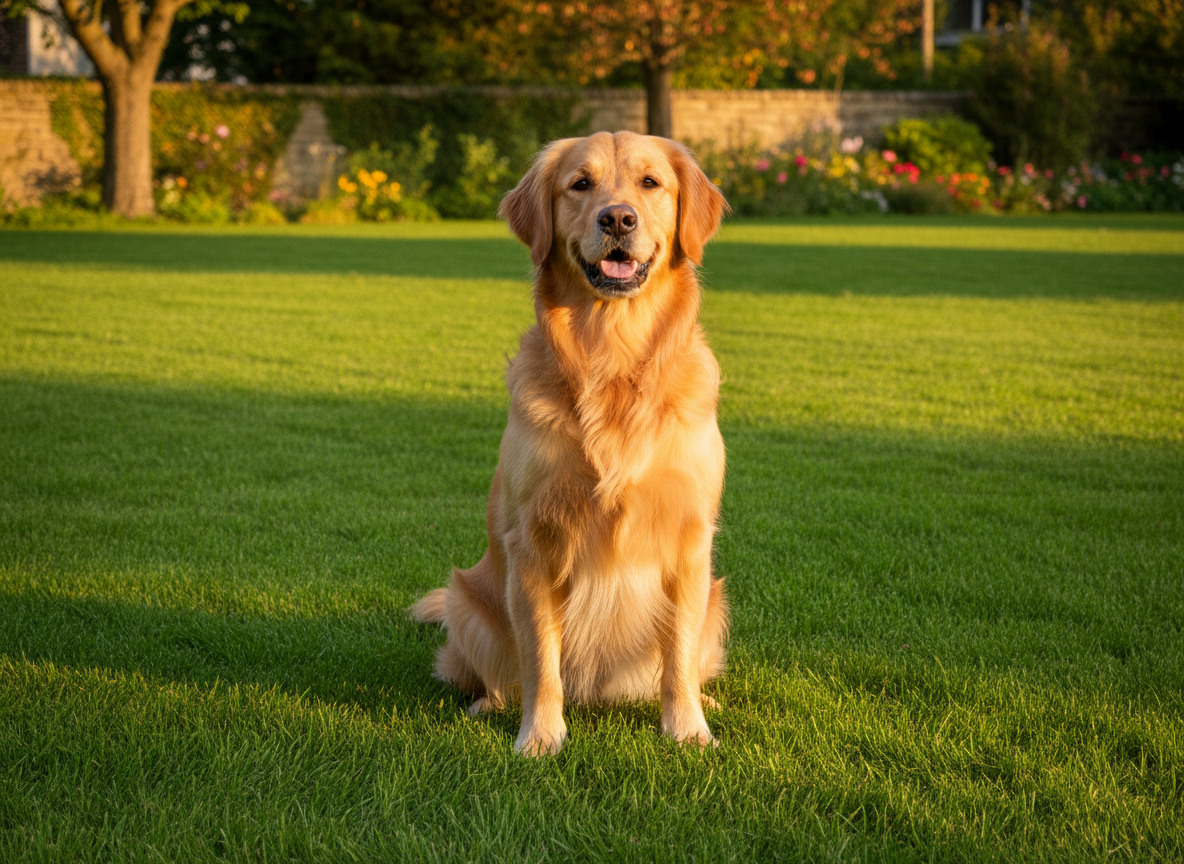
As a pet owner, you cherish the joy your canine companion brings to your life. However, that joy can be slightly diminished by the mysterious, persistent yellow and brown spots that appear on your otherwise pristine lawn. This common frustration, often called lawn burn or urine scald, leads many to seek solutions, sometimes resorting to questionable products or folklore remedies. The truth is, the key to a greener lawn and a healthier dog lies not in lawn chemicals, but within your dog’s food bowl.
A prevalent myth suggests that acidic urine is the culprit behind these dead patches of grass. However, the primary cause is the high concentration of nitrogen in your dog’s urine. Nitrogen is a byproduct of protein metabolism, and while it is a key component of fertilizer, a highly concentrated dose delivered in one spot effectively ‘burns’ the grass. This guide will provide five professional, science-backed dietary hacks to manage your dog’s urinary nitrogen output, protecting your lawn while prioritizing their health and well-being. Before implementing any dietary changes, a consultation with your veterinarian is essential to ensure these strategies are appropriate for your specific dog.
The Nitrogen Overload: Debunking the pH Myth
Understanding the Science: Why Dog Urine Damages Lawns
To effectively address lawn burn, we must first understand the underlying biochemical process. When a dog consumes protein, their body breaks it down into amino acids for various functions like muscle repair and tissue growth. Any excess amino acids that are not utilized are further broken down, and the nitrogen component is converted into urea and other nitrogenous compounds. These waste products are then filtered by the kidneys and excreted in the urine.
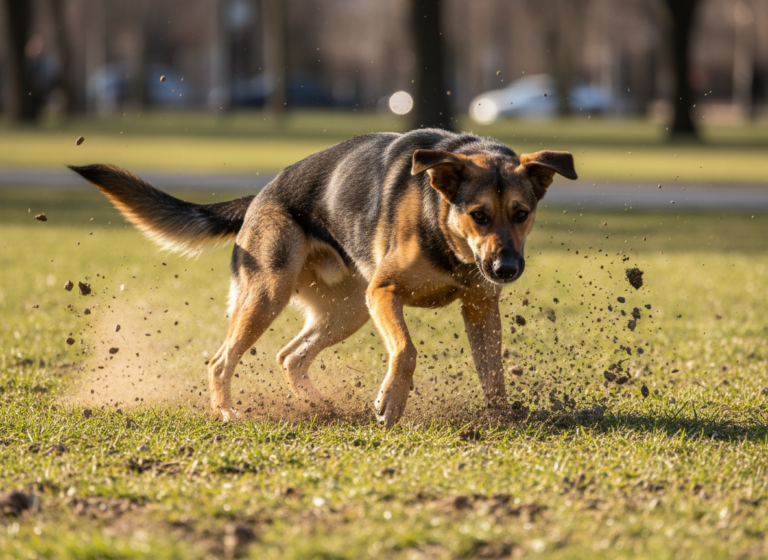
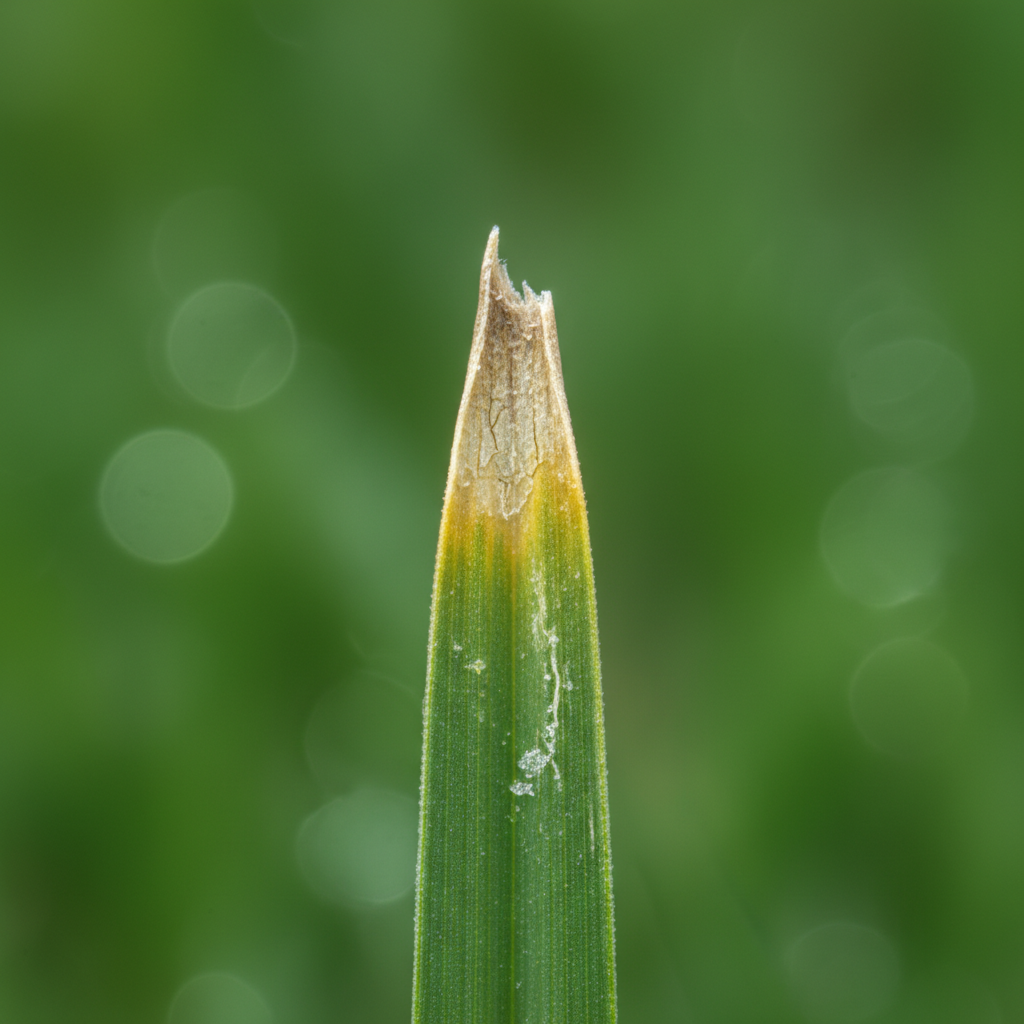
When this highly concentrated, nitrogen-rich urine is deposited onto your lawn, it acts like a potent, localized overdose of liquid fertilizer. The salts and nitrogen draw water out of the grass blades, causing cellular dehydration and death, resulting in the characteristic yellow or brown spot. The green ring that sometimes forms around the dead patch is evidence of this process; the diluted edges of the urine spot provide just enough nitrogen to act as a fertilizer, causing a surge in growth and color.
The widespread belief that urine acidity is the problem is largely inaccurate. While a dog’s urine pH can fluctuate, normal canine urine is typically slightly acidic to neutral (ranging from 6.0 to 7.5). This pH level is generally not extreme enough to cause the kind of chemical burn seen on lawns. Therefore, products and dietary changes aimed solely at altering urine pH often miss the mark and can potentially disrupt your dog’s delicate urinary tract health, possibly increasing the risk of crystal or stone formation. The focus must be on the concentration of nitrogen, which is directly influenced by diet and hydration.
Hack #1: Choose High-Quality, Highly Digestible Protein
Optimizing Protein Intake for Reduced Waste
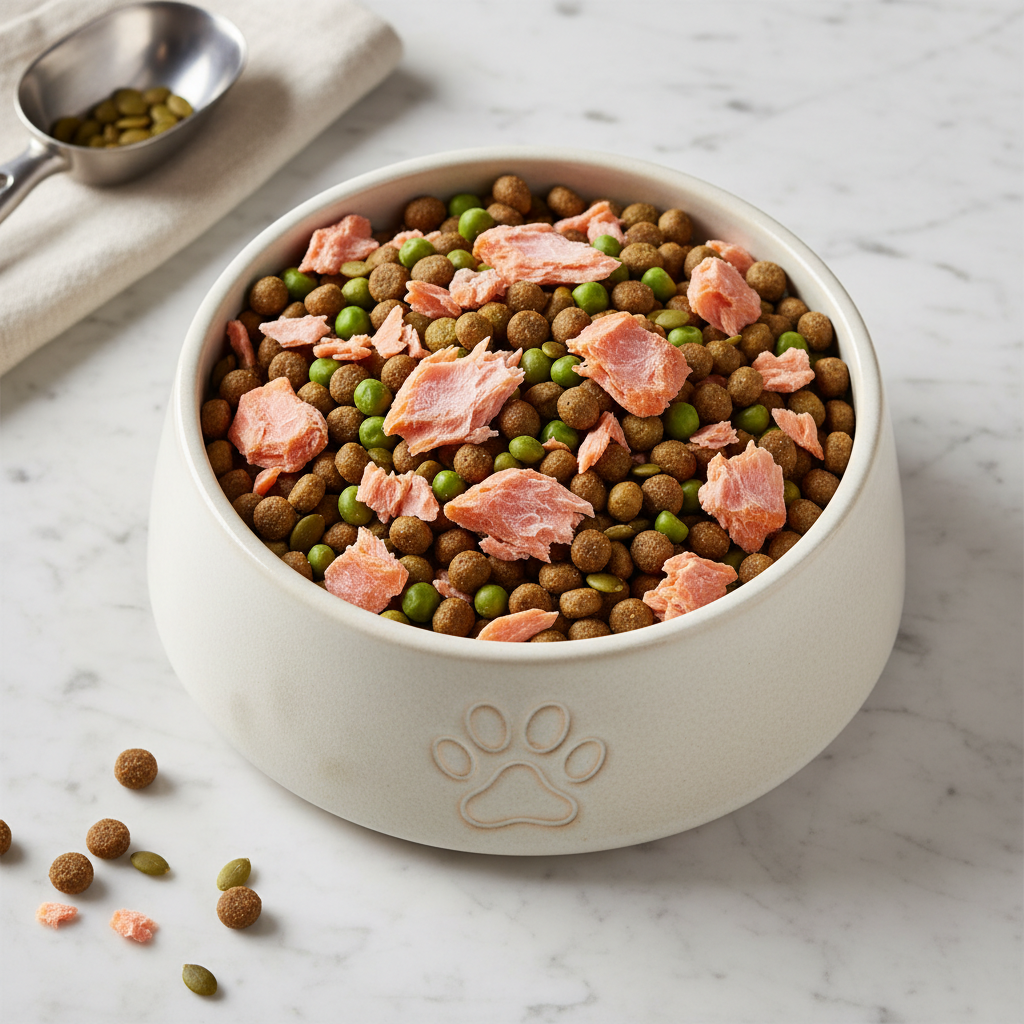
The first and most critical dietary adjustment involves evaluating the quality of the protein in your dog’s food. Not all proteins are created equal in terms of their biological value and digestibility. Highly digestible proteins are more efficiently absorbed and utilized by your dog’s body, leaving less excess to be converted into nitrogenous waste. Conversely, lower-quality, less digestible proteins pass through the system with less efficiency, resulting in a higher concentration of urea in the urine.
When selecting a dog food, scrutinize the ingredients list. Look for formulas where the first few ingredients are named whole meat sources, such as ‘deboned chicken,’ ‘lamb meal,’ or ‘salmon.’ These are generally more digestible than vague terms like ‘meat and bone meal’ or plant-based protein fillers like corn gluten meal, which can contribute to higher nitrogen waste.
Comparing Protein Sources
Understanding the difference in digestibility is key. A diet rich in high-quality animal protein ensures your dog gets the amino acids they need without the unnecessary nitrogenous byproducts that harm your lawn.
| Protein Source Type | Examples | General Digestibility | Impact on Urine Nitrogen |
|---|---|---|---|
| High-Quality Animal Protein | Deboned Chicken, Lamb Meal, Fish Meal, Egg | High (85-95%) | Lower Waste Concentration |
| Lower-Quality Animal Byproducts | Meat & Bone Meal, Poultry By-product Meal | Variable (Can be low) | Potentially Higher Waste |
| Plant-Based Protein Fillers | Corn Gluten Meal, Soy Protein | Lower than animal sources | Higher Waste Concentration |
Transitioning to a food with superior protein sources can make a significant difference. It not only helps protect your lawn but also supports your dog’s overall health, muscle maintenance, and energy levels. Always transition to a new food gradually over 7-10 days to avoid digestive upset.
Hack #2: Increase Water Consumption to Dilute Urine
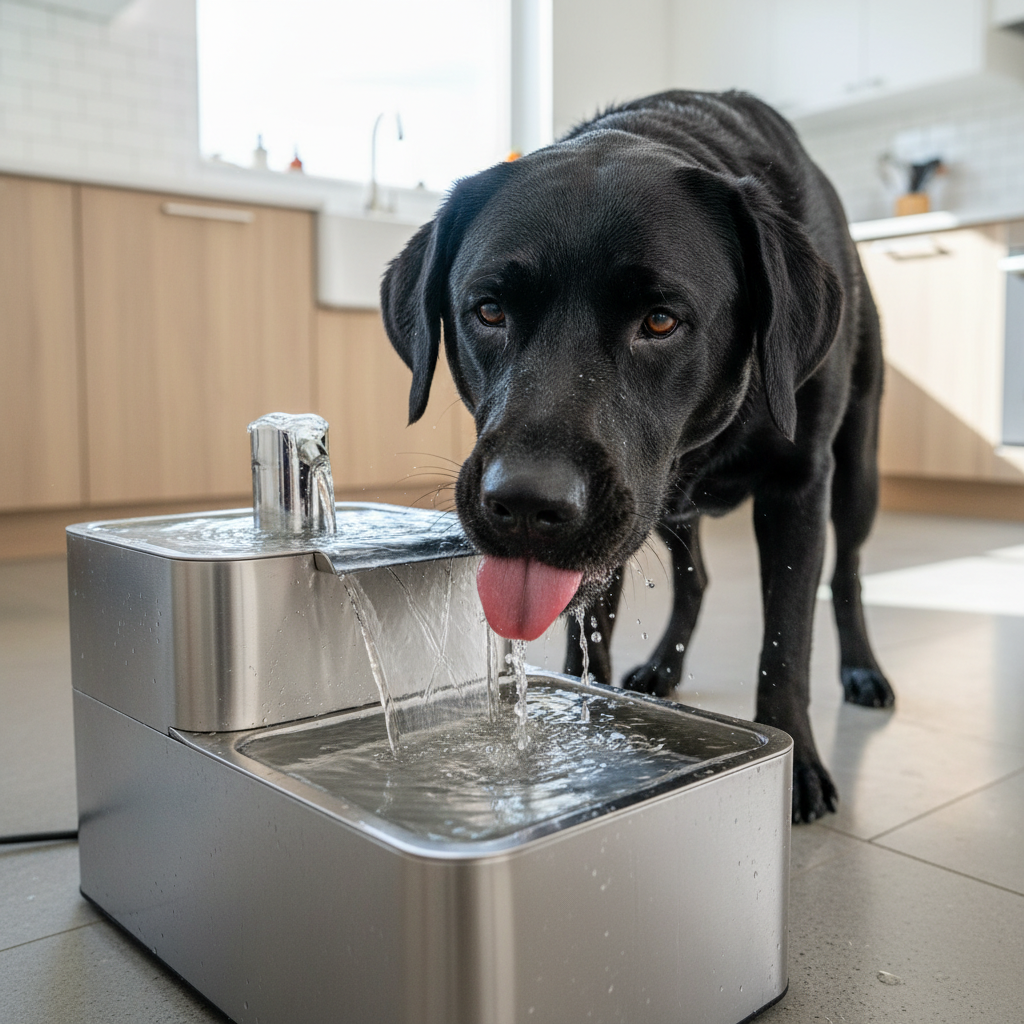
The Power of Hydration for Lawn Protection
Perhaps the simplest, safest, and most effective strategy for mitigating lawn burn is to increase your dog’s water intake. The principle is straightforward: the more water a dog drinks, the more dilute their urine will be. Diluted urine contains the same amount of nitrogen, but it is spread out over a larger volume of liquid, making it far less concentrated and less likely to scorch the grass. Proper hydration is also fundamental to your dog’s overall health, supporting kidney function, circulation, and temperature regulation.
Practical Methods to Encourage Drinking:
- Enhance Their Food: One of the easiest methods is to add water directly to your dog’s kibble. Start with a quarter cup of warm water, allowing it to soak for a few minutes to create a gravy-like consistency. You can also add a splash of low-sodium chicken or beef broth (ensure it is free of onions and garlic) to make their meals more enticing and hydrating.
- Introduce a Water Fountain: Many dogs are attracted to moving water. A pet water fountain can encourage more frequent drinking throughout the day by providing a constant supply of fresh, filtered, and aerated water.
- Multiple Water Stations: Place several clean, fresh water bowls in different locations throughout your home and yard. Easy access means more opportunities for your dog to hydrate.
- Offer Hydrating Treats: On warm days, offer ice cubes or frozen low-sodium broth as a refreshing and hydrating treat.
By making a conscious effort to boost your dog’s hydration, you are implementing a powerful tool against lawn burn that simultaneously promotes their urinary and renal health.
Hack #3: Add Water-Rich, Nutrient-Dense Produce
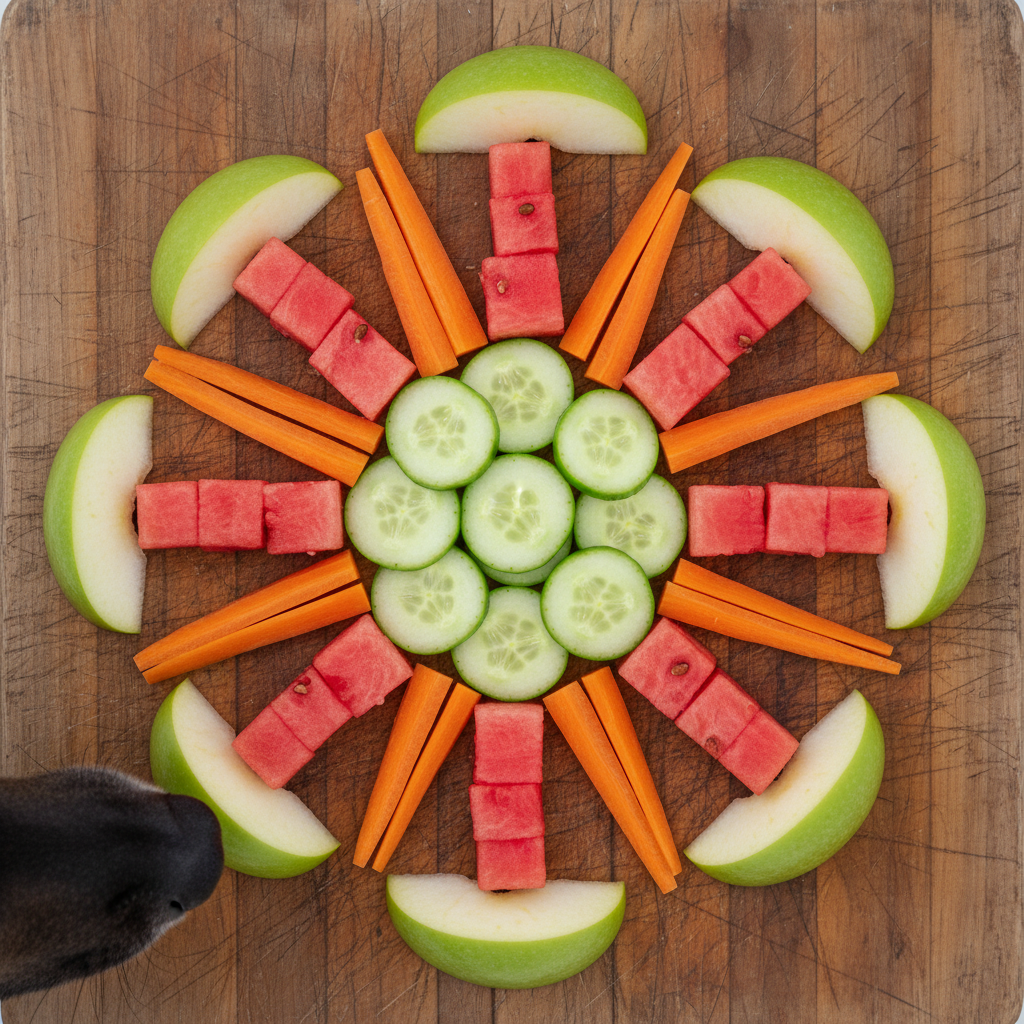
Incorporating Dog-Safe Fruits and Vegetables
Supplementing your dog’s diet with specific fruits and vegetables can be a healthy way to increase their overall moisture intake while providing beneficial vitamins, minerals, and fiber. Many dog-safe produce items have a very high water content, which contributes to more dilute urine. However, it is crucial to introduce these items slowly and in moderation to avoid causing gastrointestinal upset.
Always introduce one new food at a time and watch for any signs of digestive distress, such as gas or loose stools. All fruits and vegetables should be washed thoroughly, and certain items, like apples, must have their seeds and core removed as they can be toxic. These additions should be considered treats and should not make up more than 10% of your dog’s total daily caloric intake.
Safe and Hydrating Produce Options
The following table outlines some excellent choices for boosting your dog’s hydration through their diet. The serving suggestions are general guidelines; consult your vet for personalized advice.
| Safe Produce | Approximate Water Content | Serving Suggestion (per 20lbs body weight) | Notes |
|---|---|---|---|
| Cucumber | 96% | 2-3 thin slices | Low in calories, good source of Vitamin K. |
| Celery | 95% | One 1-inch piece | Contains vitamins A, B, and C. Can freshen breath. |
| Watermelon | 92% | 1-2 small, seedless cubes | Remove rind and all seeds. Excellent source of hydration. |
| Carrots | 88% | 1-2 baby carrots or small slices | Good for dental health and rich in beta-carotene. |
| Apples | 86% | 1-2 small slices | CRITICAL: Remove core and all seeds. |
By thoughtfully adding these natural, water-rich foods, you can subtly increase your dog’s hydration levels throughout the day, contributing to a healthier urinary system and a less damaging impact on your lawn.
Hack #4: Enhance Nutrient Absorption with Gut Support
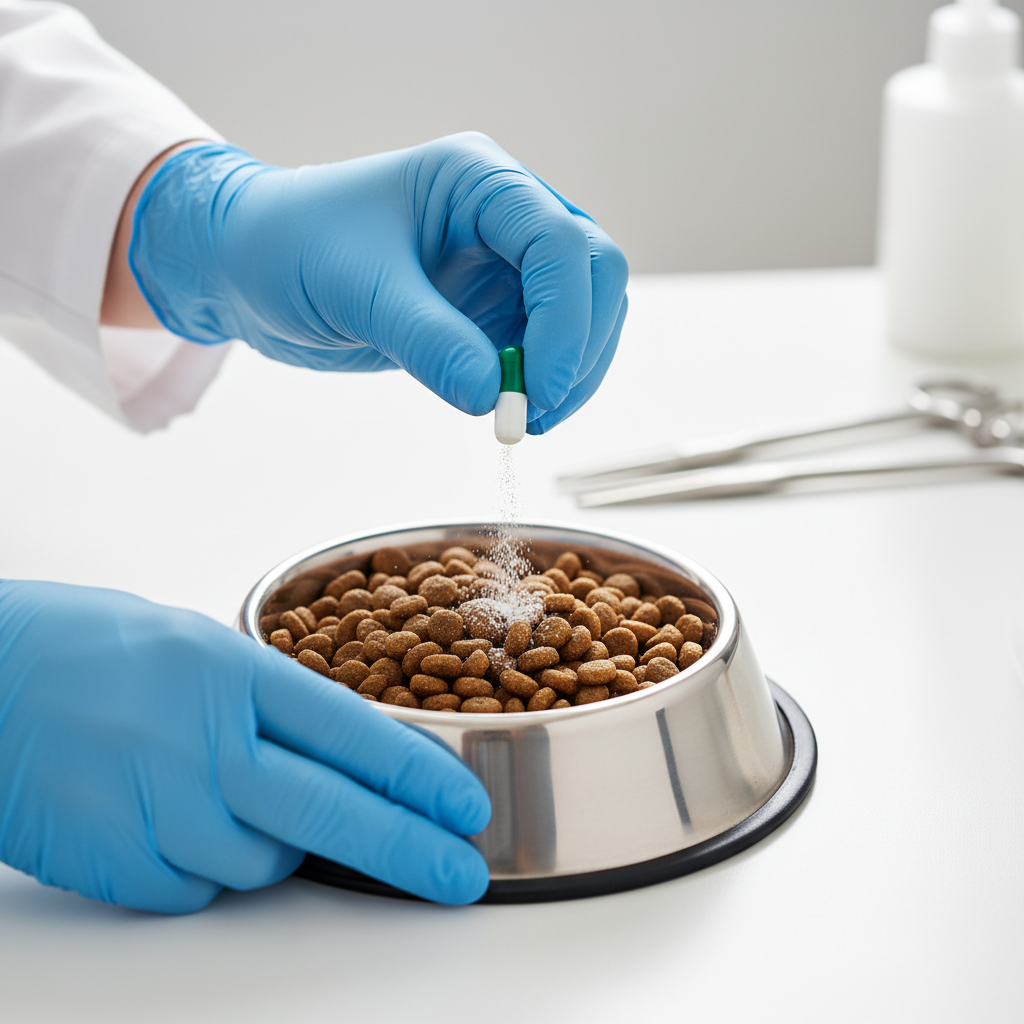
Strategic Use of Digestive Enzymes and Probiotics
The efficiency of your dog’s digestive system plays a significant role in nutrient utilization and waste production. A robust and balanced gut microbiome helps your dog break down and absorb nutrients—including protein—more effectively. When the digestive system is functioning optimally, more of the protein is used by the body, and less is converted into the nitrogenous waste that ends up in the urine.
This is where digestive supplements can be beneficial. Probiotics are live, beneficial bacteria that support a healthy gut flora, while digestive enzymes are proteins that help break down fats, carbohydrates, and proteins into smaller, more absorbable components. By improving the entire digestive cascade, you can indirectly reduce the nitrogen load in your dog’s urine.
Consulting Your Veterinarian is Non-Negotiable
While these supplements are generally safe, they are not suitable for all dogs. It is imperative to consult your veterinarian before adding any supplement to your dog’s regimen. They can recommend a reputable, high-quality product with the appropriate strains and concentrations for your dog’s specific needs. A professional can also rule out any underlying medical conditions that might be contributing to digestive issues. Improving gut health is a long-term strategy that supports not just your lawn, but your dog’s immune system, skin and coat health, and overall vitality.
Hack #5: Critically Assess “Lawn Burn” Supplements
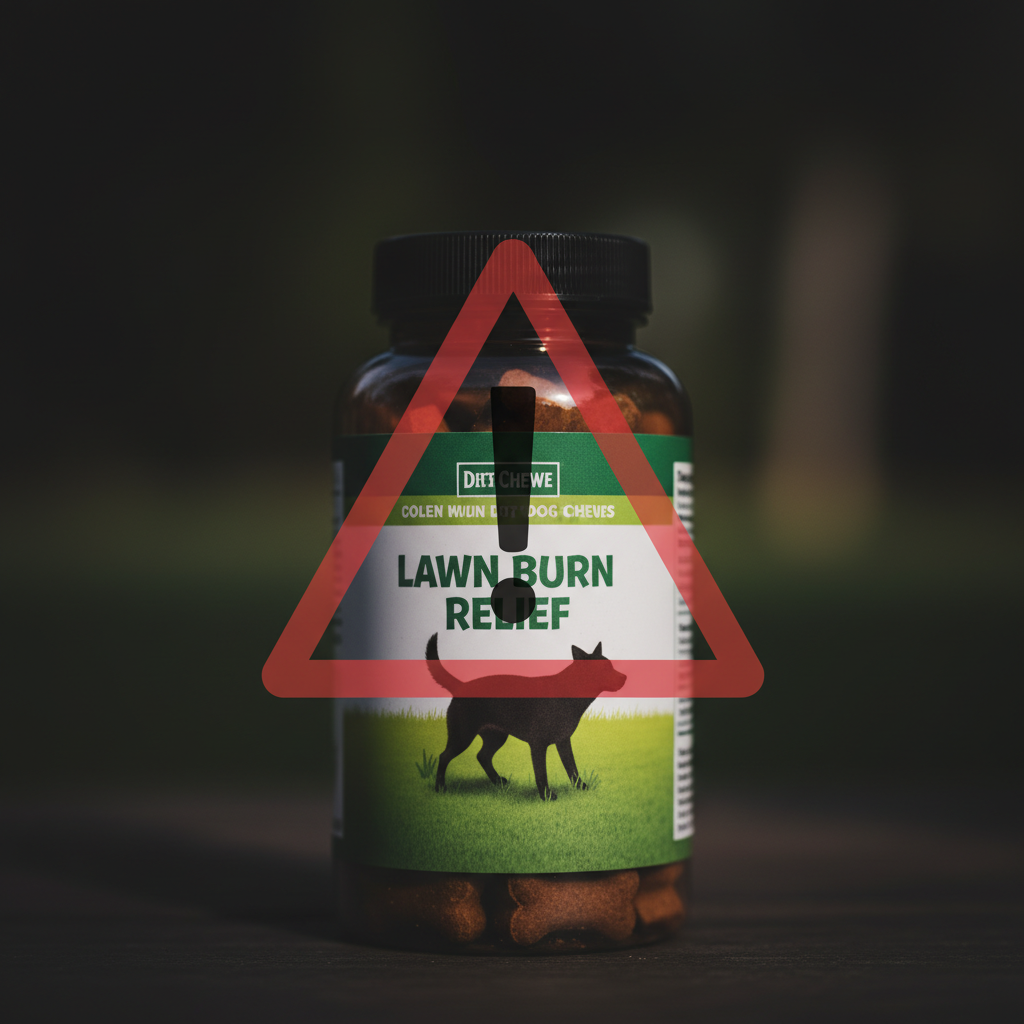
Evaluating Commercial Supplements with Extreme Caution
A quick search online or in a pet store will reveal a plethora of supplements marketed as ‘lawn savers’ or ‘urine burn remedies.’ These products often come in the form of chews, biscuits, or powders and claim to alter the chemical makeup of your dog’s urine to make it grass-friendly. It is absolutely critical to approach these products with a high degree of skepticism and professional guidance.
Many of these supplements work in one of two ways. Some contain salt (sodium chloride) or other ingredients that increase thirst, effectively tricking your dog into drinking more water and diluting their urine. While dilution is the goal, adding excess salt to a dog’s diet is unhealthy and can be dangerous, especially for dogs with heart or kidney conditions. Others contain an amino acid called DL-Methionine, which is used to acidify the urine. As we’ve discussed, acidity is not the primary cause of lawn burn, and medically acidifying urine can increase the risk of forming calcium oxalate bladder stones, a serious and painful condition.
Altering a dog’s systemic pH or electrolyte balance without a clear medical indication is a risky endeavor. Natural, dietary approaches focused on hydration and high-quality nutrition are always the safer first line of defense for managing urinary nitrogen.
Never administer one of these products without an in-depth discussion with your veterinarian. They can analyze the active ingredients and determine if the product is safe for your individual pet’s health profile. In most cases, the four preceding natural, dietary hacks are far safer and more effective for both your dog and your lawn.
A Multi-Pronged Approach for a Greener Lawn
Beyond Diet: A Holistic Lawn Care Strategy
While dietary management is a cornerstone of preventing urine burn, a holistic approach that combines diet with proactive lawn care will yield the best results. These strategies work in tandem with the nutritional hacks to give your lawn its best chance at staying green and healthy.
Complementary Lawn Management Techniques:
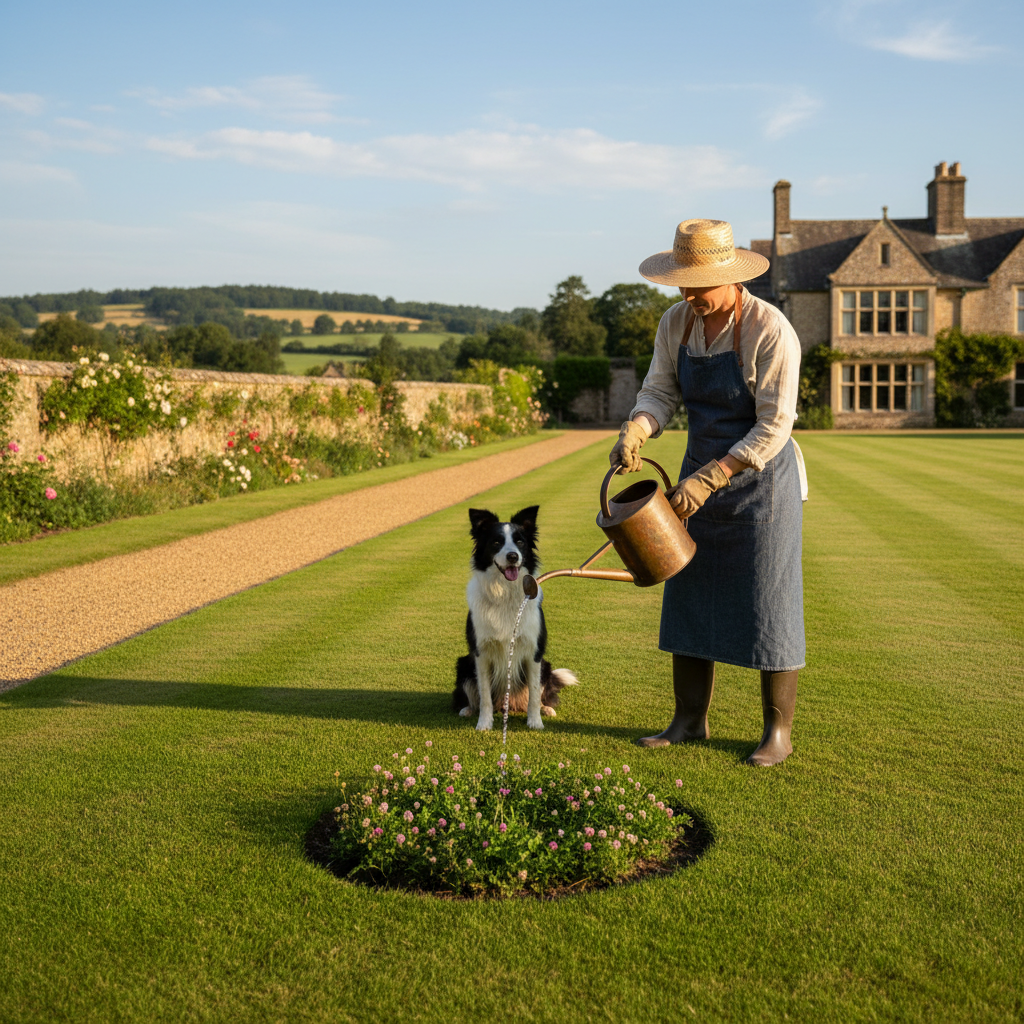
- The Dilution Solution: Keep a watering can or hose near the door. Immediately after your dog urinates, pour a generous amount of water over the spot. This physically dilutes the nitrogen, washing it into the soil and preventing it from scorching the grass blades.
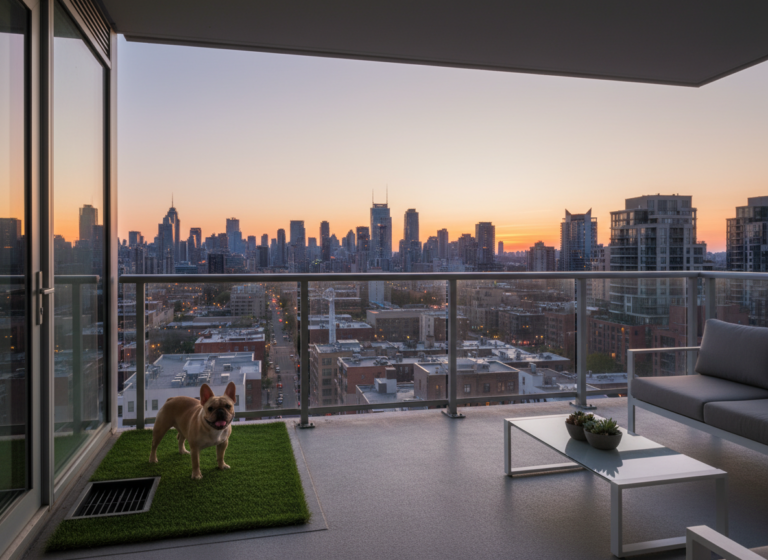
- Designate a Potty Area: With consistent training and positive reinforcement, you can teach your dog to use a specific area of your yard for urination. Choose a less visible spot and cover it with a substrate like pea gravel or mulch, which won’t be damaged by urine.
- Choose Hardy Grass Varieties: Some types of grass are more resistant to nitrogen damage than others. When seeding or laying sod, consider varieties like Fescue and Ryegrass, which tend to be more resilient than delicate grasses like Kentucky Bluegrass or Bermuda.
- Promote Overall Lawn Health: A strong, healthy lawn is better equipped to withstand stress. Ensure you are watering your lawn deeply but infrequently to encourage deep root growth, and follow a regular, balanced fertilization schedule to avoid creating nutrient deficiencies.
By combining these lawn care tactics with the dietary strategies outlined above, you create a comprehensive system that protects your grass from every angle.
Conclusion
Achieving a beautiful lawn that coexists peacefully with your beloved dog is entirely possible. The solution lies not in quick fixes or risky supplements, but in a thoughtful, health-first approach centered on your dog’s diet. By focusing on providing high-quality, digestible protein, significantly increasing hydration, supplementing with water-rich produce, and supporting gut health, you can naturally reduce the concentration of lawn-damaging nitrogen in your dog’s urine. These methods are safe, effective, and contribute positively to your dog’s overall well-being.
Remember, your dog’s health is the paramount concern. Before making any adjustments to their diet or introducing new foods or supplements, a thorough consultation with your veterinarian is not just recommended—it is essential. They are your partner in ensuring your dog remains healthy and thriving. With a little knowledge and proactive care, you can enjoy the companionship of a happy dog and the beauty of a lush, green lawn for years to come.