5 Critical Signs Of Dehydration In Dogs You Can’t Ignore
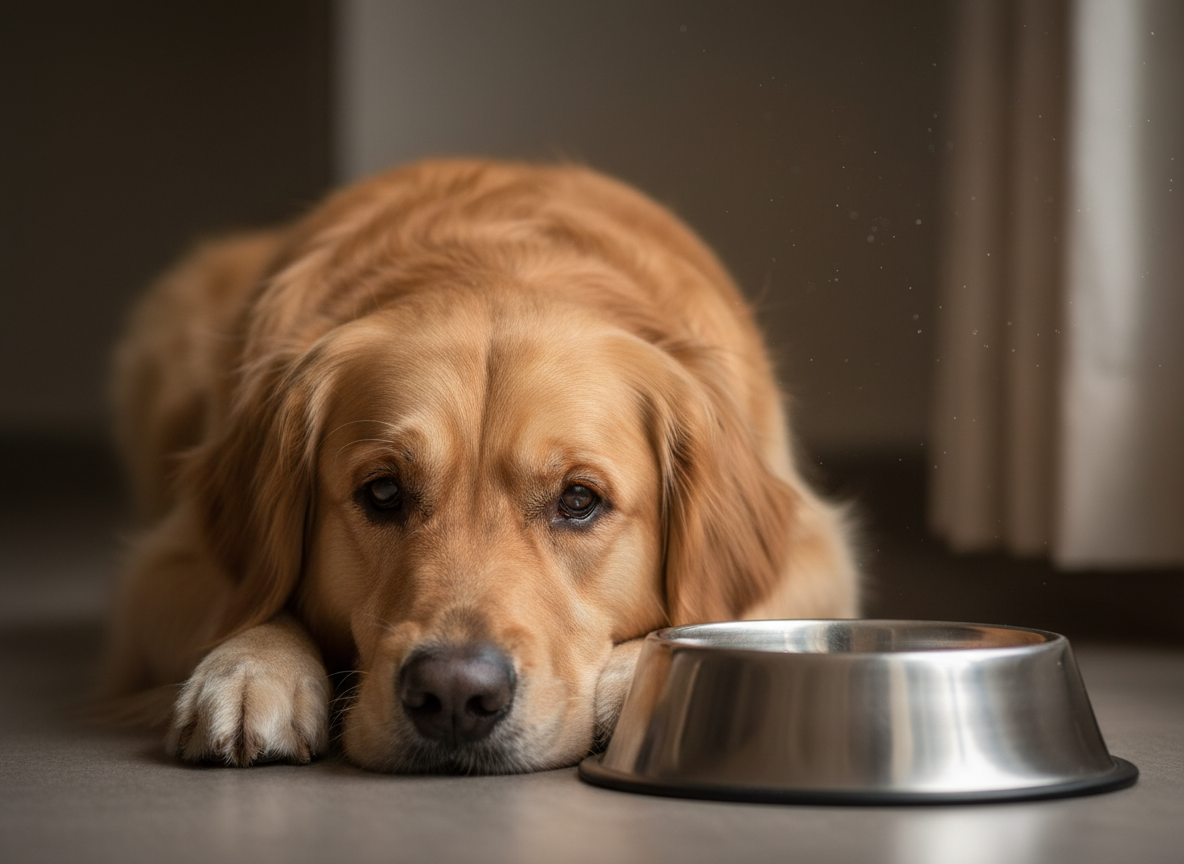
Water is the essence of life, and for our canine companions, it constitutes approximately 60% of their body weight. It is fundamental to nearly every physiological process, from regulating body temperature and lubricating joints to aiding digestion and flushing toxins. When a dog’s body loses more fluid than it takes in, the resulting imbalance, known as dehydration, can quickly escalate from a minor issue to a life-threatening emergency. Recognizing the early signs is not just helpful—it is a critical responsibility for every pet owner. This comprehensive guide will walk you through the five most important signs of dehydration, explain their physiological significance, and provide clear, actionable steps to take to safeguard your dog’s well-being.
Sign 1: Loss of Skin Elasticity (The Skin Tenting Test)

One of the most reliable and immediate at-home checks for dehydration is assessing skin turgor, or its elasticity. A well-hydrated dog has supple, elastic skin that snaps back into place instantly when gently pulled. In a dehydrated state, the skin loses this moisture and resilience.
How to Perform the Test
To properly check for skin elasticity, follow these simple steps:
- Gently grasp a fold of skin on your dog’s back, between the shoulder blades. Avoid using the skin on the neck, as it can be naturally thicker and less elastic, potentially giving a false result.
- Lift the skin up and away from the body.
- Release the skin and observe how quickly it returns to its normal position.
In a hydrated dog, the skin should snap back into place almost immediately. If the skin ‘tents’—meaning it returns slowly or remains in a raised position for several seconds—it is a clear indicator of moderate to severe dehydration. This slowness occurs because the subcutaneous tissues lack the fluid necessary to maintain their structure and recoil. It is a direct physical manifestation of the body’s depleted water reserves.
Expert Tip: Practice this test when you know your dog is healthy and well-hydrated. This will give you a baseline understanding of your dog’s normal skin elasticity, making it easier to spot an abnormality during a health concern.
Sign 2: Dry, Sticky Gums and Thick Saliva
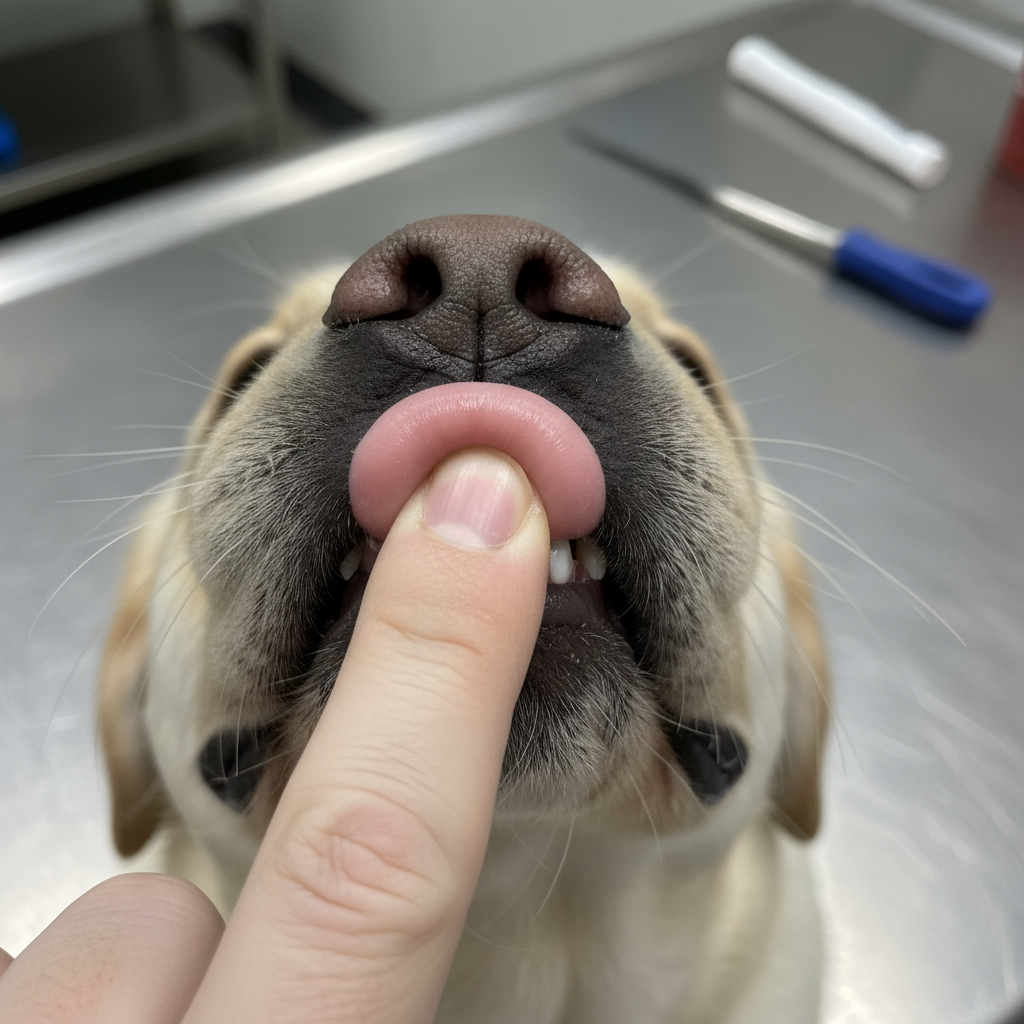
A dog’s gums are a window into their circulatory health and hydration status. Healthy, well-hydrated gums should be slick, wet, and a healthy pink color (though some breeds have naturally pigmented gums). When you press a finger against them, the spot should briefly turn white and then return to its normal pink color in less than two seconds. This is known as the Capillary Refill Time (CRT).
What to Look For
In a dehydrated dog, the body redirects moisture from non-essential areas, like the mouth, to support vital organs. This results in noticeable changes:
- Dryness: The gums will lose their slick, wet feeling and become dry or tacky to the touch.
- Stickiness: When you lift your dog’s lip, your finger might feel a slight stickiness on the gum surface.
- Thick, Ropy Saliva: Instead of thin, watery saliva, you may notice thick, stringy, or ropy saliva in your dog’s mouth.
- Prolonged CRT: If you press on the gums and the color takes longer than two seconds to return, it can indicate poor perfusion related to dehydration.
To check, simply lift your dog’s upper lip and gently touch the gum tissue above the teeth. The change from a slippery surface to a sticky one is a significant red flag that warrants immediate attention.
Sign 3: Sunken Eyes and a Dry Nose
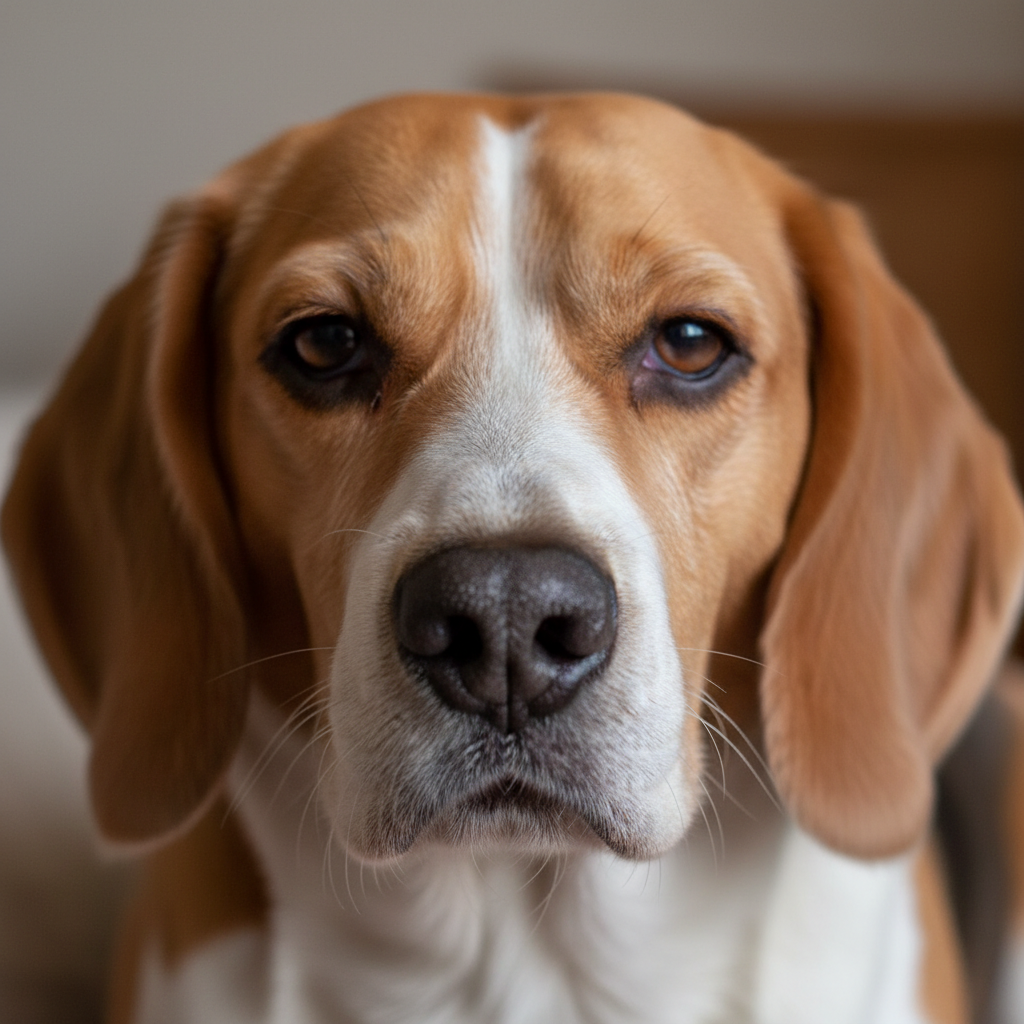
The appearance of a dog’s eyes can provide subtle but important clues about their hydration level. The fatty tissue and moisture that normally surround the eyeball help it maintain a full, bright appearance. When a dog becomes dehydrated, this fluid is depleted, causing the eyes to recede slightly into their sockets. This can give the dog a tired, dull, or ‘sunken’ look. The third eyelid may also become more prominent.
Observing the Eyes and Nose
While a dry nose is not always a definitive sign of illness on its own, a persistently dry, cracked, or crusty nose—especially in conjunction with other symptoms—can be a supporting indicator of dehydration. A healthy dog’s nose is typically cool and moist due to the secretion of mucus that enhances their sense of smell. During dehydration, this secretion can decrease significantly, leading to a dry nasal plane.
When you look at your dog’s face, assess their overall expression. Do they look bright and alert, or do their eyes appear dull, listless, and sunken? This visual cue, combined with the other signs, helps build a complete picture of your dog’s hydration status.
Sign 4: Lethargy, Weakness, and Depression
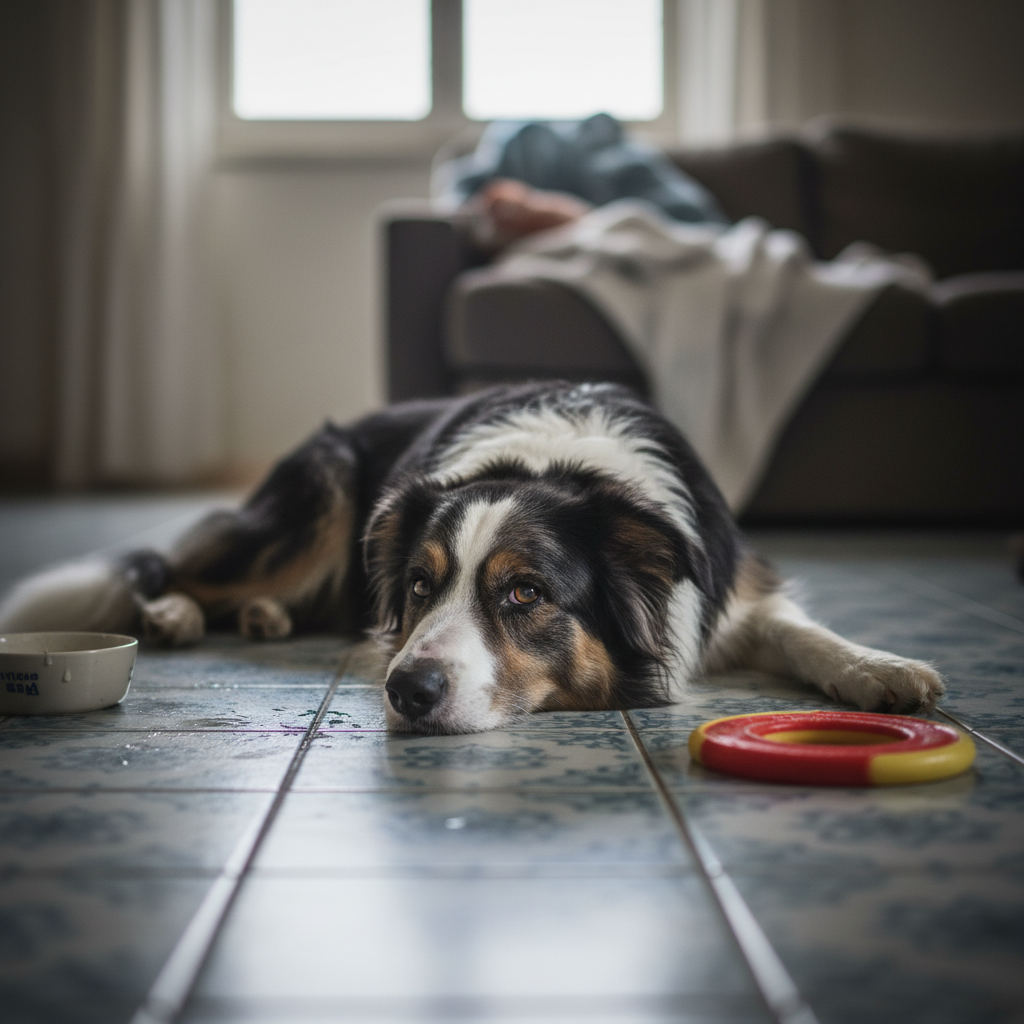
A sudden and unexplained drop in your dog’s energy level is a major warning sign. Dehydration directly impacts circulation and the delivery of oxygen and nutrients to muscles and organs, including the brain. This physiological strain manifests as physical and mental fatigue.
Behavioral Changes to Monitor
A dehydrated dog may exhibit a range of behaviors indicating lethargy and weakness:
- Reluctance to Move: They may be unwilling to get up, play, or go for a walk.
- Weakness or Ataxia: They might seem wobbly, uncoordinated, or have trouble standing.
- Delayed Responses: Their response to commands, calls, or stimuli may be noticeably slower than usual.
- General Depression: The dog may seem withdrawn, uninterested in their surroundings, and generally ‘not themselves’.
This is not simple tiredness after a long walk. This is a profound state of exhaustion where the body is conserving every last bit of energy to maintain vital functions. If your normally energetic dog suddenly becomes listless and weak, dehydration should be considered a primary suspect, especially if other signs are present.
Sign 5: Changes in Urination and Panting
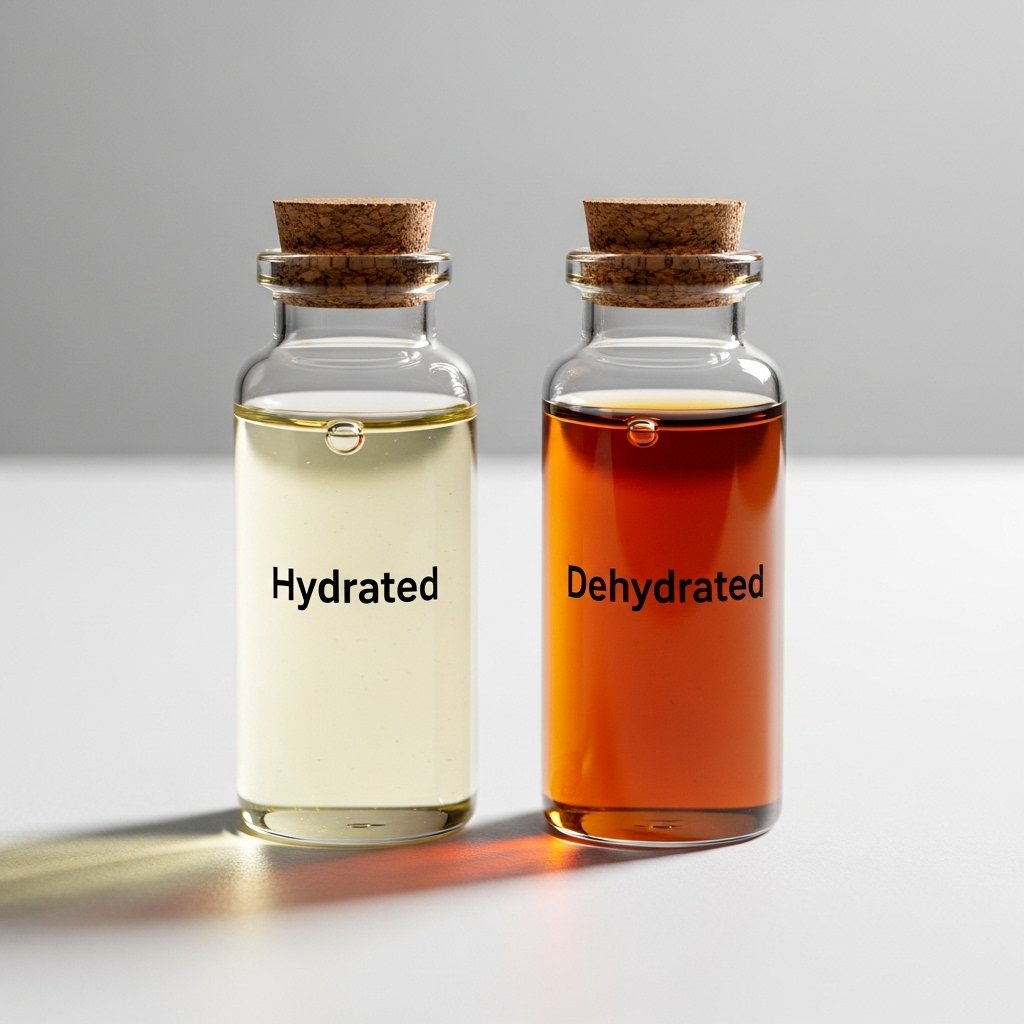
The body’s response to a fluid deficit is to conserve as much water as possible. The kidneys play a central role in this process. When a dog is dehydrated, the kidneys will work to reabsorb water, resulting in the production of highly concentrated urine. This urine will be a dark yellow or amber color and have a stronger odor. In severe cases, the dog may stop producing urine altogether as the body desperately tries to retain fluid.
Panting is a dog’s primary method of cooling down. While normal after exercise or in hot weather, excessive or heavy panting at rest can be a sign of distress, including overheating, which is a leading cause of dehydration. The rapid evaporation of water from the tongue and respiratory tract during panting leads to significant fluid loss. If the panting seems inappropriate for the activity level or temperature, it is a cause for concern.
Underlying Causes and Immediate First Aid

Recognizing the signs is the first step; understanding the cause is crucial for prevention and treatment. Dehydration doesn’t always stem from simply not drinking enough water.
Common Causes of Dehydration
- Gastrointestinal Upset: Vomiting and diarrhea are the most common causes of rapid fluid and electrolyte loss.
- Heatstroke or Overexertion: Excessive panting and sweating through paw pads in hot weather or during intense exercise can lead to severe dehydration.
- Fever: An elevated body temperature increases metabolic rate and fluid loss.
- Underlying Medical Conditions: Diseases such as kidney disease, diabetes, and certain types of cancer can interfere with the body’s ability to regulate fluid levels.
- Inadequate Access to Water: An empty, frozen, or inaccessible water bowl can lead to dehydration.
Immediate Actions at Home
If you suspect mild dehydration, you can take immediate steps. However, these are only for mild cases where the dog is still alert and responsive.
- Move the dog to a cool, shaded area immediately.
- Offer small amounts of fresh, cool water to drink. Do not allow them to gulp large quantities at once, as this can induce vomiting and worsen the situation.
- You can offer ice chips to lick, which encourages slow intake.
- Consider offering a canine-specific electrolyte solution (like Pedialyte, but consult your vet for dosage and appropriateness first).
When Dehydration Becomes a Veterinary Emergency
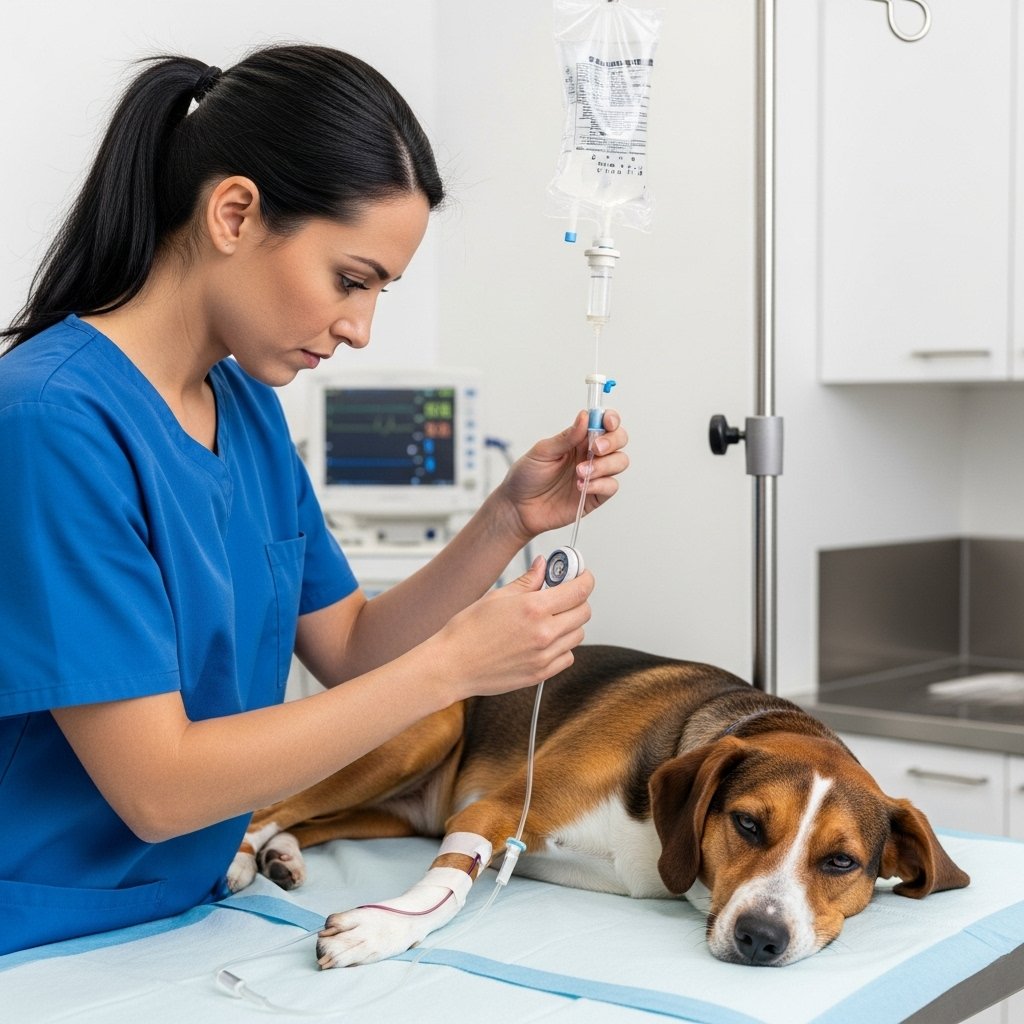
While mild dehydration can sometimes be managed at home, moderate to severe dehydration is a medical emergency that requires immediate professional intervention. Do not delay seeking veterinary care if you observe any of the following:
- The dog is unresponsive or has collapsed.
- The skin tenting test shows the skin does not return to position at all.
- The gums are white, blue, or extremely pale and dry.
- The dog is experiencing continuous vomiting or severe diarrhea.
- You suspect heatstroke (excessive panting, disorientation, high body temperature).
- The dog is known to have a chronic illness like kidney disease or diabetes.
A veterinarian can administer intravenous (IV) or subcutaneous fluids to rehydrate the dog far more effectively and quickly than oral intake. They can also provide medications to treat the underlying cause, such as anti-nausea drugs for vomiting, and perform diagnostic tests to identify any serious medical conditions. Hesitation can have dire consequences, so it is always better to err on the side of caution and contact your vet.
Conclusion
Your dog relies on you to be their advocate and first line of defense against health threats. Dehydration is a serious condition, but it is also one that you are now equipped to identify. By regularly checking for skin elasticity, observing gum moisture, monitoring energy levels, and being aware of your dog’s overall appearance and habits, you can catch the signs early. Prevention is always the best medicine—ensure constant access to fresh, clean water, provide shade and rest during hot weather, and monitor your dog closely during periods of illness. Your vigilance and swift action are paramount to ensuring your canine companion lives a long, healthy, and well-hydrated life.