5 Calming Massage Points To Soothe Your Anxious Dog Instantly
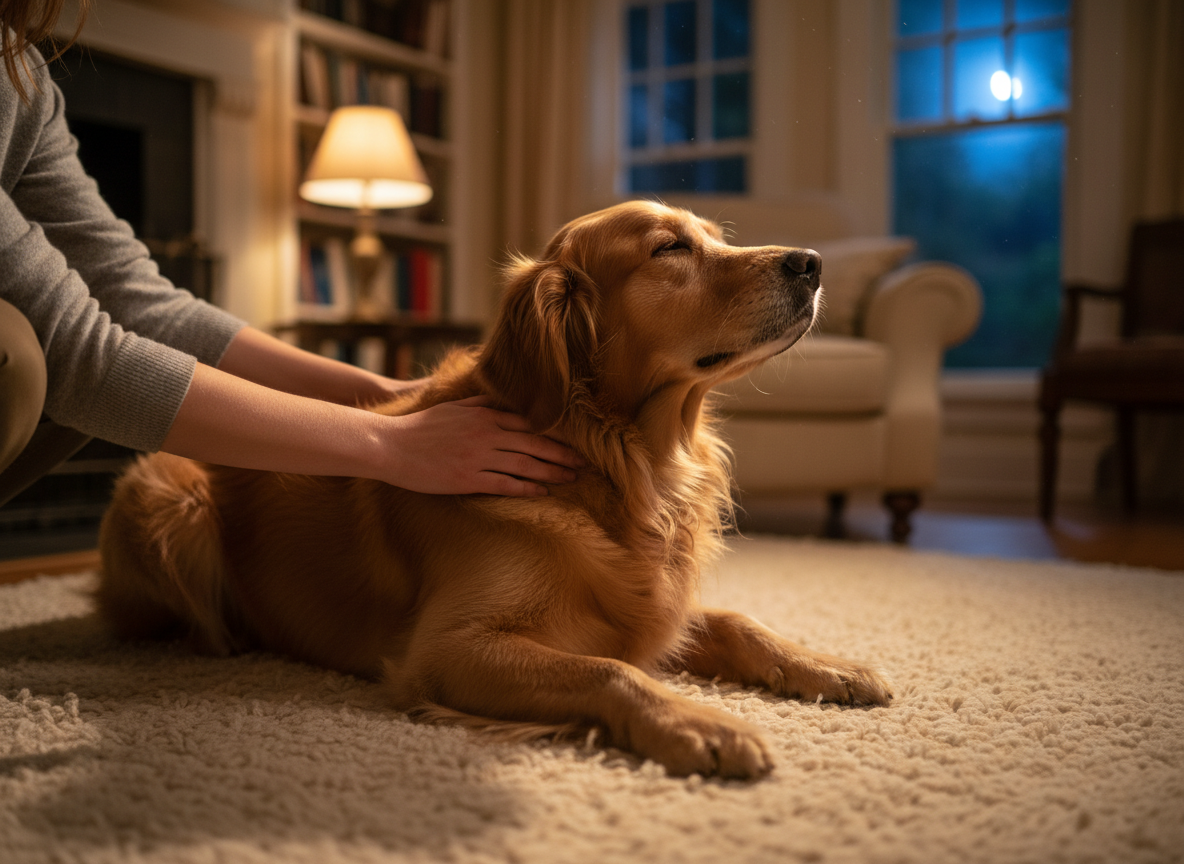
Canine anxiety is a complex and often distressing issue for both dogs and their owners. From the trembling fear induced by thunderstorms to the profound sadness of separation anxiety, these emotional states can significantly diminish a dog’s quality of life. While professional behavioral modification and veterinary care are cornerstones of treatment, there exists a powerful, hands-on tool that every owner can utilize: therapeutic massage. This is not merely petting; it is a deliberate, informed application of touch designed to communicate safety, release physical tension, and chemically alter your dog’s state of mind from panicked to peaceful.
The principles behind canine massage are rooted in physiological science. Intentional, gentle pressure on specific points can activate the parasympathetic nervous system—the body’s ‘rest and digest’ state—which acts as a direct counterbalance to the ‘fight or flight’ response of anxiety. This touch stimulates the release of oxytocin, often called the ‘love hormone,’ which fosters bonding and feelings of security. Simultaneously, it can decrease levels of cortisol, the primary stress hormone. By learning a few key points and techniques, you can offer your dog immediate, tangible relief and build a deeper, more intuitive bond based on trust and mutual understanding. This guide will provide a step-by-step methodology to master five essential calming massage points, empowering you to become a source of profound comfort for your anxious companion.
The Science of Calm: Understanding Canine Anxiety and Therapeutic Touch
Recognizing the Signs of Anxiety
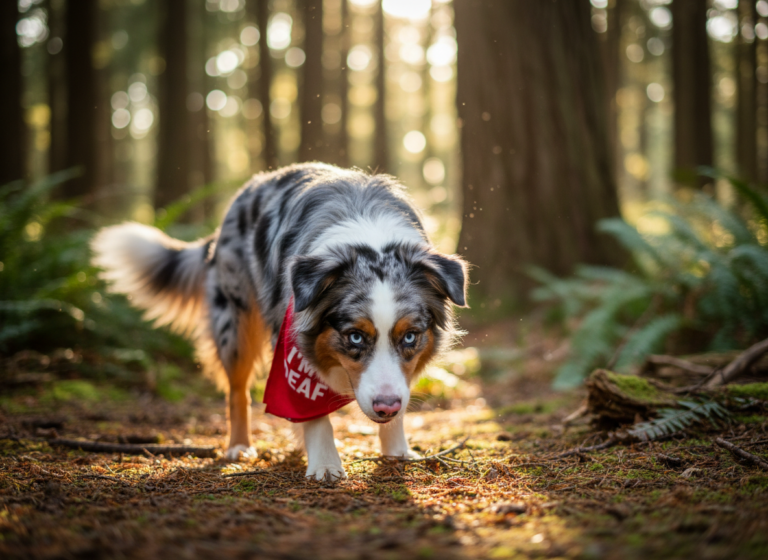
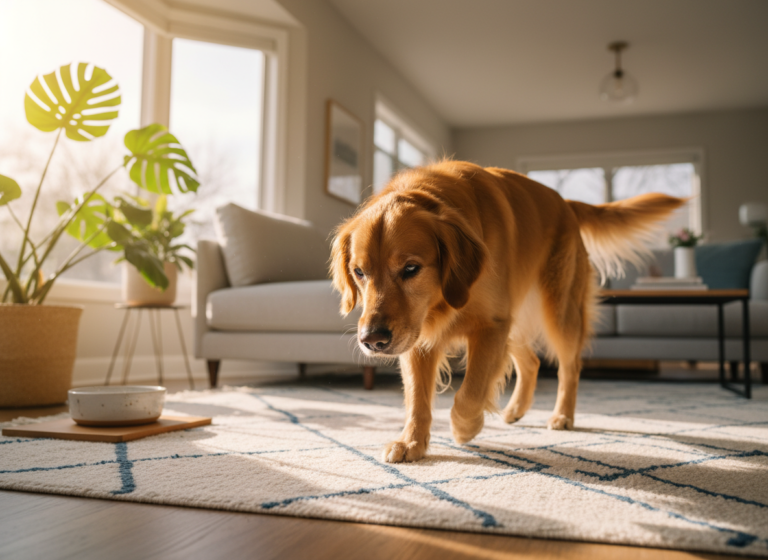
Before intervention, one must master observation. Canine anxiety manifests in a spectrum of behaviors, some subtle and easily missed. A truly attuned owner learns to read this silent language. Look for ‘whale eye,’ where the whites of the eyes are prominently visible, or ears pinned back flat against the head. Other indicators include excessive lip licking, yawning out of context, a tightly closed mouth, or panting when not hot or thirsty. More overt signs are trembling, tucking the tail, hiding, pacing, or an inability to settle. Recognizing these early signals allows you to intervene with calming touch before the anxiety escalates into a full-blown panic response.
The Physiology of Stress vs. Relaxation
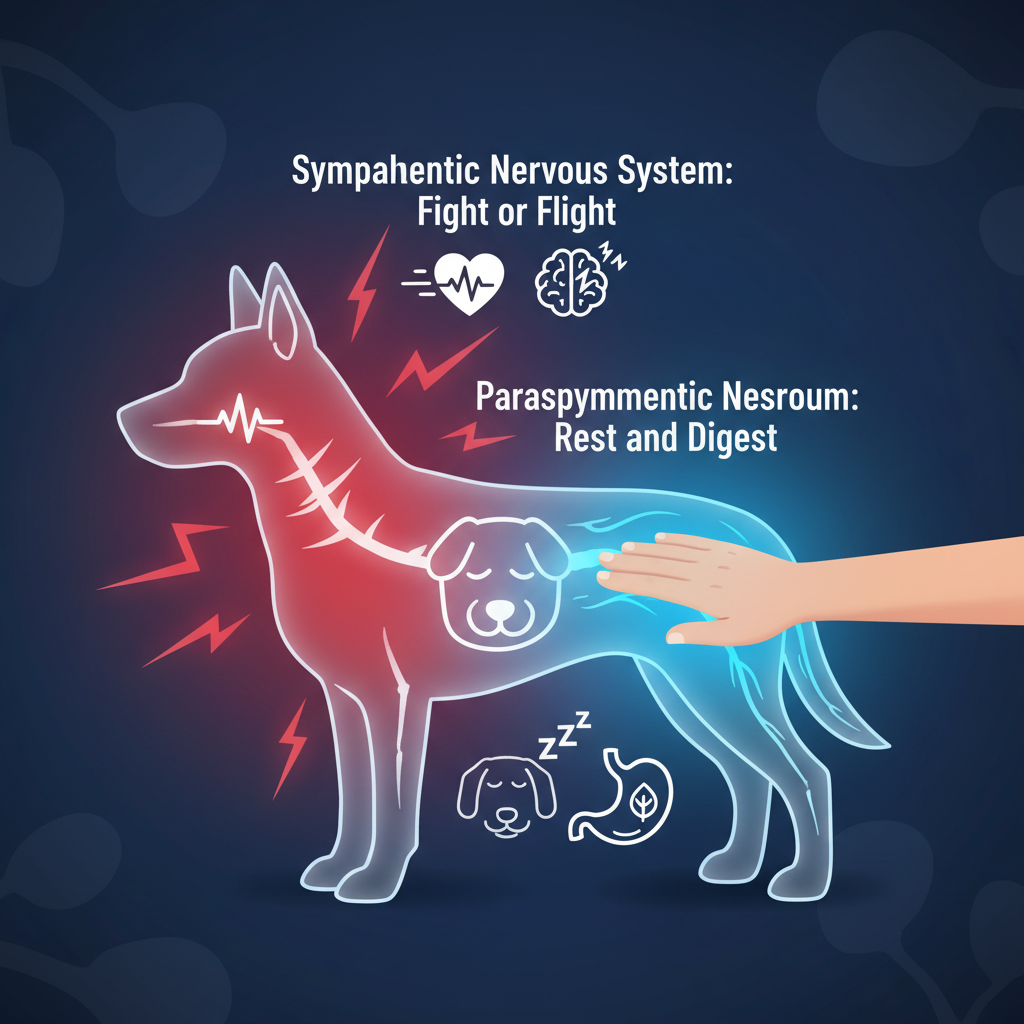
At its core, anxiety is a physiological event. The sympathetic nervous system (SNS) triggers the ‘fight or flight’ response, flooding the body with adrenaline and cortisol. The heart rate increases, breathing becomes shallow, and muscles tense in preparation for perceived danger. Therapeutic massage serves to actively engage the parasympathetic nervous system (PNS), which governs the ‘rest and digest’ functions. Gentle, sustained pressure sends signals to the brain that the threat has passed, encouraging the body to stand down. This neurological shift is measurable: heart and respiration rates slow, blood pressure drops, and the body begins to produce calming neurochemicals like serotonin and oxytocin while suppressing cortisol production. You are, in effect, manually guiding your dog’s nervous system back to a state of equilibrium.
Why Massage Works: More Than Just Petting
Casual petting is a wonderful expression of affection, but therapeutic massage is an intentional practice. While petting can be stimulating, massage is specifically designed to be grounding and deeply relaxing. It incorporates principles similar to acupressure, a practice rooted in Traditional Chinese Veterinary Medicine (TCVM). The points detailed in this guide are located at nerve clusters, trigger points, and areas where tension commonly accumulates. Applying deliberate, gentle pressure to these specific locations can release tightly held muscles, improve blood circulation to tense areas, and send powerful calming signals throughout the body’s neural network. It is a focused dialogue with your dog’s physical and emotional state.
Preparing for a Successful Massage Session
Creating a Serene Environment
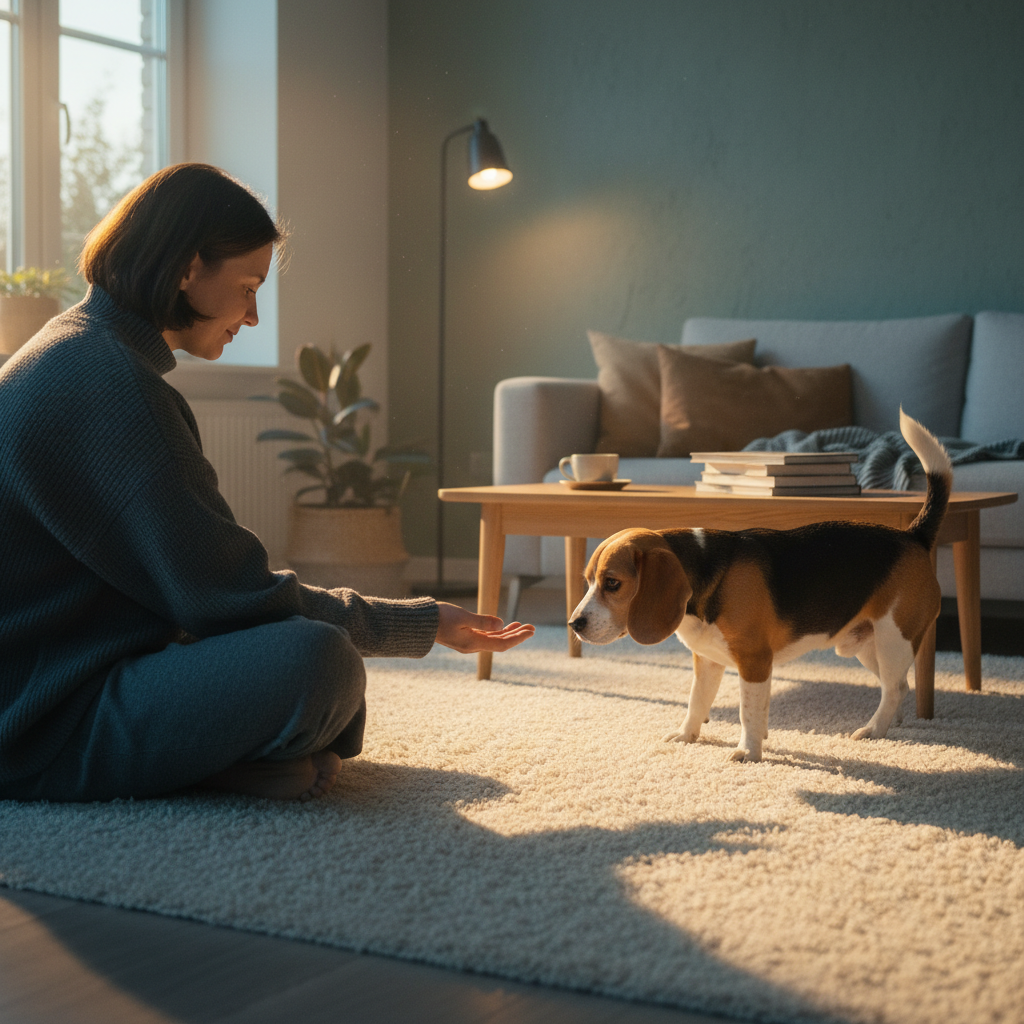
Your dog’s environment profoundly influences their mental state. A successful massage begins before your hands ever make contact. Choose a location that your dog already associates with safety and comfort, such as their favorite bed or a quiet corner of the living room. Dim the lights, eliminate loud noises by turning off the television, and minimize other distractions. If you have other pets, ensure they are in a separate room to allow for an uninterrupted one-on-one session. The goal is to create a sanctuary where your dog feels secure enough to let down their guard.
Timing is Everything
Attempting to massage a dog in the peak of a panic attack is often counterproductive; their system is too flooded with adrenaline to be receptive. The ideal time for this practice is during a period of relative calm or as a preventative measure when you anticipate a stressful event (e.g., before guests arrive or a storm rolls in). A session after physical exercise can also be highly effective, as the dog’s body is already primed for rest and recovery. Pay attention to your dog’s natural rhythms and introduce massage as a peaceful ritual, not a forced intervention.
Reading Your Dog’s Consent
This is the most critical element of therapeutic massage. It must always be a cooperative activity. Invite your dog into the space rather than restraining them. Begin with slow, gentle strokes and carefully observe their body language. Signs of consent and relaxation include leaning into your touch, soft eyes with slow blinking, a relaxed jaw, gentle sighs, or even a soft ‘thump’ of the tail. Conversely, signs of discomfort or dissent include muscle tensing, turning their head away, trying to get up, a ‘freeze’ response, or any form of growling or lip curling.
If your dog shows any sign of discomfort, stop immediately. Trust is the foundation of this practice. Ending the session on their terms reinforces that you respect their boundaries, which will make them more receptive in the future.
Point 1: The ‘Third Eye’ (Yin Tang) for Mental Clarity
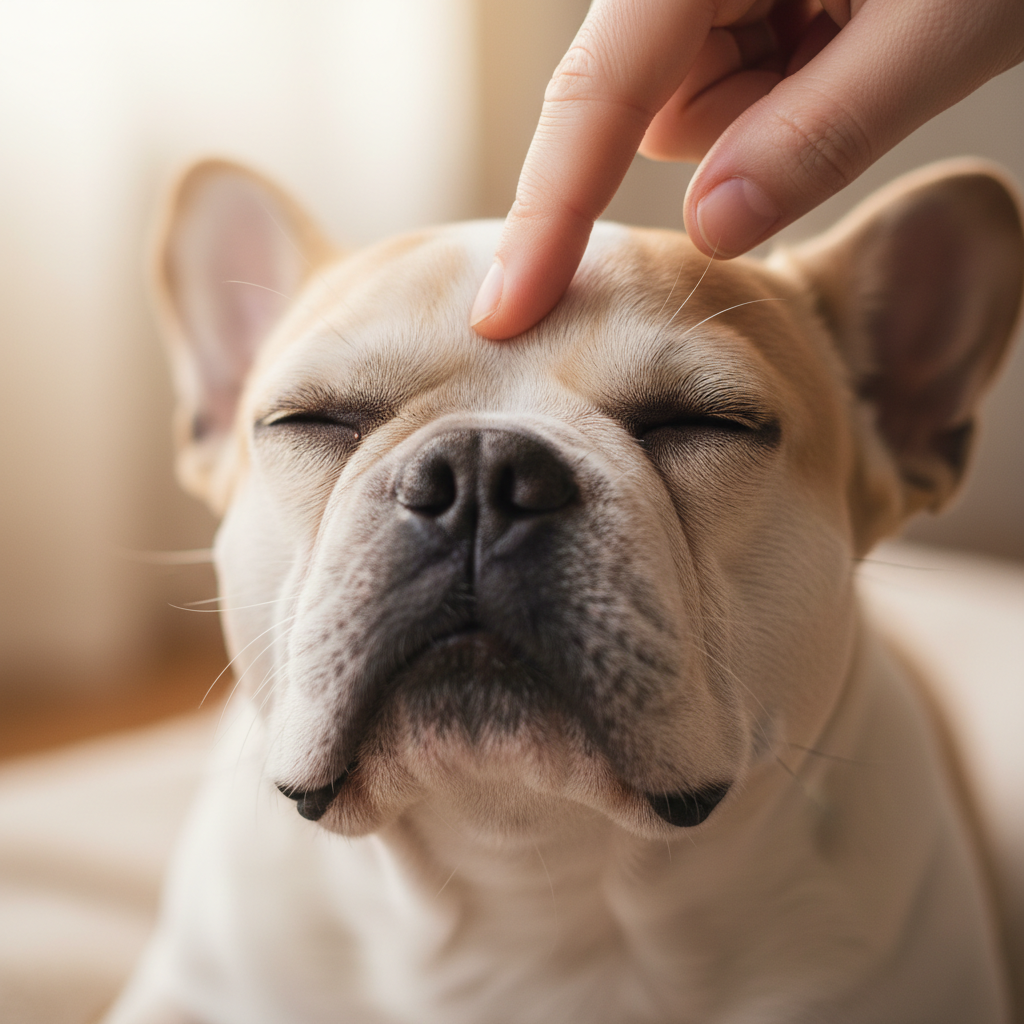
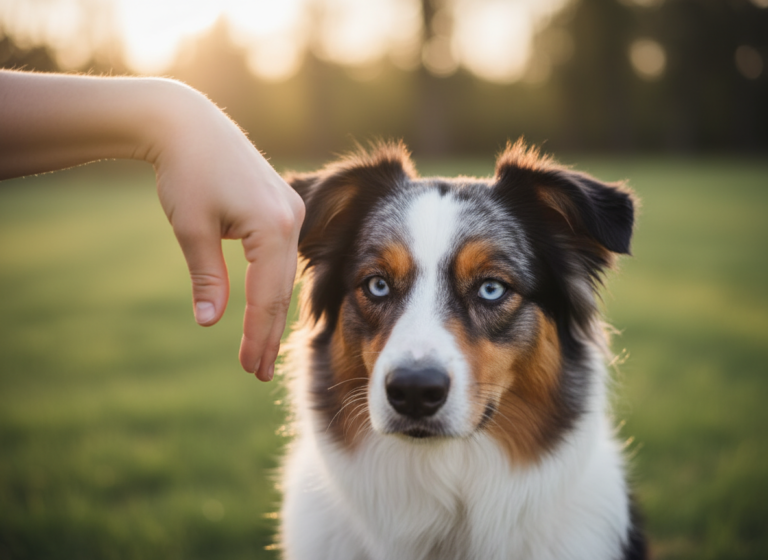
This acupressure point, known as Yin Tang, is located on the midline of the head, slightly above the eyes in the natural indentation. In TCVM, it is considered a powerful point for calming the spirit and clearing the mind. It is exceptionally effective for dogs who exhibit anxious pacing, whining, or appear mentally ‘stuck’ in a stress loop. The gentle pressure here has a profoundly centering and hypnotic effect.
Step-by-Step Technique:
- Ensure your dog is in a comfortable sitting or lying position. Position yourself to their side or in front, whichever seems most comfortable for them.
- Using the soft pad of your index finger or thumb, locate the point just between and slightly above their eyes.
- Apply very light, steady pressure. The goal is not to push hard, but to create a point of calm, focused contact.
- You can either hold this steady pressure for up to 60 seconds or move your finger in extremely slow, clockwise circles.
- Watch for signs of release: you may notice their breathing deepen, their eyes soften and close, or their head become heavy in your hand. This is a direct signal that the parasympathetic nervous system is engaging.
Point 2: The Ear Base for Full-Body Relaxation
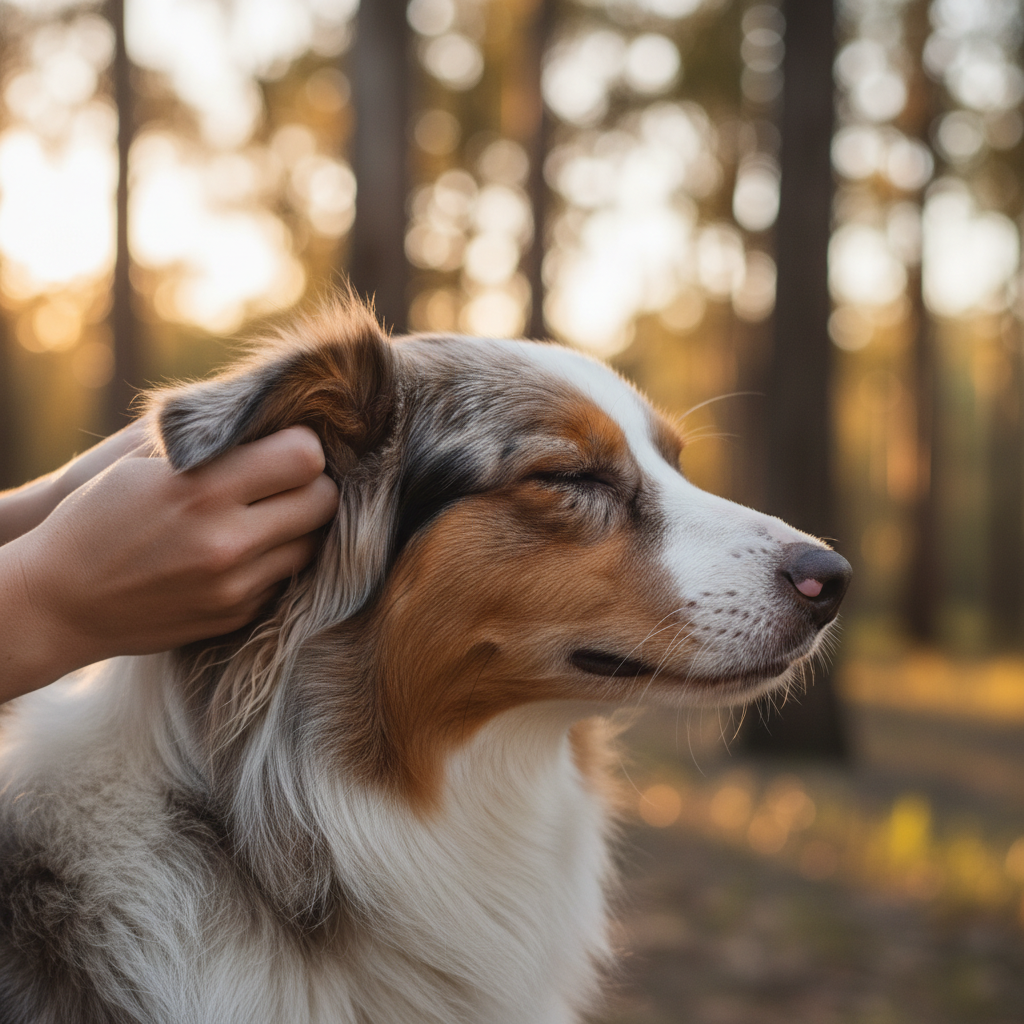
The ears are a nexus of nerve endings and acupressure points that correspond to the entire body. Massaging the ears can promote a systemic release of tension, making it a cornerstone of canine relaxation techniques. This technique is particularly useful for generalized anxiety and for dogs who hold tension throughout their body. The combination of warmth from your hands and gentle manipulation is deeply soothing.
Step-by-Step Technique:
- Begin by gently cupping the base of your dog’s ear, where it connects to the skull, between your thumb and forefinger.
- Using your thumb on the inner surface and your fingers supporting the outside, apply gentle, circular pressure around the entire circumference of the ear base.
- After several rotations, begin a slow, gentle ‘stroking’ motion, drawing your hand from the base all the way to the tip of the ear leather. Repeat this several times.
- Pay close attention to your dog’s reaction; many dogs will lean into this touch with a visible sigh of pleasure.
- Spend one to two minutes on one ear before moving to the other, ensuring your movements are slow, rhythmic, and predictable.
Point 3: The Occiput for Releasing Neck and Shoulder Tension
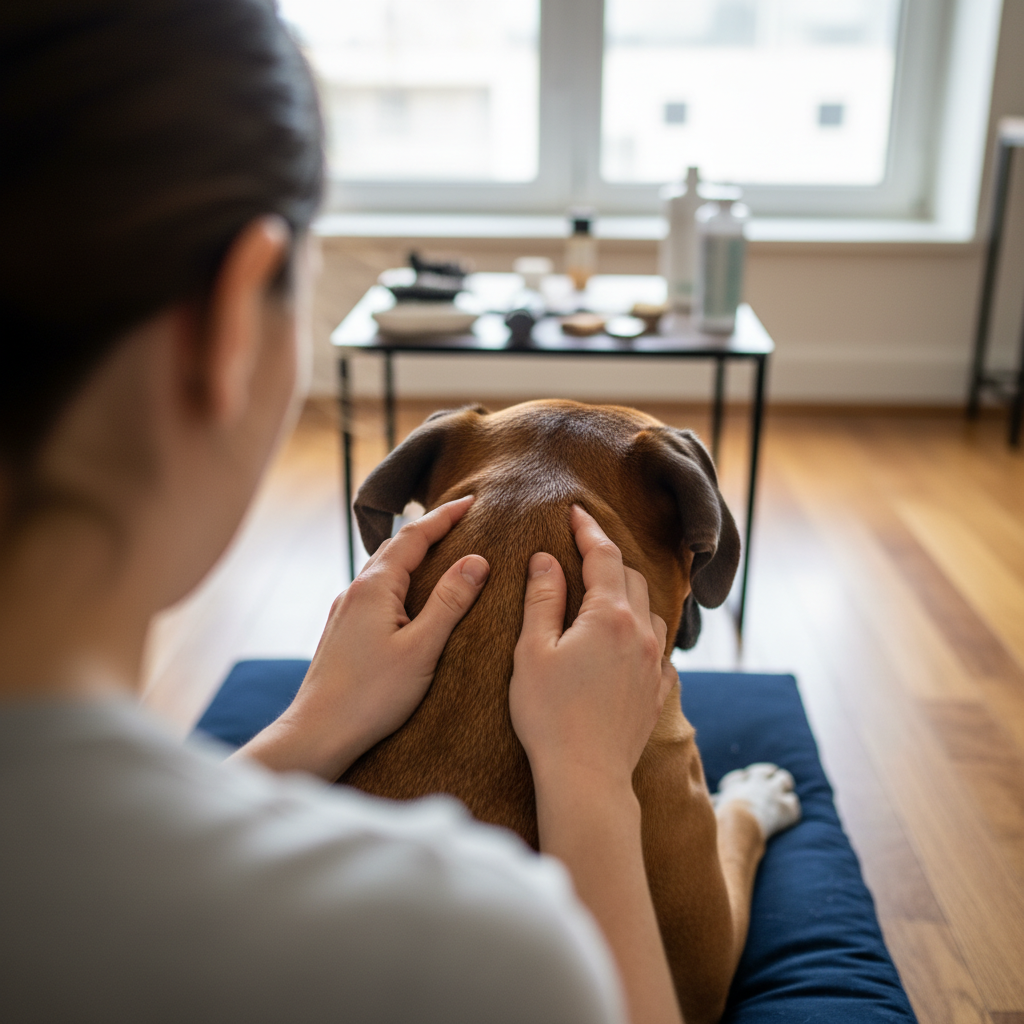
The occiput is the small, bony protuberance at the base of the skull where it joins the neck. Significant tension accumulates in this area from sources like leash pressure, stress-related posturing, and simple daily activities. Releasing this tension can have a cascading relaxing effect down the entire spine. This point is crucial for dogs who carry their stress in their shoulders or have a history of pulling on the leash.
Step-by-Step Technique:
- With your dog sitting or standing, gently locate the occipital bone at the back of their skull. You will feel a distinct bony bump.
- Place the pads of your thumbs on either side of the spine, just below this bone, in the soft muscle tissue.
- Apply gentle, firm pressure and make slow, deliberate circles with your thumbs. Imagine you are melting away the tension in the muscles.
- Gradually and slowly ‘walk’ your thumbs down the thick muscles that run along either side of the neck, towards the shoulders.
- This targeted release can alleviate headaches and stiffness, contributing to a greater sense of overall well-being and calm.
Point 4: The Chest Center (CV-17) for Emotional Balance
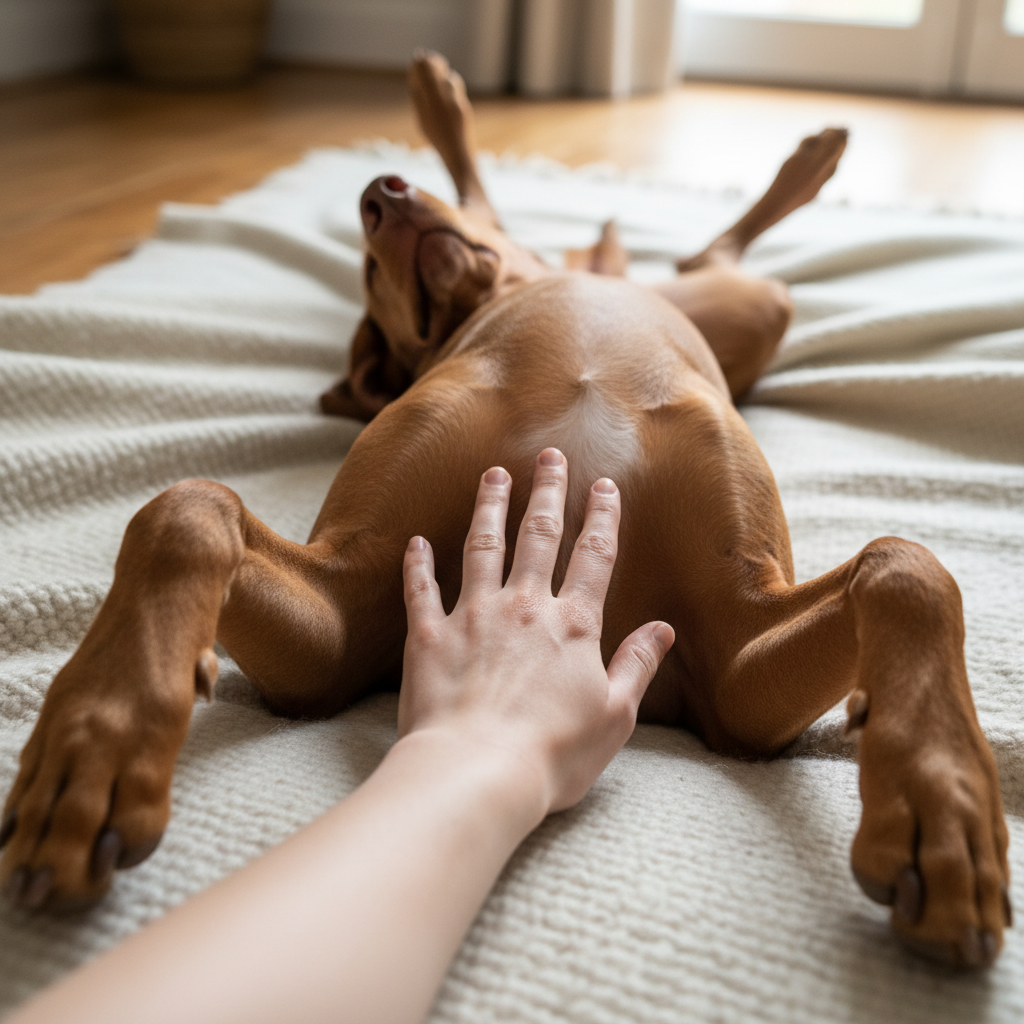
Located in the center of the chest, in the indentation right between the front legs, is Conception Vessel 17 (CV-17), also known as the Sea of Tranquility. This point is energetically associated with the heart and is considered a master point for calming emotional distress, fear, and nervousness. It’s a wonderful point to use during thunderstorms or fireworks, as it provides a sense of grounding and reassurance.
Step-by-Step Technique:
- Invite your dog to lie down, either on their side or their back if they are comfortable.
- Using the palm of your hand for a broader, softer pressure, or your fingertips for more focused contact, locate the center of their chest.
- Make slow, deliberate, clockwise circles over this point. Your energy should be calm and confident.
- Try to synchronize your own breathing with your dog’s. As you exhale, imagine you are sending calming energy through your hand into their chest.
- This reassuring contact can help regulate a frantic heartbeat and soothe the emotional center, making it a powerful tool for acute anxiety. Continue for one to two minutes.
Point 5: The Hind Leg ‘Point of a Hundred Diseases’ (ST-36) for Grounding
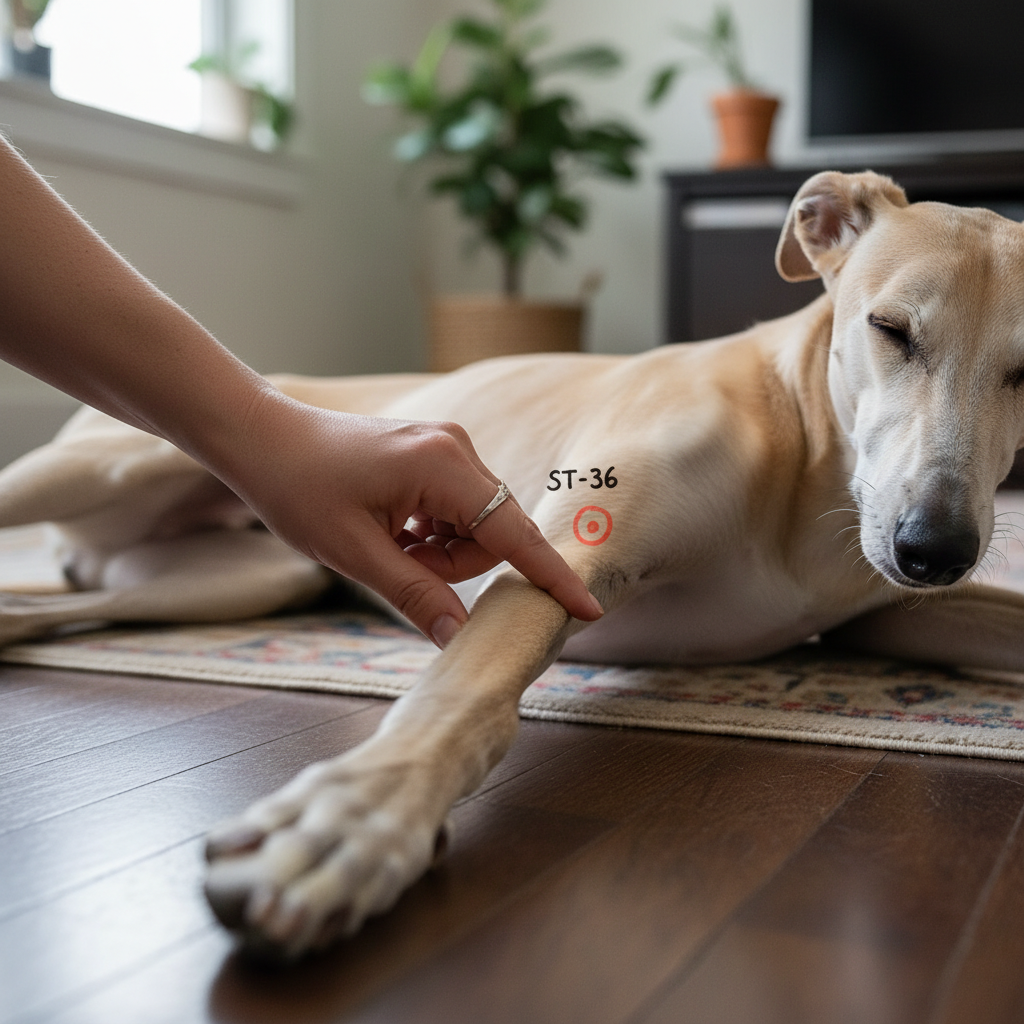
Stomach 36 (ST-36) is one of the most important acupressure points in TCVM, used to promote overall health, aid digestion, and enhance grounding. For anxious dogs, whose stress often manifests as gastrointestinal upset (diarrhea, gas), this point is invaluable. It helps to settle the stomach and create a sense of physical stability, which in turn promotes mental calm.
Step-by-Step Technique:
- With your dog lying on their side, locate the front of their knee (the stifle joint) on the upper hind leg.
- Slide your finger down from the kneecap until you feel the top of the tibia (shin bone).
- Move your finger to the outside of the leg, into the prominent muscle belly there. This is ST-36.
- Apply gentle but firm, steady pressure with your thumb or index finger for 30 to 60 seconds.
- This point helps redirect anxious, chaotic energy downward, effectively ‘grounding’ the dog.
- Remember to perform this on both hind legs for balance.
Integrating Massage into Your Daily Routine
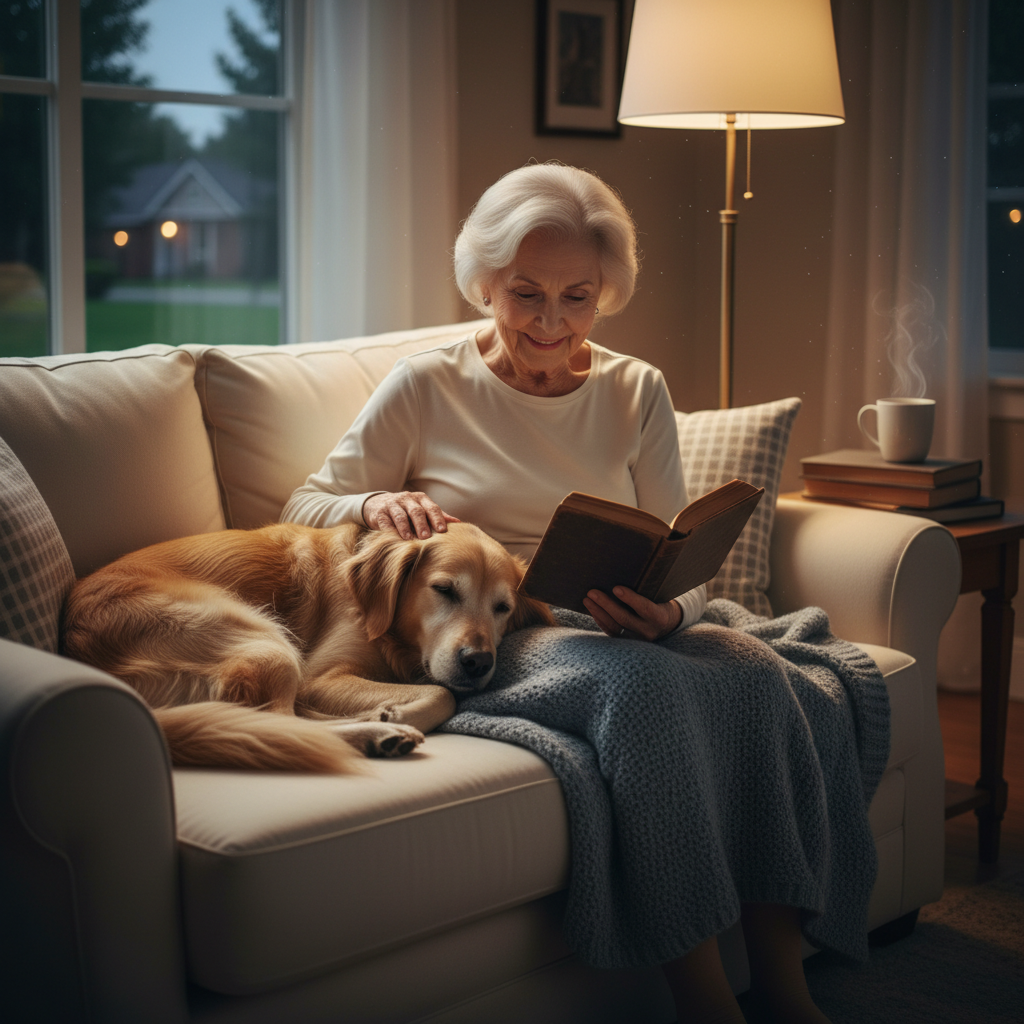
Consistency is paramount for massage to become a reliable calming tool. Short, frequent sessions are far more impactful than long, sporadic ones. Integrating these touches into your daily life transforms them from a mere intervention into a consistent language of safety and care. Weave these moments into the fabric of your day. A quick ear rub while you drink your morning coffee, a chest massage during a commercial break, or a full session before bed can build a powerful foundation of trust and relaxation.
Consider the following sample schedule as a template to build your own routine:
| Time of Day | Focus Area & Points | Duration | Therapeutic Goal |
|---|---|---|---|
| Morning | Ear Base Massage & Chest Center (CV-17) | 3-5 minutes | To start the day with a calm, centered connection. |
| Post-Activity | Occiput & Hind Leg (ST-36) | 5 minutes | To release physical tension from walks/play and aid recovery. |
| Evening | Third Eye (Yin Tang) & Full Body Strokes | 5-10 minutes | To calm the mind and prepare the body for restful sleep. |
When Massage Isn’t Enough: Recognizing the Need for Professional Guidance
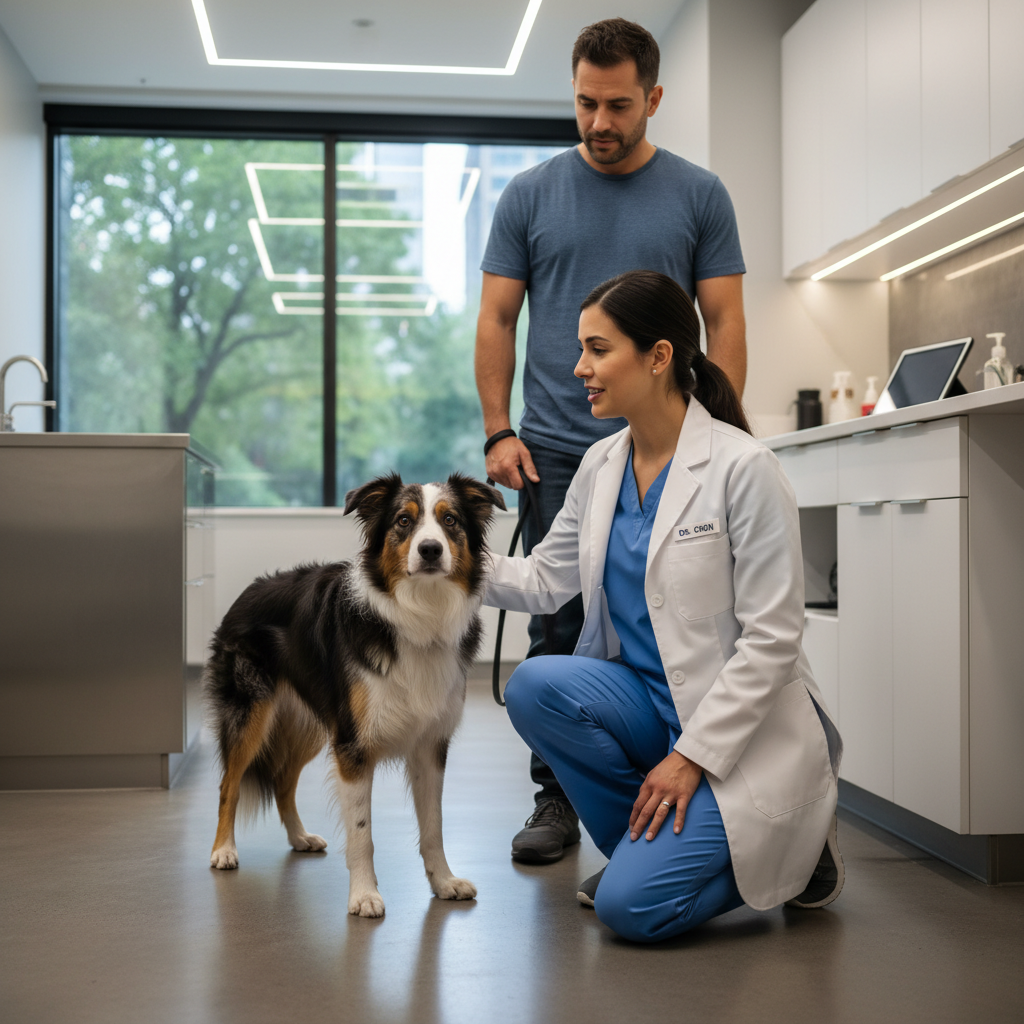
Therapeutic massage is a potent complementary modality, but it is not a panacea for severe anxiety disorders. It is crucial to recognize when the issue requires the intervention of a veterinary professional or a certified canine behaviorist. Pain is a frequent and often overlooked cause of anxiety-like symptoms. A dog suffering from arthritis, dental pain, or an internal issue may become irritable, restless, and averse to touch. It is imperative to rule out any underlying medical conditions with your veterinarian first.
Seek professional help immediately if you observe any of the following:
- A sudden and dramatic change in behavior or the onset of severe anxiety with no obvious trigger.
- Any form of aggression, such as growling, snapping, or biting, especially in response to touch.
- Anxiety that leads to self-injurious behaviors, like obsessive-compulsive licking, chewing, or flank sucking.
- Full-blown panic attacks that are unresponsive to your calming efforts.
- Changes in appetite or bathroom habits that coincide with anxious periods.
A professional can provide a complete diagnosis and develop a comprehensive treatment plan that may include medication, behavior modification protocols, and environmental management, with massage acting as a supportive element within that plan.
Conclusion
The five calming points—the Third Eye, Ear Base, Occiput, Chest Center, and Hind Leg—are more than just techniques; they are gateways to deeper communication with your dog. By mastering these simple yet profound methods, you move beyond the role of owner and into the role of healer and trusted guardian. Each session is an opportunity to reinforce your bond, to tell your dog in a language they understand instinctively that they are safe, loved, and secure. Remember to always honor their consent, remain patient, and celebrate the small victories—the soft sigh, the leaning in, the peaceful sleep. Through the power of informed, intentional touch, you hold the ability to soothe your dog’s anxious mind and bring a powerful sense of peace and well-being into their life and your shared home.