3 Ingredient Homemade Dog Ice Cream Recipes They’ll Devour
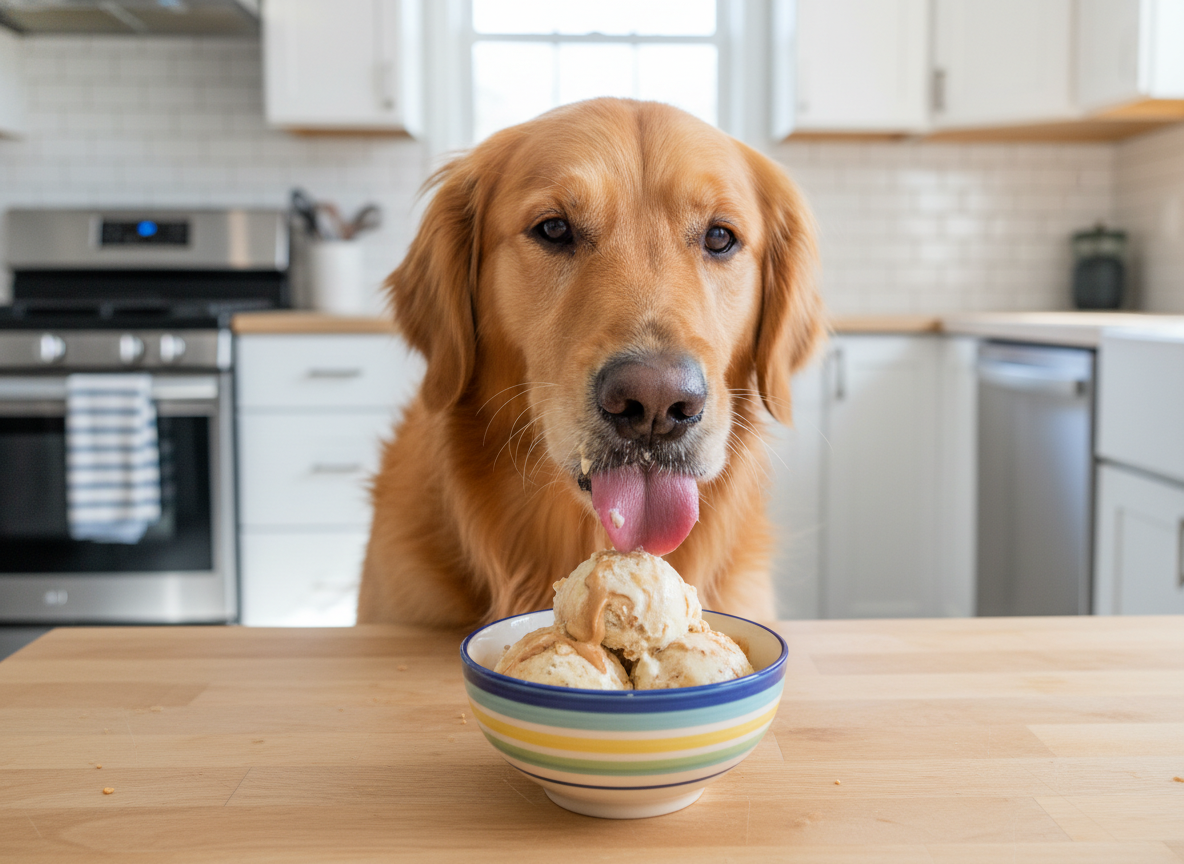
As temperatures rise, we often reach for a scoop of ice cream to cool down. It’s a simple pleasure that many of us enjoy, and it’s natural to want to share these moments with our beloved canine companions. However, traditional human ice cream is a poor choice for dogs, laden with sugar, dairy that can cause digestive upset, and potentially toxic ingredients like xylitol and chocolate. Fortunately, there’s a safe, healthy, and incredibly simple solution: homemade dog ice cream. Crafting a frozen treat for your dog using just three ingredients is not only economical but also gives you complete control over what goes into their body. This comprehensive guide, developed from a canine nutritional standpoint, will provide you with three delicious and veterinarian-approved recipes, explore the benefits and risks, and offer clear guidelines on serving and storage to ensure this special treat is both a delight and a healthy addition to their diet.
The Nutritional Science Behind Homemade Canine Treats
Understanding Safe vs. Unsafe Ingredients
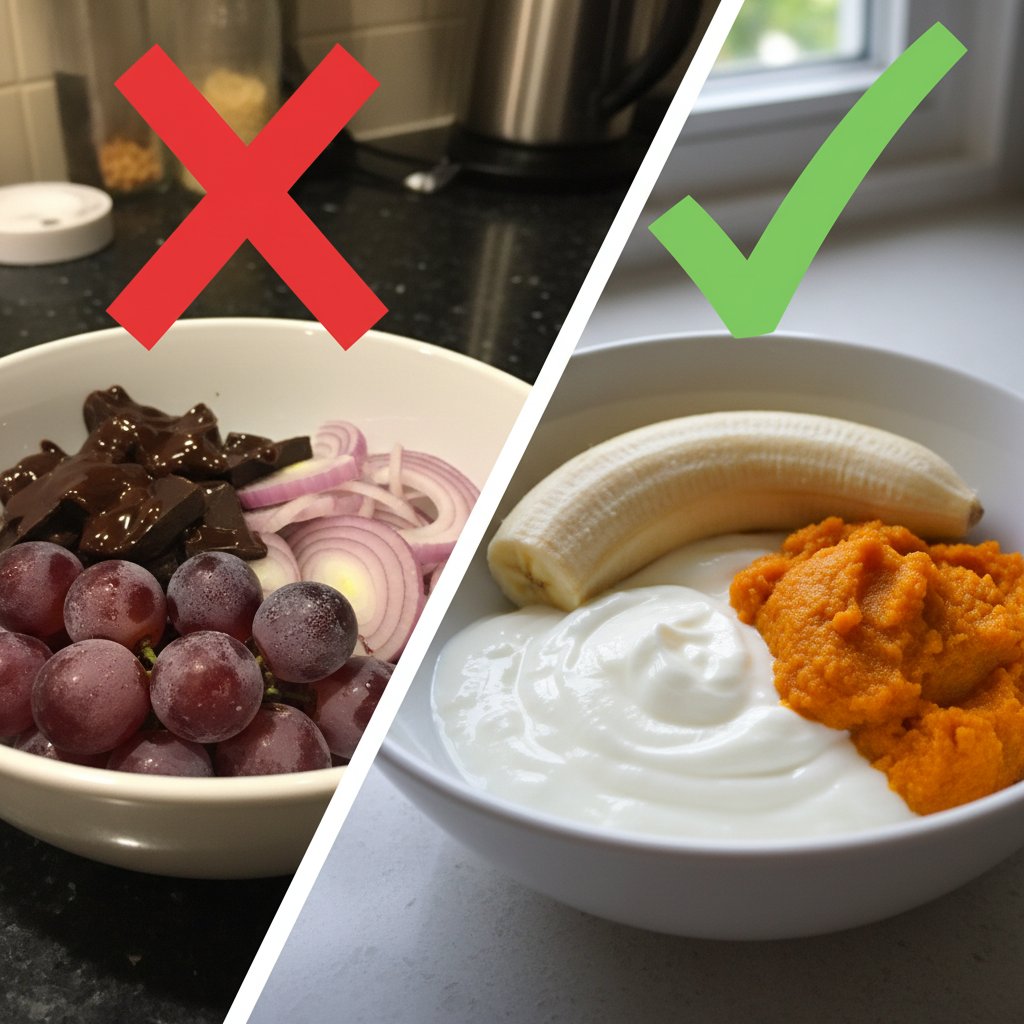
Before we dive into the recipes, it is paramount to establish a firm understanding of canine dietary safety. The foundation of any homemade treat must be ingredients that are not only non-toxic but also beneficial to a dog’s health. Many human foods are dangerous for dogs. It is crucial to be aware of these before you begin experimenting in the kitchen.
Common Toxic Ingredients to Avoid:
- Xylitol: This artificial sweetener is extremely toxic to dogs, causing a rapid release of insulin that can lead to hypoglycemia, seizures, liver failure, and even death. It’s often found in sugar-free peanut butter, yogurt, and other processed foods. Always check labels.
- Chocolate & Caffeine: Both contain methylxanthines, which are highly toxic to dogs and can cause severe heart and nervous system damage.
- Grapes & Raisins: These can cause acute kidney failure in dogs.
- Macadamia Nuts: These are known to cause weakness, vomiting, tremors, and hyperthermia in dogs.
- Onions & Garlic: Part of the allium family, these can damage a dog’s red blood cells, leading to anemia.
Conversely, many whole foods offer significant health benefits. Plain, unsweetened yogurt contains probiotics for digestive health. Fruits like bananas are rich in potassium and vitamins, while pumpkin is an excellent source of fiber. By focusing on these simple, natural ingredients, you can create a treat that contributes positively to your dog’s well-being.
Expert Tip: When selecting ingredients like yogurt or peanut butter, meticulously read the ingredient list. The ideal choice will have no added sugars, salt, or artificial sweeteners. For peanut butter, the label should list only one ingredient: peanuts.
The Three Core Recipes: Simple, Safe, and Satisfying
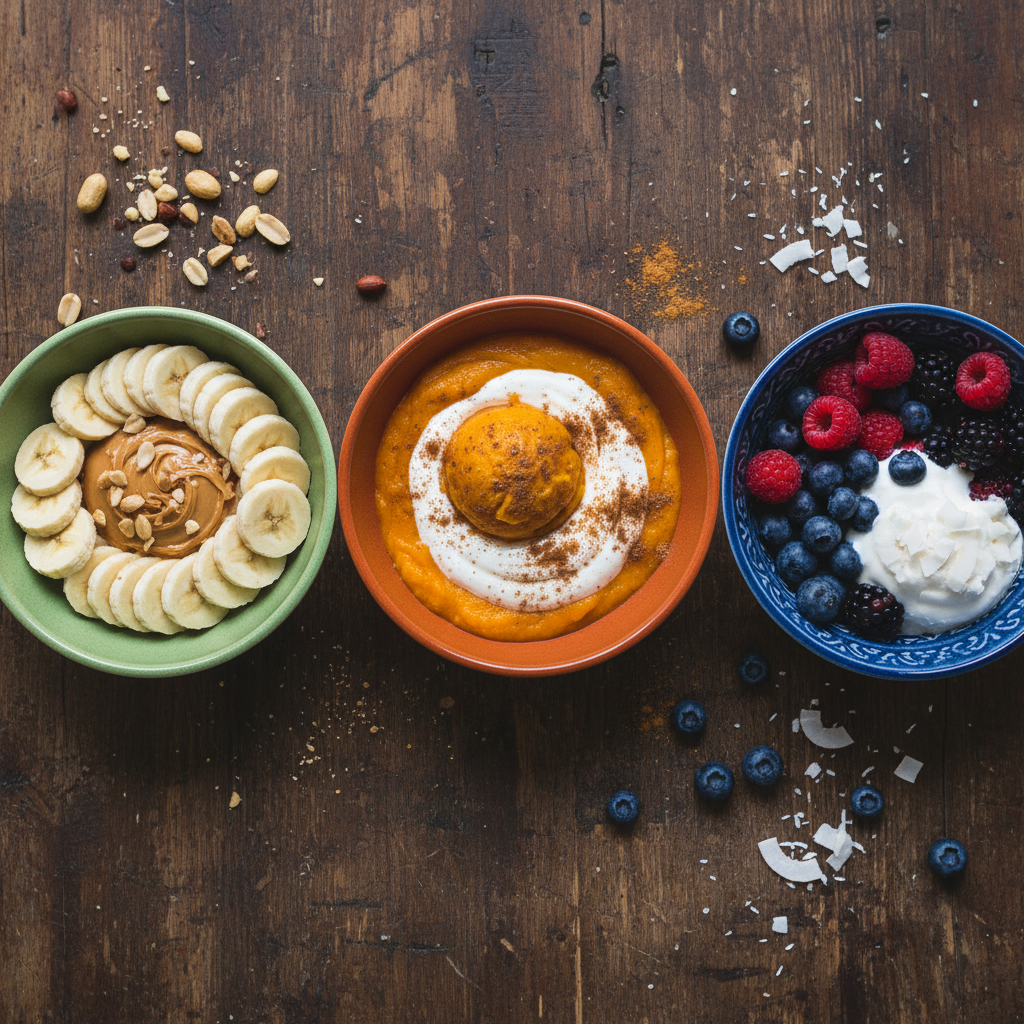
Each of the following recipes is built on a simple, three-ingredient formula. They are designed to be easy to prepare and gentle on your dog’s digestive system. The key is to use high-quality, plain ingredients without any harmful additives. These recipes can be prepared using a blender or food processor and frozen in silicone molds, ice cube trays, or even a dog-specific slow-feeder toy for added enrichment.
| Recipe Name | Primary Benefit | Key Ingredients | Best For |
|---|---|---|---|
| Peanut Butter & Banana Bliss | Energy & Potassium Boost | Banana, Peanut Butter, Yogurt | Active dogs needing a protein-rich treat. |
| Pumpkin & Yogurt Swirl | Digestive Health Support | Pumpkin Purée, Yogurt, Cinnamon | Dogs with sensitive stomachs or needing extra fiber. |
| Berry & Coconut Cream Delight | Antioxidant-Rich & Dairy-Free | Mixed Berries, Coconut Cream, a drop of Honey | Dogs with dairy sensitivities or for a skin/coat boost. |
Remember to introduce any new food to your dog slowly and in small quantities to monitor for any potential allergic reactions or digestive upset. Even safe foods can cause issues if a dog has a specific sensitivity.
Recipe 1: Peanut Butter & Banana Bliss
A Classic Canine Favorite
This recipe is arguably the most popular among dogs, combining two flavors they naturally adore. The banana provides natural sweetness and potassium, while the peanut butter offers healthy fats and protein. The yogurt base adds a creamy texture and beneficial probiotics.
Ingredients:
- 1 large ripe banana
- 1/2 cup of plain, unsweetened yogurt (Greek yogurt works well for a thicker consistency)
- 2 tablespoons of natural, xylitol-free peanut butter
Instructions:
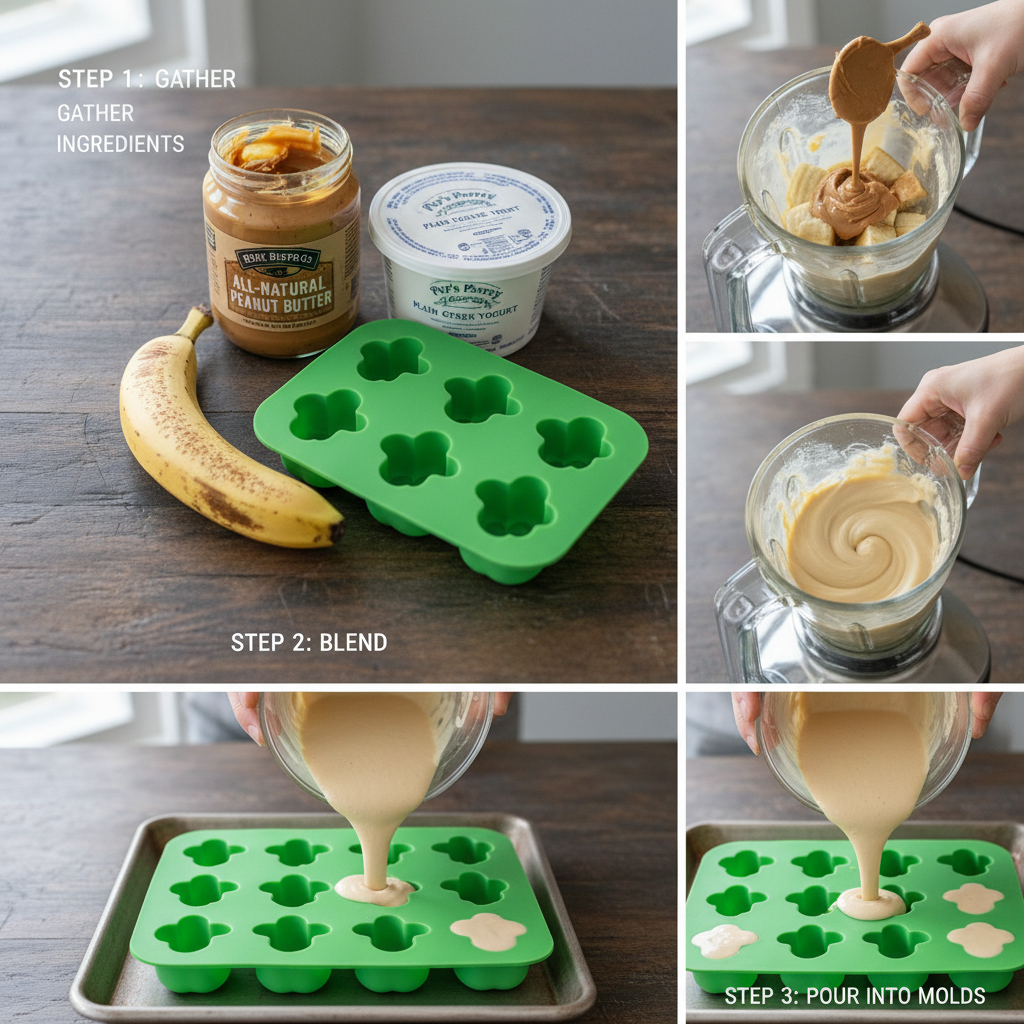
- Preparation: Peel the banana and break it into chunks. Ensure your peanut butter and yogurt contain no harmful additives.
- Blending: Combine the banana, yogurt, and peanut butter in a blender or food processor. Blend until the mixture is completely smooth and creamy. Scrape down the sides as needed to ensure all ingredients are well incorporated.
- Freezing: Pour the blended mixture into silicone molds, an ice cube tray, or a freezer-safe container. For an enrichment activity, you can fill a KONG or other stuffable dog toy with the mixture.
- Set Time: Place the molds or container in the freezer for at least 4 hours, or until the treats are frozen solid.
- Serving: Pop one treat out of the mold and serve it to your dog. If frozen in a large container, use a small ice cream scoop to serve an appropriate portion.
Modification Tip: For an extra crunch and a boost of omega-3 fatty acids, you can stir in a teaspoon of chia seeds or ground flaxseed before freezing.
Recipe 2: Pumpkin & Yogurt Swirl
The Digestive Health Champion
Pumpkin is a superfood for dogs, renowned for its high fiber content which can aid in both constipation and diarrhea. It helps regulate the digestive system. Combined with the probiotics in yogurt and a hint of cinnamon (which has anti-inflammatory properties), this treat is as healthy as it is delicious.
Ingredients:
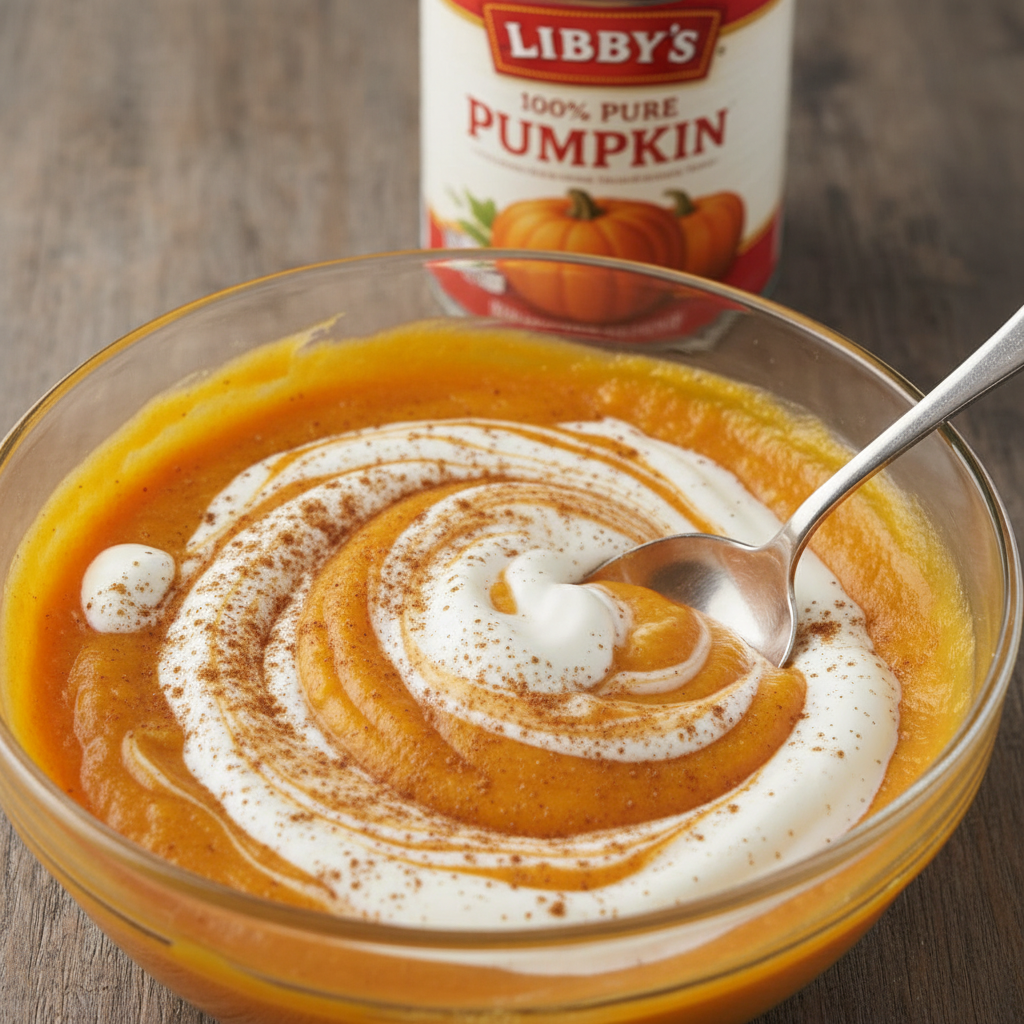
- 1/2 cup of 100% pure pumpkin purée (not pumpkin pie filling)
- 1/2 cup of plain, unsweetened yogurt
- 1/4 teaspoon of ground cinnamon
Instructions:
- Ingredient Check: Double-check that you are using pure pumpkin purée. Pumpkin pie filling is packed with sugar and spices like nutmeg, which can be toxic to dogs.
- Mixing: In a medium bowl, combine the pumpkin purée, yogurt, and cinnamon. You can either blend them for a uniform orange color or gently swirl them together with a spoon for a marbled effect.
- Portioning: Spoon the mixture into your chosen freezer molds or container. The swirled mixture looks particularly appealing in ice cube trays.
- Freezing: Freeze for a minimum of 4 hours until solid.
- Serving: Serve this treat to support your dog’s gut health, especially during times of minor digestive irregularity.
This recipe is an excellent choice for senior dogs or those with sensitive stomachs, offering a gentle and soothing snack.
Recipe 3: Berry & Coconut Cream Delight
The Dairy-Free Antioxidant Powerhouse
For dogs with lactose intolerance or dairy sensitivities, this recipe is a perfect alternative. Coconut cream provides a rich, creamy base full of healthy fats, while mixed berries like blueberries and strawberries are packed with antioxidants, fiber, and vitamins that support the immune system.
Ingredients:
- 1/2 cup of mixed berries (fresh or frozen, such as blueberries, strawberries, or raspberries)
- 1/2 cup of full-fat, unsweetened coconut cream (from a can)
- 1 teaspoon of raw, unfiltered honey (optional, for a touch of sweetness)
Instructions:
- Ingredient Prep: If using canned coconut cream, make sure to stir it well to combine the solid and liquid parts. If using fresh strawberries, remove the hulls.
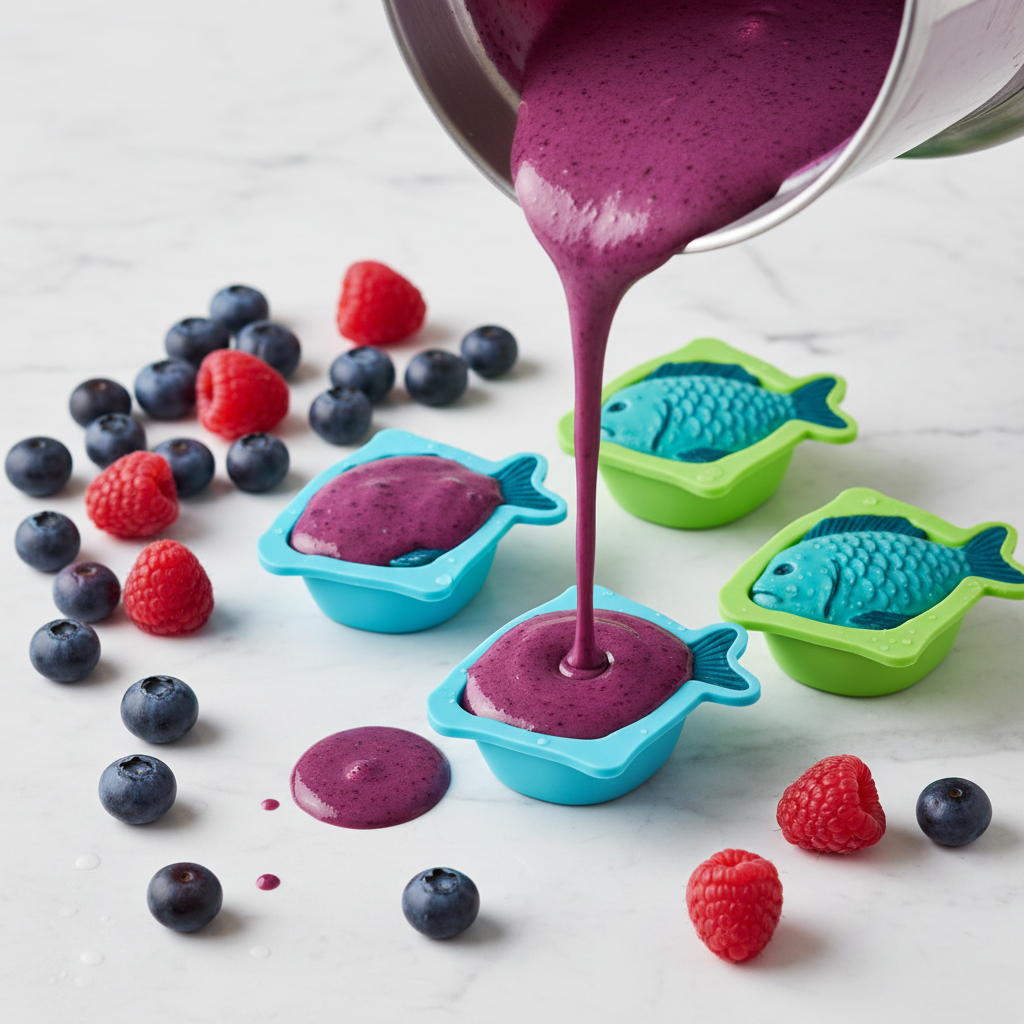
- Blending: Place the mixed berries and coconut cream in a blender. If you are including honey, add it now. Blend until the mixture is smooth. It will likely have a vibrant purple or red color.
- Freezing: Pour the berry mixture into your freezer molds. Small, bite-sized molds work well for this recipe, creating perfect little antioxidant morsels.
- Set Time: Freeze for at least 4 hours. Due to the high water content in berries, these treats will freeze very hard.
- Serving: These treats are particularly refreshing on a very hot day. The antioxidants are excellent for supporting overall cellular health.
Safety Note: While honey has antibacterial properties, it is a sugar. Use it sparingly, or omit it entirely, especially for dogs that are overweight or diabetic.
Serving Size, Storage, and Professional Guidelines
Moderation is Key
Even healthy, homemade treats should be given in moderation. They are meant to be supplementary to a complete and balanced diet, not a replacement for meals. A general rule of thumb is that treats should not make up more than 10% of your dog’s daily caloric intake.
Recommended Serving Sizes:
- Small Dogs (under 20 lbs): 1-2 small cubes or the equivalent of 1-2 tablespoons per day.
- Medium Dogs (20-50 lbs): 2-3 small cubes or the equivalent of 3-4 tablespoons per day.
- Large Dogs (over 50 lbs): 1-2 larger molded treats or the equivalent of a 1/4 cup per day.
Always supervise your dog when they are enjoying a frozen treat to prevent choking, especially if they tend to gulp their food. Serving the ice cream in a slow-feeder toy can help mitigate this risk and provide mental stimulation.
Proper Storage for Freshness and Safety
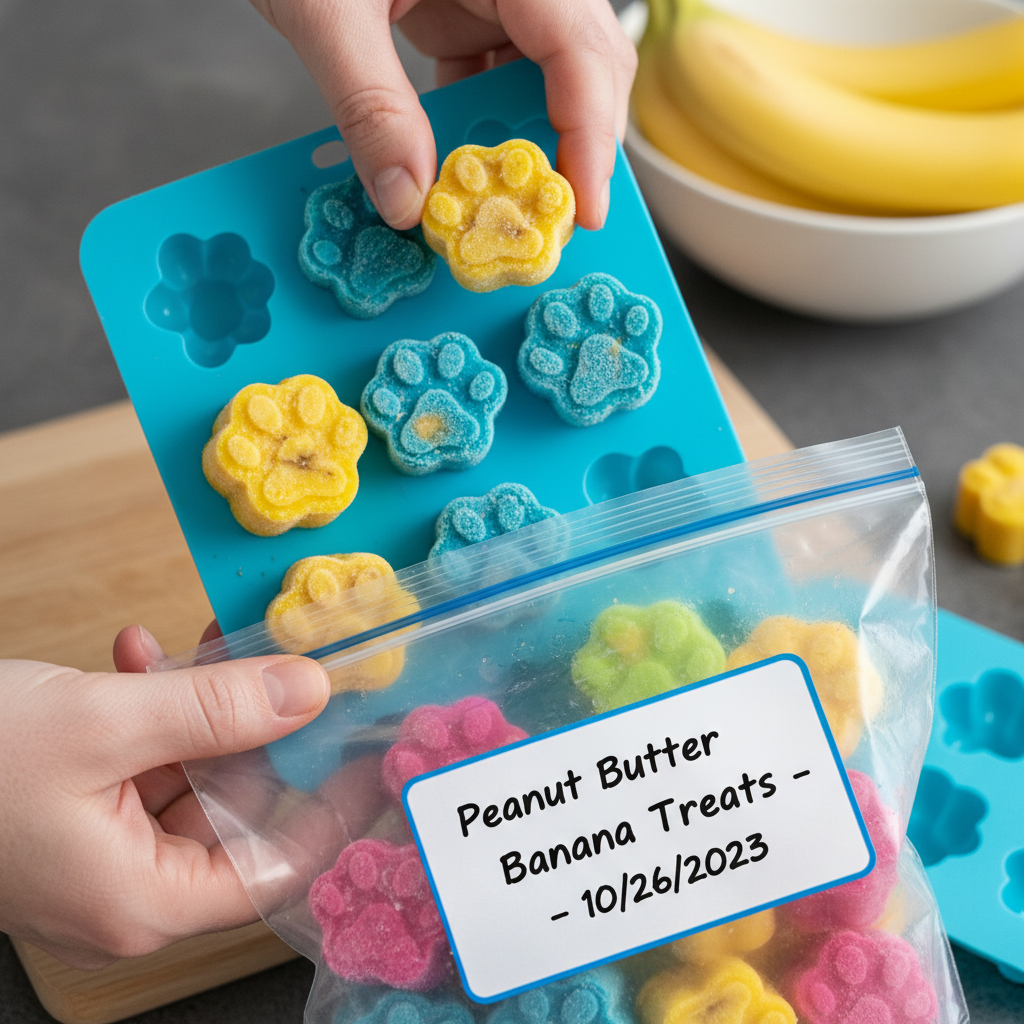
To maintain the quality and safety of your homemade dog ice cream, proper storage is essential. Once the treats are fully frozen, you can remove them from the molds and transfer them to an airtight, freezer-safe bag or container. This prevents freezer burn and stops the treats from absorbing other odors from your freezer. Be sure to label the container with the date and ingredients. Stored properly, these treats will last for up to 2-3 months in the freezer.
Conclusion
Creating homemade ice cream for your dog is a rewarding experience that allows you to provide a delicious, refreshing, and genuinely healthy treat. By adhering to the simple three-ingredient formulas and prioritizing dog-safe components, you can offer your companion a moment of pure joy without compromising their nutritional well-being. These recipes serve as a fantastic base, but always remember to consult with your veterinarian before introducing new foods into your dog’s diet, especially if they have pre-existing health conditions. Enjoy the process, celebrate the bond you share with your pet, and watch them devour these simple, homemade delights with enthusiasm.