
15 Essentials Every Dog First Aid Kit Must Have In 2024
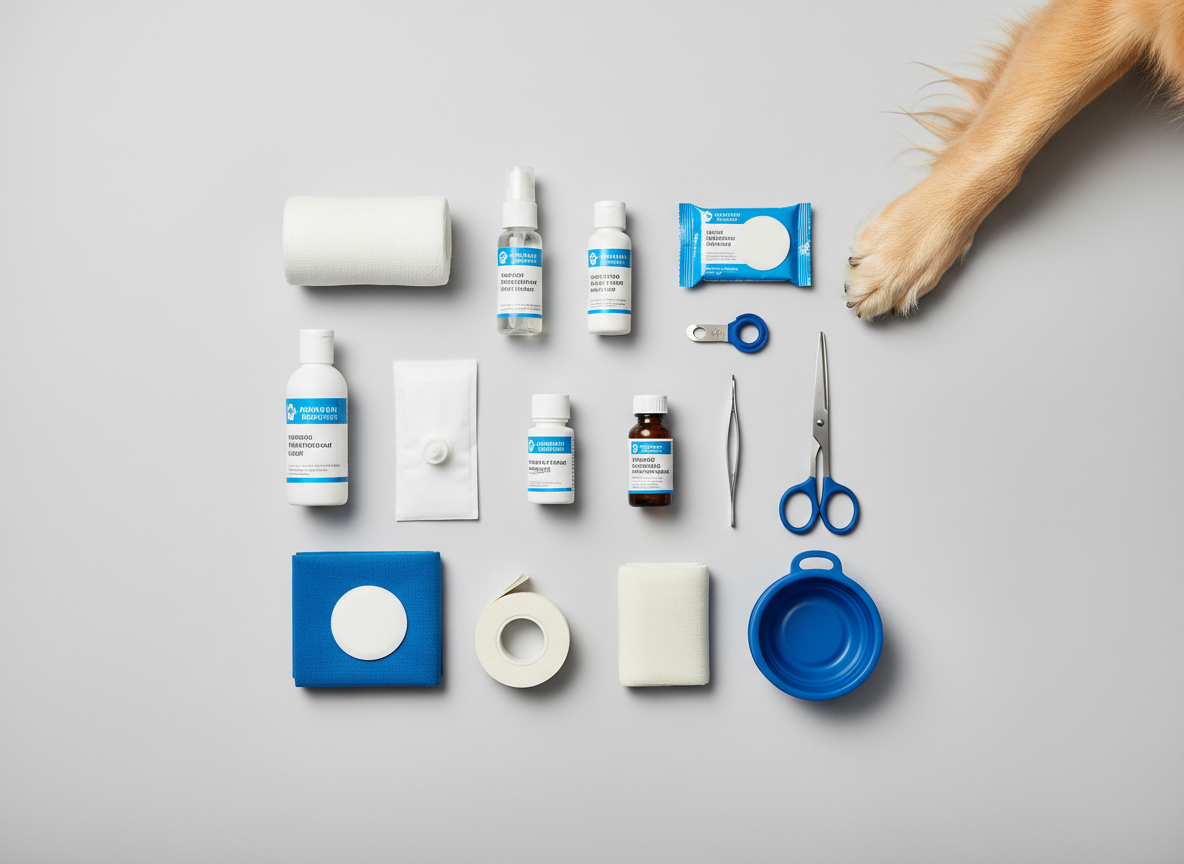
Imagine a perfect afternoon at the dog park. The sun is shining, tails are wagging, and the air is filled with joyful barks. Suddenly, a yelp cuts through the noise. Your dog has a small, bleeding cut on their paw from a sharp rock. Panic can set in quickly, but with the right preparation, you can manage the situation calmly and effectively. This is where a well-stocked first aid kit becomes not just a convenience, but a necessity.
As a canine specialist, I’ve seen firsthand how prompt and proper initial care can prevent minor injuries from becoming major complications. A comprehensive first aid kit is your first line of defense, empowering you to stabilize your pet, manage pain, and provide immediate care while seeking professional veterinary help. This guide will walk you through the 15 essential items your dog’s first aid kit must contain in 2024, ensuring you are equipped to handle common emergencies with the confidence of a seasoned professional.
Core Components for Wound Management and Disinfection
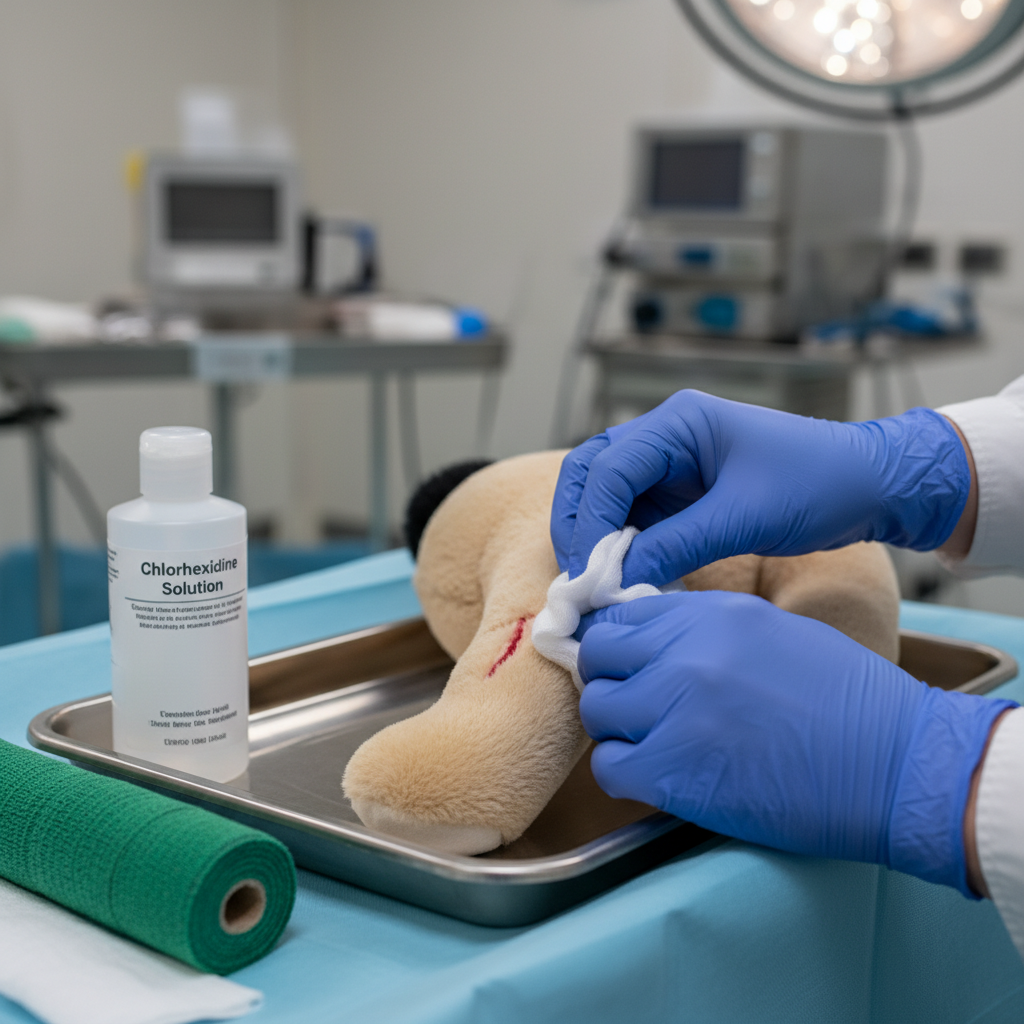
The foundation of any first aid kit is the ability to clean and protect wounds. Minor cuts, scrapes, and abrasions are among the most common injuries dogs sustain. Having the right materials to properly disinfect and cover these injuries is critical to prevent infection and promote faster healing. These core components are non-negotiable for any pet owner.
- Antiseptic Solution or Wipes: When cleaning a wound, plain soap and water aren’t always sufficient or available. Antiseptic solutions like those containing chlorhexidine or povidone-iodine are safe for dogs and highly effective at reducing bacteria. Avoid using hydrogen peroxide or rubbing alcohol directly on open wounds, as they can damage tissue and delay healing. Wipes are particularly useful for their portability and ease of use.
- Sterile Saline Solution: This is essential for gently flushing debris from wounds or irritants from your dog’s eyes. Unlike tap water, sterile saline is isotonic, meaning it won’t sting or damage delicate tissues. It’s the safest initial flushing agent for almost any situation.
- Sterile Gauze Pads and Rolls: Gauze is incredibly versatile. Use sterile pads to apply pressure to a bleeding wound, to clean the area with antiseptic, or as a primary absorbent dressing. Rolled gauze helps secure these pads in place before applying a final bandage layer. Always have a variety of sizes.
- Self-Adhering Bandages (Vet Wrap): This colorful, flexible wrap is a staple in veterinary clinics for a reason. It sticks to itself but not to your dog’s fur, making it easy to apply and remove without causing pain. It’s perfect for securing gauze over a wound on a leg or tail.
A crucial tip: Never wrap it too tightly, as this can restrict blood flow. You should always be able to comfortably fit two fingers between the bandage and your dog’s skin.
- Medical Tape: While vet wrap is excellent, there are times when you need traditional adhesive tape to secure a bandage, especially in awkward areas. Choose a porous medical tape that allows the skin to breathe.
Indispensable Tools for Assessment and Treatment
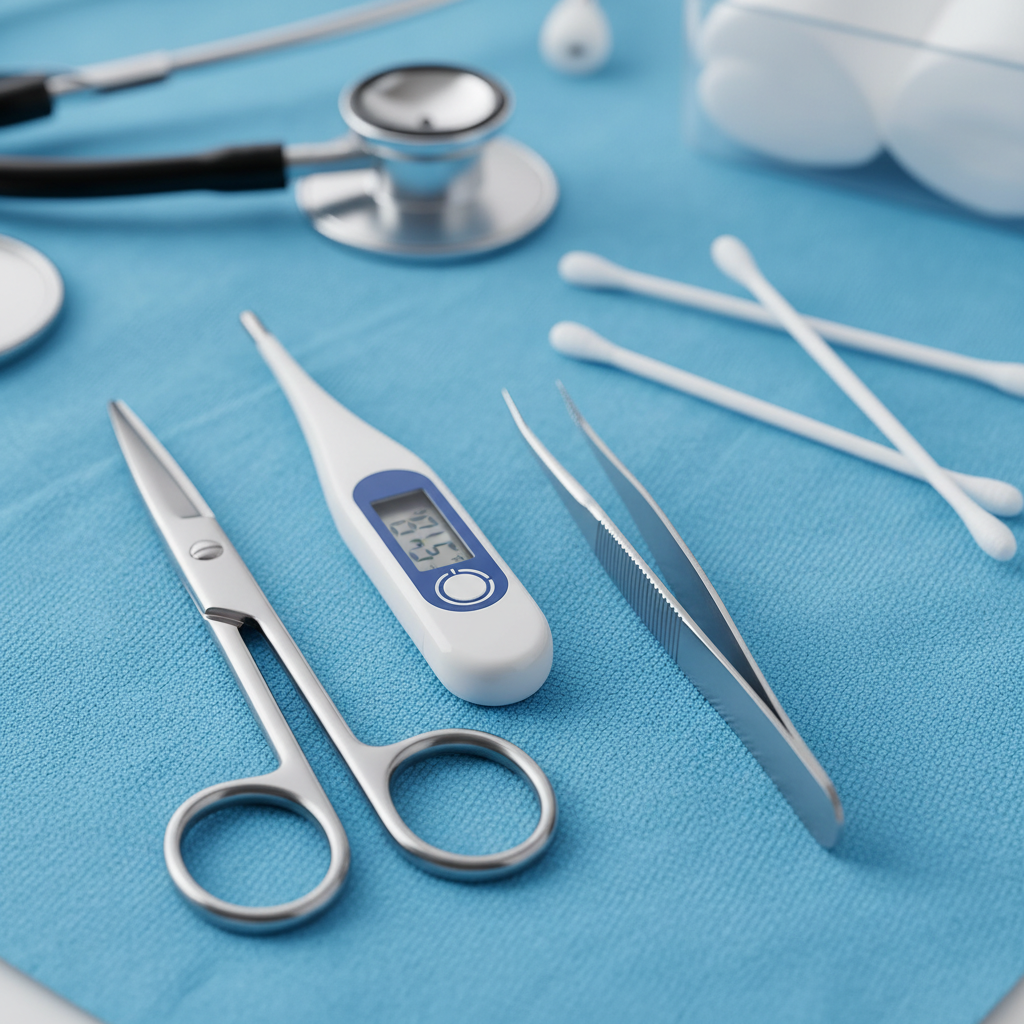
Beyond dressings and cleaners, your kit requires specific tools to assess your dog’s condition and administer aid. These instruments allow for more precise care, from checking vital signs to removing a pesky splinter. Investing in quality tools ensures they will be reliable when you need them most.
- Digital Rectal Thermometer: A dog’s temperature is a key indicator of their health. A fever or an abnormally low temperature can signal a serious issue. A dog’s normal temperature is between 101 to 102.5 degrees Fahrenheit (38.3 to 39.2 degrees Celsius). Use a dedicated pet thermometer, lubricate the tip with petroleum jelly, and insert it rectally for an accurate reading.
- Blunt-Tipped Scissors: These are for safety. Use them to cut vet wrap and tape without the risk of accidentally poking or cutting your dog’s skin. They are also essential for carefully trimming fur away from a wound to keep it clean.
- Fine-Point Tweezers: For the delicate task of removing splinters, thorns, glass shards, or ticks from your dog’s skin. Ensure the tweezers are clean before use to prevent introducing bacteria into the area. For ticks, use specialized tick-removal tools if possible, but tweezers can work in a pinch if you grasp the tick close to the skin and pull straight out.
- Oral Syringe or Medicine Dropper: A needle-less syringe is invaluable for administering liquid medications accurately. It can also be used to gently flush wounds with saline or to give your dog small amounts of water if they are dehydrated but can still swallow.
Veterinarian-Approved Medications and Topical Applications
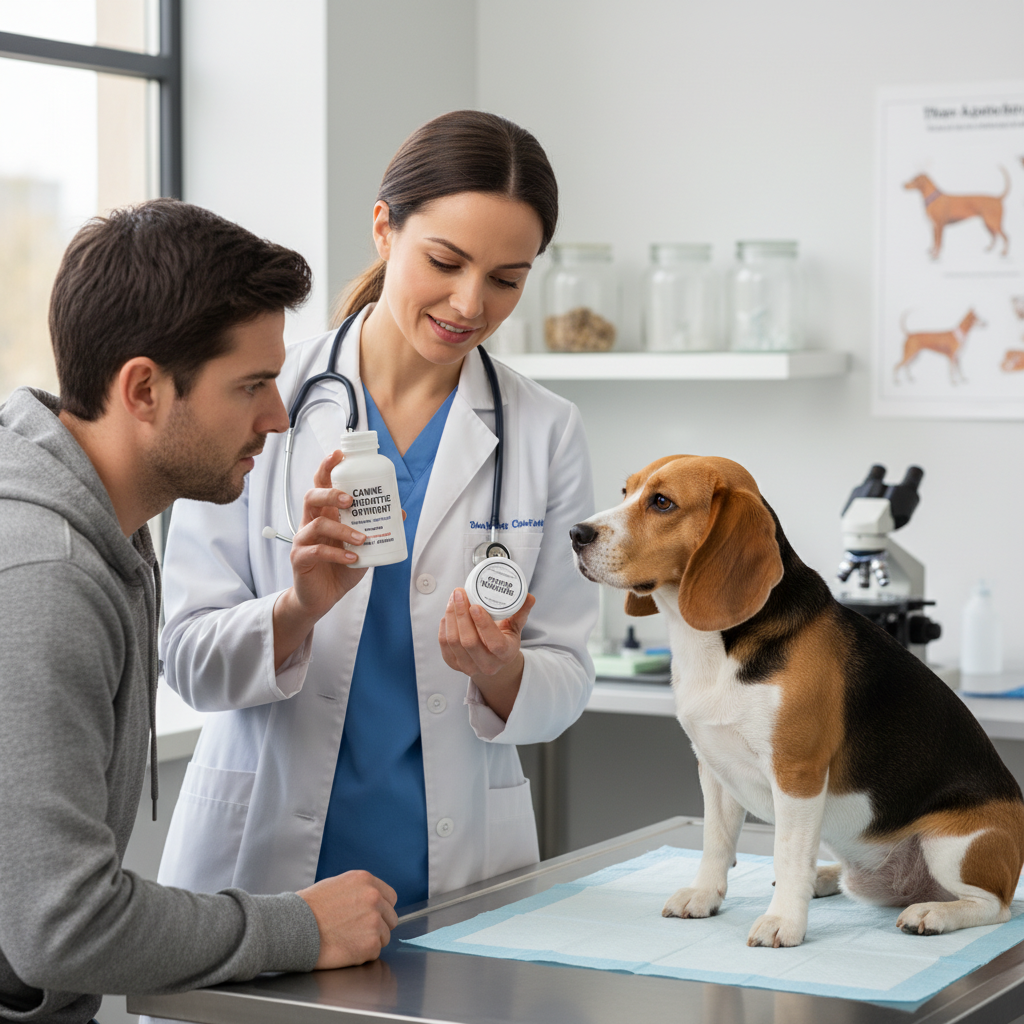
While many situations require a vet’s diagnosis, certain over-the-counter medications and treatments can be administered for minor issues or to provide temporary relief. Crucially, you must consult your veterinarian before giving your dog any medication to confirm its safety and determine the correct dosage.
- Styptic Powder: This is a must-have for any dog owner who trims their pet’s nails. If you accidentally cut the quick (the blood vessel inside the nail), it can bleed profusely. A pinch of styptic powder applied with firm pressure will stop the bleeding almost instantly.
- Diphenhydramine (Plain Benadryl®): This antihistamine can be used for allergic reactions, such as those from insect bites or stings.
Important Considerations:
- Consult Your Vet: Always confirm the correct dosage with your veterinarian, as it is based on your dog’s weight.
- Check Ingredients: Ensure the product contains only diphenhydramine. Some formulations include dangerous decongestants or the artificial sweetener xylitol, which is highly toxic to dogs.
Dog’s Weight Example Dosage (Consult Vet First) Under 30 lbs 10 mg 30-50 lbs 25 mg Over 50 lbs 50 mg - Canine-Specific Antibiotic Ointment: For minor scrapes and cuts, a thin layer of a vet-approved antibiotic ointment can help prevent infection after the wound has been thoroughly cleaned. Do not use ointments containing steroids unless specifically prescribed by your vet.
- 3% Hydrogen Peroxide: This item comes with a serious warning. Its only use in a first aid context is to induce vomiting if your dog has ingested a toxin, and only under the direct instruction of your veterinarian or a pet poison control expert. Never administer it without professional guidance, as it can cause serious harm if used improperly or for the wrong type of poison.
Critical Support Items for Emergencies and Transport
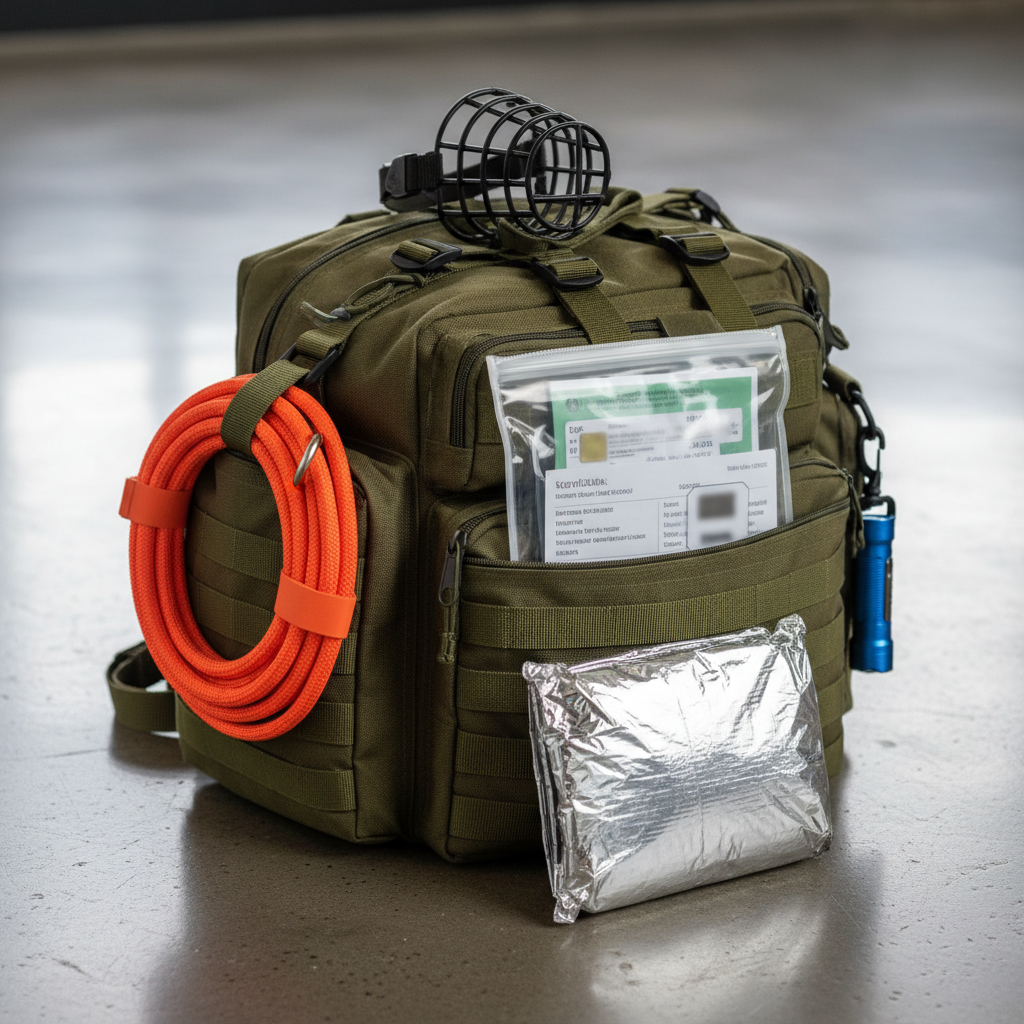
In a more serious emergency, your primary goal is to stabilize your dog and transport them safely to a veterinary clinic. These items are designed to manage the situation, prevent further injury, and ensure you have vital information at your fingertips.
- Emergency Muzzle and Leash: An injured and frightened dog may bite out of pain or fear, even if they are normally gentle. A soft, properly fitting muzzle protects you and allows you to administer aid more safely. Always have a spare leash or a slip lead in your kit, as collars can be lost or may need to be removed if there is an injury to the neck.
- Vital Documents and Contact Information: Keep a waterproof pouch with a copy of your dog’s vaccination records, any relevant medical history, and a list of medications they are taking. This information is invaluable to an emergency veterinarian.
Include these critical numbers in your phone and on a physical card in your kit:
Your Veterinarian’s Phone Number: [Enter number here]
Emergency Vet Clinic Number: [Enter number here]
ASPCA Animal Poison Control Center: (888) 426-4435
Bonus Essential: Emergency Blanket
A compact, foil-like Mylar emergency blanket can be a lifesaver. It takes up almost no space but is crucial for treating shock or hypothermia by retaining your dog’s body heat. It can also be used as a makeshift stretcher for smaller dogs.
Conclusion
Being a proactive pet owner means preparing for the unexpected. By assembling this comprehensive first aid kit, you are taking a significant step in safeguarding your dog’s health and well-being. This kit is not a substitute for professional veterinary care, but it is a powerful tool that allows you to provide immediate and effective support when your dog needs you most.
Remember to store your kit in a cool, dry, and easily accessible location, both at home and in your car for when you travel. Periodically check the expiration dates on all medications and supplies, replenishing anything you use. For the ultimate peace of mind, consider enrolling in a pet first aid and CPR course. Your preparation today can ensure a safer, healthier tomorrow for your beloved companion.