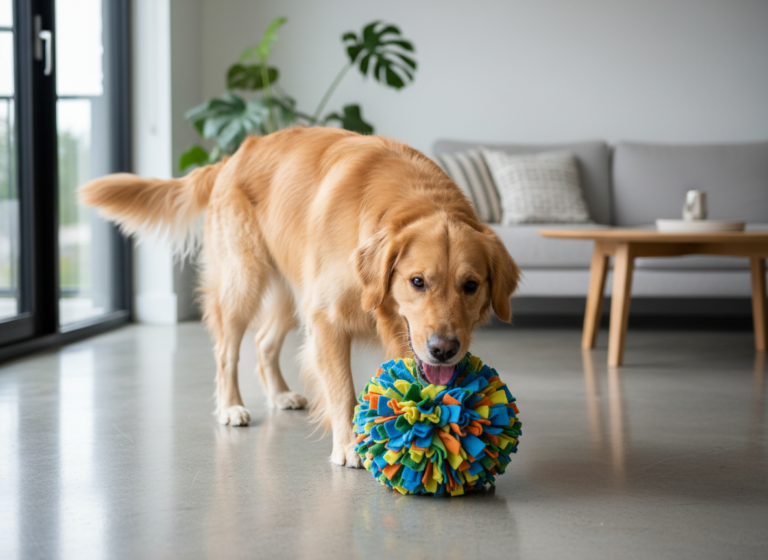
15 DIY Brain Games to Tire Out Your Hyperactive Dog (Cheap & Easy!)
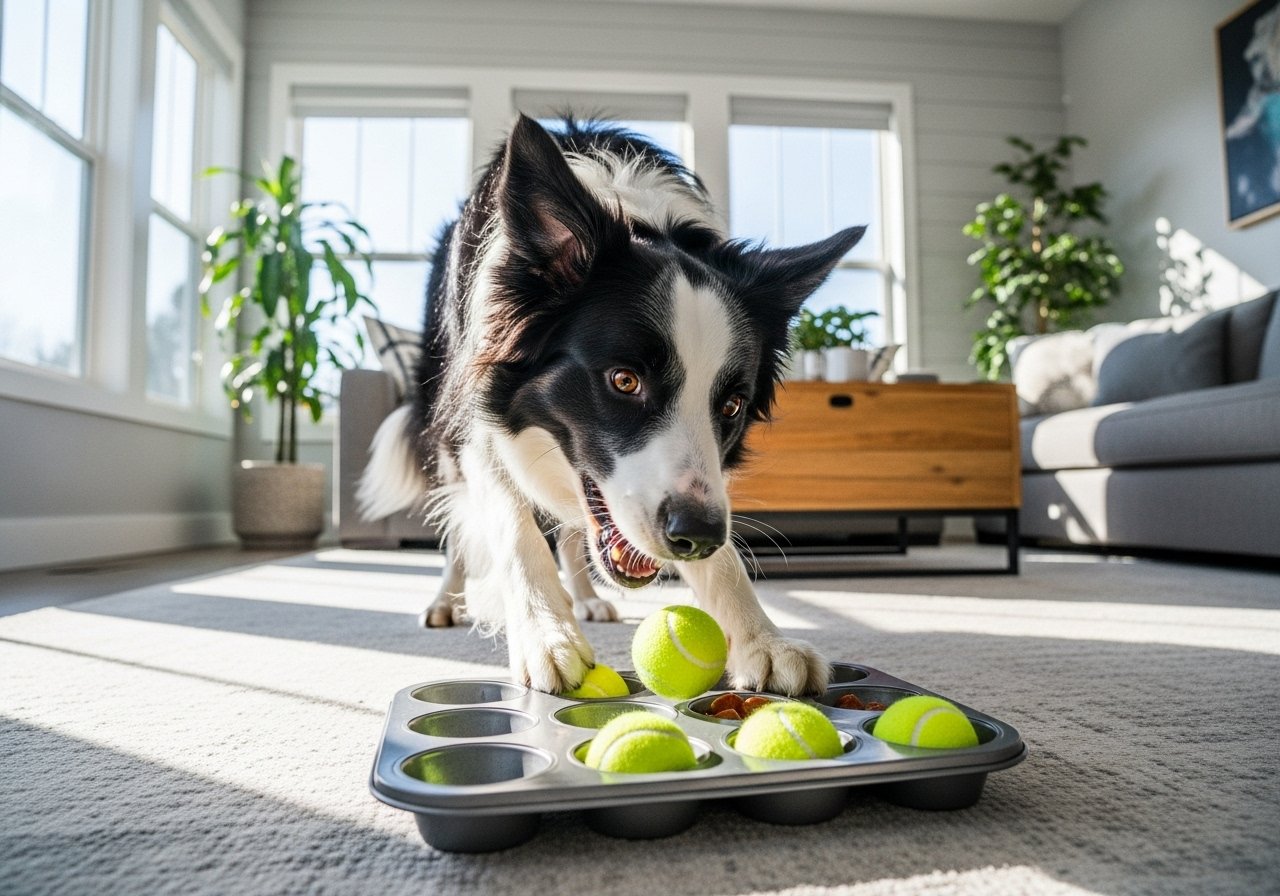
As a canine specialist, one of the most common concerns I hear from pet owners involves hyperactivity and seemingly boundless energy in their dogs. While physical exercise is undeniably crucial, many owners are surprised to learn that mental fatigue is often the missing piece of the puzzle. A dog that is mentally under-stimulated can exhibit behaviors often labeled as ‘naughty’—such as destructive chewing, excessive barking, and restlessness—when in reality, they are simply bored.
A dog’s brain is a powerful tool, evolved for complex tasks like hunting, tracking, and problem-solving. When we fail to provide outlets for these cognitive needs, we create a void that the dog will try to fill on its own, often in ways we find undesirable. The solution is not always a longer run, but a smarter play session. Engaging your dog in brain games taps into their natural instincts, encourages critical thinking, and can tire them out more effectively than a walk around the block.
This guide provides 15 simple, do-it-yourself brain games that require minimal materials—most of which you already have at home. These activities are designed to challenge your dog’s mind, build their confidence, and strengthen the bond you share. Prepare to see a calmer, more contented companion by adding these powerful enrichment exercises into your daily routine.
Category 1: Scent-Based Puzzles
A dog’s primary sense for interpreting the world is its nose. Scent work is an incredibly powerful tool for mental stimulation because it allows dogs to do what they do best. These games tap into that innate drive, providing a deeply satisfying and calming experience.
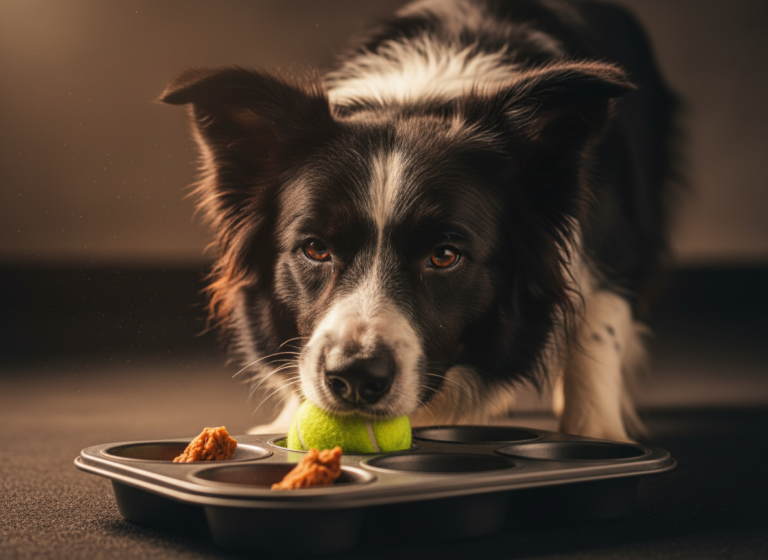
1. The Muffin Tin Puzzle
This classic game is simple to set up and encourages your dog to use its nose and problem-solving skills to find hidden treasures.
- Materials Needed: A standard muffin tin (6 or 12 cups), treats or kibble, and tennis balls or other dog-safe toys that fit into the cups.
- Place a small, high-value treat in some or all of the muffin cups.
- Cover each cup with a tennis ball or a similar toy. For beginners, leave some cups uncovered.
- Place the tin on the floor and encourage your dog to investigate.
- Your dog will have to sniff out the treats and figure out how to remove the balls to get the reward.
Expert Tip: If your dog tries to pick up the whole tin, use a heavier ceramic or silicone tin, or place it on a non-slip mat. Start easy and gradually increase the difficulty by filling every cup.
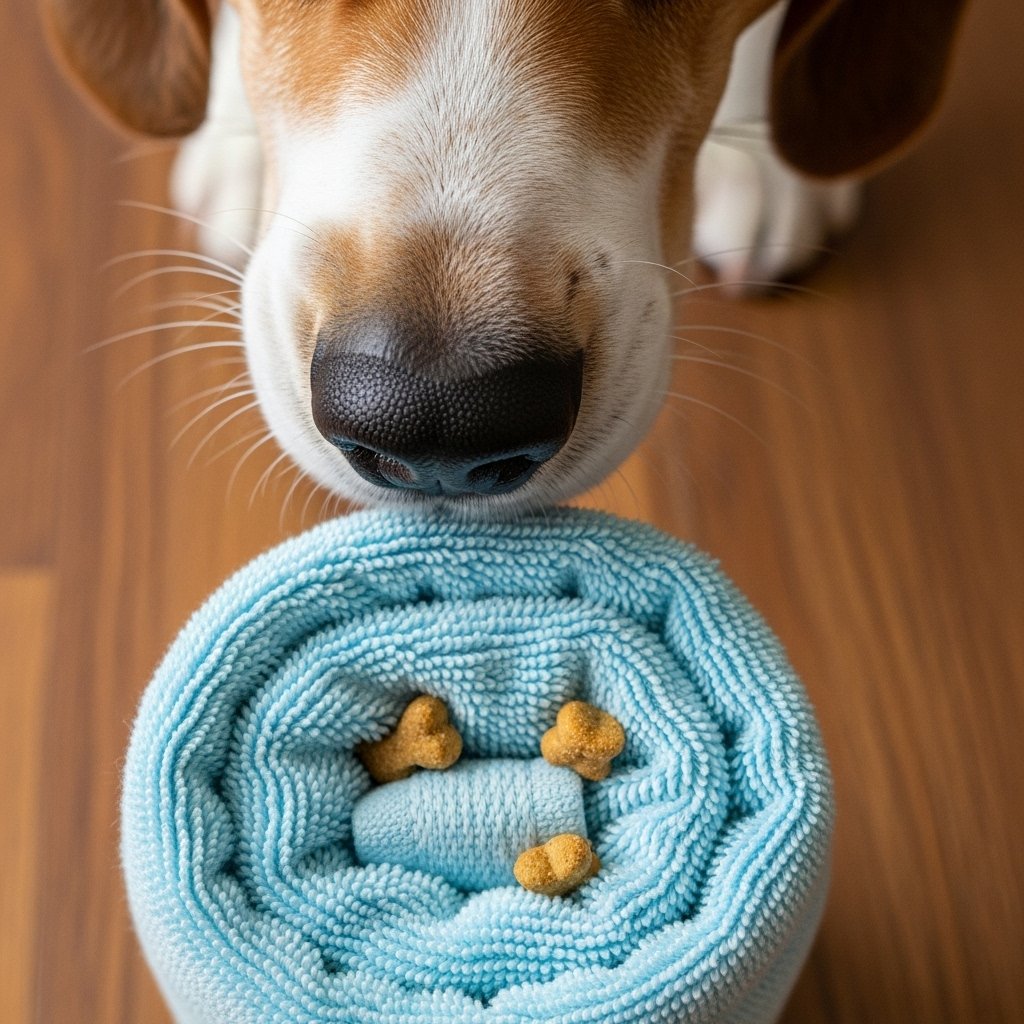
2. The Towel Burrito
This game uses a common household item to create a fun, unrolling puzzle that satisfies a dog’s desire to forage.
- Materials Needed: An old bath or beach towel and your dog’s favorite treats or kibble.
- Lay the towel flat on the floor.
- Sprinkle a few treats along one of the short edges of the towel.
- Roll the edge over the treats once.
- Sprinkle more treats on the new surface and roll it again.
- Continue this process until the entire towel is rolled up like a burrito, with treats layered inside.
- Give the towel burrito to your dog and let them use their nose and paws to unroll it and find the food.
3. The Shell Game
A canine version of the classic street hustle, this game challenges your dog’s concentration and scenting ability.
- Materials Needed: Three identical, opaque plastic cups or containers and one high-value, smelly treat.
- Show your dog the treat and let them sniff it.
- Place the treat under one of the cups while your dog is watching.
- Slowly slide the cups around, mixing up their positions. Keep the movements slow and simple for beginners.
- Give your dog a release cue like “Find it!” and encourage them to indicate which cup hides the treat. They might nudge it with their nose or paw.
- Lift the correct cup and reward them enthusiastically.
4. Find It!
This game turns your living room into a scent-work course, teaching your dog to rely on their nose to search a wider area.
- Materials Needed: Several small, smelly treats.
- Start with your dog in a “stay” or have someone hold them in another room.
- Place a treat in a very obvious spot nearby, like on the corner of their bed.
- Release your dog and say “Find it!” in an excited tone. Point towards the treat to help them succeed at first.
- Once they understand the game, gradually increase the difficulty by hiding treats in less obvious places: behind a chair leg, under the edge of a rug, or on a low shelf.
- Always start with easy finds to build their confidence before making it more challenging.
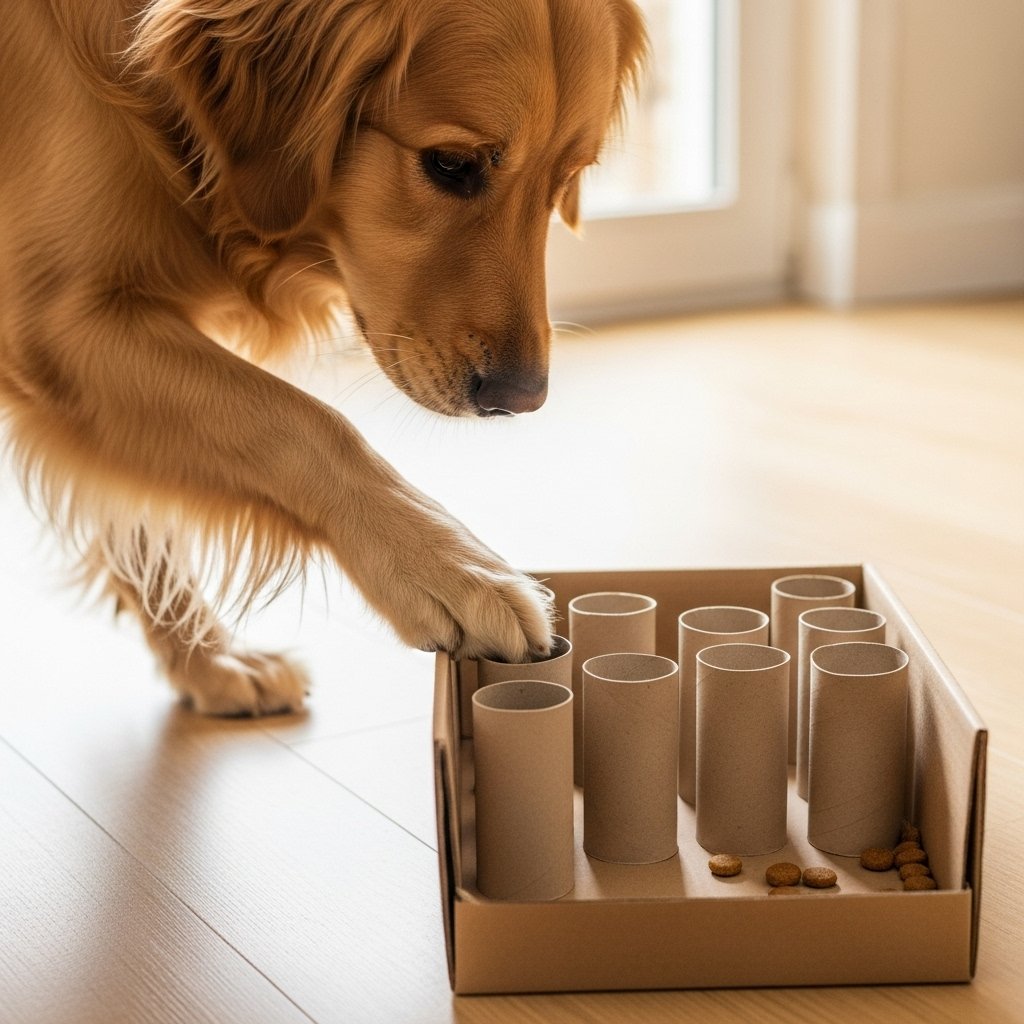
5. The DIY Snuffle Box
A snuffle mat can be expensive, but a snuffle box provides the same enrichment using recycled materials.
- Materials Needed: A cardboard box (a shoebox or shipping box works well), and safe filler materials like toilet paper rolls, packing paper, or old t-shirts cut into strips.
- Open the box and stand any toilet paper rolls on their ends inside.
- Loosely crumple packing paper or fabric strips and fill in the gaps around the rolls.
- Sprinkle your dog’s kibble or treats throughout the box, hiding it within the rolls and under the crumpled materials.
- Place the box on the floor and let your dog explore, sniff, and forage for their food.
Important: Always supervise your dog during this activity to ensure they do not ingest any of the cardboard or paper materials.
Category 2: Problem-Solving & Dexterity Challenges
These games require your dog to think critically and use their paws and mouth in coordinated ways to achieve a goal. This type of challenge builds confidence and improves motor skills.
6. The Bottle Spinner
This is a slightly more advanced DIY project that creates a durable, reusable puzzle toy that will entertain for hours.
- Materials Needed: A wooden dowel or rod, two plastic bottles (16-20 oz), a drill, and a simple wooden frame or two chairs to suspend the dowel between. You can also purchase pre-made stands.
- Carefully drill a hole through the center of each plastic bottle, ensuring the dowel can spin freely inside.
- Create a simple stand or use two sturdy chairs placed back-to-back. Suspend the dowel between them.
- Slide the bottles onto the dowel through the drilled holes.
- Drop treats into the bottles.
- Show your dog how to spin or flip the bottles with their nose or paw to make the treats fall out.
7. Cardboard Box Destruction
For dogs that love to shred, this game provides a safe and appropriate outlet for that instinct.
- Materials Needed: An empty cardboard box (cereal box, tissue box, shipping box), packing paper, and treats.
- Remove any plastic, staples, or excessive tape from the box.
- Place some treats inside. For an extra challenge, put the treats inside a smaller, sealed box first (like a tissue box), and then place that inside the larger box.
- You can add crumpled packing paper as filler to make it more engaging.
- Close the box flaps and give it to your dog to destroy.
Safety First: This is a supervised activity. Ensure your dog is shredding the cardboard, not eating large pieces of it. Once the treats are gone, trade the remaining cardboard for a high-value chew.
8. The Toilet Paper Roll Puzzle
A simple, effective puzzle using an item you’d normally recycle.
- Materials Needed: An empty toilet paper or paper towel roll and treats.
- Place a few treats inside the cardboard tube.
- Fold the ends of the tube inward to seal the treats inside.
- Give the tube to your dog and let them figure out how to get it open to access the reward.
- For a greater challenge, you can poke small holes in the tube so they can smell the treats more easily but still have to work to get them out.
9. The Treat Maze
Create a simple obstacle course that requires your dog to navigate around barriers to get their reward.
- Materials Needed: Pillows, blankets, books, or empty boxes, and treats.
- In an open area, create a simple maze or winding path using your household items as walls.
- Place treats at various points within the maze, with a jackpot reward at the very end.
- Guide your dog to the entrance of the maze and encourage them to navigate it to find the food.
- Keep the maze simple at first and make it more complex as your dog gets better at the game.
10. Knotted Fleece Puzzle
This game is great for dogs who enjoy tugging and soft textures, encouraging them to use their mouth and paws to solve a puzzle.
- Materials Needed: A few long strips of fleece fabric or an old t-shirt cut into strips, and treats.
- Lay one strip of fabric flat and place a few treats in the middle.
- Tie a loose knot in the fabric around the treats.
- For a harder puzzle, use multiple strips of fabric and weave them together, hiding treats in the knots.
- Give the knotted puzzle to your dog and let them work on untying it to get their reward.
Category 3: Interactive & Training-Based Games
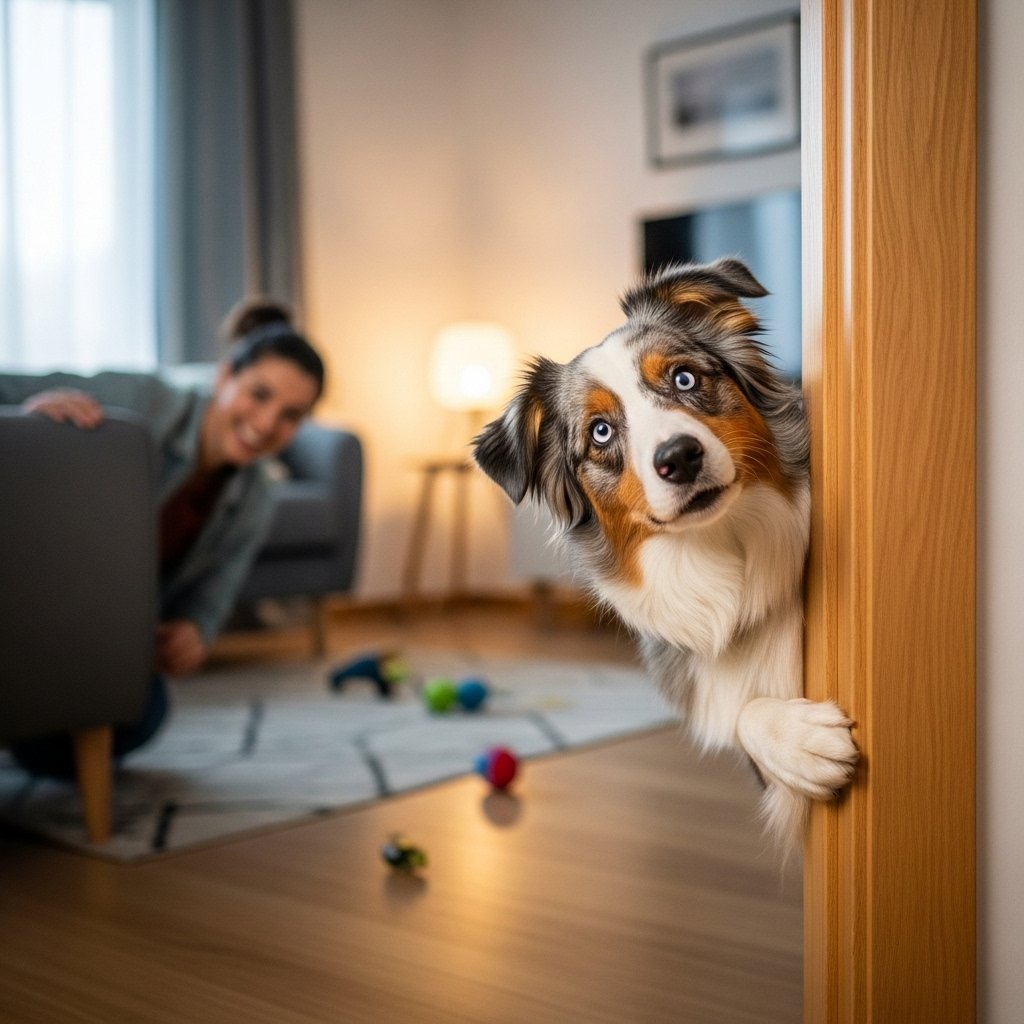
These games are not just about mental stimulation; they are about reinforcing training, improving communication, and strengthening the bond between you and your dog. They require your active participation.
11. Canine Hide-and-Seek
This game reinforces the “stay” and “come” cues in a highly engaging and rewarding way.
- Materials Needed: Just you, your dog, and maybe some treats for rewards.
- Ask your dog to “stay.” If their stay isn’t reliable, have a family member gently hold them.
- Go to another room and hide behind a door, a curtain, or a piece of furniture. Don’t make it too hard at first.
- Once hidden, call your dog’s name or your recall cue (“Come!”) in an excited voice.
- When they find you, reward them with effusive praise, petting, and a high-value treat.
- Increase the difficulty by choosing more clever hiding spots as they get better at the game.
12. Name That Toy!
This game teaches your dog object discrimination and vocabulary, turning cleanup time into a fun challenge.
- Materials Needed: Two or three of your dog’s favorite, distinct toys.
- Start with one toy. Give it a specific name, like “Blue Ball.” Play with your dog with the Blue Ball, repeating the name over and over.
- After several sessions, place the Blue Ball next to another, unnamed toy.
- Ask your dog to “Get Blue Ball.” If they pick the correct toy, reward them heavily. If they pick the wrong one, simply say “oops” and try again without punishment.
- Once they have mastered one toy name, you can begin teaching them the name of a second toy, and so on.
13. Shaping: 101 Things to Do with a Box
Shaping is a training technique that involves rewarding successive approximations of a target behavior. It’s a fantastic mental workout that teaches your dog how to think creatively.
- Materials Needed: A clicker (optional but helpful), high-value treats, and a simple object like a cardboard box.
- Place the box on the floor. The goal is to get your dog to interact with it, but you won’t give them any cues.
- The moment your dog even looks at the box, click and treat.
- Once they are reliably looking at the box, wait for them to take a step towards it. Click and treat.
- Continue rewarding any small interaction: sniffing the box, touching it with their nose, touching it with a paw, putting one paw in, and eventually putting all four paws in.
- This game teaches your dog to offer behaviors and problem-solve independently.
14. The “Go Find” Game
An advanced version of “Name That Toy,” this game involves sending your dog to find specific objects (or even people) in other rooms.
- Materials Needed: Objects or people your dog can identify by name.
- Start by teaching your dog the names of family members (“Go find Sarah!”) or specific items (“Go find your leash!”).
- Have the person or place the object in another room.
- Give your dog the cue, “Go find [Name/Object]!”
- When they successfully locate the target, the person should reward them, or they should bring the object back to you for a reward.
15. The Cupcake Pan Puzzle
This is a variation of the muffin tin puzzle but designed for smaller dogs or as a different challenge for larger ones. It hones fine motor skills and scent detection.
- Materials Needed: A mini-muffin or cupcake pan, kibble or small treats, and various small toys or crumpled paper balls.
- Place a treat in several of the small cups of the pan.
- Cover the cups with a variety of objects: some with small balls, some with crumpled paper, and leave some open. This forces the dog to use different techniques for each cup.
- Present the pan to your dog and encourage them to explore it.
- Supervise to ensure they are lifting the objects and not just trying to chew through the pan itself.
Expert Tip: For all interactive games, keep sessions short (5-10 minutes) and always end on a positive, successful note. This keeps your dog engaged and eager to play again next time.
Conclusion
Integrating these 15 DIY brain games into your dog’s life can lead to a profound transformation. You are not just alleviating boredom; you are providing an essential outlet for their cognitive abilities, which is a fundamental component of their overall welfare. A mentally stimulated dog is less anxious, less prone to destructive habits, and more confident. Consistency is key. Aim to incorporate one or two short sessions of brain work into your dog’s schedule every day. Rotate through the different games to keep the challenges fresh and exciting.
Remember that the goal of these activities extends beyond simply tiring your dog out. Each game is an opportunity to communicate, collaborate, and deepen the trust and understanding between you. By investing this time in your dog’s mental enrichment, you are building a stronger, healthier, and more harmonious relationship that will last a lifetime.