10 Independent Dog Breeds Perfect for Full-Time Workers
For many professionals, the desire for canine companionship is often met with a significant hurdle: a full-time work schedule. The guilt of leaving a pet alone for eight or more hours a day can be a powerful deterrent. However, the belief that all dogs require constant human interaction is a misconception. Certain breeds, shaped by centuries of selective breeding for specific tasks, possess a naturally independent and self-sufficient temperament. These dogs are not aloof or unaffectionate; rather, they are confident, secure, and capable of entertaining themselves without succumbing to separation anxiety.
Choosing a breed that aligns with your lifestyle is a cornerstone of responsible pet ownership. It ensures the well-being of the dog and fosters a harmonious human-animal bond. This comprehensive guide delves into the world of independent dog breeds. We will define the traits that make a dog suitable for a working owner, present ten exceptional breeds known for their self-reliant nature, and provide expert strategies for creating an environment where your independent companion can thrive. This is your definitive resource for finding a four-legged friend who complements, rather than complicates, your professional life.
What Truly Defines an ‘Independent’ Dog Breed?
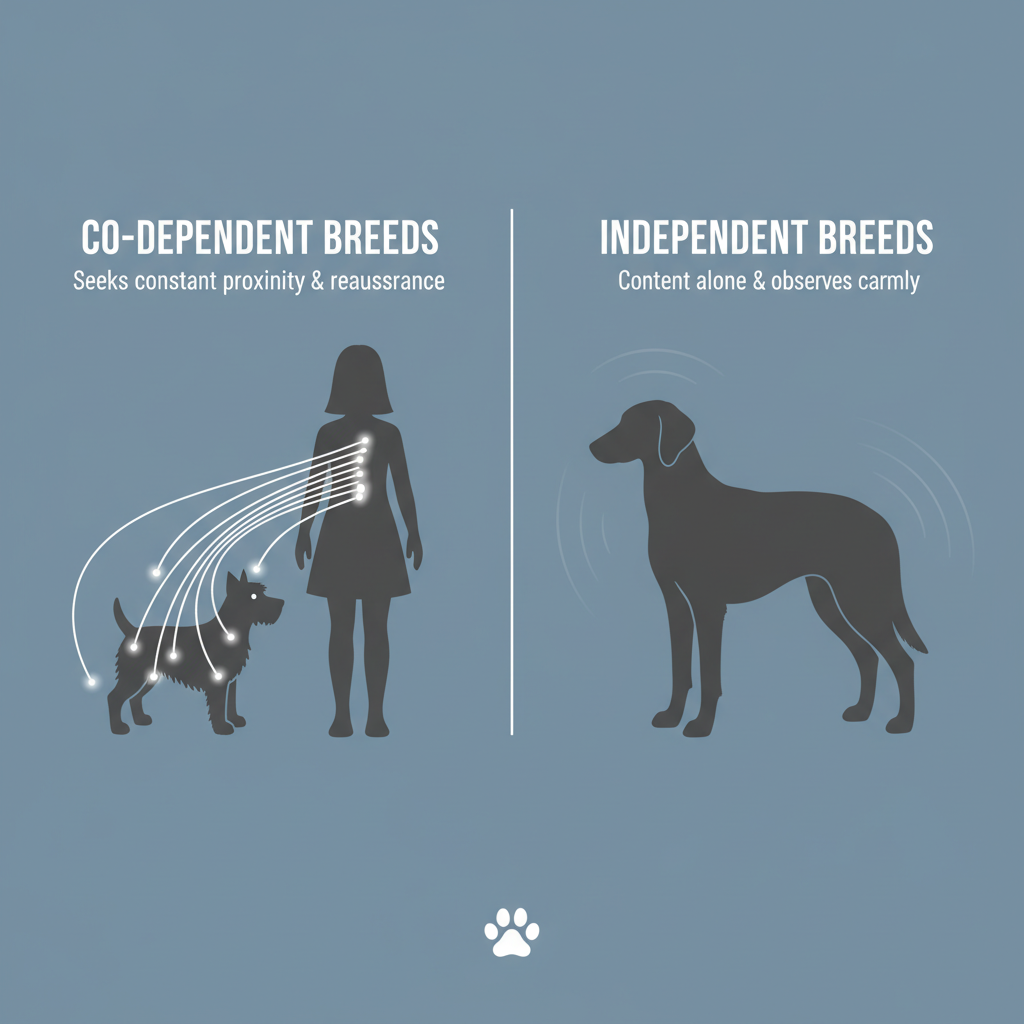
The term ‘independent’ is often misinterpreted in the canine world. It does not imply a lack of loyalty or a disinterest in forming strong bonds. Instead, it refers to a specific set of temperamental traits that allow a dog to remain calm and content without constant supervision or validation. Understanding these characteristics is the first step in identifying a suitable companion for a busy professional.
Key Traits of a Self-Sufficient Canine:
- Low Propensity for Separation Anxiety: This is the most critical trait. Independent breeds do not typically experience the panic and distress that plague more co-dependent breeds when left alone. They have a higher threshold for solitude.
- Bred for Solitary Work: Many of these breeds have historical roots in jobs that required them to think for themselves and operate at a distance from their handlers. This includes tasks like guarding livestock, hunting vermin, or acting as watchdogs.
- Moderate Energy Levels: While all dogs need exercise, truly independent breeds often have manageable energy needs that can be met with dedicated morning and evening sessions, rather than requiring constant activity throughout the day.
- Confident and Secure Demeanor: An independent dog is inherently self-assured. They don’t rely on their owner for constant reassurance and are capable of making their own ‘decisions,’ such as when to play, when to nap, and when to simply observe their surroundings.
Expert Insight: It is crucial to distinguish between independence and neglect. An independent dog still requires significant commitment, including daily exercise, mental stimulation, training, and quality time. Their self-sufficiency simply means they can better tolerate the structured alone time necessitated by a standard workday.
Top 5 Small to Medium Breeds for the Working Professional
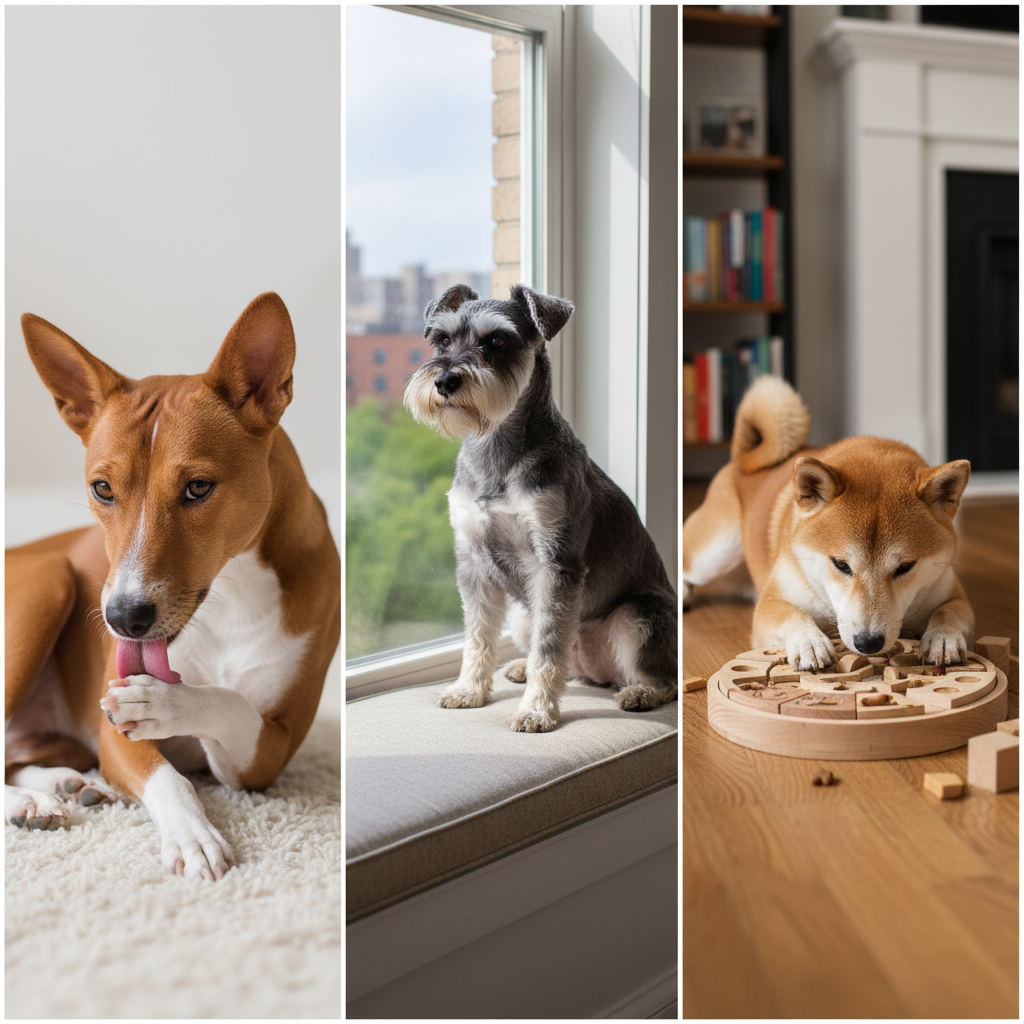
For those with limited living space or a preference for a more compact companion, these small to medium-sized breeds offer the perfect blend of independence and manageable size.
1. Basenji
Often called the ‘barkless dog’ from Africa, the Basenji is a truly unique and ancient breed. Their cat-like grooming habits and quiet nature make them excellent apartment dwellers. They are intelligent, curious, and form strong bonds with their families but are not demanding of attention. Their history as hunters in dense forests required them to be highly self-reliant.
- Temperament: Intelligent, Inquisitive, Reserved with Strangers
- Exercise Needs: Moderate; a long daily walk or run is sufficient.
- Grooming: Low; they fastidiously clean themselves.
- Best For: Owners who appreciate a quiet, clean, and clever companion who values personal space.
2. Shiba Inu
This spirited and handsome breed from Japan is known for its bold, fiery personality. A Shiba Inu is confident, alert, and exceptionally clean. While intensely loyal to their owners, they possess an independent mindset and are perfectly content to entertain themselves. Early and consistent socialization is key to nurturing their well-rounded temperament.
- Temperament: Alert, Active, Attentive
- Exercise Needs: Moderate to High; requires daily vigorous exercise.
- Grooming: Moderate; seasonal shedding requires regular brushing.
- Best For: Experienced dog owners who can provide firm training and appreciate a dog with a big personality.
3. Miniature Schnauzer
Don’t let their size fool you; the Miniature Schnauzer is a robust, intelligent, and fearless dog. Originally bred as farm dogs to hunt rats, they are alert and energetic but not overly clingy. They are adaptable and can thrive in various living situations, provided their exercise and mental stimulation needs are met before and after the workday.
- Temperament: Friendly, Smart, Obedient
- Exercise Needs: Moderate; daily walks and playtime are essential.
- Grooming: High; requires regular professional grooming or clipping.
- Best For: Families or individuals seeking a spirited but manageable companion who acts as an excellent watchdog.
4. Lhasa Apso
Hailing from Tibet where they served as indoor sentinels in monasteries, the Lhasa Apso is a sturdy little dog with a confident and independent nature. They are loving with their family but can be wary of strangers. Their primary purpose was to be watchdogs, a job they could do without constant human direction, making them well-suited to spending time alone.
- Temperament: Confident, Smart, Comical
- Exercise Needs: Low to Moderate; short daily walks are adequate.
- Grooming: High; their long coat requires daily brushing and regular grooming.
- Best For: Owners looking for a low-energy lap dog with a protective and independent streak.
5. Manchester Terrier
Sleek, agile, and intelligent, the Manchester Terrier is a high-spirited but devoted companion. Bred for ratting and rabbit coursing, they are independent thinkers. They are deeply loyal to their people but are not prone to separation anxiety and can settle down calmly after a good bout of exercise. Their short coat is an added low-maintenance bonus.
- Temperament: Spirited, Bright, Keenly Observant
- Exercise Needs: Moderate; they enjoy brisk walks and opportunities to run in a secure area.
- Grooming: Low; a quick weekly brushing is all that’s needed.
- Best For: Active owners who want an athletic, intelligent dog that is clean and self-possessed in the home.
Top 5 Large Breeds with a Self-Sufficient Spirit
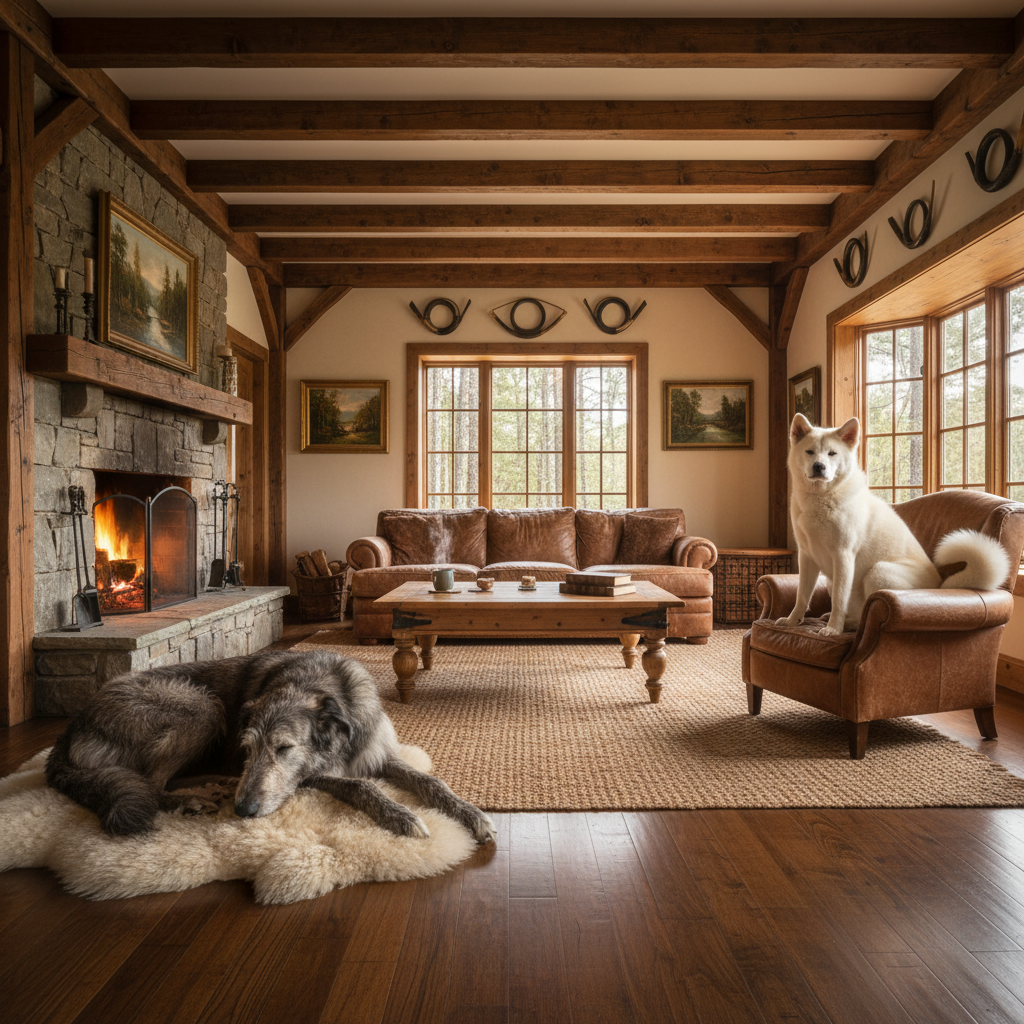
If you have the space and appreciate the presence of a larger dog, these breeds combine imposing stature with a dignified, independent character.
1. Akita
Originating from Japan, the Akita is a powerful and dignified breed known for its profound loyalty and courage. They were originally used for guarding royalty and hunting large game like bears. This background fostered a highly independent and discerning nature. They are affectionate with their family but are not needy and can be territorial, requiring an experienced owner.
- Temperament: Courageous, Dignified, Profoundly Loyal
- Exercise Needs: Moderate; daily walks are necessary to maintain their physical and mental health.
- Grooming: Moderate; they have a thick double coat that sheds heavily twice a year.
- Best For: Experienced, confident owners who can provide strong leadership and socialization for a powerful guardian breed.
2. Chow Chow
The Chow Chow is an ancient breed from China, recognizable by its lion-like mane and blue-black tongue. They are famously aloof, dignified, and reserved. While devoted to their owners, they are not ones for effusive displays of affection. Their cat-like independence means they tolerate being alone very well, often preferring to observe the household from a distance.
- Temperament: Aloof, Loyal, Quiet
- Exercise Needs: Low to Moderate; several short walks a day are preferable to a single long one.
- Grooming: High; their dense coat needs frequent brushing to prevent matting.
- Best For: Owners who understand and respect a dog’s need for personal space and appreciate a quiet, noble companion.
3. Greyhound
Often called the ’45-mph couch potato,’ the Greyhound is a surprising entry for many. While capable of incredible bursts of speed, they are remarkably calm and gentle indoors. Retired racers, in particular, are accustomed to kennel life and spending time alone. They are content with a good sprint in a securely fenced area followed by a long nap on a soft couch.
- Temperament: Gentle, Independent, Noble
- Exercise Needs: Low; a daily opportunity to sprint or a long walk is sufficient.
- Grooming: Low; their short, fine coat is very easy to care for.
- Best For: Owners in apartments or houses who want a large but low-energy and serene companion.
4. Shar-Pei
Known for their distinctive wrinkles and bristly coat, the Shar-Pei is another ancient Chinese breed. Bred as guard dogs and hunters, they are calm, independent, and extremely loyal to their family. They are naturally reserved and serious, and while they form strong bonds, they do not require constant attention to feel secure.
- Temperament: Calm, Independent, Loyal
- Exercise Needs: Low; they require only moderate daily walks.
- Grooming: Low; their short coat needs minimal care.
- Best For: A single-dog household with an owner who can provide early training and socialization.
5. Irish Wolfhound
The tallest of all dog breeds, the Irish Wolfhound is a true gentle giant. Despite their immense size, they are serene, patient, and easygoing. Bred for hunting wolves and guarding homesteads, they possess a quiet independence. They are not guard dogs in the traditional sense but are calm, observant companions who are content with their own company as long as a comfortable place to lounge is available.
- Temperament: Dignified, Gentle, Patient
- Exercise Needs: Moderate; they need room to stretch their long legs on a daily walk or run.
- Grooming: Moderate; their wiry coat needs regular brushing.
- Best For: Owners with ample space (and a large vehicle!) who desire a calm, majestic, and loving giant.
Creating a Thriving Environment for Your Independent Dog
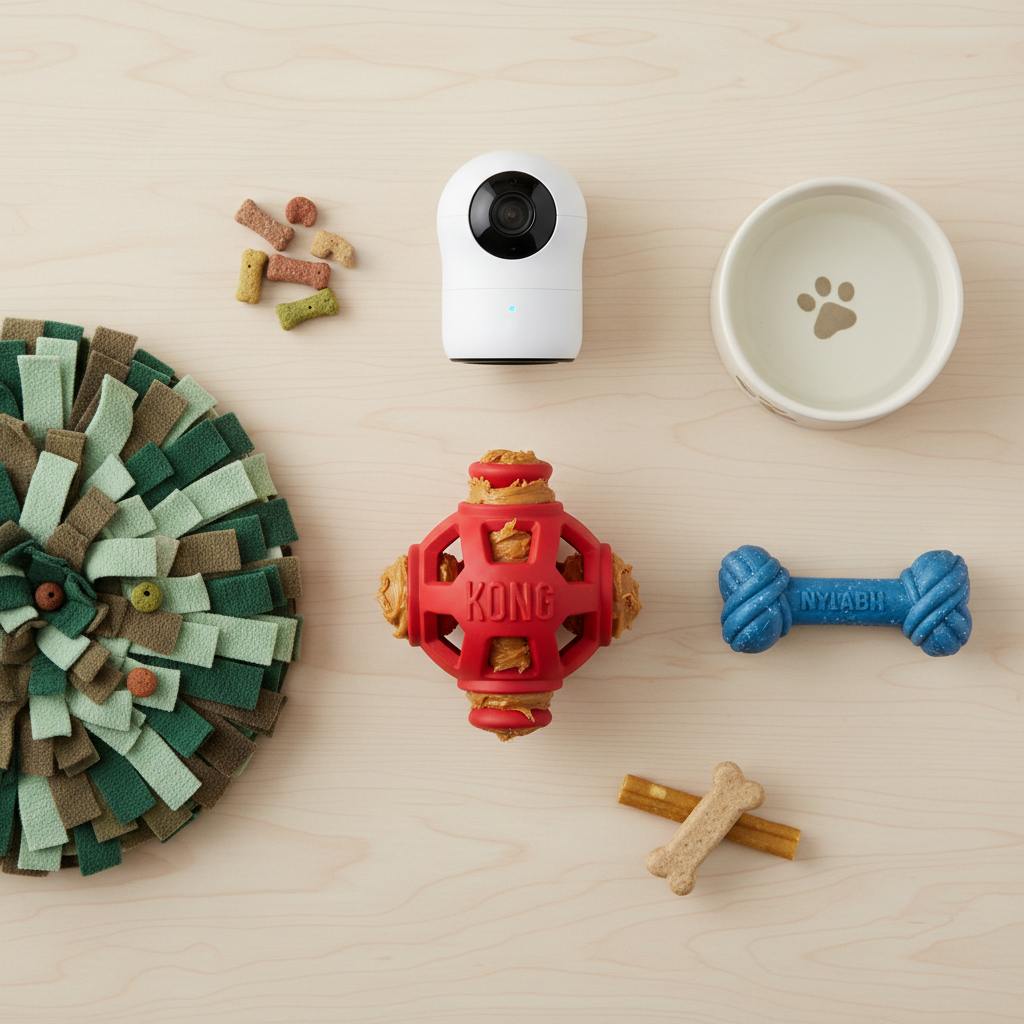
Simply choosing an independent breed is not a guarantee of success. A responsible owner must proactively create an environment that supports their dog’s well-being during work hours. The goal is to ensure the dog is not just tolerating being alone, but is genuinely comfortable and enriched.
Mental Stimulation is Non-Negotiable
An intelligent, independent dog can become bored, which may lead to destructive behavior. Prevent this by providing ample mental stimulation.
- Puzzle Toys: Invest in a variety of food-dispensing puzzles that require your dog to think and work for their meals or treats.
- Scent Work: Hide high-value treats around the house before you leave, encouraging your dog to use their nose to ‘hunt’ for them.
- Chew Toys: Provide safe, durable chew toys to offer a positive outlet for natural chewing instincts.
The Importance of a Structured Routine
Dogs thrive on predictability. A consistent routine helps them understand when to expect activity and when to settle down for quiet time. Maintain a strict schedule for feeding, potty breaks, and exercise.
Pro Tip: A vigorous morning walk or play session is crucial. A tired dog is a happy dog, and expending physical and mental energy before you leave for work will encourage them to rest and relax during the day.
Technology as an Ally
Modern technology can provide peace of mind and enhance your dog’s care.
- Pet Cameras: Two-way cameras allow you to check in on your dog, talk to them, and even dispense treats remotely.
- Automatic Feeders: These can be programmed to dispense a meal midday, breaking up the long wait for dinner.
- Professional Services: For very long workdays (10+ hours), consider hiring a reputable dog walker or using a doggy daycare service once or twice a week to break up the monotony.
Breeds to Approach with Caution for a 9-to-5 Lifestyle
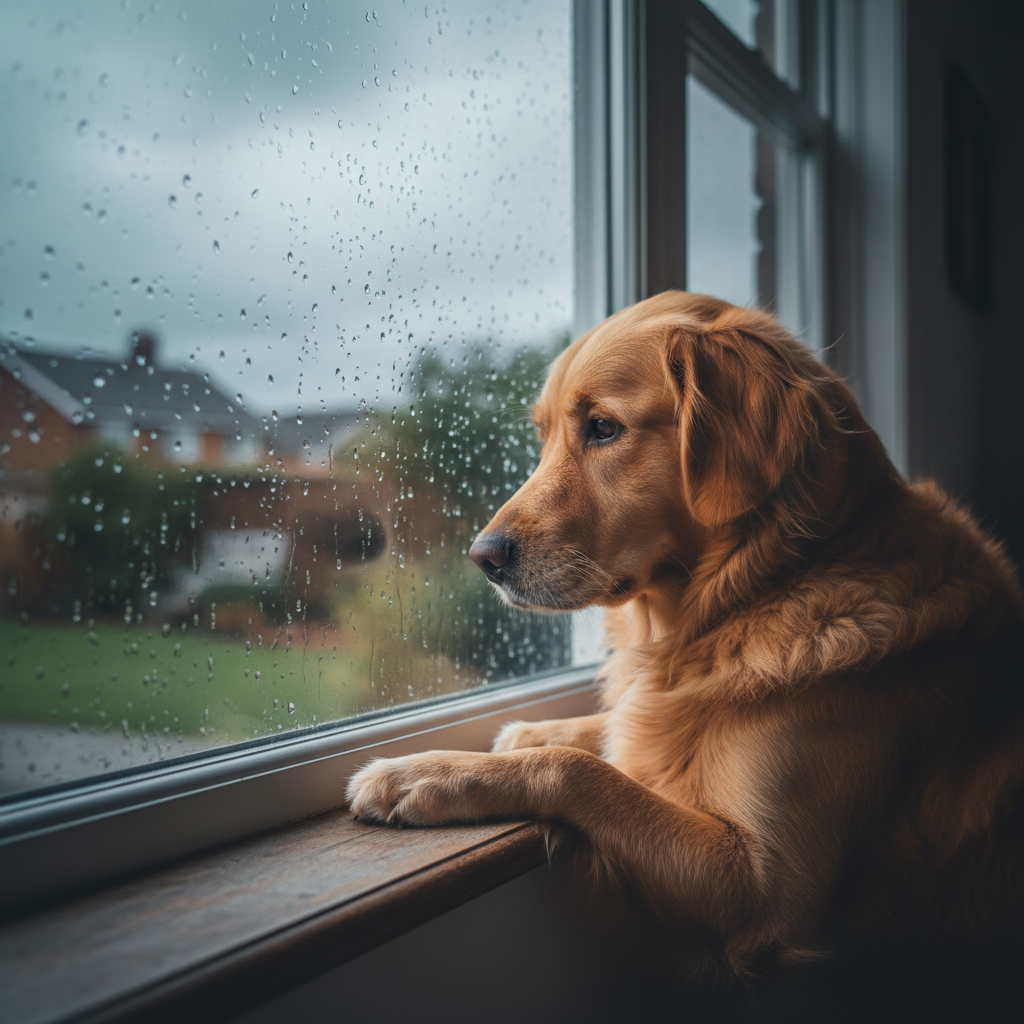
Just as some breeds are well-suited for solitude, others are genetically predisposed to require constant human companionship. For the well-being of the dog, prospective owners who work full-time should be cautious about acquiring breeds known for high energy levels and a strong tendency for separation anxiety. These ‘velcro dogs’ were often bred specifically to work in very close partnership with humans.
Breeds that often struggle with being left alone for long periods include:
- Border Collies & Australian Shepherds: These highly intelligent herding breeds are workaholics that need constant mental and physical tasks. They can become neurotic and destructive if left under-stimulated.
- Vizslas & German Shorthaired Pointers: Bred as close-working hunting partners, these breeds are known for forming incredibly tight bonds and can suffer immensely from separation anxiety.
- Labrador & Golden Retrievers: While famously friendly, these popular breeds are social butterflies that thrive on interaction. They can become bored and anxious when left alone for extended periods.
- Toy Breeds like the Chihuahua or Cavalier King Charles Spaniel: Many toy breeds were developed purely for companionship and can find solitude deeply distressing.
This is not to say it’s impossible to own these breeds as a full-time worker, but it requires a significantly higher level of commitment, such as daily professional dog walking services, doggy daycare, or the ability to work from home several days a week.
Conclusion
Choosing to bring a dog into your life while managing a full-time career is a significant decision, but it is far from impossible. The key to a successful and fulfilling relationship lies in honest self-assessment and educated breed selection. By opting for a dog with an inherently independent temperament, you set the stage for a partnership built on mutual respect for both your need to work and your dog’s need for a secure, stable environment.
Remember that independent never means maintenance-free. These intelligent and loyal companions still require your time, energy, and devotion. The bond you build during mornings, evenings, and weekends will be the foundation of their confidence while you are away. Through proper environmental enrichment, consistent routines, and a deep understanding of your chosen breed’s needs, you can provide a wonderful life for your canine partner and enjoy the unparalleled joy of coming home to a happy, well-adjusted best friend.